

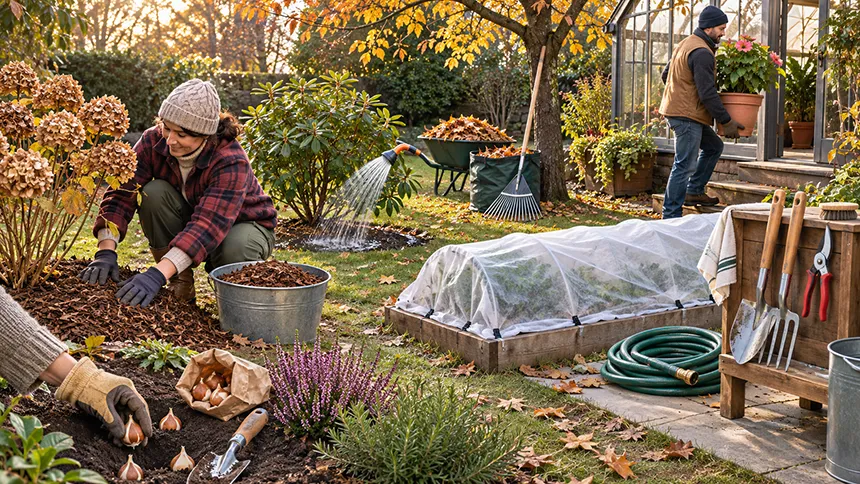
Winter is on the edge, and this is the best time to start preparing your garden for the winter. Seasonal garden care is important for healthier plants. Adding mulch, cleaning the garden, and winterizing the hose and other irrigation tools are the main tasks to perform in winter.
Take a look at the 7 Garden tasks before December so the garden can become ready for the winter.
Quick Answer
Before winter arrives, you should perform 7 major tasks: protect the roots and stems, add mulch, water them deeply, and plant all the spring flowering bulbs. Next, move all the winter-sensitive plants to shelter, clean up the garden, prepare vegetable beds for spring, and lastly, clean all your garden tools and hoses.
7 Tasks To Perform Before December Arrives
Preparing your garden for the winter season requires only 7 tasks: first, start by adding mulch; next, water the plants deeply; plant spring bulbs; move the sensitive plants to shelter; clean up the garden; prepare vegetable beds; and lastly, clean all the garden tools.
Take a look at all the December gardening tasks you need to perform in brief.
1. Protect Plant Roots With Winter Mulch
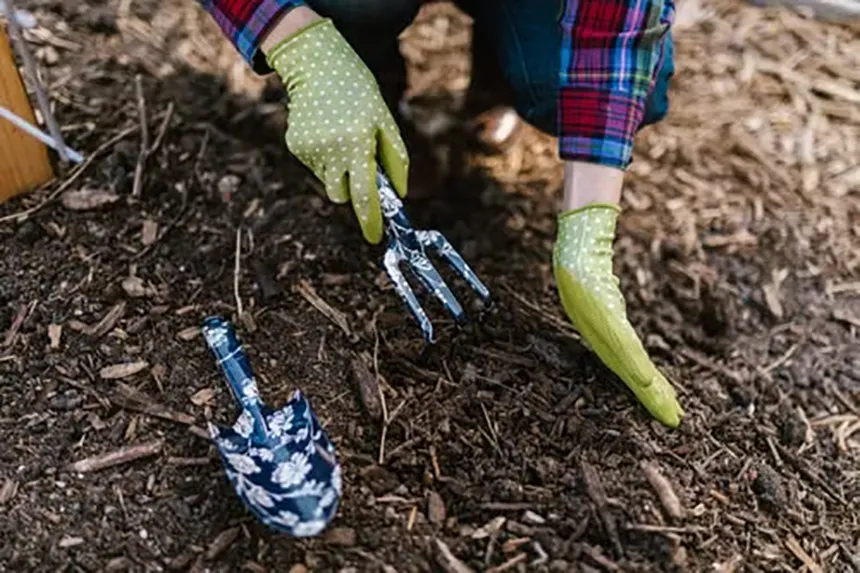
Mulching keeps the soil warmer that helps the microbial activities. You should lay a one- or two-inch-thick mulch; this will cover the soil and will also allow the beneficial insects to reach the soil. Organic mulch such as leaves, wood chips, or straw works best, but if you want, you can also add living mulch or green manure.
2. Give Your Trees and Shrubs a Final Deep Watering
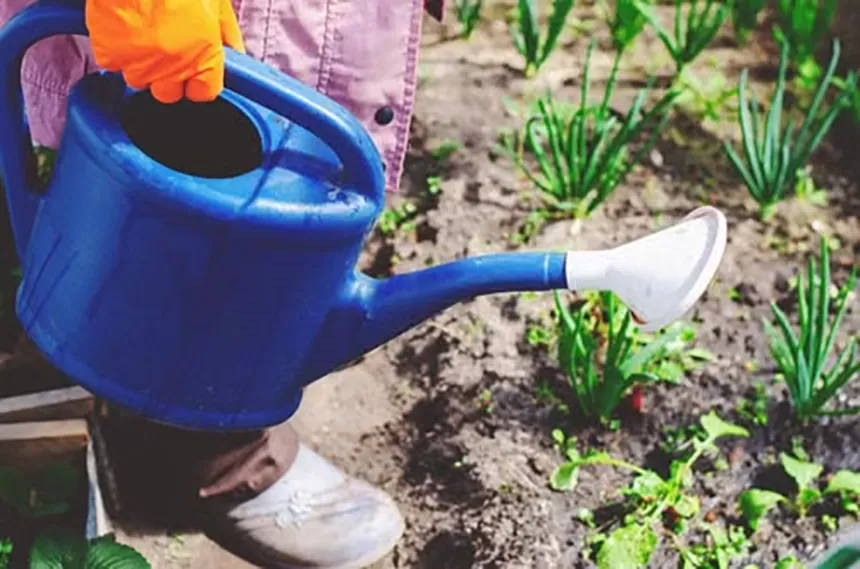
Water the newly planted or evergreen plants properly. During winter and late fall gardening, the plants need less hydration because, due to low temperatures and less humidity, the soil stays hydrated for a longer period. Overwatering the plants in winter can cause diseases and dry out the plants. So before the winter starts you must water the soil properly and then only water when the above 2 inches of the soil layer is dry. However, for some plants, the water requirements are high; you can decide based on that.
3. Finish Planting Spring-Flowering Bulbs
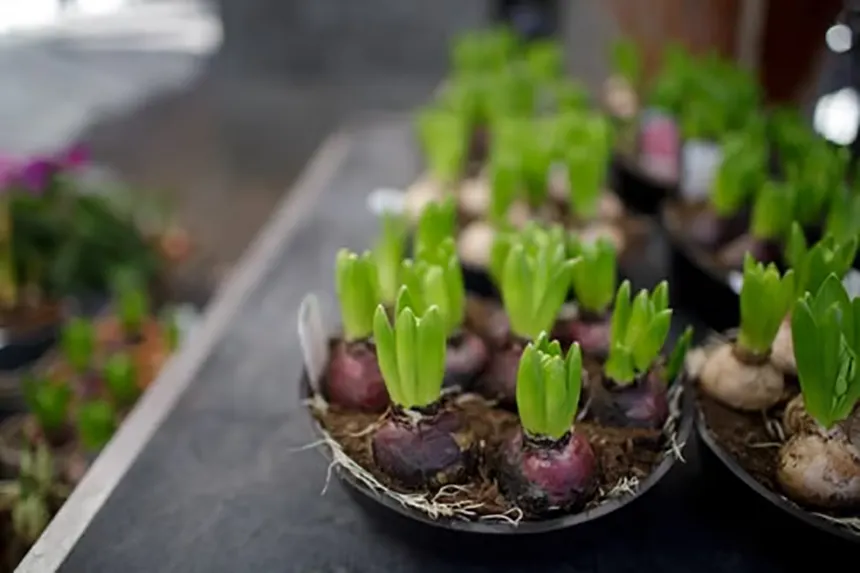
Fall is the best time to plant the spring-flowering bulbs. Tulips, daffodils, crocus, alliums, and other plants should be planted in the fall so they can grow roots till the spring. For a stronger display, plant them in groups or drifts, and take care of them with patience.
4. Move Cold-Sensitive Plants to Sheltered Locations
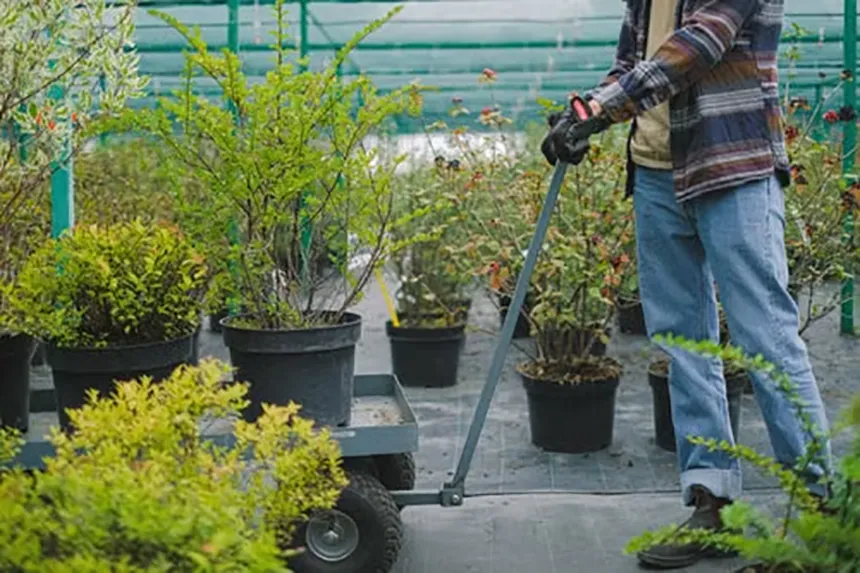
Transfer the cold-sensitive plants to a sheltered location like indoors, a greenhouse, or in the garage. If you don’t have space, you can take them near the walls or to a place where there is no direct wind, throw straw over the top, and it will work as a blanket. If you have terracotta pots, then you must transfer them inside because in winter they can break due to soil expansion from insulation.
5. Clean Up Your Garden Without Removing Everything
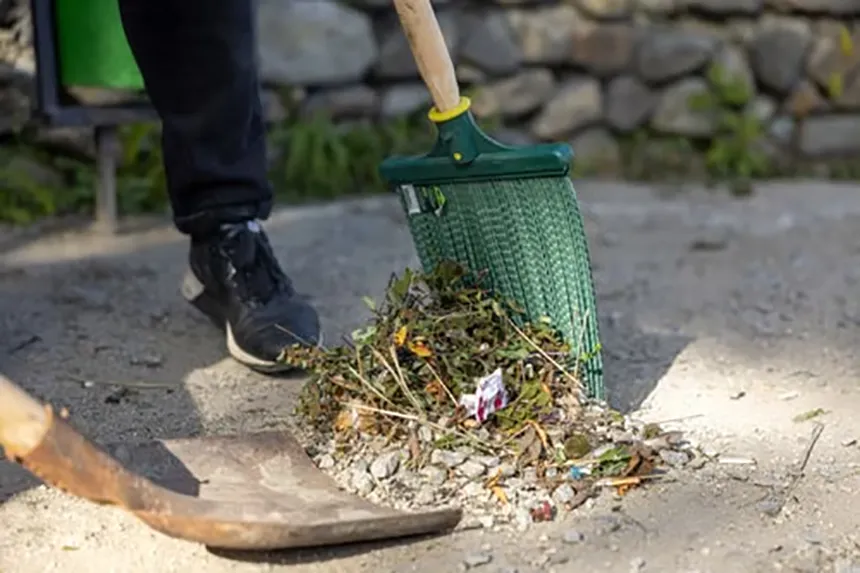
The 5th winter garden preparation is to clear the garden; this doesn’t mean removing all the dry leaves and cutting the plants back. Start by checking all the plants for diseases, damaged stems, and dry leaves, and remove them. Now clean up the pathway, patio, and hard surface; don’t remove the dry foliage from the plant rows; it will work as a mulch in winter.
6. Prepare Vegetable Beds for Next Spring
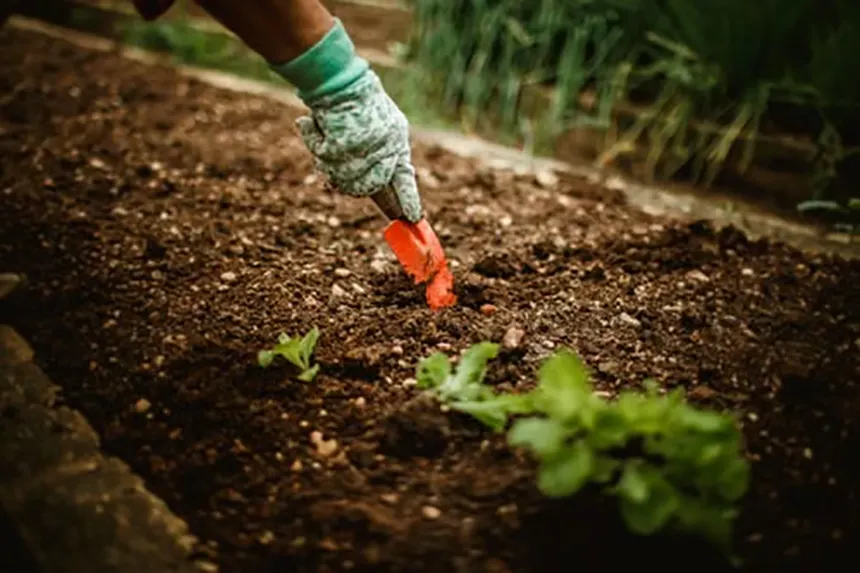
To create new vegetable beds for the spring season, you should start by clearing all the dead annuals, weeds, and debris. Then test the soil; check the pH and nutrient level of the soil. You can do it with a home kit. Lastly cover the soil with organic mulch 1 to 4 inches high so the weeds can trap in and soil nutrients can grow.
7. Clean Your Garden Tools and Drain Outdoor Hoses
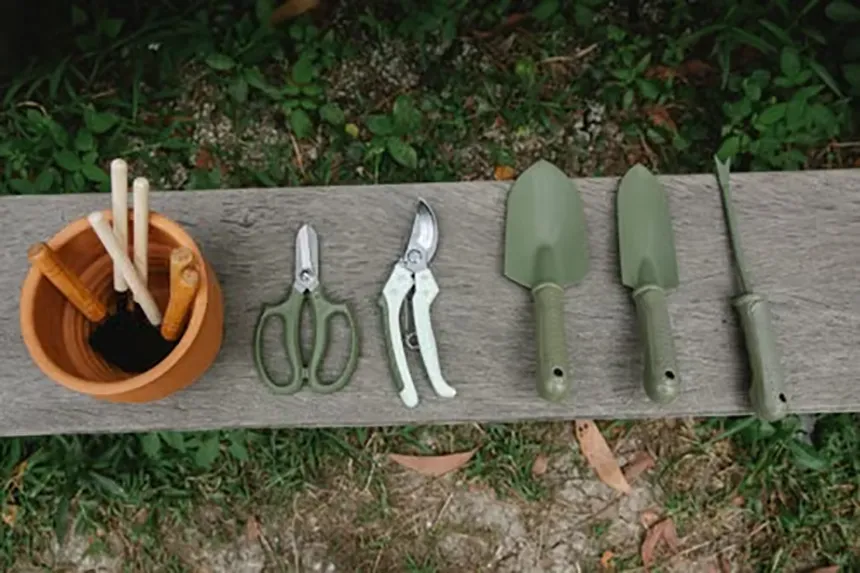
Clean the garden tools such as pruners, scissors, hand trowels, garden hoe, spade, shovel, and digital tools. Remove all the dirt, wash them with water, and dry them properly. Disconnect the hoses and winterize the irrigation equipment. Winterizing prevents trapped water from freezing, expanding, and cracking the pipes, valves, and other assemblies.
Conclusion
Before winter starts, preparing the garden is a must. December gardening checklist includes these 7 tasks that are taking all the summer plants indoors, mulching the garden, cleaning the garden, planting the spring-blooming plants, preparing vegetable beds, cleaning the garden tools and lastly winterizing the irrigation equipment.
By performing these 7 garden tasks before December, you can protect your plants in winter and also prepare for the upcoming spring season.
FAQs
What plants should you not cut back for winter?
Do not cut evergreen plants, plants that bud on the old stems, and seed-bearing perennials. Plants like hydrangea, lilac, forsythia, cornflower, milkweed, and coral weed.
Can you leave plants in pots over winter?
Yes, you can leave plants in pots. Planting winter-sensitive plants in pots is the best option so they can be transferred easily to shelter during peak winter.
What temperature is too cold for a garden?
This depends on the plant type, most of the plants can easily endure winter but heavy winter when the plants go under snow for too long then it can rot the stems and root due to long water retention.
What are the steps to prepare my garden for winter?
There are 7 steps to prepare the garden for winter: start by adding mulch in the garden and watering the plants, then plant the spring-blooming bulbs, move all the cold-sensitive plants, prepare vegetable beds, and lastly clean the garden and all your tools, and you have completed all the preparation.
When should you prepare your garden for winter?
The best time to prepare your garden for winter is the beginning of December or by the end of the fall season. The main steps are protecting the plants with mulch, watering the plants, preparing vegetable beds, and cleaning the garden and tools.