Vertical gardening systems are a fantastic way to add more plants when space is limited. Instead of using up floor space with pots, these systems employ walls, racks, trellises, shelves, and vertical towers for growing plants upwards.
That’s why they’re so popular in small backyards, balconies, patios, and in apartments. Besides saving space, they beautify areas. Vertical gardens can liven up boring walls, keep herbs handy near the kitchen, and even mask ugly fences. Inside, they make rooms feel fuller and cozier.
With the right setup, even a tiny neglected corner can turn into a lush, productive area.
KEY TAKEAWAYS
- Vertical gardening helps you grow more plants in less space by using walls, racks, and other upright setups.
- It works well in small areas like balconies, patios, kitchens, and compact backyards.
- Plant choice matters a lot—herbs, leafy greens, and climbers usually do best.
- Good light, proper drainage, and regular watering are what keep a vertical garden healthy and easy to manage.
What Are Vertical Gardening Systems?
It’s helpful to know what a vertical garden is before picking materials or plants. So, a vertical garden is just plants growing upwards in their own containers – pockets, shelves, panels, or modules- and a plant identifier Botan can help match the right species to each growing spot.
Simple setups include a couple of pots hanging on your balcony. On the other hand, some folks go big with walls full of plant modules and a system for watering them. But no matter how fancy or basic, the key idea remains the same—to use vertical space for easy-access plant growing.
Common types include:
- wall-mounted planters;
- pocket planters;
- tiered shelves;
- trellises;
- hydroponic towers;
- modular panels;
- hanging baskets;
- Freestanding plant racks.
This makes vertical garden ideas especially interesting for apartments, townhouses, small patios, and homes where the yard is limited.
How Vertical Gardening Systems Work
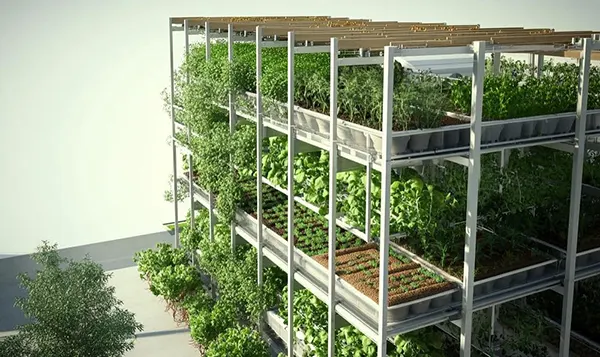
Most vertical gardens work by holding plants in layers, pockets, or containers. Instead of planting into the ground, each plant has a defined growing area for its roots. This can be a pot, fabric pocket, tray, hydroponic cup, or built-in container.
Watering depends on the system. Plants get watered manually sometimes. Other times, people use drip irrigation or recirculating hydroponics. Either way, good drainage is key. It stops extra water from damaging floors, walls, furniture, and the plants’ roots, too.
Light is another key factor. A sunny outdoor wall is perfect for herbs, flowers, and compact vegetables, while a shaded indoor wall may be better for ferns, pothos, or philodendrons. Weight also matters because a vertical garden becomes heavier after watering.
Main Types of Vertical Gardens for Home Use
There isn’t one perfect system for every home. What you need depends on space, light, money, and what kind of plants you want. Also, consider how hands-on you wanna be with upkeep.
Wall-Mounted Planters
Wall-mounted planters are fixed directly to a wall, fence, or vertical frame. They are often used on balconies, patios, and backyard fences. This option works well for herbs, flowers, succulents, and compact ornamental plants.
Freestanding Vertical Racks
Freestanding racks resemble tall shelves or tiered stands. Easy to move and drill-free, they’re great for renters and folks who love rearranging furniture. Plus, you can switch up your outdoor setup without any hassle.
Trellis-Based Systems
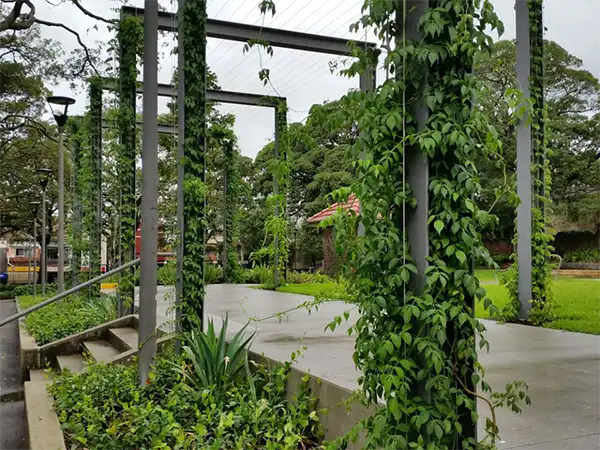
Trellises support climbing plants such as beans, peas, jasmine, ivy, cucumbers, and some flowering vines. They can be attached to walls, placed in containers, or installed in garden beds. This type of vertical growing is one of the oldest and simplest methods. It allows plants to climb naturally while keeping stems and leaves off the ground.
Hydroponic Vertical Towers
Hydroponic towers grow plants without traditional soil. Roots receive water and nutrients through a controlled system. These towers are often used for lettuce, basil, spinach, strawberries, and other compact edible plants.
Pocket or Felt Planters
Pocket planters are made from fabric or felt and usually hang on a wall or frame. Each pocket holds a small amount of soil and one or more plants. They are lightweight when empty and often affordable.
Best Places to Set Up a Vertical Garden at Home
The best spot relies on sunlight, moisture, easy access to water, and the surface’s durability. A stunning wall might not work if it gets no light or can’t handle wetness.
Here are practical places to consider:
| Location | Best for | What to Check |
| Balcony | Herbs, flowers, small leafy greens | Sun exposure, railing safety, and wind |
| Kitchen wall | Small herbs, compact houseplants | Light level, humidity, and access to watering |
| Patio | Decorative plants, herbs, flowers | Drainage, furniture protection |
| Backyard fence | Climbers, flowers, and outdoor planters | Fence strength and sun direction |
| Sunny window area | Houseplants, herbs | Heat, airflow, pot size |
| Small courtyard | Mixed plants, modular systems | Water access and drainage |
| Indoor living wall | Ferns, pothos, philodendron | Humidity, light, and wall protection |
When designing outdoor vertical gardens, think about wind and weather. What works on a calm patio might fail on a windswept balcony with harsh afternoon sun.
For indoors, protect your walls and floors from moisture. Using a waterproof backing, tray, or drainage layer will stop damage over time.
What Plants Work Best in Vertical Gardening Systems?
Plant choice is one of the most important parts of a successful vertical garden. The best plants are usually compact, lightweight, and suited to the available light.
- Herbs are among the easiest choices. Basil, mint, parsley, thyme, oregano, and chives can grow well in small containers if they receive enough light.
- Flowers can add color to balconies and patios. For indoor vertical gardens, pothos, philodendron, ferns, peperomia, and some trailing plants are more suitable.
- Succulents such as sedum and echeveria can work well in bright areas with good drainage. Climbing plants like ivy, jasmine, beans, and peas need support, so they are better for trellises or frames.
Choose plants that match the system’s depth, drainage, and light conditions rather than selecting by appearance alone.
How to Start a Vertical Garden at Home
Many homeowners search for how to build a vertical garden because they want a practical setup without overcomplicating the process. The good news is that a beginner-friendly system can start with a few planters, a rack, or a simple trellis.
Step 1. Choose the Right Location
Start by observing the space for a few days. Notice how much direct sun it gets, whether it is windy, and how close it is to a water source. Most edible plants need more light than decorative shade-loving houseplants.
Step 2. Pick the Right System
If the garden is going on a wall, choose wall-mounted planters or modular panels. For a balcony or rental home, a freestanding rack may be easier and safer. For climbing plants, choose a trellis or vertical frame. Those interested in diy vertical gardening can start with simple shelves, recycled containers, wooden frames, or hanging pots.
Step 3. Select Suitable Plants
Choose plants based on light, container depth, and watering needs. Avoid mixing plants that need very different care in the same small module. For example, basil and parsley may work well together, but succulents and moisture-loving ferns should not share the same pocket.
Step 4. Prepare Soil or Growing Medium
For container systems, use a lightweight potting mix rather than heavy garden soil. A good mix should hold some moisture but still drain well. Heavy soil can compact, reduce airflow, and add unnecessary weight.
Step 5. Set Up Watering
Small vertical gardens can be watered by hand. Larger systems may benefit from drip irrigation, especially outdoors. The goal is even watering without soaking the wall or letting water collect around roots.
Step 6. Check Drainage
Drainage is essential for plant health and home protection. Water should move away from roots, walls, wooden surfaces, and indoor floors. Trays, liners, waterproof backing, and drainage holes can all help.
Step 7. Maintain the Garden
Maintenance includes pruning, harvesting, checking for pests, and removing dead leaves. A vertical garden should remain accessible, so avoid placing plants too high or too tightly packed.
Common Mistakes to Avoid
Several common mistakes can make them harder to maintain. Most problems come from poor planning rather than the system itself.
Avoid these mistakes:
- placing the system where plants do not receive enough light;
- choosing a structure that is too heavy for the wall;
- mixing plants with very different water needs;
- forgetting drainage;
- overwatering;
- leaving no access for pruning or harvesting;
- ignoring pests, mold, or yellow leaves;
- using heavy garden soil in wall-mounted containers;
- placing indoor systems too close to furniture without moisture protection.
If you wonder how to make a vertical garden, note that it should be designed for daily life, not just for photos. If watering is inconvenient or plants are hard to reach, maintenance will quickly become a problem.
Are Vertical Gardening Systems Worth It?
Vertical gardens are great for homeowners, particularly those with limited space. They can add greenery to places like balconies, patios, kitchens, courtyards, and tiny backyards. Plus, they make plain walls, fences, and outdoor seating spots look awesome.
These setups are fantastic if you want easy access to kitchen herbs or if you’re looking to decorate a teeny-tiny patio. Also, vertical gardens offer an organized plant display, keeping floors free from scattered pots.
On the flip side, they might not work for every setting. Spaces that get little sunlight, lack a good watering system, or can’t handle the extra weight of structures aren’t ideal for vertical planting. So, consider your surroundings before installing one of these green walls.
Final Thoughts
Vertical gardening is all about using space that normally goes unused. Rather than laying plants out on the ground, you stack them onto walls, tracks, or basic frames. This technique thrives both inside and out – think indoor settings, balconies, patios, or a tiny corner in your backyard.
It’s more than just space-saving, though. Setting it up right adds beauty to drab walls, brings green right into your daily views, and might put fresh herbs within reach of the kitchen. Yet, it excels only when certain fundamentals click: finding the right spot, choosing a smart structure, and figuring out the watering routine.
Start simple when beginning your plant journey. Find a sunny spot, pick an easy setup, and choose plants with similar requirements. Oh, and don’t skip good drainage, or else you’ll end up with a soggy mess.
FAQs
Is vertical gardening good for small spaces?
Yes. It helps you grow more plants without taking up much floor space, making it ideal for balconies, patios, and small backyards.
What plants work best in a vertical garden?
Herbs, leafy greens, flowers, and climbing plants are popular choices. The best option depends on the amount of light and space available.
How often do vertical gardens need watering?
This varies by plant and weather conditions. Since vertical planters hold less soil, they often need watering more frequently than garden beds.
Can I have a vertical garden without drilling into a wall?
Absolutely. Freestanding racks, ladder shelves, and trellis systems can provide vertical growing space without any wall installation.
Are vertical gardens difficult to maintain?
Not usually. Most require basic care such as watering, occasional pruning, and checking plants for pests or signs of stress.