A Zen garden is a Japanese garden-inspired landscape that follows 7 principles of design: asymmetry, naturalness, austerity, unconventionality, stillness, subtlety, and simplicity. These principles ensure that the garden looks meditative and natural. Different Zen garden ideas can be easily created using stone, gravel, some plants, and water features. It creates a natural space without much effort.
If you have admired small meditative spaces, come along as I share the step-by-step guide for creating a Zen garden along with necessary elements and some easy Zen garden ideas for beginners.
Quick answer
Some popular Zen garden ideas include a moss Zen garden, bamboo boundaries, a water feature, pathway stones, and a Buddha sculpture for symbolic meaning. These designs can be enhanced using elements like sand/gravel, rock and stone arrangements, water features, wooden decks, and minimal plants.
What is a Zen Garden?
A Zen garden is a traditional Japanese landscape design that utilizes elements of nature, such as sand/gravel, rocks, wooden decks, and plants, to create a meditative outdoor space. It is also known as Karesansui, meaning dry mountain water.
Loraine Kuck coined the term “Zen garden” to describe simple, minimalist gardens. This dry landscape featured natural elements alongside artificial garden accessories to create a serene, minimalist environment. Created by Buddhist monks, Zen gardens are designed to help calm stress and anxiety. They are based on 7 design principles: asymmetry, naturalness, austerity, unconventionality, stillness, subtlety, and simplicity, which help create a serene space.
Moving further, I have discussed 5 best Zen garden ideas, which are also beginner-friendly, followed by a step-by-step guide on how to create one.
5 Best Zen Garden Ideas for Your Living Space
Moss gardens, bamboo boundaries, water features, pathways, and Buddha sculptures are some easy, beginner-friendly Zen garden ideas for your living space. Take a look at these 5 Zen garden ideas in detail:
1. Moss Zen Garden
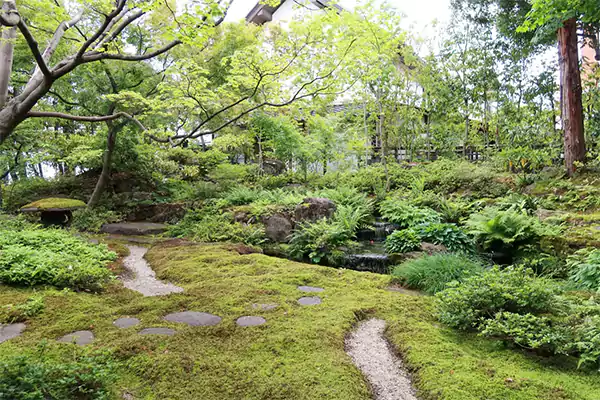
Moss is the most commonly used plant in this garden style. It is also known as koke; moss is used to add texture and color to the garden. These plants look very subtle and grounded, perfectly fitting the minimalist principles of this Japanese garden style. Moss also perfectly contrasts with the white gravel and stone, giving the illusion of a water body. The most commonly used moss for Zen gardens is haircap moss.
2. Bamboo Boundary
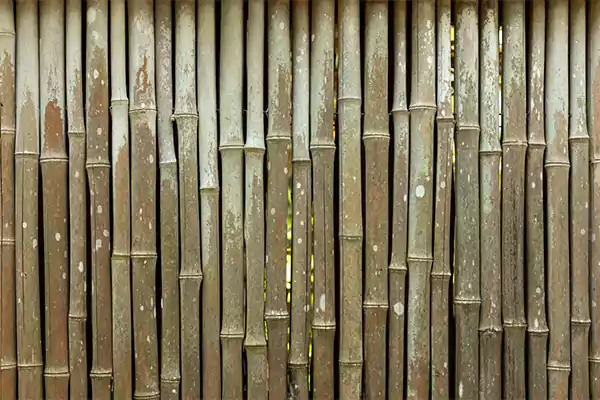
A bamboo fence in Japanese culture is called takegaki. Zen garden design is incomplete without bamboo fencing because it is extremely significant. In Japanese garden design, they are symbolic of the idea of purity, innocence, and good luck. They are also associated with the New Year; hence, their use extends far beyond aesthetic purposes.
3. Water Feature
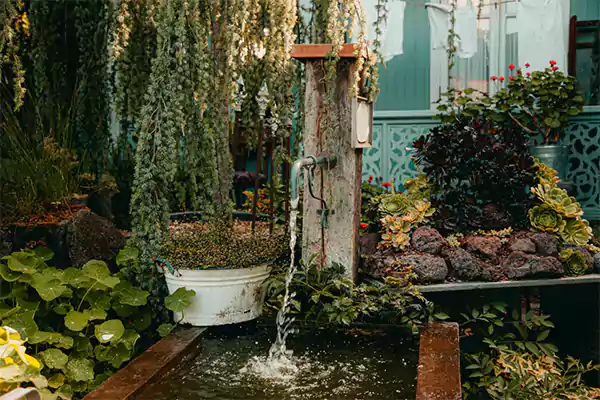
Adding a water feature to the Zen garden gives a more realistic touch to the design. While water is not common in Zen garden ideas, in contemporary garden design, these features play a prominent role. If you have limited space, install a small pond or a bamboo feature with dripping water. Water features also symbolize peace and naturalness, which is one of the core principles of the Zen garden design.
4. Create Pathways
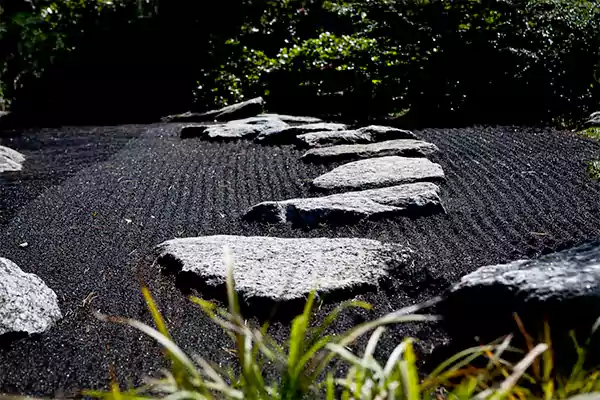
Use some stepping stones to create a small pathway in the garden. Pathways can feel simple yet welcoming. Make sure you use different colored stones. That contrasts well with the already existing rocks and gravel. These pathways can make different parts of the garden and make the different parts of the landscape merge into one.
5. Add a Buddha Sculpture
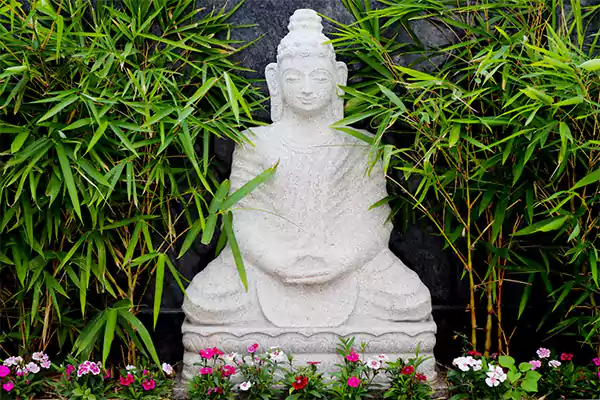
Zen gardens are deeply associated with Buddhism and its teachings. Adding a Buddha sculpture will enhance the vibe of the garden, making it more meditative and peaceful. Zen gardens are a huge part of monasteries in Japan, which makes it even more essential and thoughtful to add a sculpture of Buddha.
How to Make a Zen Garden?
To create a Zen garden, start by selecting a peaceful site, laying the foundation with stones and gravel, and lastly pairing it up with boulders, plants, and statues. As per BBC Gardeners, the Zen garden is based on Buddhist principles. It follows asymmetrical patterns to create harmony among all elements involved.
Step 1: Select a Site
Zen gardens are created for their meditative nature; hence, choosing a site away from the noise works best for the design. The best location is a side yard with low traffic and silence. Make sure the place is not visited often to maintain the tranquility of the place.
Step 2: Prepare the Site
Do not directly lay the foundation on unprepared soil. Using a tiller, turn the soil of the selected location and remove all the weeds. Now, level the soil using a rake to make sure the garden does not develop any bumps.
Step 3: Lay the Foundation
Many gardeners recommend using pebble rugs to lay the foundation of the Zen garden. Gravel is the most commonly used element in these dry gardens, depicting water. Traditionally, sand was used as the foundation of these gardens, but with evolving times, people started experimenting with different materials like wood, moss, and pebble rugs.
Take a look at these steps to add moss to your Zen garden:
- Clear the garden soil by removing all the debris.
- Find a shaded place, as moss prefers partial shade with damp soil.
- Use a sandy, loamy soil and press it with gentle hands to level it properly.
- Now lay the moss sheet and fix the edges to give a more natural look.
- Add the crushed stones/gravel and level them with a rake.
- You can make a pattern of your choice.
- Pair these with large rocks and boulders for stability and proper structure.
Once your base of gravel or moss is down, you can add a stone pathway to bring structure and movement into the layout.
Here is how you can add a pathway to your Zen garden:
- Walk through your garden space and decide where the path should go. Aim for a natural, curved route rather than a straight line. This feels more organic and Zen-like.
- Pick stones that contrast in color or texture with the surrounding gravel or moss, so the path stands out clearly.
- Before placing anything permanently, lay the stones loosely along your planned route to check the spacing and flow.
- Space them a comfortable stride apart, then press each stone firmly into the soil so it sits level and doesn’t wobble underfoot.
- Adjust the path so it links different areas of the garden, helping separate zones feel like one cohesive space.
Step 4: Create a Boundary
Boundaries create a sense of structure and demarcate margins and separate different areas. In Japanese garden design, different kinds of boundaries have varied purposes and names. The one created with bamboo is called takegaki and is the most commonly used fence. Sukashigaki is a see-through fence. Boundaries are also essential to segregate the Zen garden from the rest of the area and also demarcate different parts of the garden.
Here is a step-by-step guide on how to add a bamboo boundary to the garden:
- Measure the boundary and mark the area where you wish to install the bamboo fence.
- Select the bamboo type according to the fence type you are aiming for.
- Now, using stakes or posts, secure the bamboo poles in the designated area.
- Use rope or barbed wire to secure the grip, and you are good to go.
Step 5: Collect the Necessary Items
Zen gardens are built on 3 core elements: stones and rocks, water, and plants, along with wooden decks and water features. A water wave would be a new addition to the garden design. While traditionally, water was not a part of Zen gardens, in modern landscape designs, water features are commonly used to create a balanced, natural look.
Bonsai, moss, sedum, and bamboo are the best plants used in a Zen garden. Along with this, you can collect some garden accessories such as lanterns, statues, and evergreen shrubs.
Here is how you can add a garden accessory like a water feature to your garden:
- Select a water feature type that suits your garden aesthetic. I would suggest a bamboo feature.
- Now set up a small water basin or a fountain to collect water.
- Connect the bamboo fountain to a pump and fill the basin.
- Pair them well with plants and rocks for a realistic look.
Along with a water feature, a Buddha sculpture is one of the most meaningful additions to a Zen garden, reinforcing its meditative character.
- Walk through your garden and identify a spot that naturally draws the eye, near the water feature, at the end of the pathway, or at the center of the layout.
- Pick a Buddha statue in a size and material (stone, concrete, or resin) that matches the scale and aesthetic of your garden.
- Clear the chosen spot of debris, and level the soil or gravel so the statue will sit stable and upright.
- Place the statue on its base, angling it so it faces a natural viewpoint, such as a path or seating area.
- Pair the sculpture with plants, moss, or small stones around its base to help it blend naturally into the garden rather than looking placed on top.
Important Elements of a Zen Garden
Sand or gravel, rock and stones, wooden decks, and water features are some important elements of the Zen garden. This, along with plants, helps to create a peaceful retreat with less effort.
Take a look at these core elements of the Zen garden:
1. Sand/Gravel

Gravel or crushed stone is the most commonly used material in the Zen garden. These stones are used to add the flowing water elements in the garden, replicating an ocean or a lake. While modern Zen garden ideas do incorporate water features like ponds, gravel is the core element of the Zen garden design, which does not involve water.
YourHomify Tip
For an accurate measurement, use 2.5 mm-6 mm stone particles for the best look.
2. Rocks and Stones
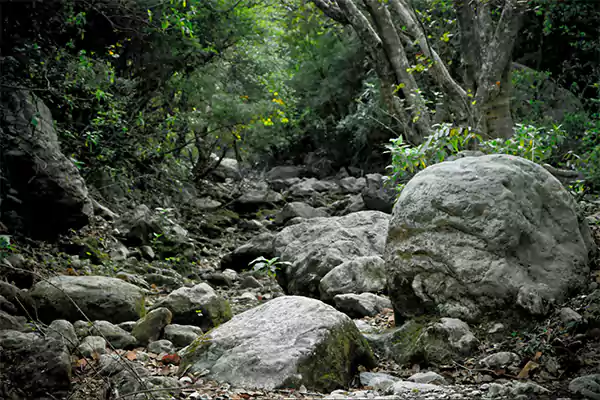
Boulders and large rocks are also commonly used in Zen garden ideas as focal point decor. The huge statue of these elements symbolizes grounding, stability, and stillness, which is also one of the principles of the Zen garden designs. Like gravel is used to depict flowing water, rocks and stones are used to depict mountains, creating a natural landscape with simple elements.
The most commonly used stones in the Zen garden are basalt, granite, and limestone.
3. Plants
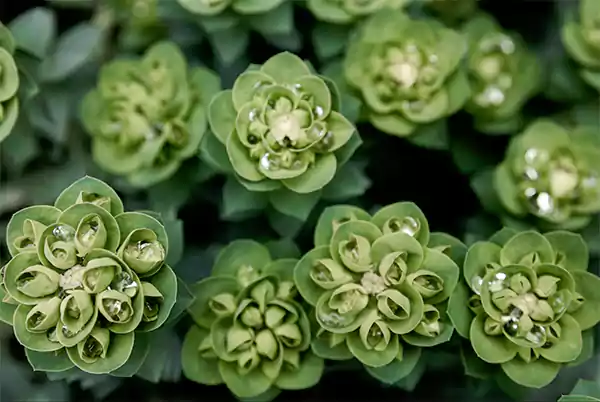
The Zen gardens do not traditionally feature a lot of plants or flowers. It is only focused on creating a serene, natural environment. The most commonly used plants are azalea, bamboo, sedum, moss, and bonsai trees. Plants like moss and sedum act like a perfect ground cover. The main purpose of these species is to add greenery and texture to the space.
4. Wooden Decks
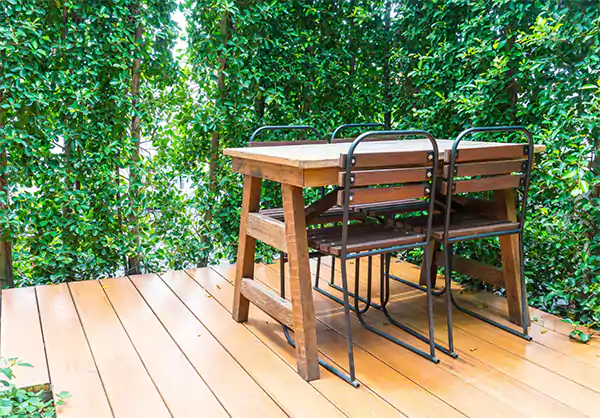
Wooden decks are another important element of the Zen garden ideas. This simple raised platform is created to provide a separate space for meditation. You can decorate these wooden decks with tables, chairs, lanterns, and plants. This helps make the space more peaceful with various uses.
5. Water Feature
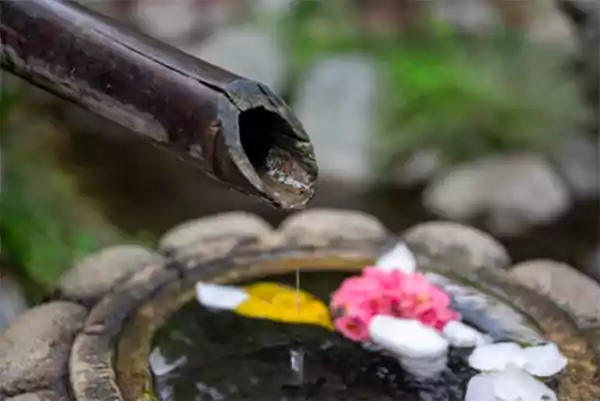
The water feature in the Zen garden is a symbol of the flow of time and life. Traditionally, Zen gardens did not include water features, but with changing times, gardeners added small ponds and bamboo features for an added natural element.
The sound of water helps calm anxiety and maintain focus away from all the noise.
Concluding Remarks
Zen garden is a Japanese garden design used to create a peaceful, meditative space that utilizes 3 core elements: sand/gravel, stones and rocks, and plants, along with modern additions like water features and wooden decks. While traditional Zen gardens, which are inspired by the principles of Buddhism, do not have water, modern designs have incorporated water features like ponds and bamboo features.
My advice to a novice gardener creating a Zen garden would be to start small and to pre-decide the design to avoid any last-minute mess.
FAQs
What are some beginner Zen garden designs?
Some of the best beginner Zen garden designs are a moss garden, a Buddha sculpture, and a pathway Zen garden.
What are the design principles of Zen garden design?
The Zen garden is based on these 7 principles: asymmetry, naturalness, austerity, unconventionality, stillness, subtlety, and simplicity.
How do I make my own Zen garden?
To create your own Zen garden, select a site, clean it by removing debris and laying a weed-suppressing mat, then add stones, gravel, some plants, and other accessories as per your design.
How do I create a pattern in a Zen garden design?
You can create a Zen garden design using a garden rake. Many gardeners use this tool to create a pattern on the gravel.
What plants are best for the Zen garden?
Zen gardens generally do not include plants, but if necessary, some good options are azalea and bamboo.
- 12 Zen garden ideas for a relaxing outdoor space– BBC Gardeners World