Every time I bring home fresh flowers, my cat, Billy, reaches them before I even find a vase. That’s when I realized I couldn’t just buy pretty plants anymore—I needed cat safe flowers.
Now I decorate my space and garden thoughtfully, choosing blooms that look beautiful and keep my curious little fur baby completely safe. In this guide, I have shared all the safe picks that I have personally grown in my garden and that are totally pet-friendly!
Why Choosing Cat-Safe Flowers Matters?
Choosing cat-safe flowers matters because many common plants and bouquets can be toxic to cats, even in small amounts. Cats are naturally curious and may chew on leaves or petals of a toxic bloom or rub against arrangements. If the flowers are harmful, this normal behavior can be dangerous.
Many popular flowers, like chrysanthemums, lilies, tulips, and daffodils, can cause serious health issues such as kidney failure or irregular heartbeat even if a small amount of pollen is ingested.
15 Cat Safe Flowers That Are Non-Toxic and Easy to Grow
Let us quickly explore some of the best cat safe flowers that you can grow both indoors and outdoors. These blooms allow you to enjoy fresh fragrance and vibrant colors without any fear of your cat being harmed.
Roses (Rosa)
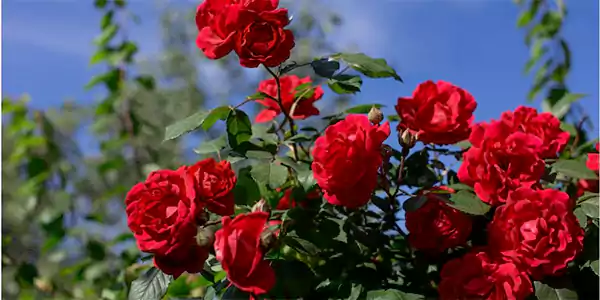
Rose is one of the safest flowers for cats and dogs. The thorns can cause mild irritation, but the leaves and blooms are generally non-toxic. Whether it’s yellow roses or any other color shade, you can easily incorporate them into floral arrangements.
Gerbera Daisy (Gerbera jamesonii)
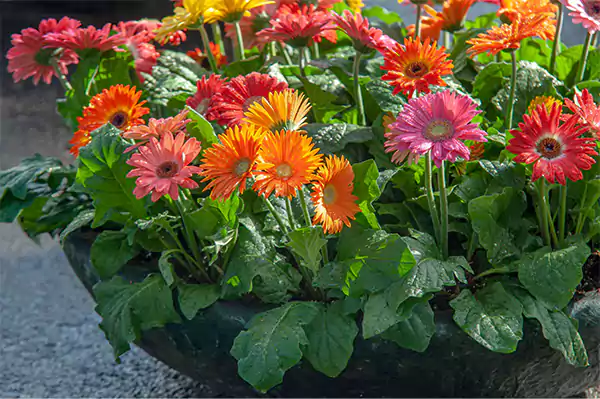
Gerbera Daisy is a vibrant, cheerful, and most importantly, cat-friendly flower. Often found in stunning shades of pink, red, yellow, and orange, these spring flowers have a longer vase life. According to ASPCA, this perennial bloom is also safe for dogs and cattle and can be grown outdoors.
Orchids (Orchidaceae)
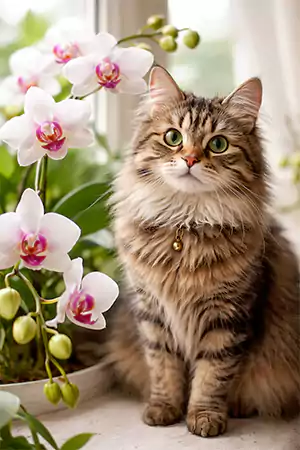
Orchids, especially certain varieties, are said to be non-toxic to cats and dogs. If your pet nibbles the entire plant, it might experience temporary stomach problems such as indigestion or gastric issues, but in general, the plant is safe to add to your indoor settings.
Since it’s a low-maintenance bloom, for me, these are perfect when I want to add beauty to my living area without extra stress.
Sunflowers (Helianthus annuus)

Bright and cheerful yellow flowers, sunflowers, instantly uplift my mood and my garden space. Luckily, these also come in my cat safe flowers list. Even if my cat brushes against the bloom or chews down its leaves, there is no toxicity concern. These also last long in vases, hence they are a practical addition too.
Snapdragons (Antirrhinum)
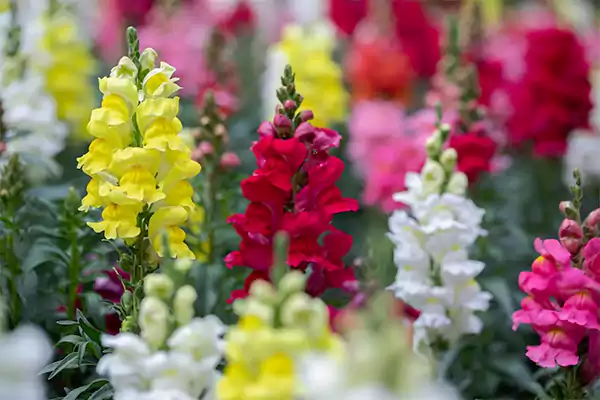
When I wish to give my garden or indoor space a summer feel, snapdragons come first to my mind. I feel relaxed knowing they are pet-friendly and non-toxic to both cats and dogs. Their tall flower spikes add height and texture to bouquets. They are both decorative and low-maintenance, making me stress-free.
Zinnias (Zinnia elegans)
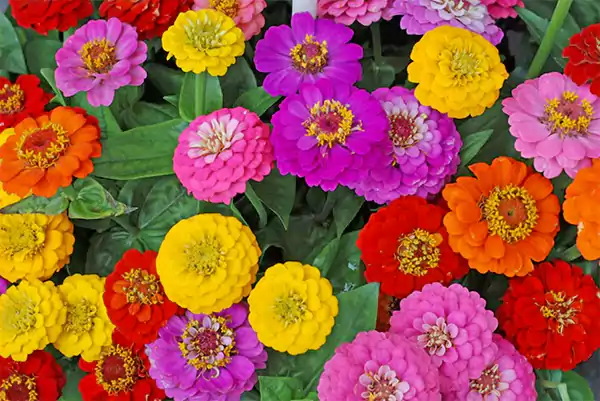
Zinnias are low-maintenance and super colorful, which fits them perfectly into my busy routine.
The fact that they bloom profusely and are safe for cats encourages me to grow them in my little balcony garden. If you are looking for smart ways to elevate your home space, adding Zinnias can be an excellent option.
Marigold/Calendula (Tagetes)
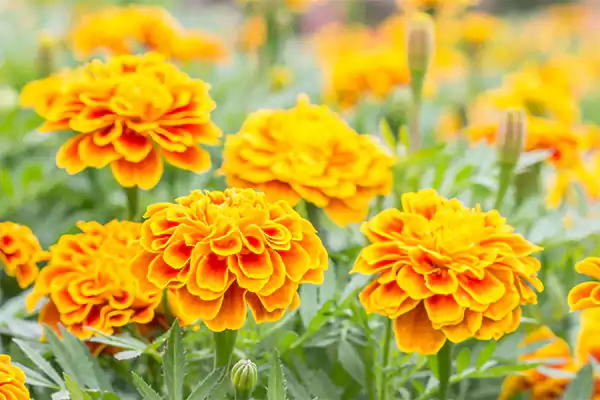
Calendula flowers are a variety of Marigolds that generally have flavorful and edible leaves. This medicinal plant is not only safe for cats and dogs but is also prized for its anti-inflammatory and anti-bacterial qualities.
For me, this is a decorative and functional plant that offers seasonal beauty.
Petunias (Petunia × hybrida)
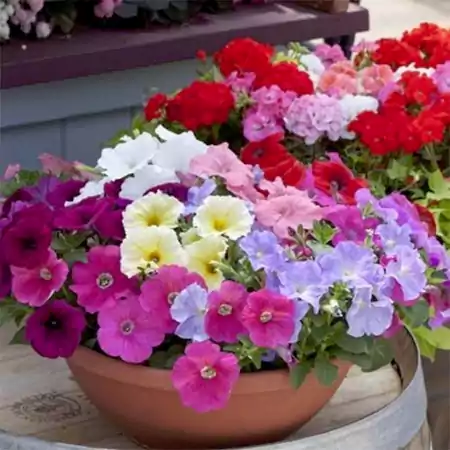
Petunias are extremely easy-going plants and can be easily grown in ceramic planters or any plastic containers. This flower that starts with the letter P belongs to the nightshade family and is completely safe for pets. I have intentionally placed the pot where my cat, Billy, likes to sit and watch birds.
Camellias (Camellia sinensis)
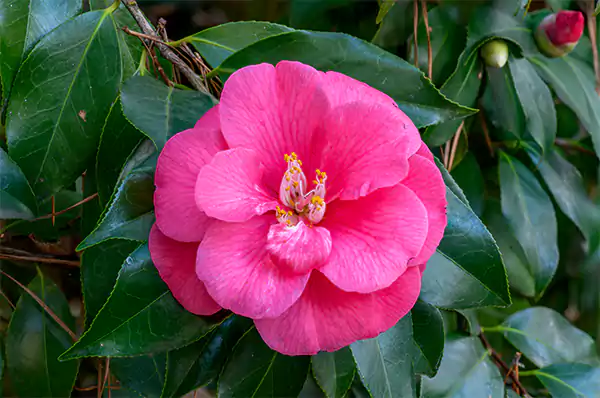
Camellias have a luxurious look with their rose-like blooms. I have a Middlemist Red Camellia in my front lawn, and the fact that it is one of the flowers safe for cats and dogs excites me even more. While the genus is safe for pets, make sure they do not nibble on the entire plant, as its leaves can cause blockage in the intestine.
Impatiens (Touch Me Not)
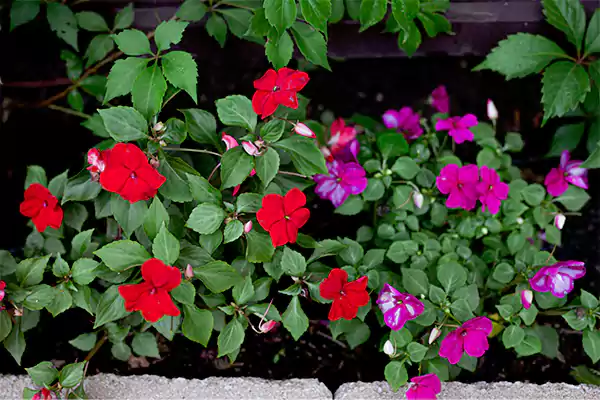
Ideally used as an indoor hanging plant, Impatiens can be grown easily. These are also said to brighten any shaded corner, and their delicate blooms are completely pet-safe. If you are a beginner gardener looking for minimal upkeep plants, adding Impatiens can be a practical decision.
Freesia (Freesia spp.)
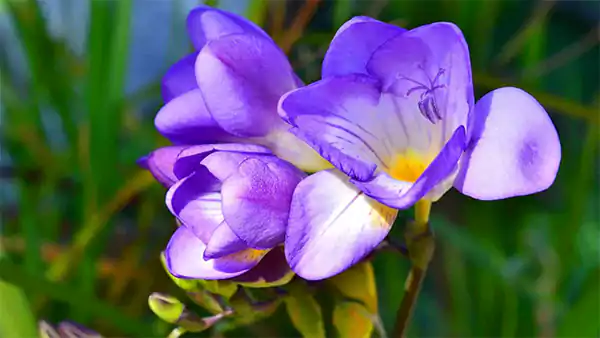
Freesia flowers smell amazing and add a sweet fragrance to my room. Thankfully, they are non-toxic to cats, so I can enjoy the scent stress-free. Moreover, its delicate blooms look absolutely stunning and graceful in floral arrangements. These are one of my favourite indoor plants.
Wax Flower (Chamelaucium)
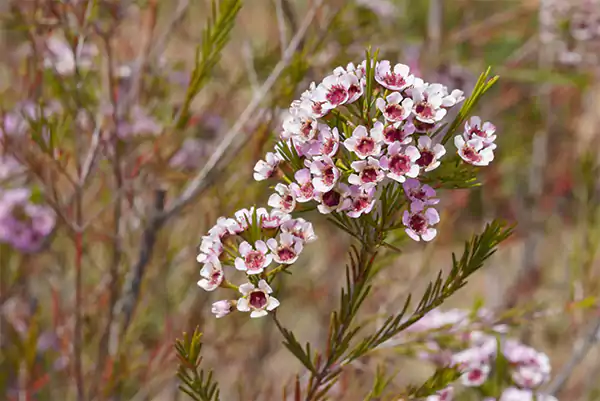
Wax flowers are tiny but elegant-looking pink flowers that are used as fillers in bouquets. I often use them to add charm and texture to my floral designs. Apart from being safe for cats and dogs, they are very long-lasting. For me, these are perfect when I am looking to add something subtle yet pretty.
Lisianthus (Eustoma)
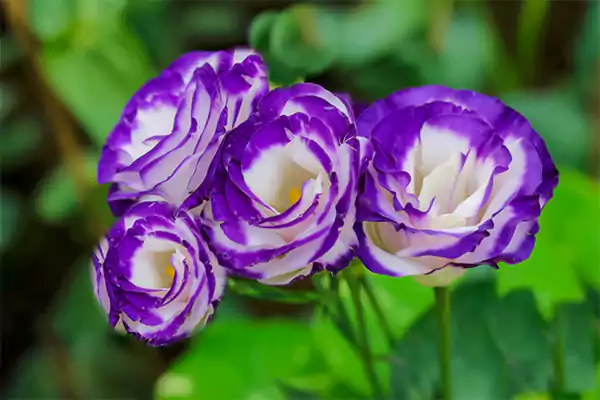
Lisianthus looks like roses but feels even lighter and more delicate. I choose them for dreamy setups without worrying about Billy eating them. They last longer in water and can be used for both romantic and modern decor. For me, this genus has always been a safe and stylish option.
Asters
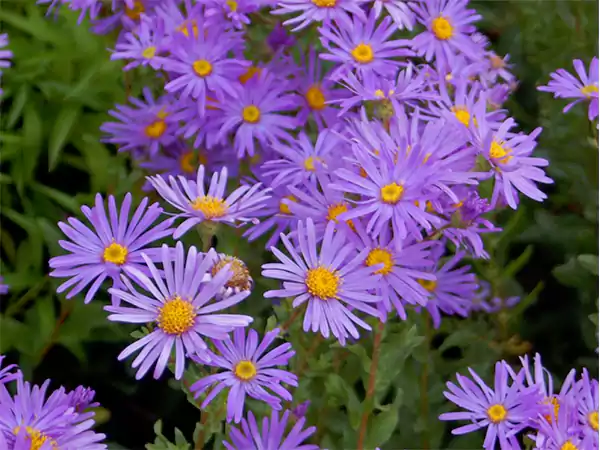
I always used to wonder why Aster is appreciated by gardeners, botanists, and florists alike until I got one at home. Widely known for its colorful blooms and attractive aroma, this cat-friendly bloom can be an excellent addition to any landscape. I love the fact that they do not demand any special care.
African Violets (Saintpaulia)
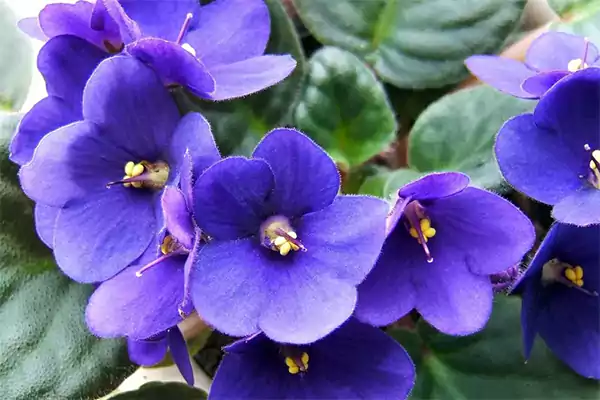
To me, African Violet has been the ultimate beauty plant. Apart from being a stunning decorative bloom, the medicinal properties that its leaves hold are truly commendable. Being an excellent pet-friendly indoor plant, this genus is often used for luxury home decor.
One thing I am sure of now is that I don’t have to choose between loving my flowers and protecting my cat. By picking any of the above pet-safe blooms, I can decorate my home or garden space with confidence and peace of mind.
Some More Flowers That Are Toxic to Cats
Here is an extended list of flowers that are toxic to cats.
- Dense Blazing Star: This genus is generally considered toxic for cats as it can cause mild gastrointestinal issues. While not highly dangerous, chewing on its stems or flowers can cause vomiting or excessive drooling in sensitive pets.
- Lilies: Lilies are extremely toxic to cats and can cause acute kidney failure, even in small amounts. Ingesting petals, leaves, or pollen, or even drinking vase water, can be life-threatening. Immediate action and early treatment can improve the survival chances.
- Crocus: Crocus can be toxic for cats and dogs, depending on the species you are planting. Autumn crocus is mainly dangerous and can lead to serious symptoms like organ damage. If you notice gastric issues, vomiting, or diarrhea, seeking veterinary advice can be beneficial.
- Daffodils: Daffodils, also known as march birth flower, if ingested, can cause abdominal pain in pets. The bulbs of the genus are specifically dangerous due to high toxin concentration. In some cases, even sniffing these blooms can cause irregular heartbeat or breathing difficulties.
- Monstera: Monstera (Monstera deliciosa) is toxic to cats due to insoluble calcium oxalate crystals found in its leaves and stems. Chewing on the foliage of this genus can cause oral irritation, drooling, vomiting, and can even lead to organ failure.
If you notice that your pet has ingested any of the above flowers, it is ideal to take immediate action.
How to Keep Your Cat Away from Flowers?
Here are a few methods that you can follow to keep your cat away from toxic flowers.
- Spray flowers with citrus-based scents, or you can also consider keeping orange peels around the flowerpots.
- Store the containers on high, isolated shelves to keep toxic blooms unreachable by your pet.
- You can also consider growing cat grass or catmint nearby to distract them from your arrangements.
- Using physical obstacles like chicken wire, plastic fencing, or prickly materials can also be an ideal solution.
It is crucial to keep your pets away from any toxic plants, whether indoors or outdoors, to protect their health.
What to do if Your Cat Has Eaten Toxic Flowers?
As a cat parent, nothing scares me more than realizing my curious little explorer has chewed on the wrong plant. Cats usually nibble leaves unexpectedly, and some flowers can be dangerous for them.
Instead of panicking, here are some steps that you can personally follow if your furry friend ever ingests a toxic flower.
- Don’t wait to see what happens, act first and fast. Gently remove and take away the plant so that your cat doesn’t eat more of it. Check the floor for any fallen leaves.
- Try to identify the plant. If your furry friend has puked up some remains, try to save the sample or note the name of the plant that your pet ingested. This will help the vet to give the right treatment.
- Look closely for signs. Watch for symptoms like vomiting, excessive drooling, diarrhoea, licking, lethargy, trouble breathing, or loss of appetite. Even mild symptoms would matter in such cases.
- Do not try home remedies or search for an answer on the internet. Some toxins act fast. Take your cat to a vet or call the animal poison helpline for immediate action.
Now that you have learned the lesson the hard way, it is ideal to make your home safer for the future by removing toxic flowers like lilies, tulips, daffodils, aloe, etc.
Try investing in cat-safe plants and keep bouquets strictly out of reach. You can also consider growing pet-friendly grass for their chewing, so that they do not nibble on any other plant.
Conclusion
At the end of the day, I would rather not stress every time my cat walks past a plant. Opting for cat safe flowers gives me peace of mind and allows me to maintain the aesthetic of my space without much worry.
Now I decorate my living room and front lawn freely, knowing my space is beautiful, cozy, and completely safe for Billy.
What flowers are safe for cats?
Aster, Roses, Gerbera Daisies, Orchids, and Petunias are some pet-friendly flowers that you can grow both indoors and outdoors.
Which flowers are extremely toxic to cats or dogs?
Peonies, Daffodils, and Tulips are said to be extremely toxic for cats and dogs. Its leaves or blooms can cause severe gastrointestinal issues or irregular breathing.
Are cat safe flowers completely risk-free?
No. Even cat safe flowers are not completely risk-free
Are chamomile flowers safe for cats?
Chamomile is generally considered toxic for cats. Some varieties of chamomile flowers are not safe for cats and can cause indigestion, vomiting, diarrhea, and anorexia.