


We all get sick once in a while. Even getting a fever is enough to slow us down. So, what if I say you can grow the cure to your illness in your own garden?
Yes, that’s true! The world is full of medicinal plants that act as a natural remedy for most diseases. And some of them are so small that you can easily plant them at home.
In this article, I’ll be talking about various plants in this category and their uses. Browse through the whole catalog of medicinal plants names and pictures.
A Glimpse into Medicinal Plants
For a long period, medicinal plants have been used to aid people with different illnesses and diseases. Some plants have proved to be the antidote to even the worst of ailments like cancer and asthma.
These herbal remedies are what lay the basic foundation of every medicine you can find on the market. Even in history, when tablets and pills didn’t exist, medics used the supplements of these plants to treat patients.
Fun Fact!: Chili, the most general food item, is also a medicinal plant! It has been used as an ingredient in pain relief ointments. Moreover, it contains capsaicin, an element that dissolves blood clots in the body.
Furthermore, with every passing year, new plants are being discovered by scientists and researchers. On the other hand, the historic herbs still lay intact in the books of medicine.
So, cutting to the heart of the matter, let’s explore the vast list of medicine plants name with their pictures.
Top 10 Medicinal Plants Names With Pictures
Here’s a quick medicinal plant chart to introduce you to the rulers of the medicinal industry. These 10 medicinal plants in India hold their names in the history of Ayurveda science.
Holy Basil
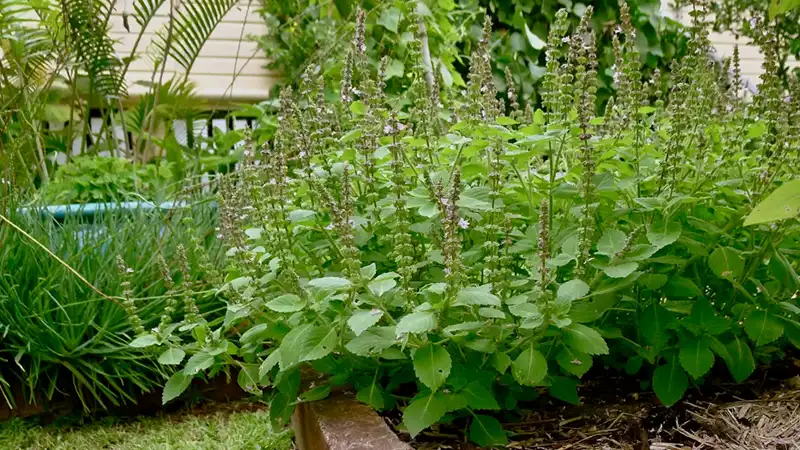
Native to India, Holy basil is a sacred plant having both medicinal properties and spiritual beliefs. The leaves contain nutrients like Vit A & C, calcium, iron, and zinc. Moreover, the plant also has anti-oxidant and anti-depressant properties. A completely different basil from its genus, this plant requires safety from excess humidity.
| Scientific Name | Ocimum tenuiflorum |
| Soil requirements | Rich sandy or loamy soil |
| Sunlight Exposure | Plenty of direct sunlight |
| Watering Schedule | In summer, water twice a day. In winter, only water once. |
| Major Applications | Reduces blood sugar, inflammation, and stressTreats bronchitis, malaria, diarrheaLeaves are used to produce pills, ointments and essential oils. |
Aloe Vera
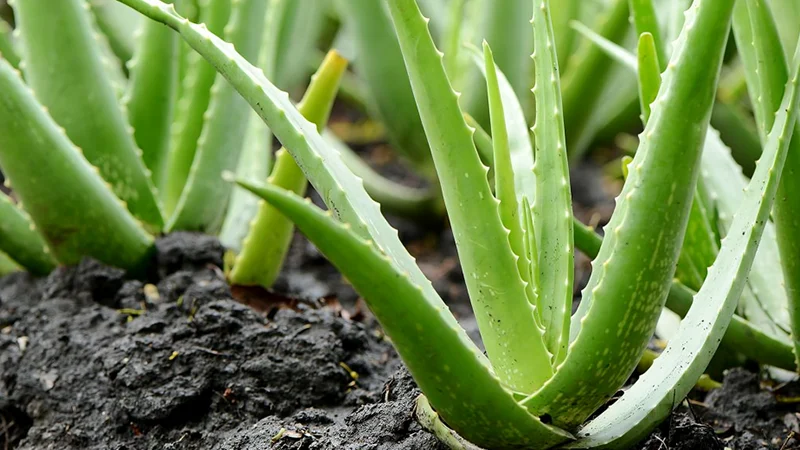
Originated in the Arabian Peninsula, Aloe vera is an evergreen succulent of the genus Aloe. Now grown all around the world, it quickly gained popularity with its abundance of medicinal properties. Not just in the wild, these fleshy plants can be successfully grown indoors in a pot. While being Anti-oxidant and antibacterial, they contain Vit A, C, E & B12. Being a succulent, Aloe vera prefers dry conditions and can tolerate infrequent watering.
| Scientific Name | Aloe vera |
| Soil requirements | Well drained, cactus mix soil |
| Sunlight Exposure | Prefers bright, but indirect sunlight |
| Watering Schedule | In summers, water twice a week. In winters, only water once. |
| Major Applications | Treats sores, wounds, and cutsHeals second-degree burnsReduces dental plaque |
Fenugreek
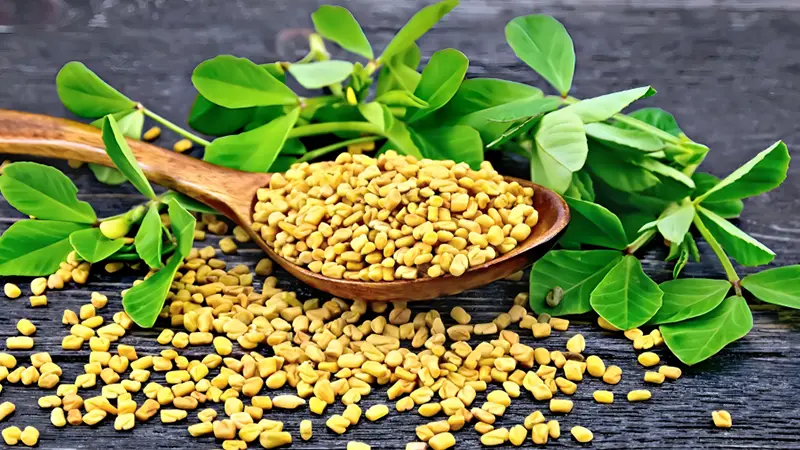
Fenugreek is an annual plant cultivated worldwide as a semi-arid crop. Beside being used as a food ingredient, it is anti-diabetic and antioxidant. Plus, regular consumption of fenugreek seeds helps prevent cancer. This distinct plant should only be grown first handed in a place, either in ground or a pot. If transplanted, it usually doesn’t last.
| Scientific Name | Trigonella foenum-graecum |
| Soil requirements | Well drained, loamy soil |
| Sunlight Exposure | Requires 4-5 hours of direct sunlight |
| Watering Schedule | Water once a day |
| Major Applications | Lowers blood sugar and cholesterolAlleviates menstrual cramps |
Calendula
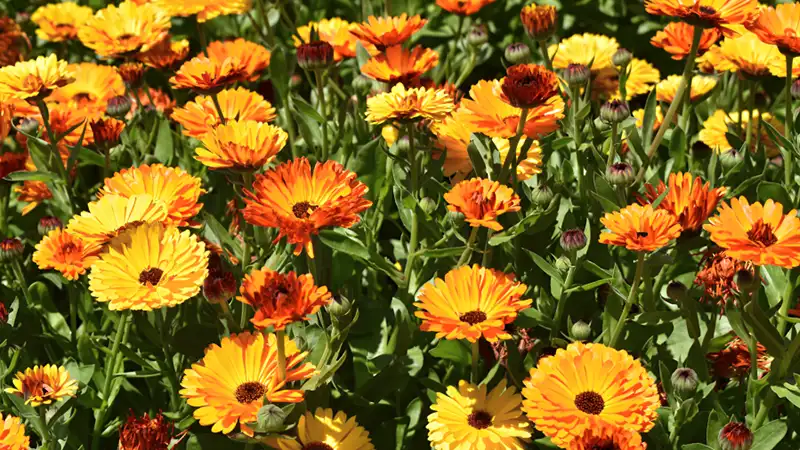
The flavorful leaves and edible flowers of Calendula add vibrancy to summer salads. Its antibacterial and anti-inflammatory qualities are prized for their ability to soothe and restore skin. This is why the daisy-like flower is often used in salves, lotions, and balms. This hardy annual stands an impressive 18 to 24 inches tall, so you can enjoy its beauty all season long. However, you are recommended to plant it during spring in a regular pot.
| Scientific Name | Calendula officinalis |
| Soil requirements | Rich, well-drained loamy, or sandy soil |
| Sunlight Exposure | Prefers direct sunlight but wilts during intense temperatures |
| Watering Schedule | Water when top 1 inch of soil is dry. |
| Major Applications | Fights inflammation, viruses, and bacteriaHelps with wounds, rashes, infectionsDecreases swelling in the mouth and throat |
Neem
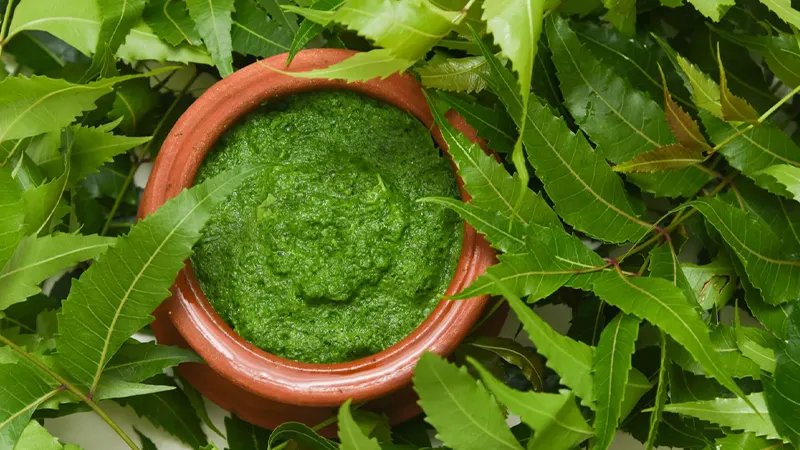
Also known as Nimtree or Indian Lilac, Neem is mostly found in the parts of Southeast Asia. The tree easily became famous for fruits and seeds that produce an essential oil called neem oil. It fosters antifungal, antibacterial, antiviral, and antioxidant properties. When grown in a normal atmosphere, Neem thrives in dry soil, needing less water.
| Scientific Name | Azadirachta indica |
| Soil requirements | Sandy, alkaline, best grows in black cotton soil |
| Sunlight Exposure | Requires abundant, bright, and direct light |
| Watering Schedule | In summer, water twice a week. In winter, only water once. |
| Major Applications | Treats inflammation, ulcersHelps with malariaFights several skin diseases |
Thyme
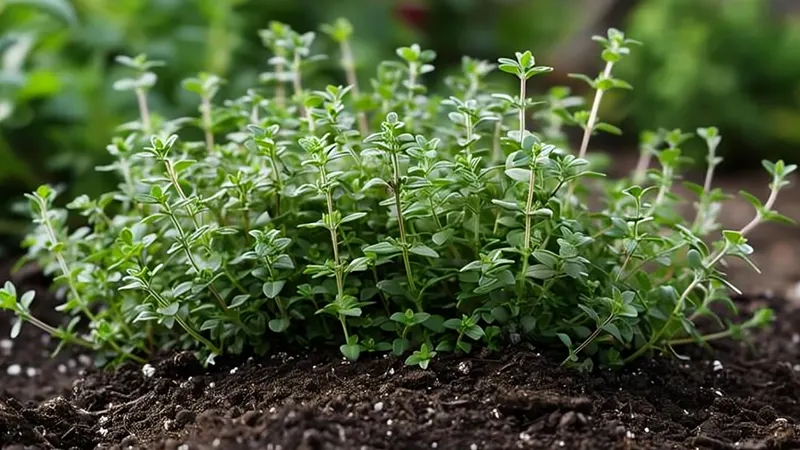
Native to the Mediterranean region, Thyme is most frequently grown to be used in cooking. Besides being an ingredient, they make a great anti-oxidant and antibacterial herb. It is usually planted in the spring through seeds or cuttings, and grows as a perennial thereafter. However, these plants need to be trimmed once in a while.
| Scientific Name | Thymus vulgaris |
| Soil requirements | Doesn’t like highly rich soil |
| Sunlight Exposure | Plenty of direct sunlight |
| Watering Schedule | Water once in a week |
| Major Applications | Helps with blood pressureCombs anxiety and stressTreating acne and fungal infectionsMaintains healthy teeth and gums |
Peppermint
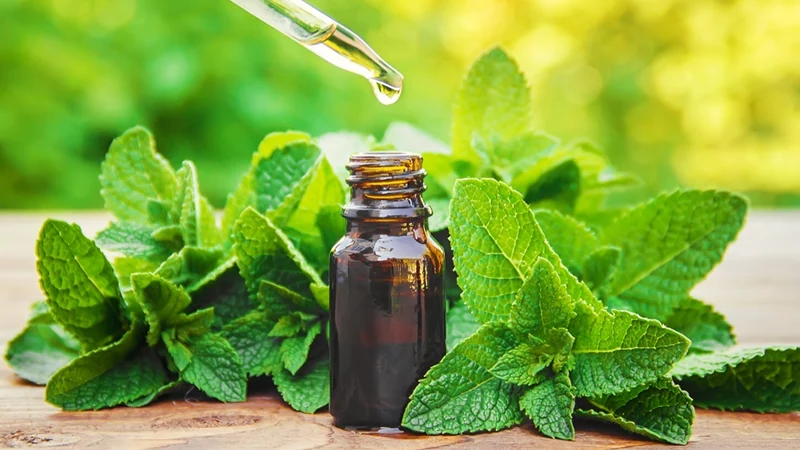
Peppermint is a hybrid mix of two mint species – watermint and spearmint. Originating in Europe, this plant typically grows in a very moist environment. Having antibacterial, antifungal, and antiviral properties, they are prominently used in the medicine industry. Peppermint should be planted in a shaded area using a cutting from an old plant.
| Scientific Name | Mentha piperita L |
| Soil requirements | Rich, peat-free soil |
| Sunlight Exposure | Prefers full exposure to sunlight |
| Watering Schedule | Water when top 1 inch of soil is dry |
| Major Applications | Helps with digestion, clogged airways, and headacheActs as a mouth freshenerImproves concentration capacity |
Rosemary
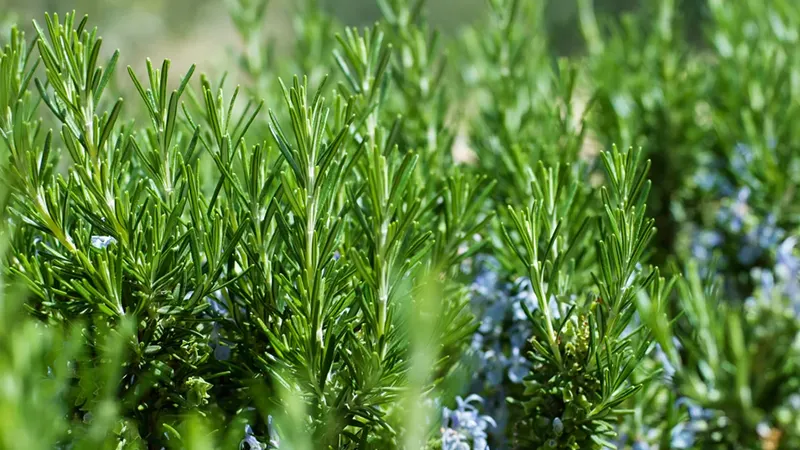
Commonly referred to as rosemary, Salvia rosmarinus is an evergreen shrub with needle-like leaves and fragrant flowers. They come in a multitude of colors ranging from white, pink, purple, and blue. Although it is native to the Mediterranean region, it can withstand some cold temperatures. Similar to other plants in this list, it has antimicrobial, anti-oxidant, anti-inflammatory,
| Scientific Name | Salvia rosmarinus |
| Soil requirements | Well-drained, loamy, slightly acidic soil |
| Sunlight Exposure | Needs bright sunlight with no shade |
| Watering Schedule | Requires water once a week |
| Major Applications | Fights fungal infectionsImproves immune system |
Amla
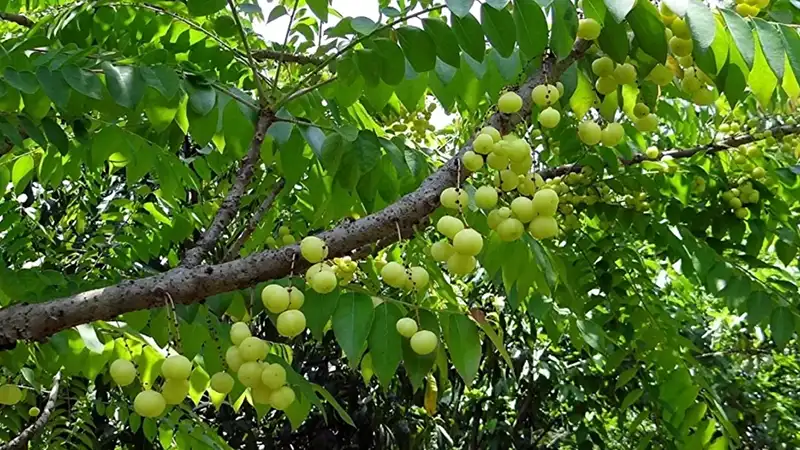
Amla, also called the Indian gooseberry, is known for its nutritious fruit. It is a deciduous tree famously found in tropical regions, especially Southeast Asia. Both the fruit and the leaves foster antibacterial and anti-inflammatory components. Plus, it contains a high amount of Vitamin C and ellagitannins, which leads to a slightly bitter taste.
| Scientific Name | Phyllanthus emblica |
| Soil requirements | Requires well-drained, loamy soil |
| Sunlight Exposure | Prefers full sun exposure |
| Watering Schedule | Water once in 2 days |
| Major Applications | Helps with diabetesFights cold and coughImproves immunity, skin, and hair |
Lemongrass
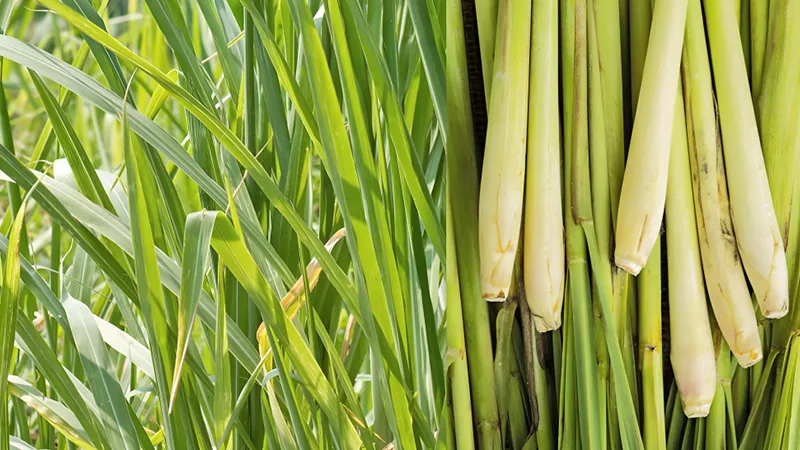
Also known as Citronella grass, Lemongrass is commonly cultivated in tropical areas as a culinary and medicinal herb. These species produce citronella oil, which is used in aromatherapy and mosquito repellents. Citronella’s main chemical components, geranyl, and citronellal, are antiseptics, which explains why several soaps and household disinfectants include it in their formula.
| Scientific Name | Cymbopogon citratus |
| Soil requirements | Well-drained, sandy or loamy soil |
| Sunlight Exposure | Plenty of direct sunlight |
| Watering Schedule | Water once in a week |
| Major Applications | Helps with inflammation and fungal infectionsPrevents heart diseases |
Needless to say, many of these plants foster high antioxidant properties, that can help in keeping your body radical-free. However, always remember to get rid of gnats in plants to keep them healthy.
Following that, let’s widen our scope and discover the different marvels of nature that have been helping mankind for a long time.
100 Medicinal Plants and Their Uses With Pictures
Cutting to the chase don’t wait further and dive into this list of medicine plant names with their assigned applications. To give you a sneak peek, I have added an image right beside it.
| S. No. | Plant Name | Applications | Image |
| 1 | Chamomile | Improves digestiImproves digestion Relieves stress Cures body ache | 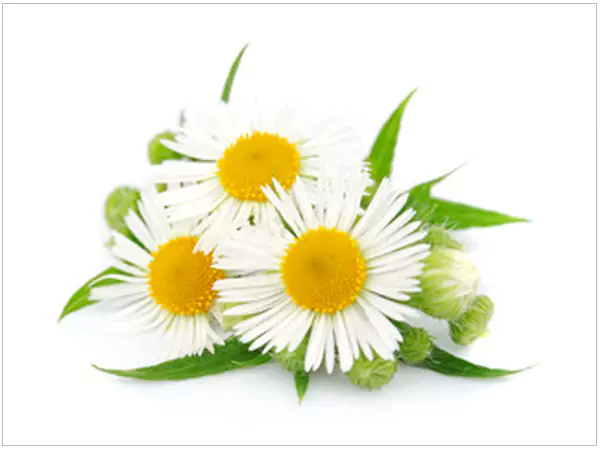 |
| 2 | Lavender | Helps Insomnia Treats sunburns Reduces acne | 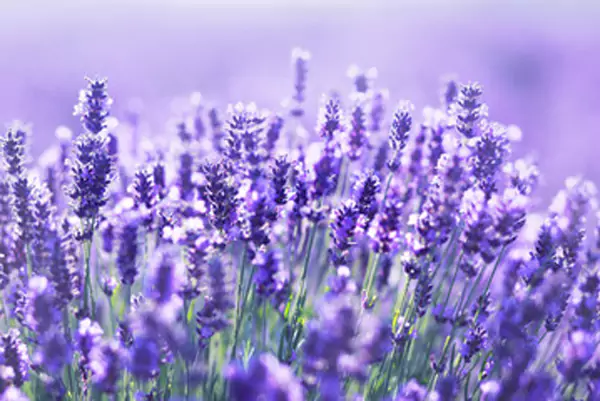 |
| 3 | Sage | Treats indigestion Liver complaints Skin infections | 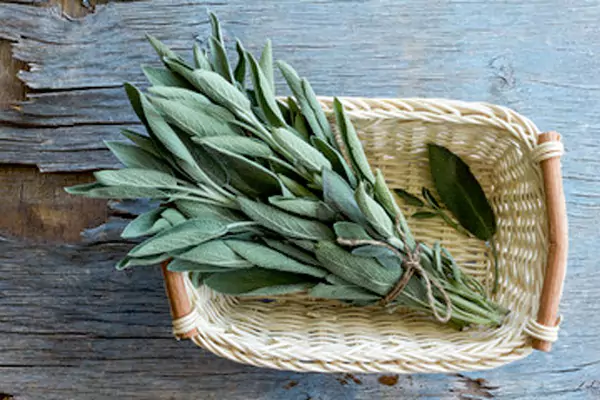 |
| 4 | Lemon Balm | Mosquito repellent Cures cold and fevers Helps in hyperthyroidism | 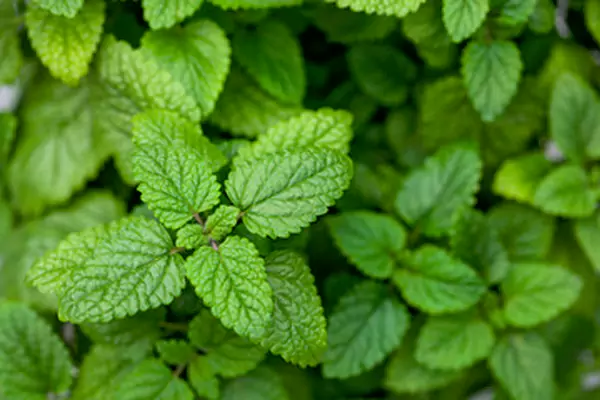 |
| 5 | Stevia | Natural sweetener Helps diabetes | 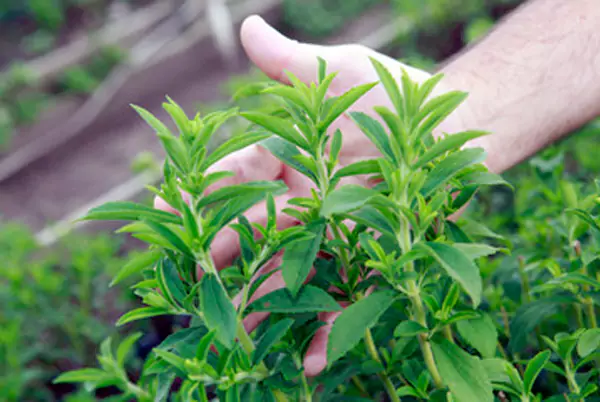 |
| 6 | Ashwagandha | Pain reliever Regulates blood sugar Improves eyesight | 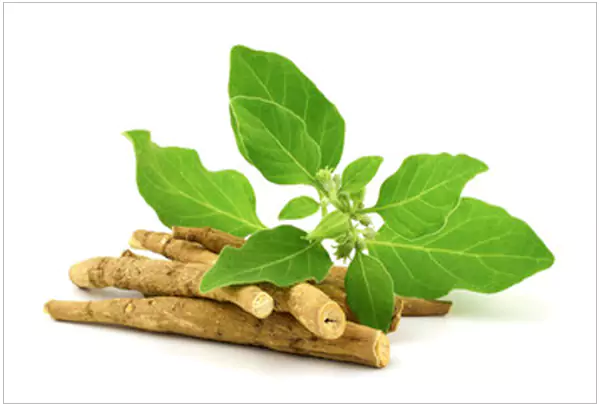 |
| 7 | Costus | Lower blood glucose levels | 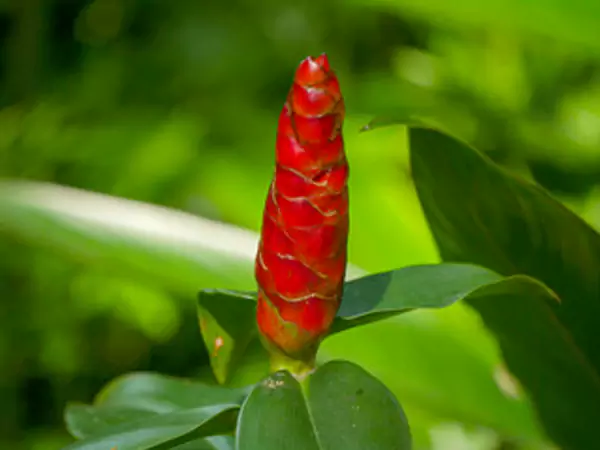 |
| 8 | Globe Artichoke | Improves liver Lower cholesterol Treats jaundice and hepatitis | 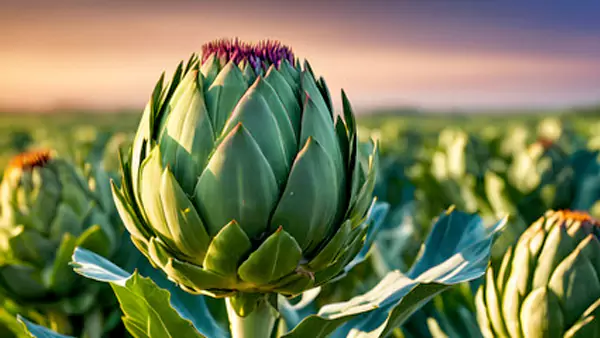 |
| 9 | Great Burdock | Helps burns and bruises Prevents acne | 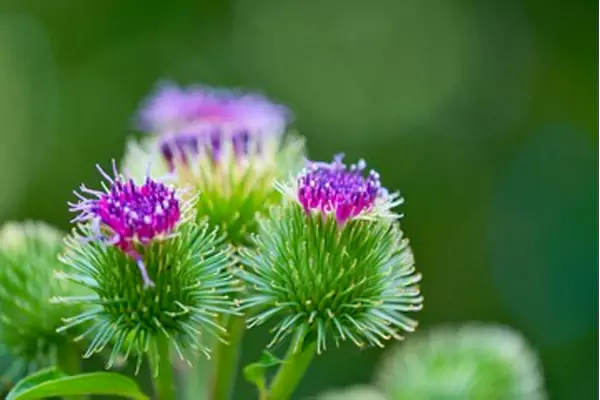 |
| 10 | Acai | Prevent cell damage Reduce swelling Lower blood sugar level | 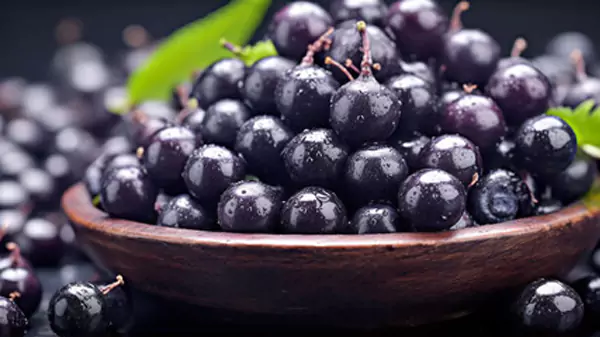 |
| 11 | Sea Buckthorn | Relieves cough Aids digestion Treats arthritis | 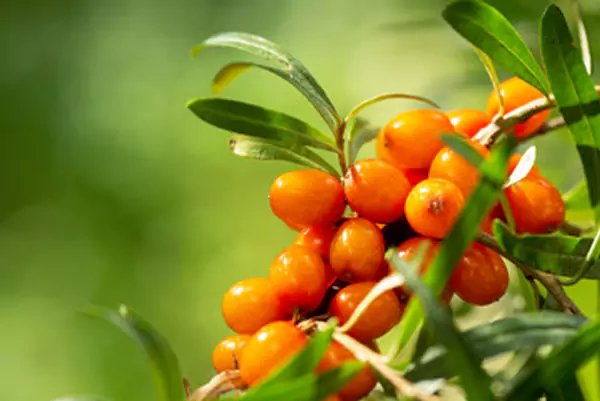 |
| 12 | Bryophyllum | Helps diabetes Cures rhematic pains Removes urinary stones | 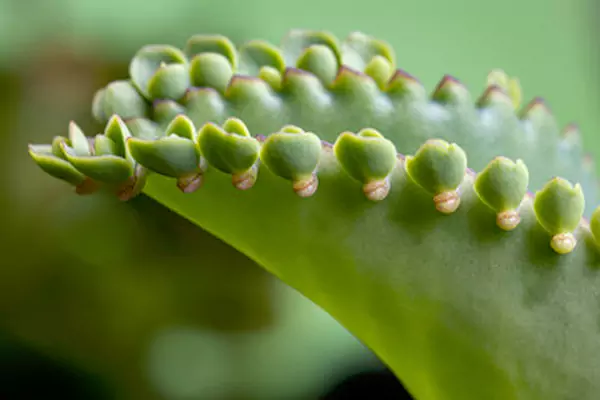 |
| 13 | Abscess root | Reduce fever, inflammation, and cough | 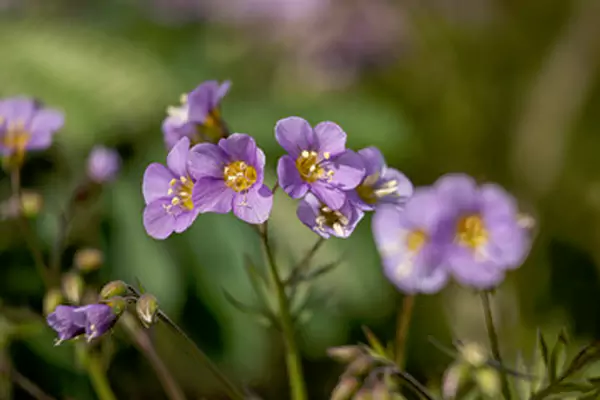 |
| 14 | Alfalfa | Lower cholesterol Kidney and urinary tract ailments | 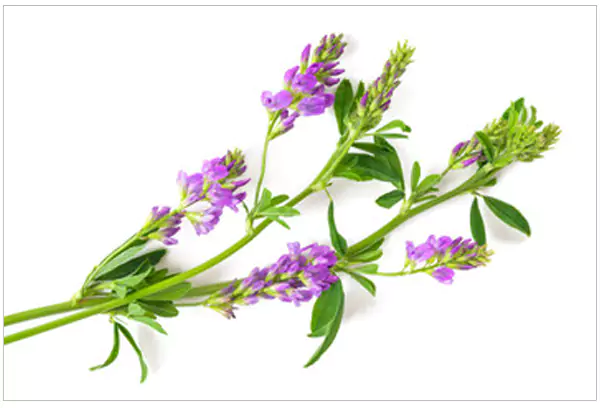 |
| 15 | Tea Tree | Relieve headaches Antifungal and antibacterial Treats cystitis | 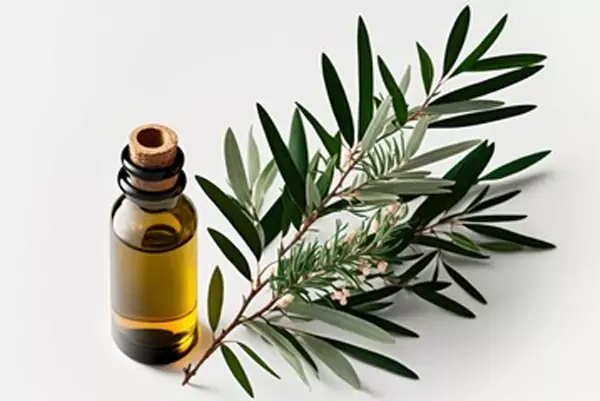 |
| 16 | Arnica | Anti-inflammatory For osteoarthritis | 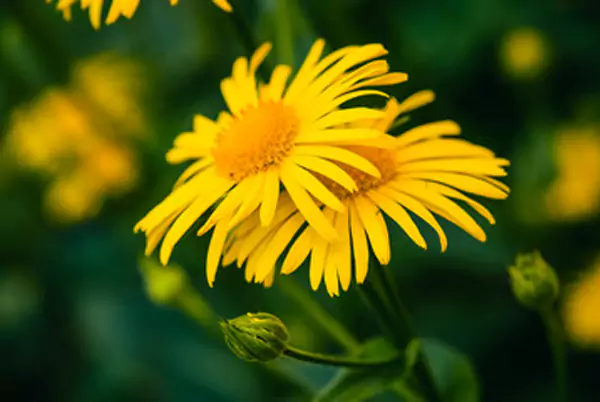 |
| 17 | Asafoetida | Helps high cholesterol Breathing problems. | 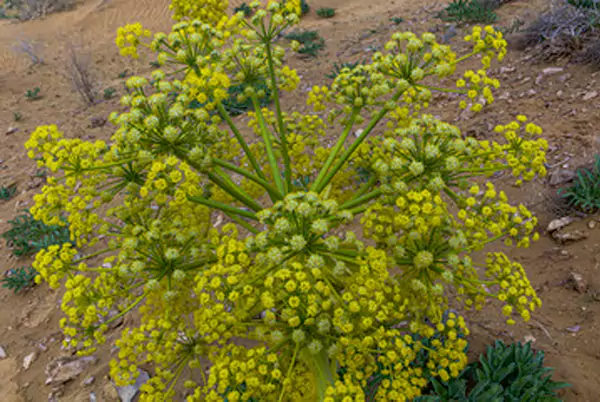 |
| 19 | Echinacea | Cures viral infections Helps with wounds and burns | 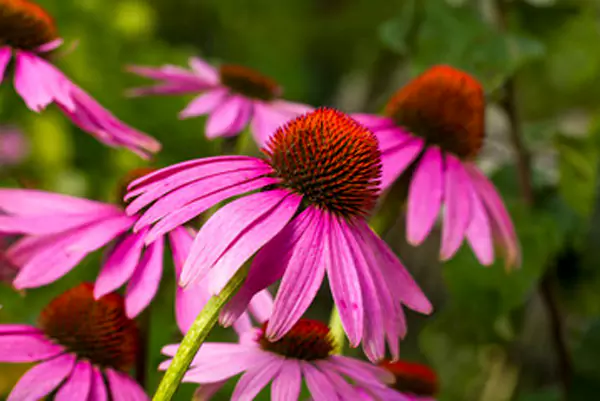 |
| 20 | Asthma-plant | Treat bronchitic asthma Laryngeal spasm Dengue fever | 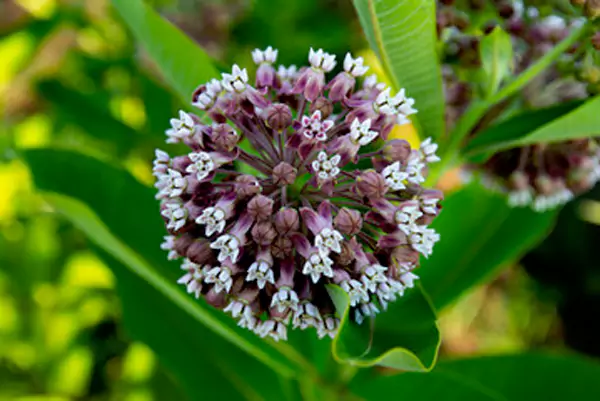 |
| 21 | Bay laurel | Treat earaches High blood pressure Arthritis and rheumatism | 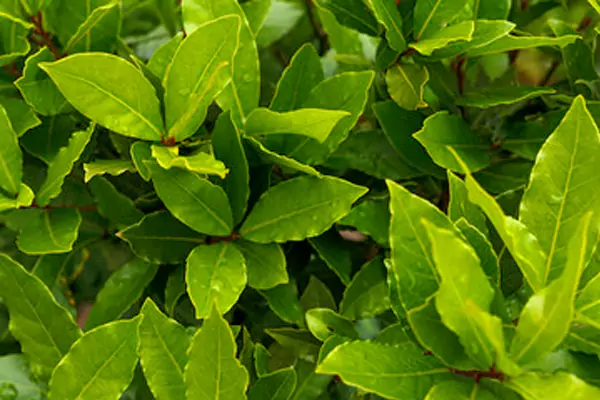 |
| 22 | Cannabis | Helps ADHD and cancer Alzheimer’s and dementia Cerebral palsy and epilepsy Crohn’s disease and insomnia |  |
| 23 | Stinging nettles | Kidneys and urinary tract Hemorrhage and influenza Rheumatism and gout | 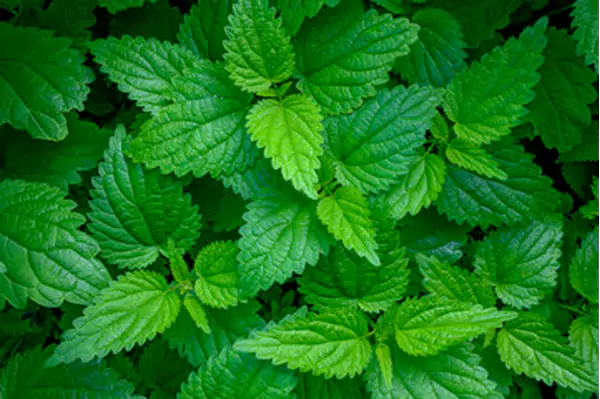 |
| 24 | Astragalus | Strengthen immune system Treats hepatitis Therapy in cancer | 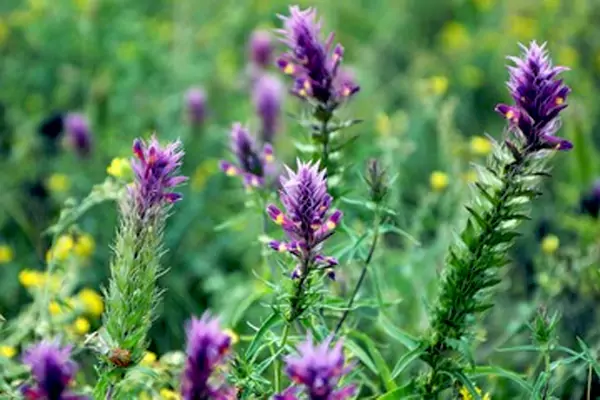 |
| 25 | German Chamomile | Helps sleeplessness Anxiety Relieves diarrhea | 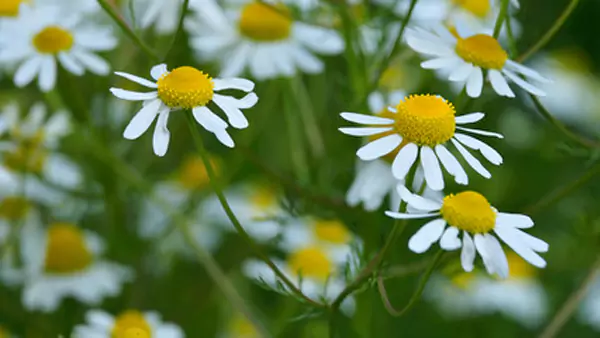 |
| 26 | Bilberry | Treats diarrhea Scurvy Skin ailments | 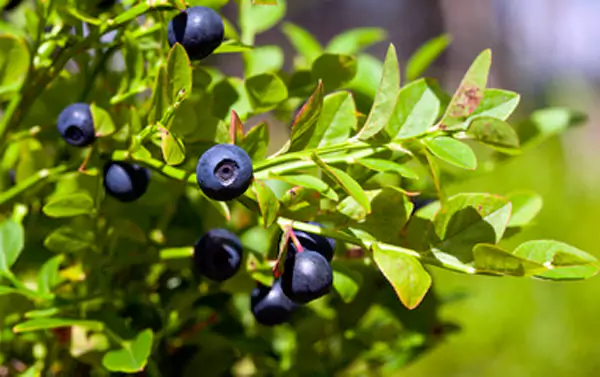 |
| 27 | Bitter leaf | Treats intestinal ailments like dysentery | 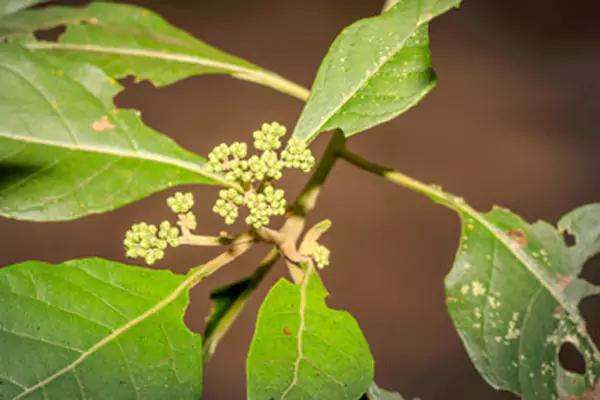 |
| 28 | Coffee senna | Improves immune system For liver disorders For intestinal worms | 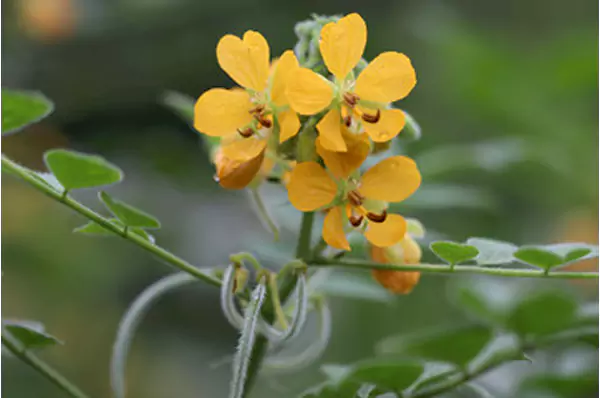 |
| 29 | Witch-hazel | Fights colon cancer cells | 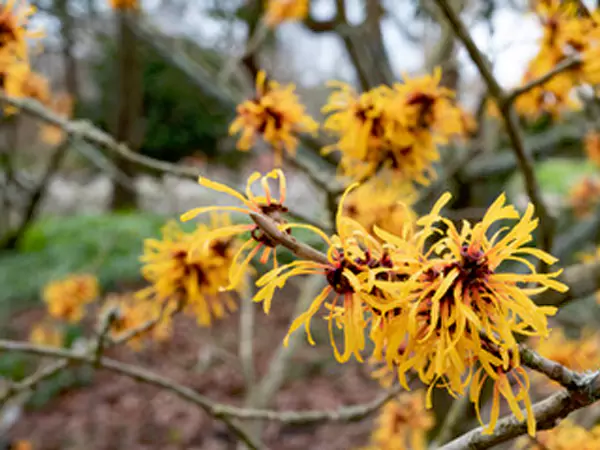 |
| 30 | Cornflower | Relieves eye muscles Improves eyesight | 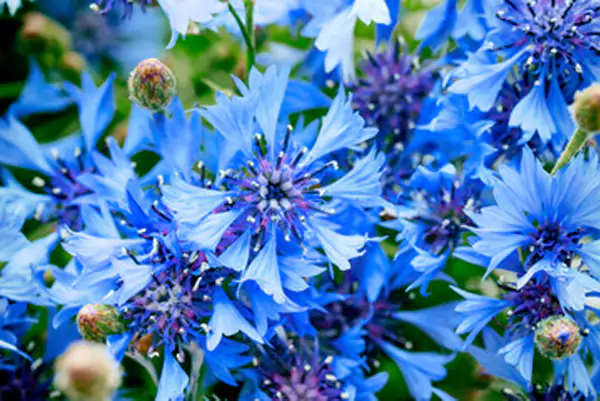 |
| 31 | Avaram senna | Fights fevers, diabetes Constipation Diseases of urinary system | 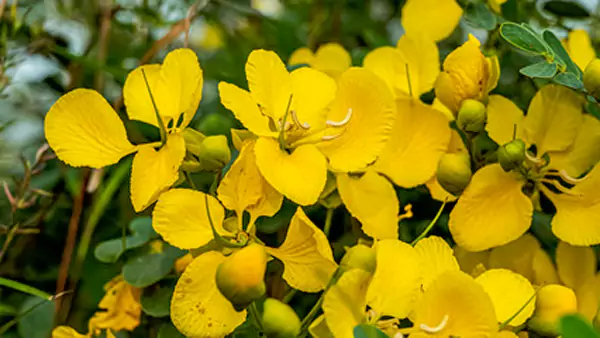 |
| 32 | Blessed thistle | Treat bubonic plague Loss of appetite Indigestion | 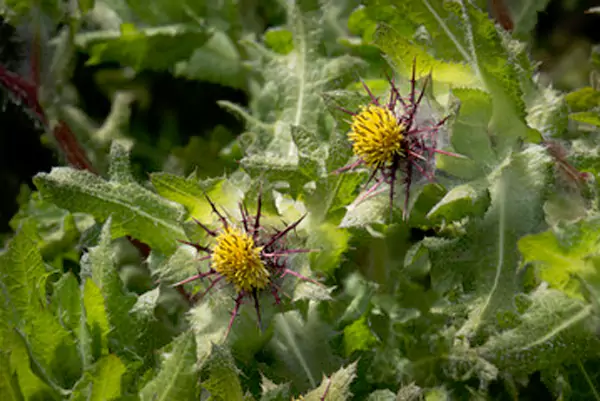 |
| 33 | Cloves | Treats toothache Helps upset stomach Relieves cough | 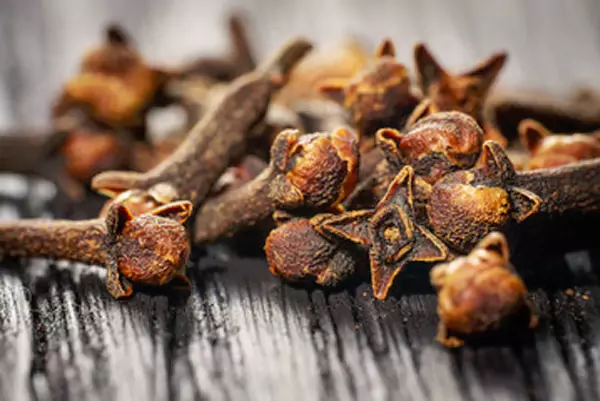 |
| 34 | Yarrow | Loss of appetite Indigestion or heartburn Used as diuretic (to increase urine flow) Fights infection | 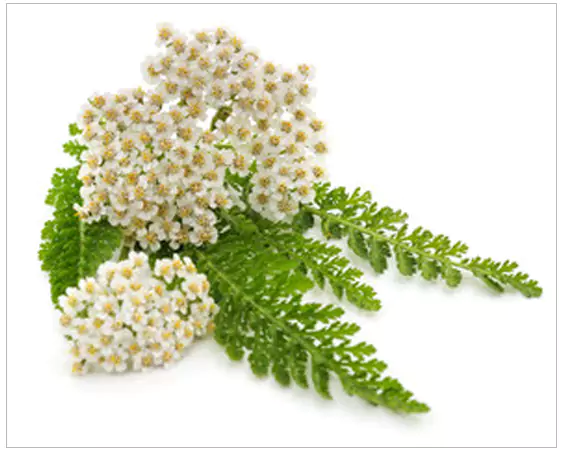 |
| 35 | Sesame | Reduces cholesterol Regulates blood lipid Protects liver and kidney Prevents tumor | 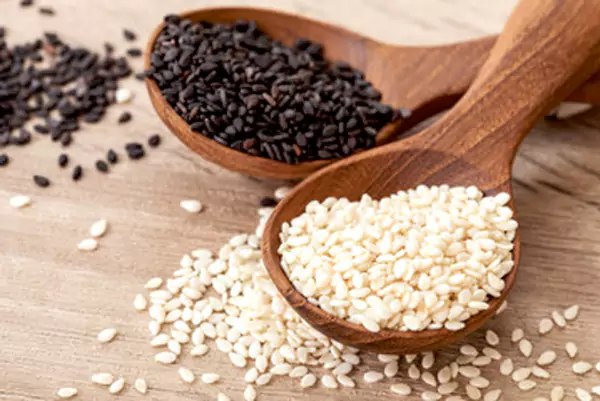 |
| 36 | Barberry | Helps skin ailments, scurvy Gastrointestinal infections | 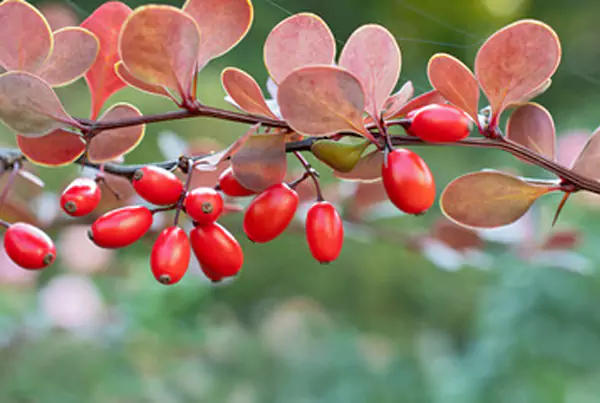 |
| 37 | Ginger | Prevents fermentation and constipation Curbs cancer growth Calms nausea | 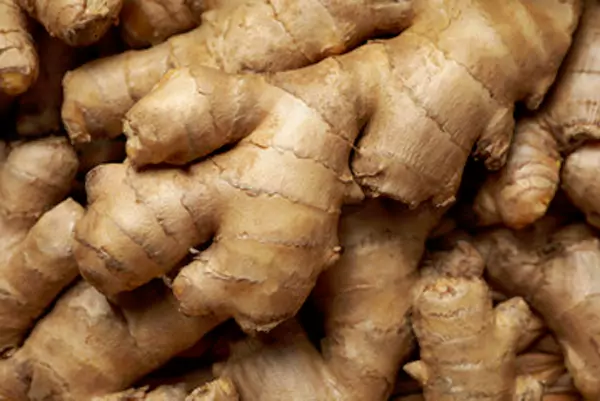 |
| 38 | Myrobalan | Enhance fat metabolism Prevents constipation Promote weight loss | 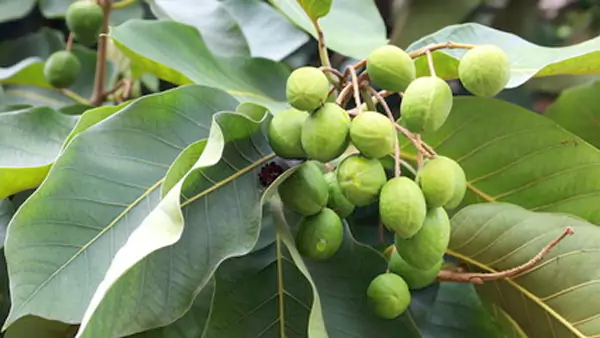 |
| 39 | Nutmeg | Reduce inflammation Relieves body pain Prevents cancer | 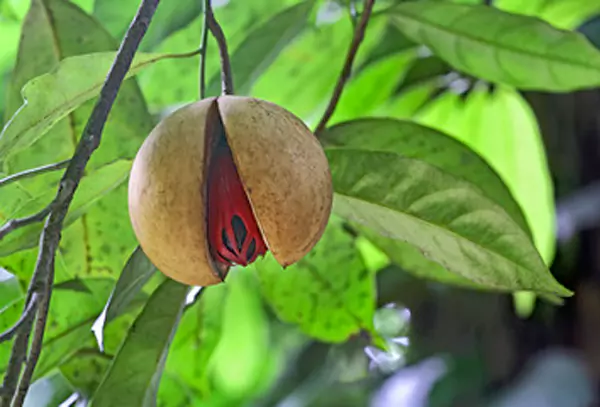 |
| 40 | Blue snakeweed | Helps malaria and fever Relieves dysentery Cures liver disorders | 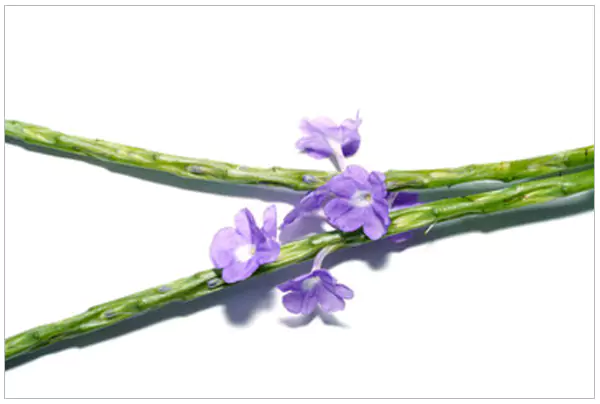 |
| 41 | Comfrey | Reduce inflammation For stomach ailments | 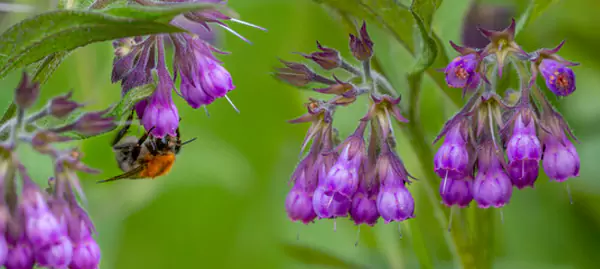 |
| 42 | Daisy | For bleeding and wounds Relieves cough Treats bronchitis | 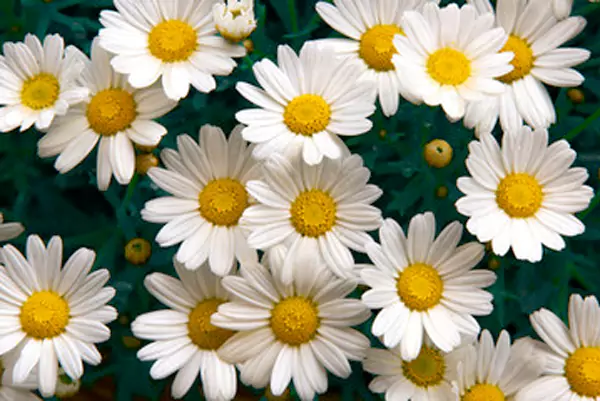 |
| 43 | Yellow dock | Treats anemia Itching, scrofula, and sores Nasal inflammation Hemorrhoids | 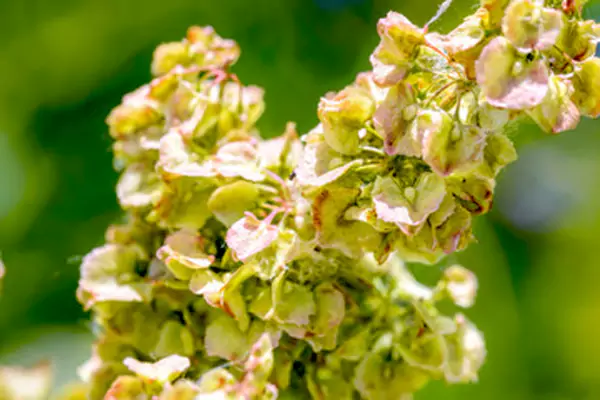 |
| 44 | Borage | Cramps and diarrhea Asthma and bronchitis Kidney/ bladder disorders | 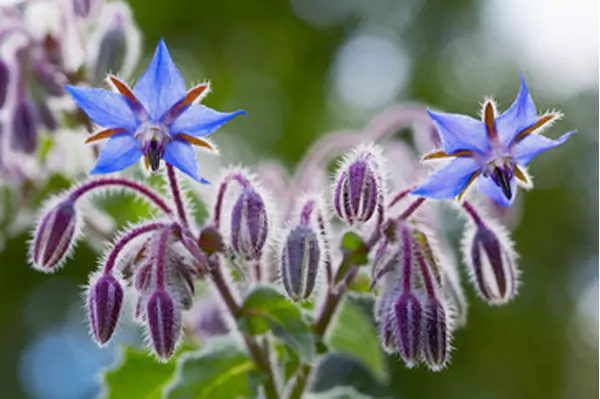 |
| 45 | Cayenne | Reducing pain and swelling Lowering triglyceride and cholesterol Fights viruses and bacteria | 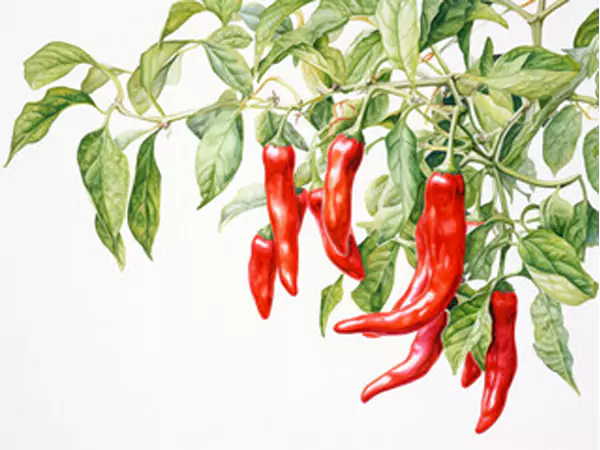 |
| 46 | Plantain | Prevents inflammation Antibacterial and anti-viral, Heals wound | 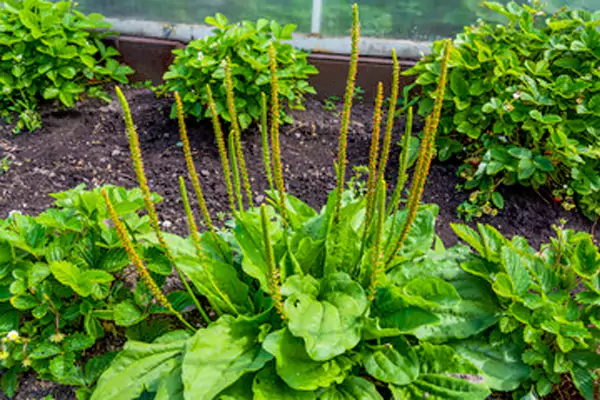 |
| 47 | Dandelion | Treat liver diseases Kidney diseases Spleen problems | 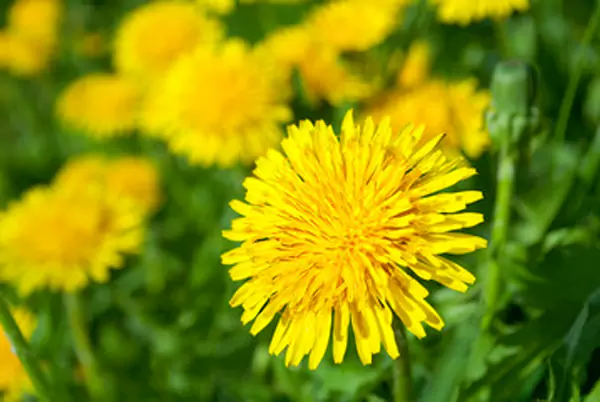 |
| 48 | Burdock | Lower blood sugar Sore throat and common cold | 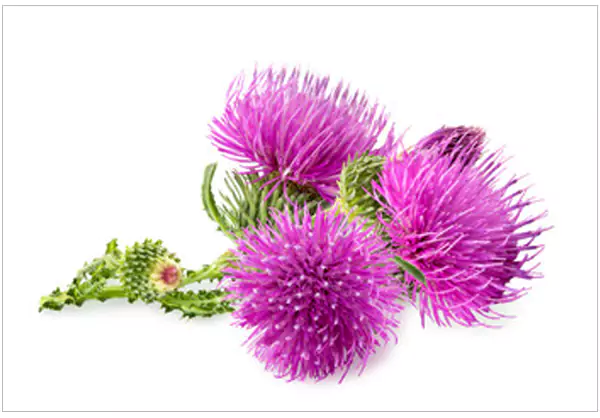 |
| 49 | Foxglove | Treats heart failure High blood pressure Increases body’s defense mechanisms | 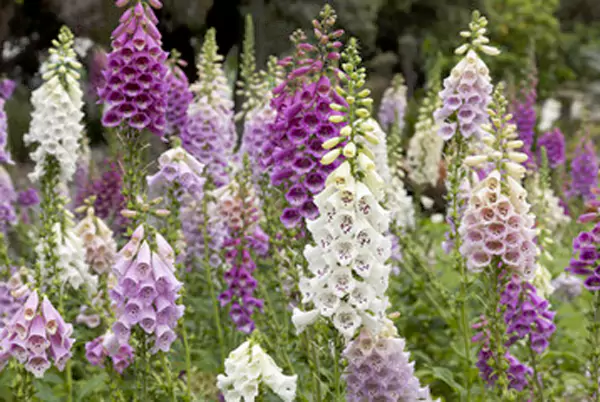 |
| 50 | Hyssop | Stimulates menstrual flow Soothes sore throats and coughs Expels intestinal parasites | 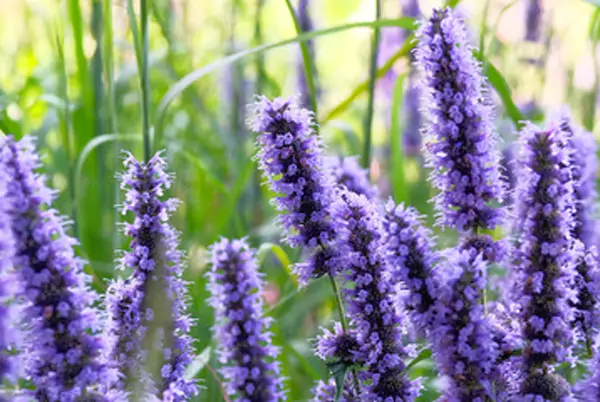 |
| 51 | Bitter melon | Reduces blood glucose level | 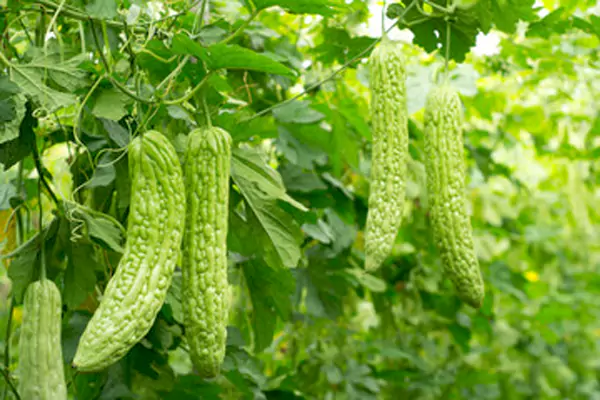 |
| 52 | Charcoal-tree | Treats cough and sore throats Asthma and bronchitis Gonorrhea and toothache Yellow fever and poisoning | 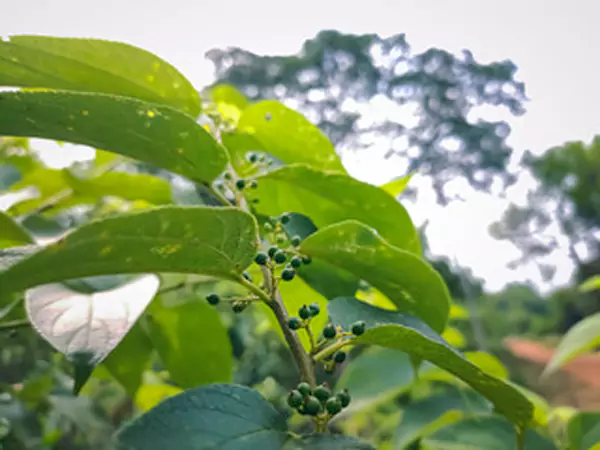 |
| 53 | Turmeric | Improves degenerative eye conditions Helps arthritis Metabolic syndrome | 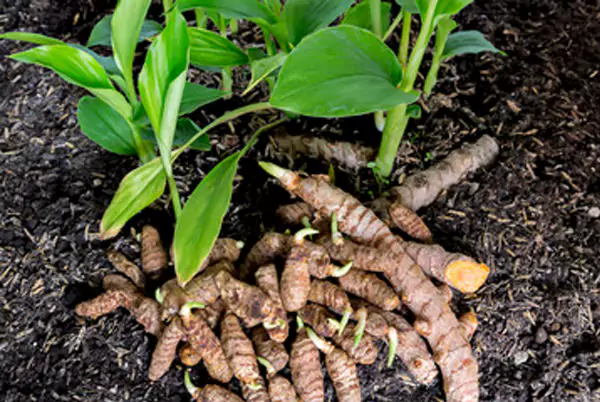 |
| 54 | Cinnamon | Lower blood sugar Anti-oxidant and anti-viral Prevent heart diseases | 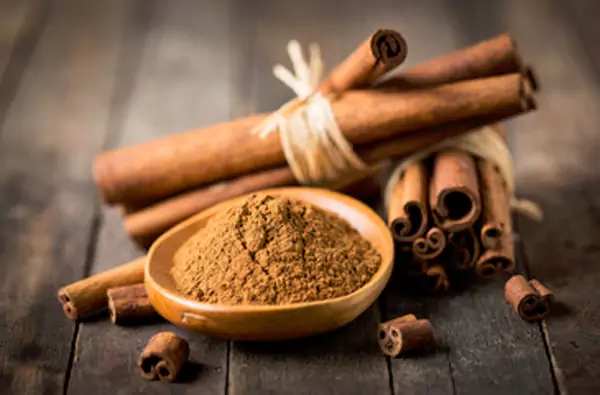 |
| 55 | Papaya leaves | Relieves dengue fever Reduce inflammation Prevents cancer | 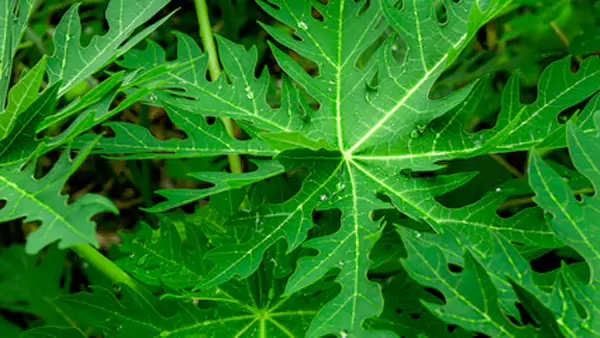 |
| 56 | Bitter orange | Treats nausea Indigestion Constipation | 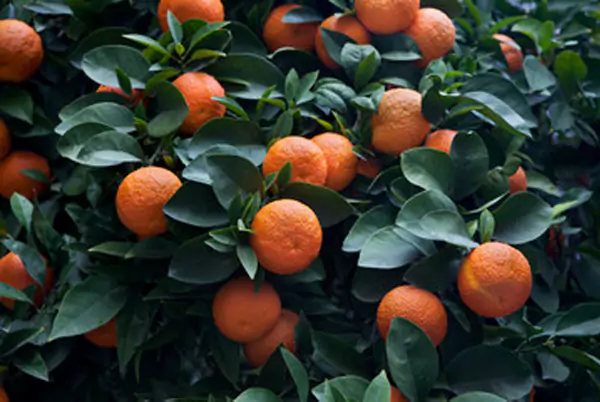 |
| 57 | Chaparral | Helps arthritis and cancer | 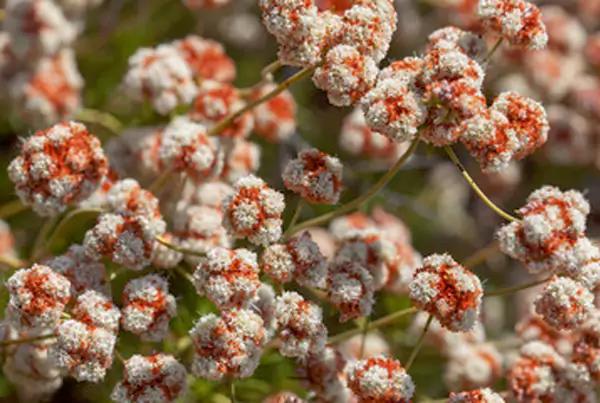 |
| 58 | Spinach | Support immune function Improves bone Health Enhances eyesight | 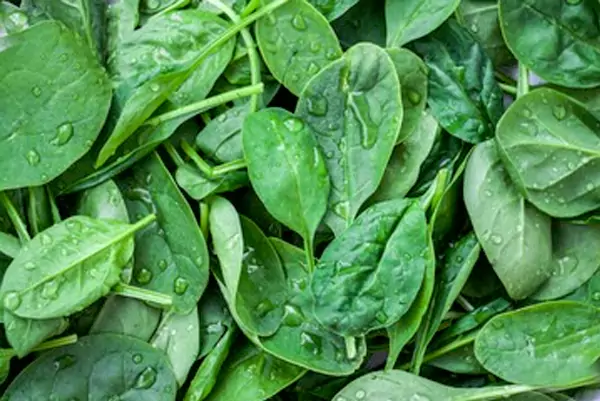 |
| 59 | Hops | Stimulate digestion Promotes better sleep | 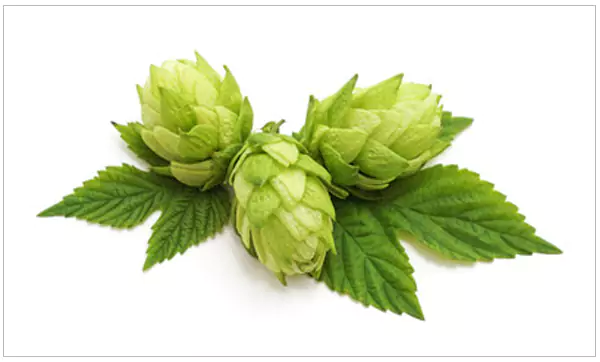 |
| 60 | Common hepatica | Treat liver diseases Helps acne Cures bronchitis and gout | 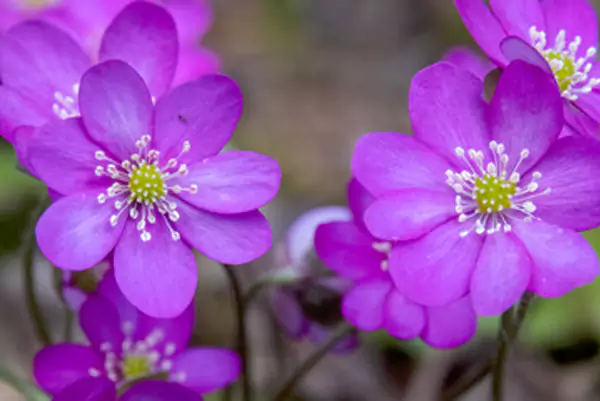 |
| 61 | Passionflower | Promotes sleep Alleviates pain Helps with menstrual cramps | 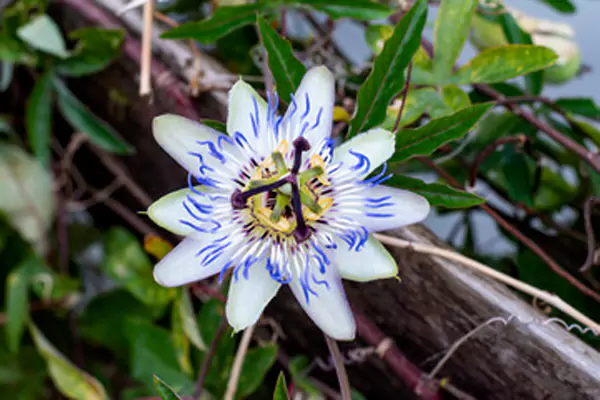 |
| 62 | Elecampane | Prevents intestinal worms Treats cold and cough Helps with eczema | 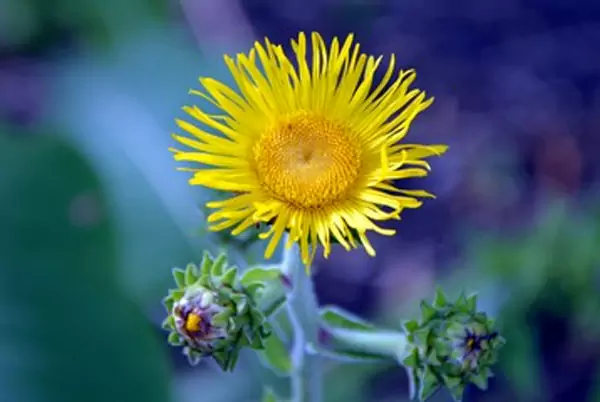 |
| 63 | Black Cohosh | Helps arthritis and muscle pain Used in menstruation related conditions | 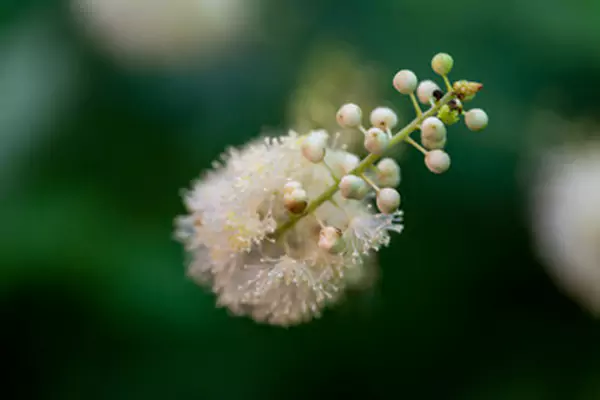 |
| 64 | Common chickweed | Treat itchy skin conditions Iron-deficiency anemia Bronchitis, rheumatic pains, and arthritis | 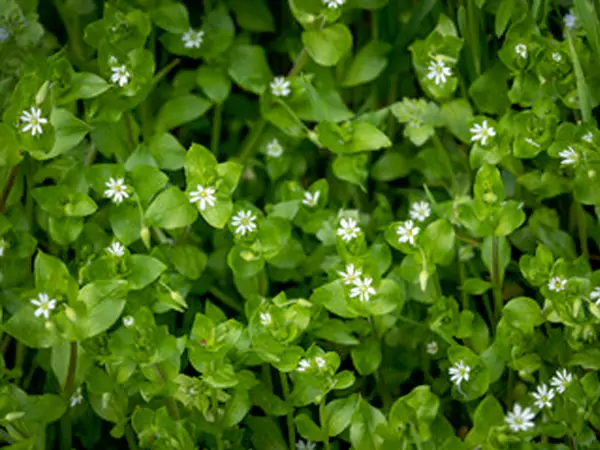 |
| 65 | Coriander | Helps in thyroid (any type) | 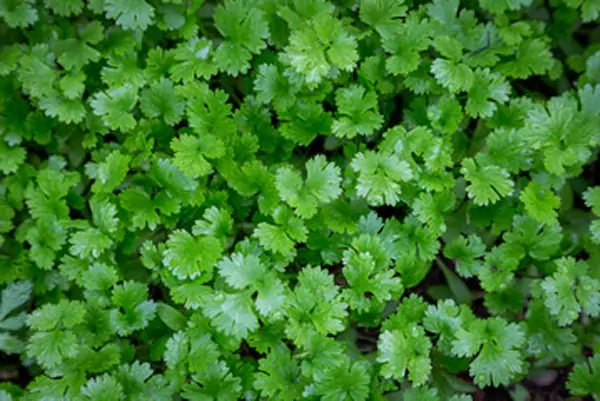 |
| 66 | Hawthorn | Treats fevers Avoids heart weakness, spasms, and murmurs Balances blood pressure | 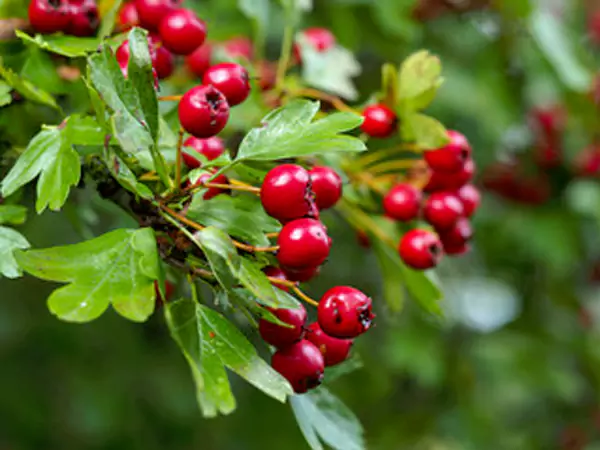 |
| 67 | Common hollyhock | control inflammation bleeding gums | 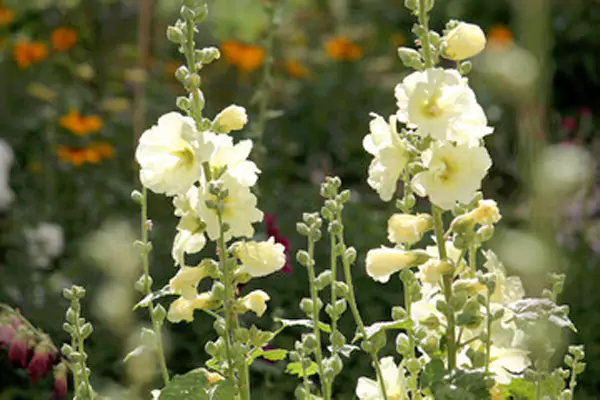 |
| 68 | Meadowsweet | Relieves inflammation, fevers, and heartburn Helps peptic ulcers and arthritis | 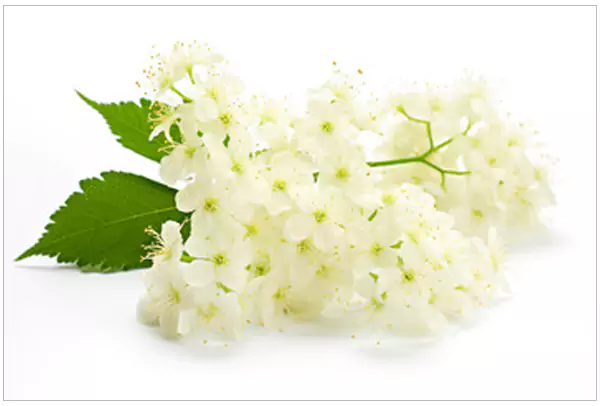 |
| 69 | Elderberry | Aids flu, common cold, fever Prevents constipation Sinus infections. | 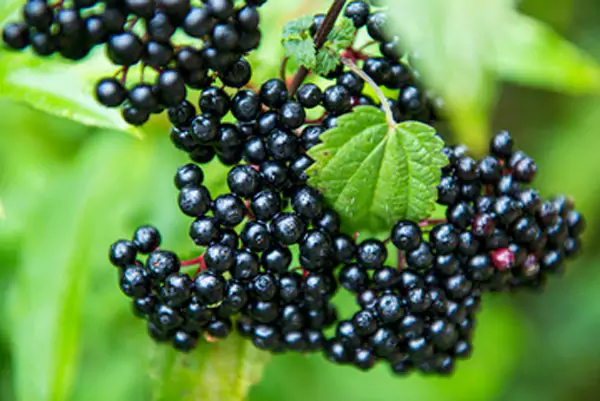 |
| 70 | European Mistletoe | Treat seizures and headaches | 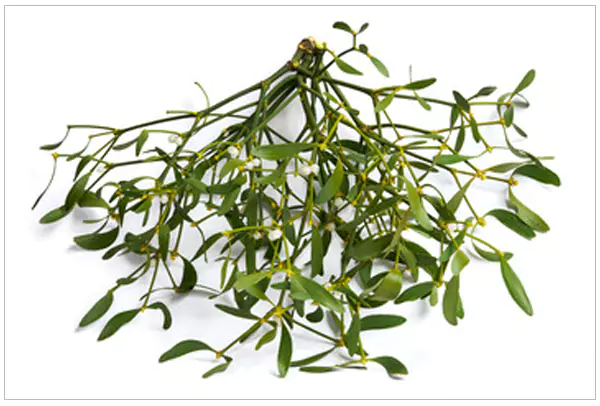 |
| 71 | Jiaogulan | Aids anxiety and depression, High blood pressure High cholesterol Acts as natural ginseng | 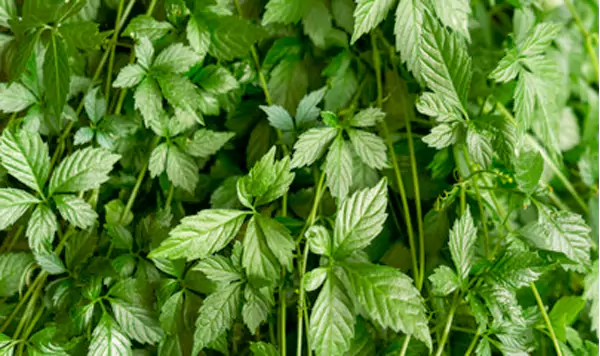 |
| 72 | Cranberry | Helps diarrhea and diabetes Aids liver problems Urinary Tract Infections (UTIs) | 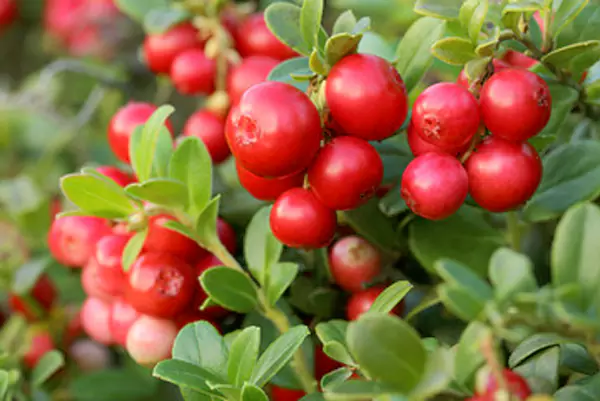 |
| 73 | Eucalyptus | Relieves high fever Mild cough and cold Analgesic and nasal infections | 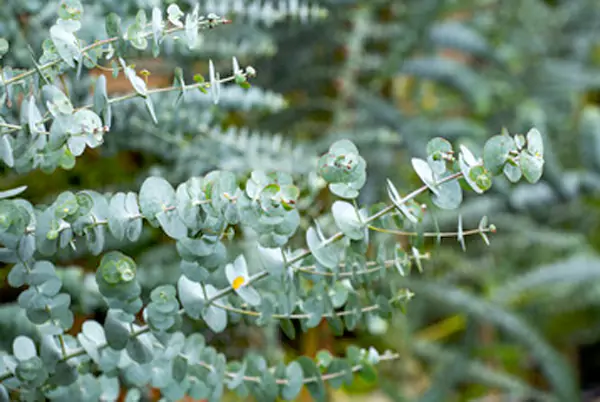 |
| 74 | Wild bergamot | Treats stomach infections Digestive issues | 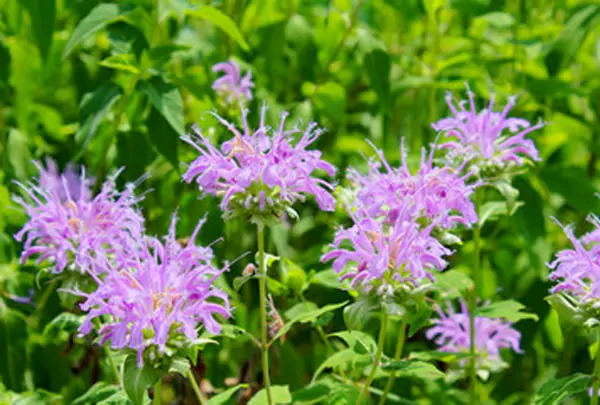 |
| 75 | False sowthistle | Helps constipation Colic and inflamed eyes | 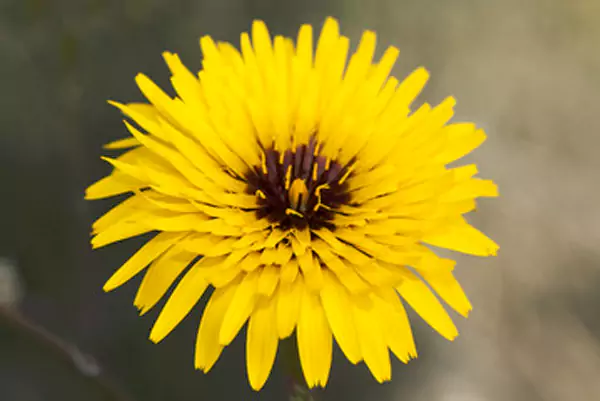 |
| 76 | Spilanthes | Relieves toothaches Helps with gum problems | 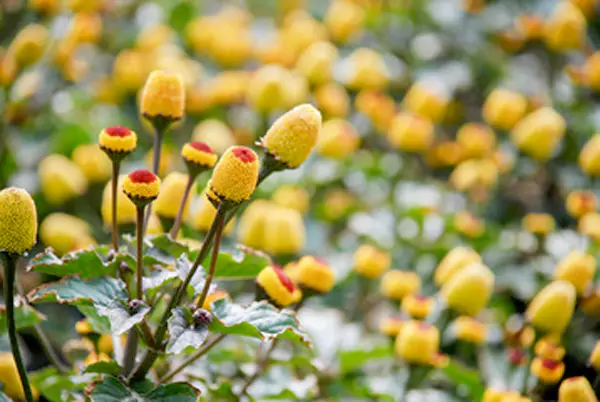 |
| 77 | Cotton lavender | Prevents intestinal parasites | 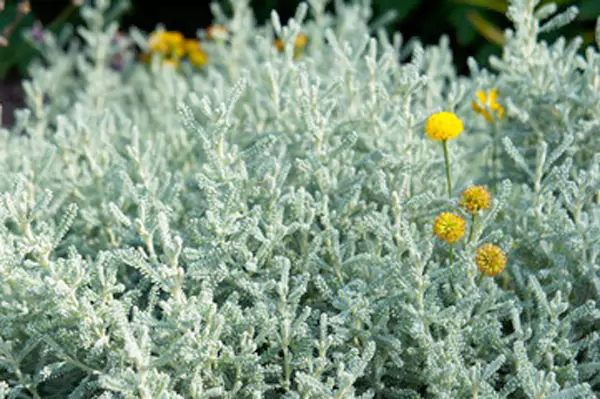 |
| 78 | Field scabious | Used as a blood purifier For cuts, burns, and bruises. | 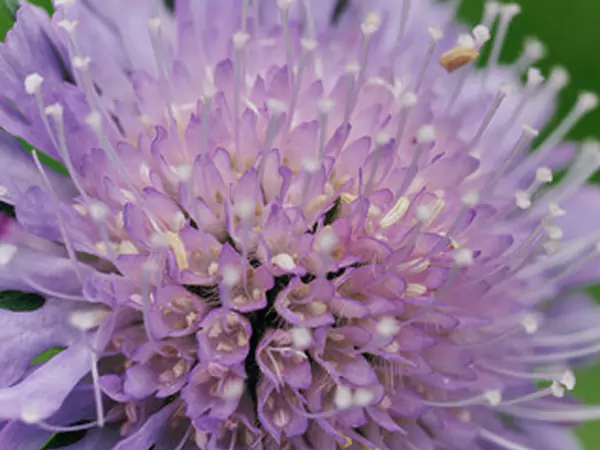 |
| 79 | Ginkgo | Treats asthma and bronchitis Helps with Alzheimer’s disease Relieves tinnitus | 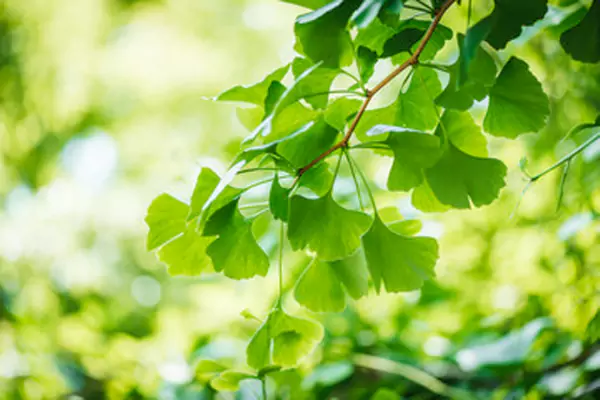 |
| 80 | Horsetail | Stops bleeding Heals ulcers and wounds, Treats tuberculosis and kidney problems | 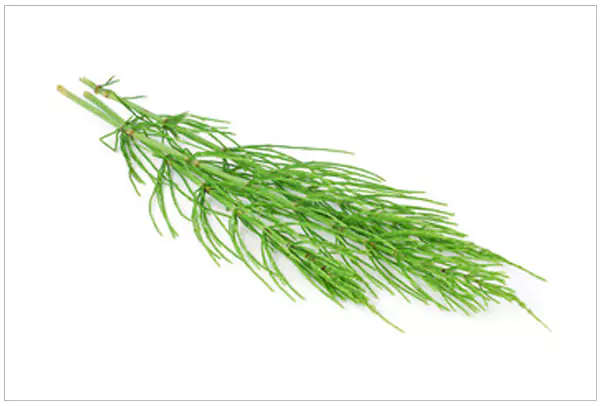 |
| 81 | Japanese hawkweed | Heals boils and snakebites | 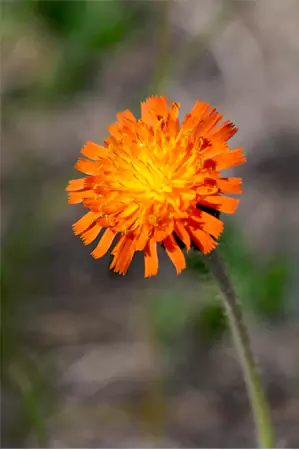 |
| 82 | Feverfew | Used for fevers and headaches Stomach aches, toothaches and insect bites | 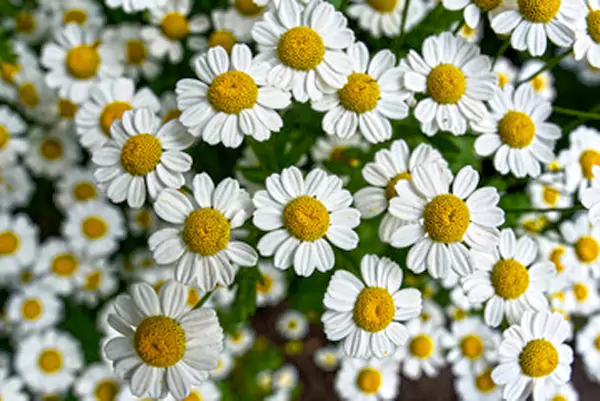 |
| 83 | Indian sandalwood | Used for common colds, bronchitis, skin disorders, Infection of the urinary tract Pharynx inflammation Liver and gallbladder complaints | 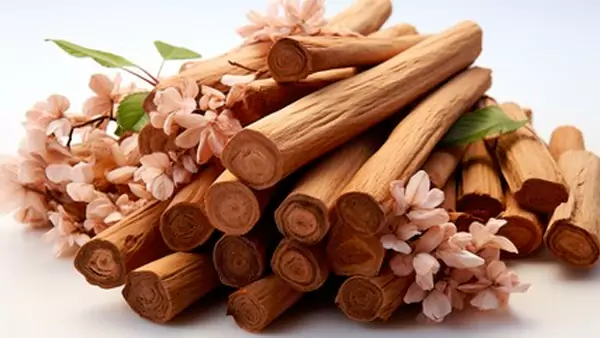 |
| 84 | Kava | For asthma and urinary tract infection | 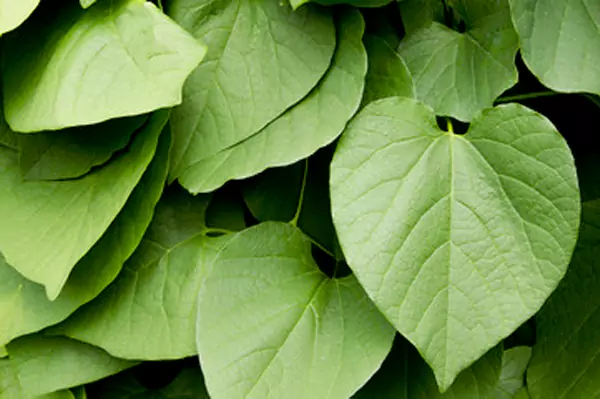 |
| 85 | Fumitory | Remove skin blemishes Cleanse the kidneys | 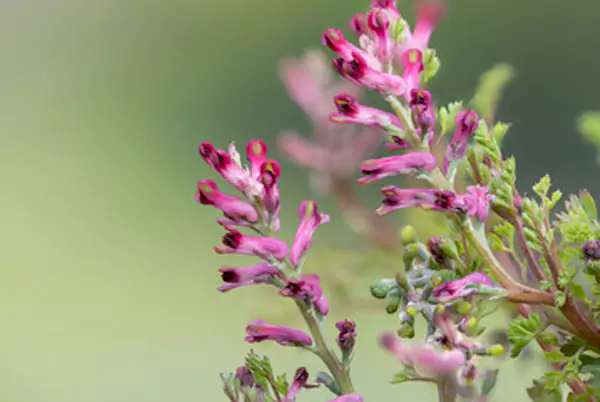 |
| 86 | Licorice root | Treats stomach ulcers Bronchitis and sore throat Hepatitis | 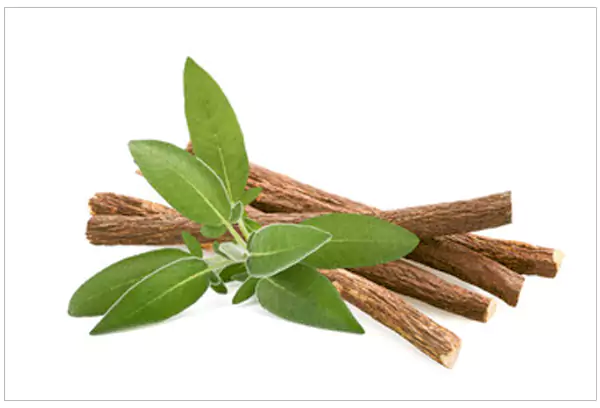 |
| 87 | Magnolia bark | Helps inflammation Antioxidant Prevents tumor | 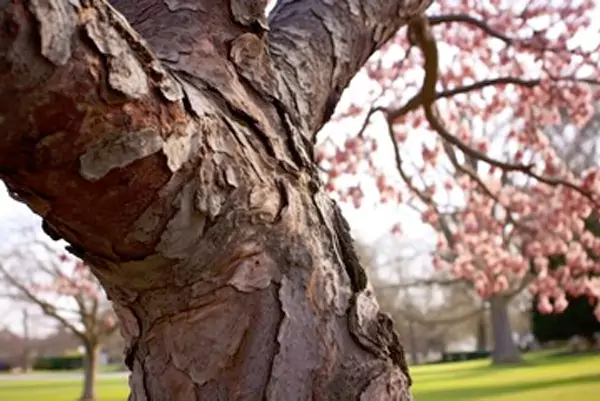 |
| 88 | Flax seeds | Helps with arthritis Lower blood cholesterol | 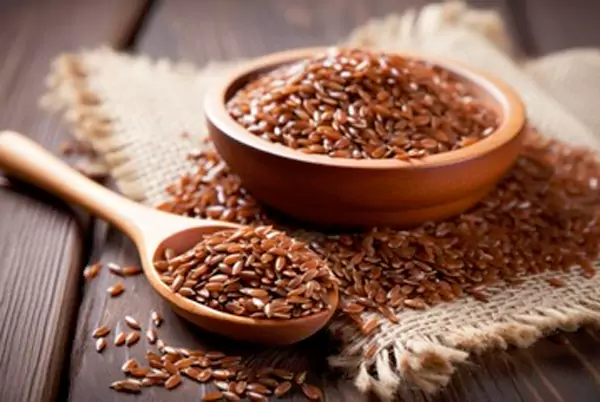 |
| 89 | Ground-ivy | treat bronchitis tonic for colds and coughs relieve nasal congestion | 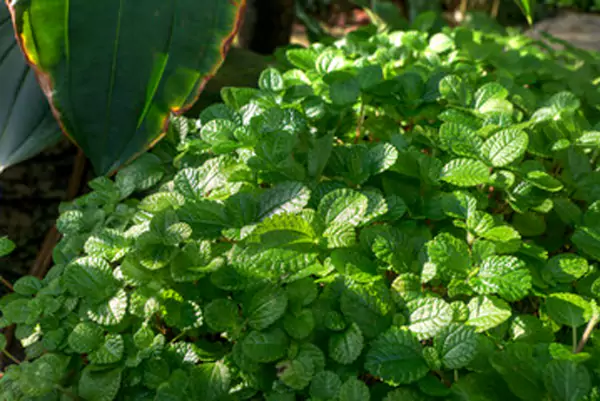 |
| 90 | Konjac | Treats obesity and constipation Reduces cholesterol | 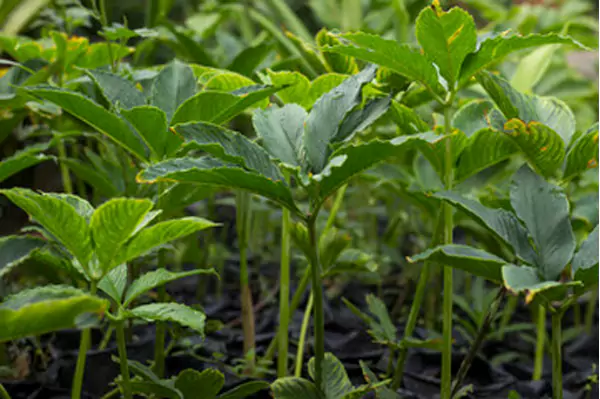 |
| 91 | Minnieroot | Used as diuretic Prevents diabetes Treats gonorrhea | 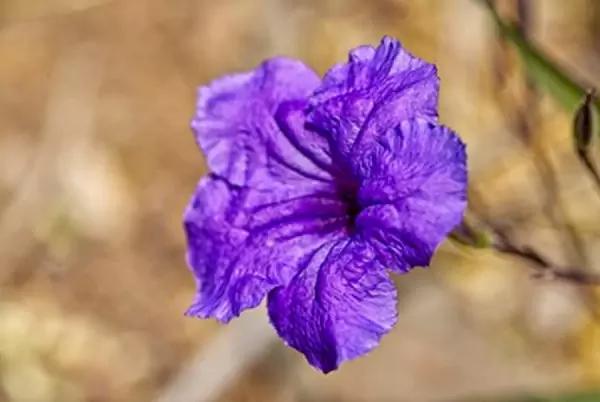 |
| 92 | Neem | Treats worms, malaria Rheumatism and skin infections | 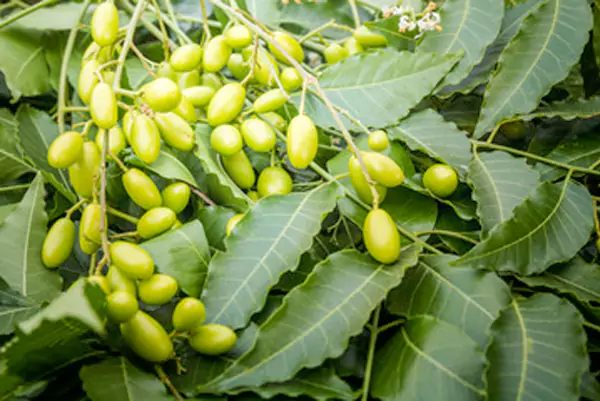 |
| 93 | Garlic | Treats cardiovascular diseases | 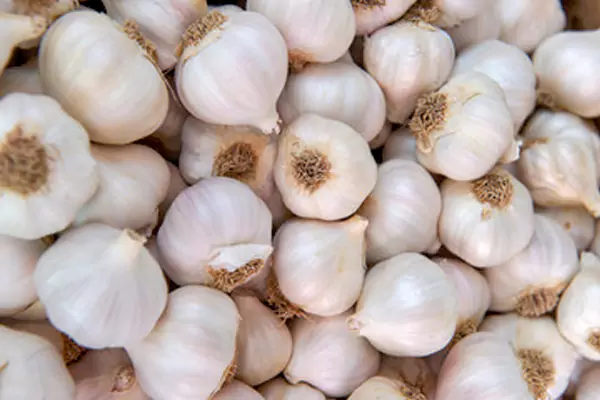 |
| 94 | Snowdrop | Helps in treatment of Alzheimer’s disease | 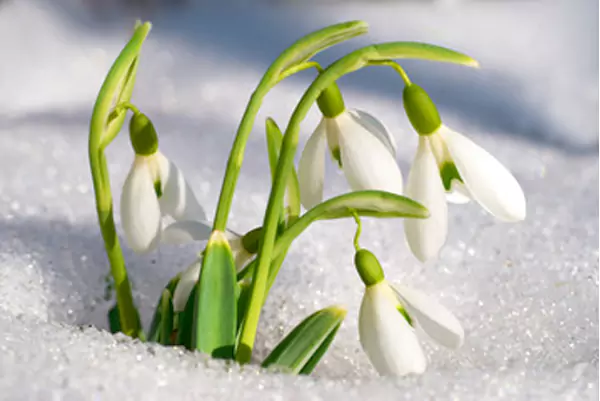 |
| 95 | Noni | Helps with joint pain and skin conditions | 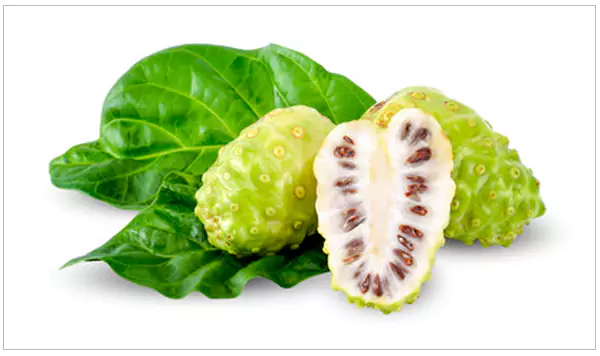 |
| 96 | Goldenseal | Treat skin diseases, ulcers, and gonorrhea Helps with respiratory infections | 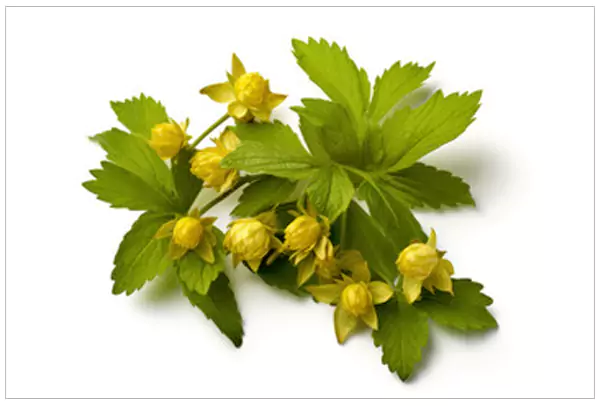 |
| 97 | Platycodon | Improves insulin resistance Lowers cholesterol | 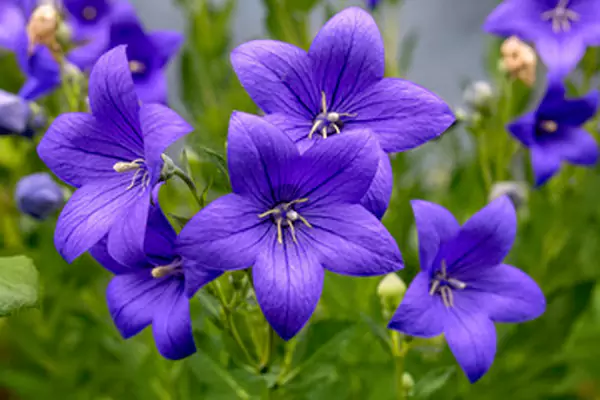 |
| 98 | Garden angelica | Used against fever, infections, and flu | 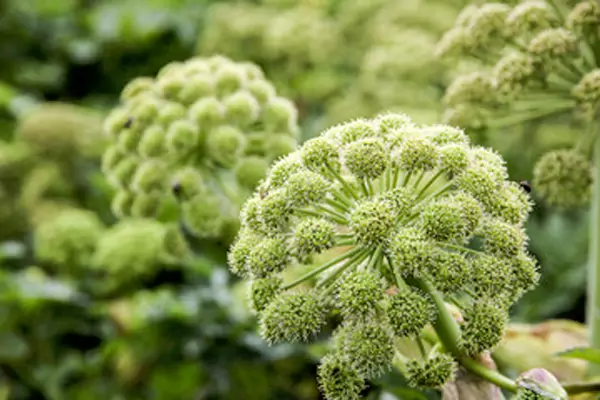 |
| 99 | Sao Caetano melon | Aids in diarrhea and syphilis | 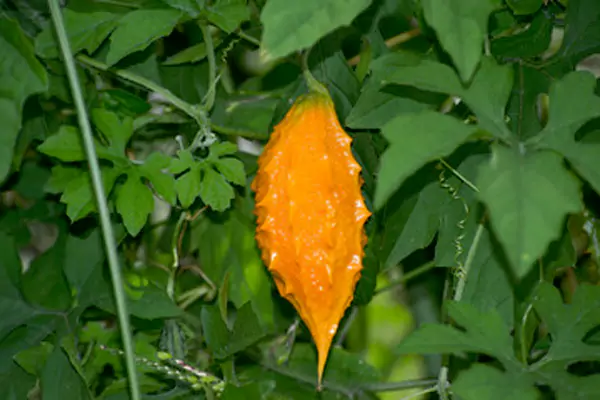 |
| 100 | Summer Snowflake | Treats mild to moderate Alzheimer’s disease Other memory impairments, | 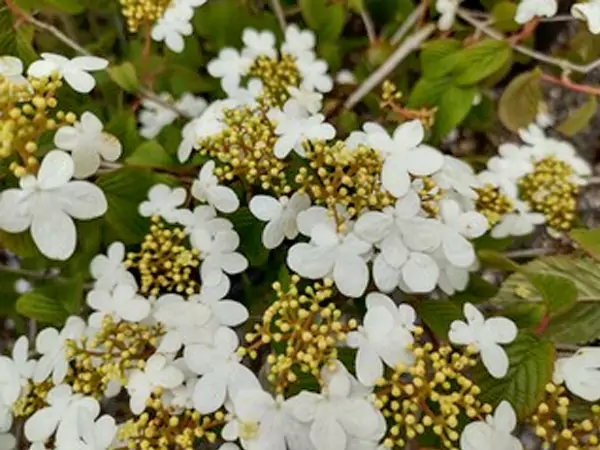 |
These herbs have passed down their healing powers, generation to generation, country to country, offering everyone a healthy lifestyle.
The best thing about these vibrant plants is that they’re short, easy to grow, and, requires low maintenance. Some might be hard to find depending on your region, but, you still got a lot more to choose.
There are hundreds more to be added into this list and thousands to be discovered. If I’m to write the name of every such plant, a single article will not be enough. However, to quench your sense of curiosity, you can read various guidebooks, like Medicinal Plants by Robert Bentley or more.
Now that you are aware, it’s not only the apple that keeps the doctors away, but plants too. Grow these special herbs in your balcony, or plant them in your backyard and lead a healthy lifestyle.
FAQs
Which is the king of medicinal plants?
Terminalia chebula, a species of plants known for its vast benefts, is termed as the king of medicinal plants. Its applications vary from protecting liver to treating respiratory conditions, including infections, cough, and sore throat
What is queen of medicinal plants?
Holy basil, or Ocimum sanctum is named as the Queen of Herbs. It is known to hold high antioxidant properties along with the cure of multiple illnesses like cough and cold.
What herb kills infection in the body?
Well-known culinary herbs like basil, sage, and oregano, as well as lesser-known species like astragalus and sambucus, have effective antiviral benefits against a wide range of viruses that trigger infections in humans.
List of plants used in herbalism by Wikipedia
Medical Botany by USDA



How to Grow Turmeric Indoors: Complete Pot Growing Guide
[…] Botanically known as Curcuma longa, turmeric is a rhizomatous perennial that is popularly used as a spice in cooking. Part of the ginger family, turmeric is extracted from the main part of the root and is ground into a thin, powdery form and used as a medicinal plant. […]
40 Flowers That Start With F: Names, Types & Growing Tips
[…] of the daisy family, feverfew is a medicinal plant that blooms in the form of clusters of small white flowers with a yellow center. Also called the […]
Flowers That Start With V: 15 Beautiful Types & Guide
[…] grows lavender-like, spiky, purple flowers. Ideal to be grown for landscaping purposes, it is a medicinal plant as well because the flower seeds are known to balance hormones and help in better sleep […]
Carnation Flowers: Origin, Meaning, Types, Benefits & Care Guide
[…] plants are nothing less than medicinal plants, as they are used for treating nervous and coronary […]
30+ Rare Flowers - Types, Growing Conditions & Care
[…] of the most rare flower on earth, the purple passion genus is also said to be a medicinal plant. It promotes sleep and even helps with menstrual cramps. Native to the Southeastern part of the […]
Planting Celosia: How to Plant, Grow & Care for Celosia
[…] to research conducted by the National Center for Biotechnology Information, Celosia is a medicinal plant, and its flowers are known to have antioxidant properties that help in reducing oxidative […]