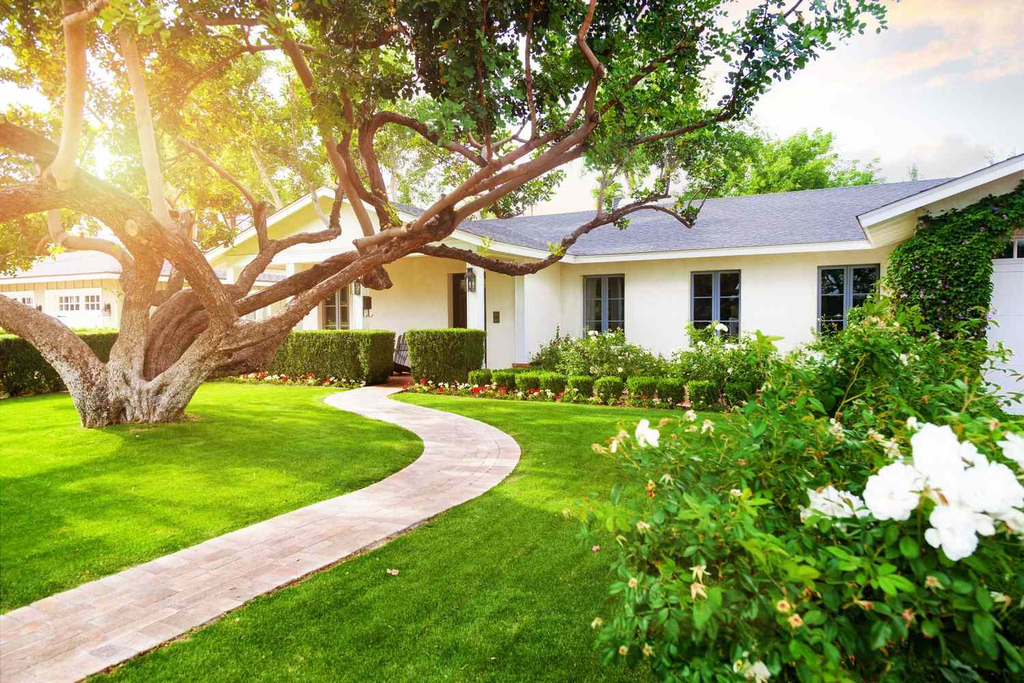
ALT Text: Simple Ways to Improve Curb Appeal of Front Yard
IMG SRC: https://www.marthastewart.com/thmb/0zr4cd6CBpPdb45tbstQEf7bT-w=/1500×0/filters:no_upscale():max_bytes(150000):strip_icc()/the-best-front-lawn-landscaping-ideas-lead-1222-2000-82f16dc75672459e9da840fdc5edac03.jpg
When you pull into the driveway, the first thing you will notice is the front yard, not the front door, right? The first glance gives the vibe before anyone even rings the bell. But if the lawn is tired or there is an overgrown bush, it can make a home feel neglected, even if the inside is spotless. The best thing is that small changes in the front yard can shift that impression fast, and most of them do not require a full renovation.
For homeowners in Ridgefield, CT, the shift can feel even more noticeable, since so many properties in the area already sit on wooded or sloped lots where the landscaping does a lot of the visual work.
| Table of Contents:Why First Impressions Start at the CurbEasy Wins That Make a Big DifferencePlant Choices That Hold Up Over TimeHardscaping Adds Structure Without Overdoing ItLighting Changes How a Yard Feels at NightKeeping the Look Going Through the SeasonsConclusionFAQs |
Why First Impressions Start at the Curb
Curb appeal tells visitors, neighbors, and future buyers something about how a home is cared for. Realtors know this well. According to the National Association of Realtors, well-kept landscaping can boost a home’s value, while neglected yards can often pull a property’s value down. Most agents suggest sellers spruce up the yard before listing, and the recommendation almost always points to landscaping first.
Even if you are not planning to sell, a well-kept yard makes daily life better. You feel a small sense of pride walking up to a home that looks cared for, and guests pay attention to it too, even if they never say so out loud.
Easy Wins That Make a Big Difference
Not every improvement needs a big budget or a whole weekend. A few small tasks can shift the whole look of a yard, and most people can knock them out over a normal Saturday morning in Ridgefield.
- Trim overgrown shrubs so they do not restrict windows or walkways
- Edge the lawn along the driveway and sidewalk for a cleaner line
- Add fresh mulch to garden beds to cover bare soil and weeds
- Cut dead plants, branches, or leftover holiday decor
- Repaint or clean the mailbox and house numbers so they are easy to read
These tasks take a weekend at most, and they usually make the biggest visual difference for the least amount of effort. Many people put off this kind of maintenance because it feels small, but a yard that looks tended tends to make the whole property feel newer.
Plant Choices That Hold Up Over Time
Picking the right plants matters more than most people realize when they first begin planning their landscaping in Ridgefield, CT. Some plants look great for a season and then struggle once the weather turns. Native plants tend to do better over the long run because they are already fit to the local soil and climate. They also tend to require less watering once established, which saves time during the busy summer months.
Layering heights also helps. A combination of low ground cover, mid-size shrubs, and a taller tree or two gives the eye something to follow rather than one flat strip of green. Color matters too, but it does not need to be loud. A few flowering shrubs near the entryway can draw the eye without overwhelming the rest of the yard.
Hardscaping Adds Structure Without Overdoing It
Plants are not the only piece of the puzzle. Pathways, low stone walls, and defined garden borders offer a yard structure. A simple stone edge around a flower bed can make the whole space look intentional rather than random, and it also keeps mulch from washing out into the lawn after a heavy rain.
Working with a team that manages design, installation, and plant care under one plan, such as Growing Solutions, tends to keep a front yard looking cohesive, instead of like separate projects bolted together over time. A connected approach also makes it easier to plan a project in steps if the full budget is not available right away.
Lighting Changes How a Yard Feels at Night
A front yard does not stop mattering once the sun goes down. Good lighting offers safety and style at the same time. A few well-placed path lights can help visitors to the door without looking like a runway. Uplighting on a tree or a stone wall adds depth and makes the yard feel finished even after dark.
Solar lighting options have come a long way and can be a good beginning point if you are not ready for a wired system. In practice, even a small lighting update can make a yard feel more attractive during the evening hours, which is more important in the fall and winter when it gets dark early.
Keeping the Look Going Through the Seasons
A front yard that looks great in June can look destroyed by October if nothing was planned for the colder months. Combining in a few evergreens keeps some color and structure through winter. Ornamental grasses add movement and texture even after they turn brown, which many homeowners usually like for the contrast.
Seasonal upkeep is important too. Raking leaves, cutting back dead growth, and checking mulch levels each season keeps a yard from sliding backward between larger projects. A quick seasonal walk-through, even just twenty minutes with a notepad, can catch small issues before they turn into bigger ones.
Conclusion
You do not need to manage everything at once. Start with the smallest, most visible fixes first, like trimming and edging, and build from there. If a larger project feels overwhelming, a short list of priorities can help you move forward without getting stuck. A front yard that shows a little care goes a long way, both for how a home feels to live in and how it looks to everyone who walks up to the door.
FAQs
- What are the 5 basic elements of landscape design?
Ans. The five basic elements of landscape design are line, form, color, texture, and scale.
- What are the four parts of a landscape?
Ans. The four parts of a landscape are the foreground, middle ground, background, and the horizon line.
- What are the three types of landscape drawing?
Ans. The three types of landscape drawing are realistic, impressionist, and abstract landscape.