


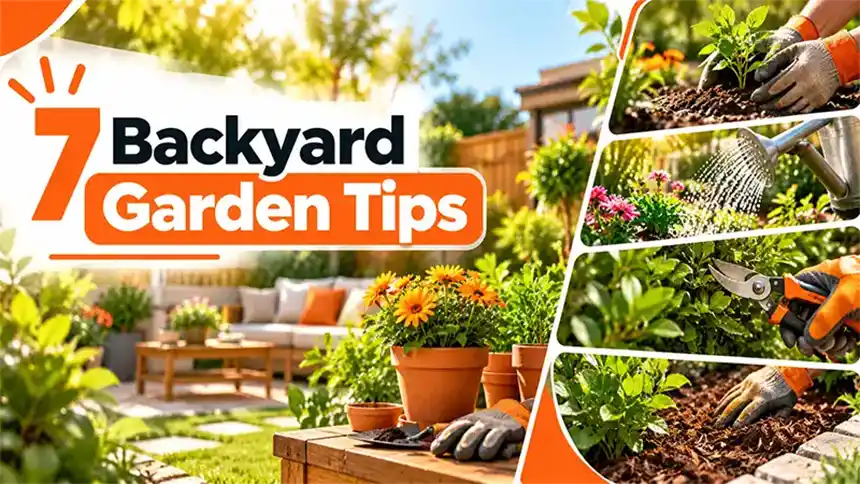
Having chickens in the garden definitely gives a more lively feeling while providing fresh eggs and a chance to enjoy more. But chickens do not know where to move and where to stop. They love scratching the fresh soil, pecking at plants, and exploring whatever they find nice. This is where frustration starts.
With some smart adjustments, you can allow them to move within a limited space without letting them destroy your hard work. Must be thinking – how?
Keep reading to explore 7 backyard garden tips when you start keeping chickens.
1. Protect Young Plants
Freshly planted seedlings are weak. Especially when chickens play nearby. Loose soil lures curious feet. Tender leaves can become an easy snack. A chicken can destroy an afternoon of planting in minutes. All without thinking that it’s caused a garden emergency.
Give young plants shade. At least until they prove themselves. Use small garden cloches or wire covers over individual plants. Place a low border around a new bed. Keep the cover secure. But allow enough room for sunlight and watering. Once plants grow taller and are reinforced, they can handle chicken traffic better.
Also, learn how healthy gardening habits can be made simple.
2. Keep Your Favorite Beds Off-Limits
Some garden beds will receive VIP treatment. Maybe you have a specific herb patch. Or you spent months arranging a flower bed just right. Chickens don’t grasp the sentimental value. Fresh soil just looks like a comfy place to scratch.
Create a clear border around beds you want to protect. Short garden fencing is excellent for this. A simple frame with chicken wire can also keep belligerent birds at bay. Consider putting vegetables in raised beds. That gives you more control over the expansion space. They also make it easier to add a buffer around crops. Your favorite beds must remain tidy while the chickens explore elsewhere.
3. Plan Where You’ll Put the Chicken Coop
The coop location impacts your garden a lot. Put it beside a garden bed, and that area may get heavy foot traffic. Put it somewhere hard to clean, and daily chicken care becomes a burden. Think about the garden as a whole before finding a permanent spot.
A movable coop gives you more freedom. The Mobile Chicken House offers portable coop plans. You can move them around the yard as needed. That signifies you change where chickens spend their time. Look for a spot with effortless access to the garden while conserving vulnerable plants at a distance. Leave ample space around the coop for cleaning, too. A smart location keeps chicken care organized. All while you nurture the garden you worked hard to grow.
Also, explore 15 ways to make the most of your outdoor space.
4. Give Chickens Their Own Space
Chickens are naturally impatient. Scratching and excavating are common backyard behaviors. They also enjoy examining loose soil. And hunting for tiny insects. Give them unlimited access to every garden bed, and they’ll gladly explore those too.
Set aside a specific section where chickens can roam and forage. Look for an area with sturdy ground. Make sure there’s enough room for them to shift around. Use part of the lawn. Or create an underground run beside the garden. Add a dust-bathing space with dry soil. This gives chickens an outlet for their instincts. It also helps you channel their energy away from your prized plants.
5. Use Chicken Manure Carefully
Chicken manure is a useful enhancement to the garden. But be extra watchful around fresh manure. It offers high levels of nutrients. That can damage plants when applied directly. Fresh waste can also deliver pathogens. You don’t want it near crops you’ll eat.
Let the manure absorb nutrients fully. Once it breaks down, mix it into garden soil. Stay away from using fresh manure around leafy greens scheduled for harvest. Properly composted manure can enhance your soil structure. It provides nutrients, too. You just have to offer it time to be plant-friendly.
6. Secure Compost Bins
Composting is essential for eco-friendly gardening. Especially when you have chickens who generate garden waste. The trouble starts when your flock opens up the compost pile. Chickens love scratching through tangled material. They can scatter a carefully organized pile across the yard.
Keep compost separate. Use a secure lid or sturdy enclosure. Set down the bin where chickens can’t reach it. You can also include wire mesh around an open compost area. Keep food scraps that are not recommended for chickens out of their reach as well. A preserved compost system stays tidier. It breaks down more accurately. Later, you can add that compost back into your beds for a plant nutrition boost.
7. Keep Tools and Chemicals Out of Reach
A chicken that runs through the garden can find trouble anywhere. Loose gardening tools can deliver injuries if birds peck around them. Garden products can drive them sick. Chickens are curious enough to look up almost anything at ground level. So putting materials out is risky.
Make sure to put tools away. Keep fertilizers and medical supplies in sealed containers. A charming garden shed is a perfect storage spot. Keep metal tools off the floor. Be sure that every container is closed tightly. Your garden stays less tempting for curious chickens. Your tools stay arranged, too.
Also, learn how to grow, care for, and harvest dates.
Conclusion
In the end, a backyard garden and a chicken flock can work well together when each has enough space and defined boundaries to move. Guarding your plants, fencing off favourite beds, and giving chickens their own area to scratch and forage can help to avoid common issues.
Follow smart strategies such as placing the coop thoughtfully, handling manure safely, securing compost and keeping tools and garden products out of reach.
FAQs
How do I keep chickens from destroying my garden?
Protect your plants, fence off important beds and give chickens a defined area where they can scratch and forage.
Can chickens roam freely in a vegetable garden?
They can, but chickens may dig up soil, eat seedlings, and damage plants effectively. Controlled access is required here.
Where should I put a chicken coop?
Select a convenient, well-drained location away from vulnerable garden beds, with enough surrounding space for daily care.



Right Electric Fence Supplies for a Reliable Farm Perimeter
[…] netting is best for poultry, sheep, goats, deer, hogs, and temporary backyard garden enclosures. Its connected vertical and horizontal strands make a visible barrier that moves with […]
AI Video Generator to Preview Seasonal Garden Changes
[…] how garden content normally communicates seasonal change, this addresses a genuinely real limitation head-on. The […]