You look at the thermostat and see that the temperature is 21 degrees Celsius; however, your home feels like it did not receive the memo regarding the warmer weather. Do not think about the furnace, heat pump, and heating bill until you find out whether the thermostat is showing the correct temperature.
The thermostat only knows what happens within the immediate environment of its sensor. Drafts, walls facing the sun, vents near the sensor, problems with the sensor itself, problems with the wiring, or the uneven flow of air may distort readings significantly.
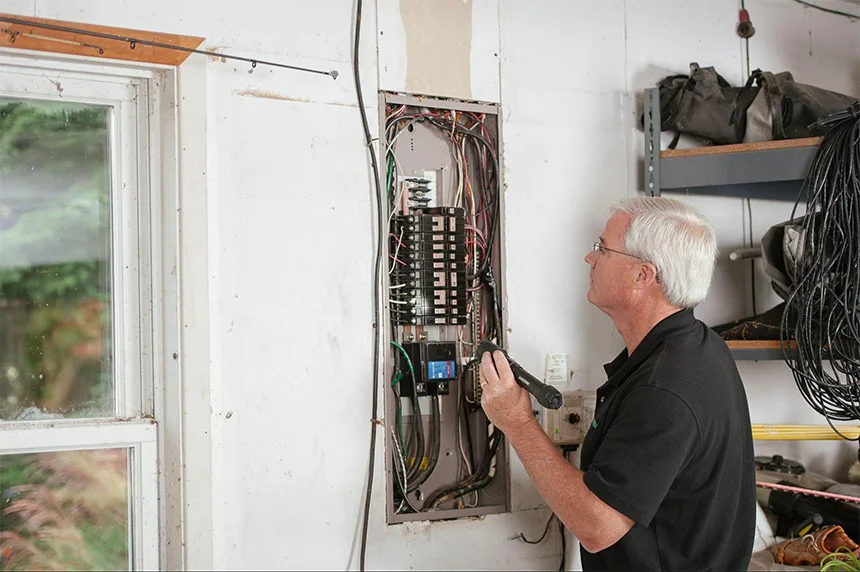
Knowing the beginning point of the temperature difference is the way to solving the problem.
That Little Wall Box Has One Job
Thermostats are not monitoring your entire house. Its sensor reads the air immediately around the device and sends that information to the heating or cooling system.
That makes location important. A thermostat mounted on an interior wall at a comfortable height may get a useful reading. One installed near a drafty door, sunny window, kitchen, vent, or poorly insulated wall can tell a very different story. If the temperature difference becomes severe or the system stops heating properly, emergency HVAC repair may be needed.
The display might show 21°C because the air around the thermostat has reached that temperature. The cold room elsewhere in the house can still be at 16°C.
Start With These Simple Checks
Before opening anything or changing wiring, check whether the temperature difference is real. A separate digital thermometer can help you compare readings.
Place it a few feet away from the thermostat, roughly at the same height, and leave it there for several minutes. Do not hold it in your hands when you check, as your body heat will interfere with the temperature measurement.
Also check these basics:
- Make sure the thermostat is not sitting in direct sunlight or beside a heat-producing appliance.
- Check whether furniture, curtains, or decorations are blocking airflow around the thermostat.
- Look for obvious drafts around the thermostat housing or wall opening.
- Observe temperature variations in a number of different rooms instead of using just one cold spot.
- Check whether supply vents are open and unobstructed.
If the separate thermometer shows about 21°C while the room still feels cold, the issue may involve comfort, humidity, airflow, or cold surfaces rather than a bad temperature reading.
Placement Can Fool a Good Sensor
The placement of thermostats is one of those minor factors which may bring about a major comfort issue.
A thermostat above or near a heat source may warm up faster than the rest of the room. The system then decides it has reached the target temperature and reduces heating. Meanwhile, a nearby hallway or bedroom may remain chilly.
A Cold Exterior wall can create the opposite effect. If the thermostat sits on a poorly insulated wall, its sensor may see cooler air than the center of the room. A nearby draft can have a similar effect.
Furniture also may be in the way – the thermostat hidden behind the bookshelf or in the curtains will not have the usual circulation of air.
Wiring Problems Can Make Readings Go Sideways
The functioning of today’s thermostats depends on electrical connections, which make them communicate with heating and cooling systems. A loose, damaged, incorrectly connected, or incompatible wire can cause unusual behavior.
Possible symptoms include heating that starts or stops unexpectedly, a system that does not respond properly to temperature changes, intermittent operation, or a thermostat that behaves inconsistently.
Some systems also use extra wiring for features such as heat pumps, auxiliary heat, humidifiers, or common-wire power. Even a properly installed thermostat can suffer from incorrect wiring in relation to the system.
Safer Way to Check Things
Homeowners can safely inspect thermostat placement, compare readings with a separate thermometer, inspect visible vents, and replace an accessible HVAC filter according to the manufacturer’s instructions. Avoid opening the thermostat, moving wires, bypassing terminals, or working inside the furnace or electrical panel unless you are qualified to do so.
Turn off the appropriate power before any permitted inspection, and remember that some equipment can have more than one power source. If you catch damaged wiring, burning smells, buzzing, sparking, exposed conductors, or repeated electrical trips, stop and contact a qualified HVAC technician or electrician.
In case of doubt about your safety, do not touch wiring; a single wrong move may harm the equipment or pose an electrical or fire hazard.
Sensor Trouble Has Its Own Clues
The sensor in the thermostat can lose its calibration or malfunction. When that happens, the number on the screen may not match the surrounding air.
A useful clue is consistency. If an independent thermometer repeatedly shows 16°C near the thermostat while the thermostat insists on 21°C, a sensor or calibration problem deserves attention.
Some smart thermostats use internal sensors plus remote room sensors. In that setup, the thermostat may be averaging several readings or prioritizing one room at certain times.
Make sure that you know all the thermostat features before concluding that it does not work properly. A comfort schedule, averaging feature, or remote sensor can change which temperature the system uses.
Airflow May Be Creating a Cold-Weather Mystery
Sometimes the thermostat is telling the truth, yet the house still feels cold.
A room can reach 21°C while occupants feel chilly because heated air is not distributed evenly. This happens as a result of either closed vents, dirty filters, clogged returns, leaky ducts, or improperly balanced ductwork.
Cold floors and exterior walls can affect comfort too. Your body loses heat to cooler surrounding surfaces, so a room can feel colder than its air temperature suggests.
Air humidity is another important factor to consider. Very dry winter air can make a heated room feel less comfortable even when the thermostat shows a normal temperature.
Run This Quick Detective Routine
If there is a discrepancy between the thermostat and your comfort level, try to solve the issue systematically instead of making adjustments in multiple areas all at once.
- Compare the thermostat reading with a reliable thermometer.
- Check the thermostat location for sunlight, drafts, vents, and nearby heat sources.
- Compare temperatures in several rooms.
- Check filters, supply vents, and return-air openings.
- Consider scheduling issues and remote sensor programming.
- Watch whether the heating system cycles normally.
- Have wiring, sensor accuracy, and equipment operation tested if the problem continues.
This will help to differentiate a measurement issue from a heating distribution issue.
Closing Thoughts
There’s more to the temperature puzzle than just a thermostat. Its number can be accurate while another room remains cold, or the reading itself can be wrong because of sensor, placement, or wiring issues.
Start with an independent temperature check and inspect the thermostat’s surroundings. Then look at airflow and system behavior. If those checks point toward wiring, calibration, or equipment trouble, a qualified HVAC technician can test the system safely.
Once you have an idea of whether the issue is what, where, or how the thermostat is measuring, then the mystery of 21°C is no longer a mystery at all.
FAQs
Why does my thermostat read 21°C when it feels colder in my house?
The thermostat is sensing temperature in one place; however, other rooms may be colder due to poor circulation, drafts, insulation, or uneven heating.
Does thermostat placement have any impact on temperature readings?
Absolutely. Sunlight, drafts, vents, appliance heat, exterior walls, curtains, and furniture may impact the temperature surrounding the thermostat.
How do I know if my thermostat sensor is not working properly?
If there are discrepancies in temperature readings using an independent thermometer, it is time to calibrate or replace the sensor on the thermostat.
How do I identify the problem when the thermostat reading is inconsistent with my comfort level?
Check the temperature using another thermometer, the position of the thermostat, vents, filters, returns, schedule, and remote sensors. If nothing works, then it is best to check the HVAC system.