Starting tomato plants from seed is more than just a cost-effective gardening hack; it’s my way to get a sustainable, nutrient-dense food source right at home. In addition to that, it’s a highly rewarding hobby that lets me slow down and reconnect with nature.
Though it is a time-consuming task when compared to buying ready-made tomatoes from the market, it unlocks a wide variety of homegrown flavours that far exceed the market options.
If you are a beginner and want to join in the edible gardening journey, learning how to plant tomato seeds from tomatoes can be the first step in the healthy direction!
How to Grow Tomato Plants from Seeds?
I find growing tomatoes from seeds from the kitchen towel method the easiest! In it, I only need a healthy ripe tomato, a spoon, and a kitchen towel to see the seeds sprouting for my next summer harvest.
Here are the detailed steps on how to plant tomato seeds from tomatoes:
Step 1: Pick a Tomato and Extract Seeds
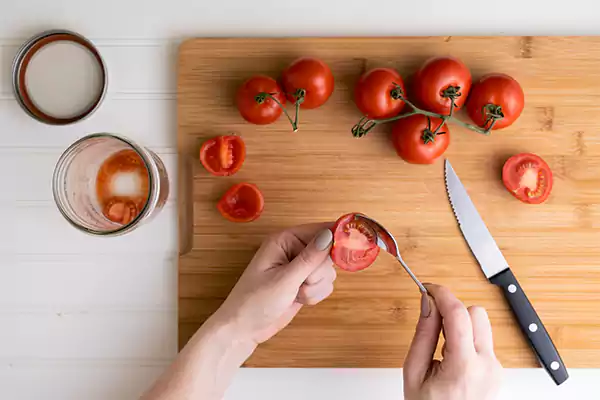
Take a ripe, healthy tomato that is almost dropping off from the branch, cut it in half, and scoop out the pulp and seeds with a teaspoon. Some varieties don’t have many seeds, so just scoop out whatever you can.
Step 2: Arrange the Seeds on the Towel
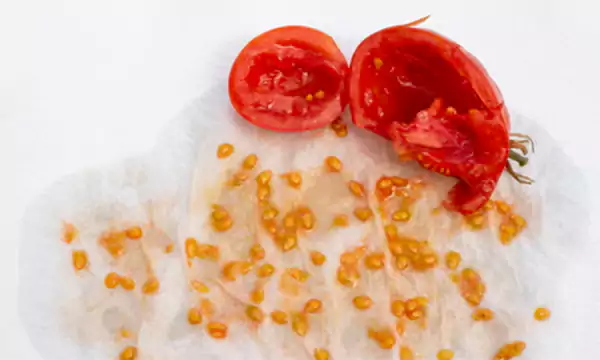
Spread the seeds on one half of a kitchen towel or paper towel. Always ensure that they are well separated (about 1cm gap is preferred).
Step 3: Germination
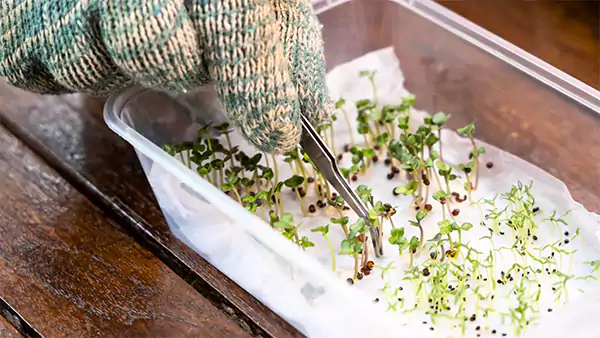
Dampen the towel and fold it over the seeds. To provide a warm environment, place it in a sealed plastic bag. Seeds will sprout within 3-15 days. When the two leaves appear, you will need to place the seedling in light.
Step 4: Planting
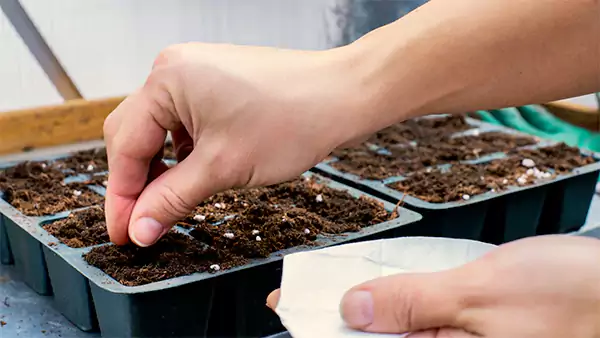
Fill a seed tray or small pot with compost (don’t forget to punch some holes at the bottom for drainage) and gently pick off the sprouted seeds and place them in the soil.
Step 5: Cover and Care
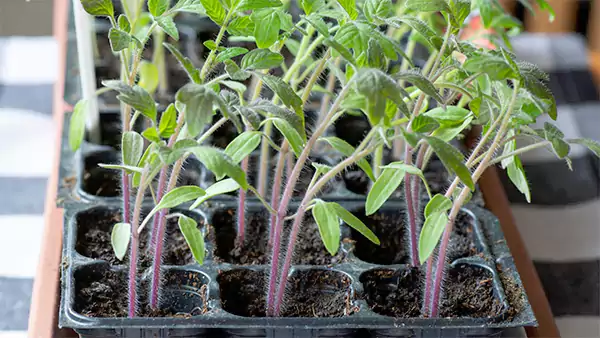
Cover the seeds with a layer of compost, keep the soil moist, and place the container in a sunny location.
Quick Tips
- The best time to start seeds is 6-8 weeks before the last spring frost, about early to mid-march.
- If you are thinking of growing the plants outdoors, one of the crucial garden care tips is to transplant the seedlings 1-2 weeks after the last frost when the soil temperature is consistent.
Did You Know?
According to the Agricultural Marketing Resource Center, tomatoes are the second most-consumed vegetable in the US, next to potatoes.
Best Growing Conditions and Essential Care Tips for Tomatoes
Only understanding the steps of how to plant tomato seeds from tomatoes is not enough if you want to see your plant flourish. You must combine proper planting with consistent care, like keeping seeds in nutrient-rich soil, placing the pot in 6-8 hours of sunlight, and providing regular fertilization to promote high yields.
Ideal Growing Conditions For Tomato Seedlings
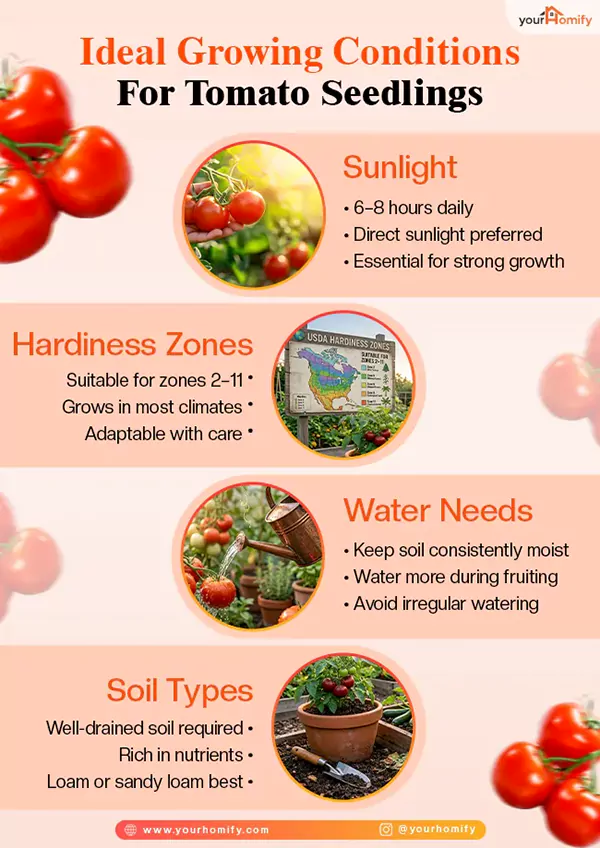
| Sunlight Requirements | At least 6-8 hours of direct daily sunlight is required for optimal growth. |
| Hardiness Zones | USDA zones 2-11. |
| Water needs | Consistent moisture is needed, especially in the fruit setting phase. Irregular watering can lead to split fruits. |
| Soil Types | Well-drained and nutrient-rich soil is needed. Loam or sandy loam works the best. |
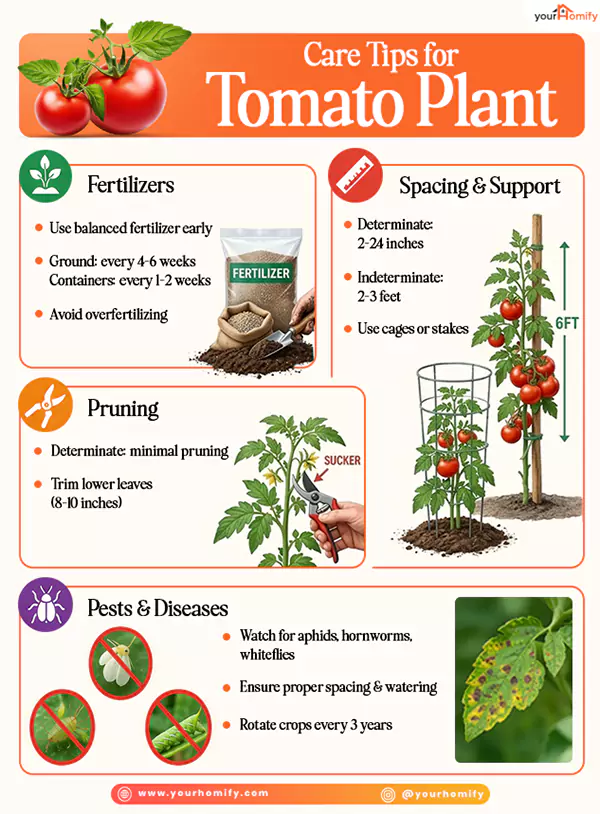
Care Tips for Tomato Plant
- Fertilizers
These plants are heavy feeders and require a consistent supply of nutrients to provide high yields. In the beginning, go for a balanced low nitrogen fertilizer and later switch to high phosphorus and potassium options when the early summer flowers start blooming.
Fertilize the ground plants every 4-6 weeks, and the container plants every 1-2 weeks. Avoid overfertilizing as it can lead to delayed flowering and leaf loss.
- Spacing and Support
The plants require proper spacing and staking or caging support as they grow up to ensure proper air circulation and maximum yields. In the determinate bushes, consider giving a 12-24-inch gap between the plants, and a 2-3 feet space between the rows. Additionally, it is also seen as beneficial to place cages around the bushes to support their heavy fruit load and prevent the branches from breaking.
On the other hand, in indeterminate vining plants, more space is required as they need more room for growth, such as 2-3 feet between plants and 3-4 feet between the rows. Also, place an almost 6-foot-tall stake next to the plant at planting time to keep fruits off the ground.
- Pruning and Maintenance
Determinate tomato plants do not need much pruning, but if you are growing an indeterminate vining plant, then consistent cutting of the “suckers” is needed to maintain its structure.
Prune it weekly, focusing on removing the suckers (small shoots growing between the main stem and the sun leaf) and cutting foliage within 8-10 inches of the soil.
- Pests and Diseases
If the plants are not consistently monitored, they can be susceptible to pests like aphids, tomato hornworms, stink bugs and whiteflies. To prevent them from getting damaged, check the leaves regularly for eggs or visible pests and use insecticide soaps if any pest is detected.
They can also suffer from diseases such as early blight, late blight, Fusarium wilt, and bacterial spot in case of improper watering and lack of spacing. To minimize such issues, avoid planting the tomatoes in the same spot for at least three years to prevent soilborne diseases and remove diseased plants immediately to stop the spread.
Did You Know?
According to UtahState University website, in 1984, the U.S. space shuttle Challenger carried tomato seeds into space to study growing food in orbit, making them the first space-grown vegetables.
Distinct Varieties of Tomatoes
While reading about tomatoes, I got to know about their amazing versatility. Broadly speaking, they are of two types: determinate and indeterminate. Determinate tomatoes are compact, bushy kinds of plants, and indeterminate tomatoes are vining, tall plants.
If you are planning to grow them at home, then make your choice on the basis of factors like space and usage.
| Tomato Variety | Image | Key Points |
| Determinate Tomatoes | 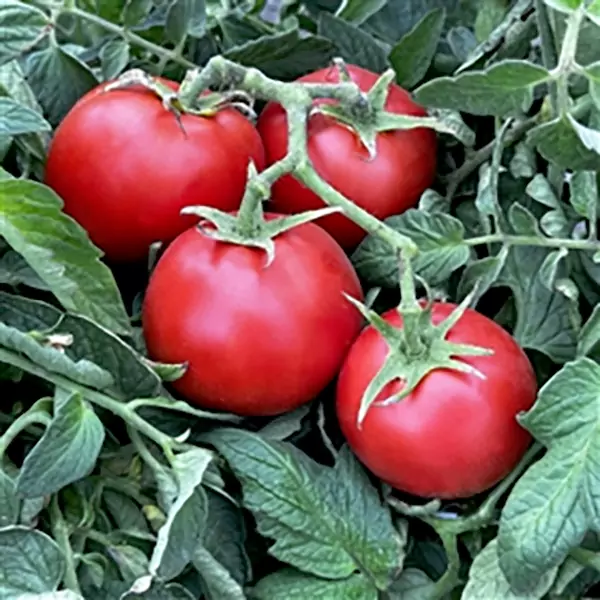 |
|
| Indeterminate Tomatoes | 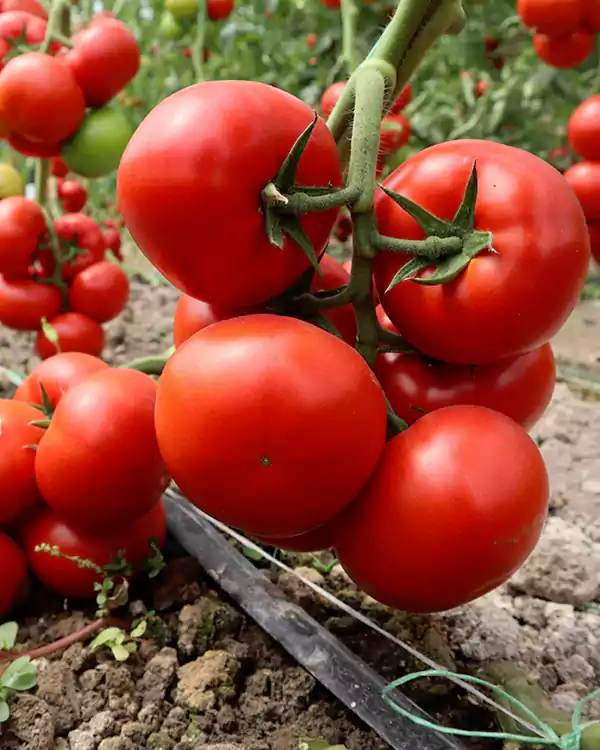 |
|
Common User Problems When Growing Tomatoes from Seeds
On Reddit, I found some common user problems regarding how to plant tomato seeds from tomatoes and their aftercare. Some of the frequent issues were related to leggy seedlings and stunted growth. Let’s address the queries one by one:
- Query 1: Why are my Tomato seedlings stunted?
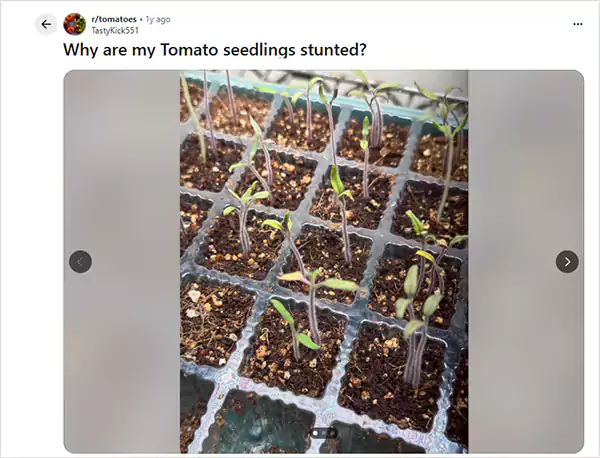
Solution: If your tomato seedlings are stunted, there can be varied reasons for that, including extremely cold temperatures, insufficient sunlight and lack of nutrients. To fix the issue, ensure that your plant is getting enough sun exposure, maintain its temperature above 7°C, and fertilize it with a water-soluble fertilizer.
- Query 2: Why are my seedlings so… puny?!
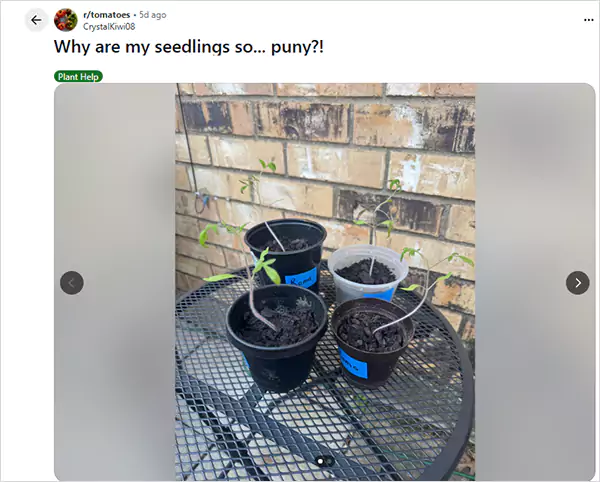
Solution: Punny or leggy seedlings can be caused by insufficient sunlight and overcrowding. To keep the stems thick, keep them in direct sunlight for more than 8 hours a day. If the issue is still not resolved, you can transplant them and bury them deep into the soil. This will lead to the development of new sturdy roots.
- Query 3: Why are my tomato seedlings all growing at different rates?
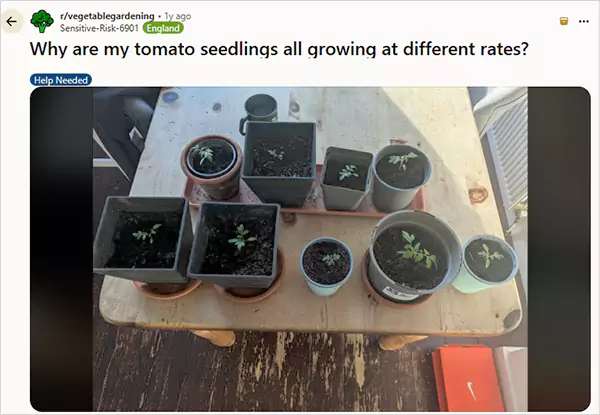
Solution: Tomato seedlings can grow at different rates due to the variation in soil temperature, lightning and nutrient availability. Furthermore, seed quality and genetic differences can also contribute to this varied growth rate.
Final Thoughts
Now that you have understood how to plant tomatoes from fresh tomato seeds, you can certainly enjoy your own homegrown feast that the store-bought tomatoes just can’t match. I won’t deny the fact that it could be a lot of patience-taking task, but the low cost, visually appealing bright yellow flowers and superior flavours certainly make the efforts and time worth it.
If you love tomatoes in your salad and want to grow them at home, the above-mentioned steps to grow, care tips, and common user issues will surely help you cultivate a bountiful crop of tomatoes.
FAQs
How to plant tomato from seed?
Extract tomato seeds from a freshly cut tomato and spread them on a kitchen towel. Store it in the sealed bag for at least 3-15 days until it starts sprouting. Carefully transfer them to the small pot and cover lightly with more soil.
Can I just plant a slice of tomato?
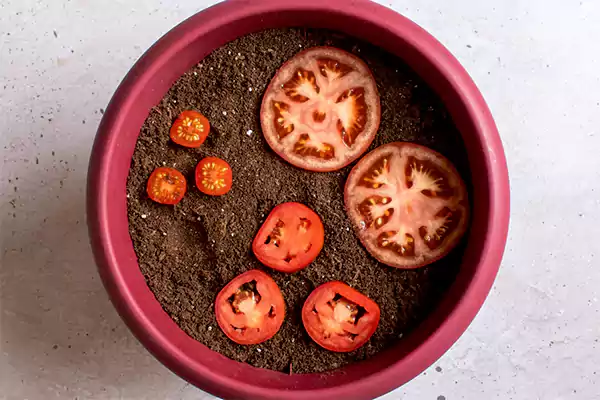
Absolutely, you can directly plant the slice of tomato into the soil and cover it with more soil to see it grow into a plant. However, fermenting seeds is recommended for better management of space.
When to transplant the tomato seedlings?
Move the seedlings into the containers when two sets of leaves are visible and into the gardens 2-4 weeks after the last frost.
How deep should I plant the seeds?
Plant the seeds about ¼ to ⅛ inches deep in the container with drainage holes.
Is it necessary to ferment the seeds?
No, it is not necessary, and you can directly plant them into the soil, but fermentation helps in improving the germination rate and prevents diseases.
- How to save tomato seed – BBC Gardeners’ World Magazine
- Growing tomatoes – BBC
- Tomato– Britannica