Blank walls make any room feel cold and uninviting. But adding some natural elements to your space can instantly change the mood for your home. A few green additions transform a dull area into a fresh, welcoming sanctuary.
Many people look to refresh their living areas but are not exactly aware of where to start. Bringing nature indoors is definitely the easiest and most affordable way to begin this transformation, and you don’t need lots of prerequisite knowledge to make that happen.
Here’s how you can brighten up your indoor spaces by creating the perfect balance and ensuring the correct selection of varieties.
KEY TAKEAWAYS
- Studies by horticultural experts demonstrate that indoor foliage significantly boosts personal productivity and well-being, providing a vital mental break from screens.
- When repotting, only slightly increase the container size to protect the root system from water retention issues and wet soil.
- Starting your collection with low-maintenance, resilient species allows you to learn basic care routines without becoming overwhelmed
The Magic of Indoor Greenery
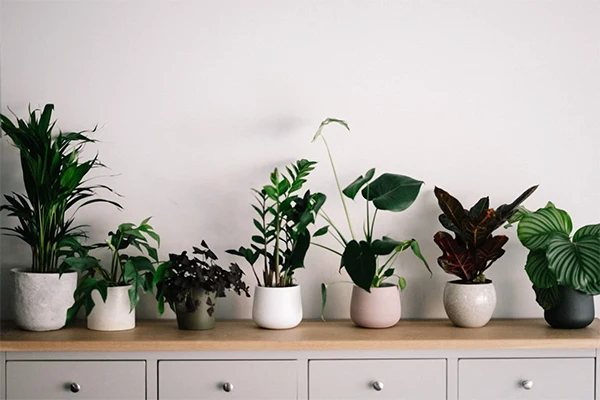
A room full of nature and life looks completely different than one with bare shelves. Green leaves often soften hard corners and add a serene layer of natural texture to your decor.
This simple design trick helps tie different design elements in your house together.
You can place small pots on bookshelves or hang trailing vines from the ceiling. These micro changes develop visual interest at different heights throughout the room, making your home feel much more put together with these simple additions.
A Guide to Planters
Finding the right container is important when you bring a new specimen home. You should think about planter sizing considerations before purchasing a new pot for your green companion. A pot that is too small in size can stunt root growth and damage your plant.
Selecting a proper home for your roots prevents watering problems later on. Larger pots tend to hold water for much longer, which might cause root issues if the soil remains wet throughout. Smaller pots dry out quickly and require you to water them multiple times.
When you repot a growing specimen, you only want to increase the size slightly. Moving a small root system into a massive container can cause soil to stay wet for too long. Gradual increases in pot diameter will keep your green friend growing steadily.
Brightening Up Your Work Environment
Many individuals spend their workdays staring at digital screens in sterile offices. Introducing some green elements to your desk can create a significant difference in your daily routine and mood.
A study by a British horticultural society suggests that the greatest benefits of keeping foliage indoors are related to improvements in personal wellbeing and productivity.
Looking at a living leaf provides a brief mental break during a busy afternoon. This tiny connection to nature helps clear your mind and helps you focus on difficult tasks. You will likely feel more energized throughout the afternoon.
Did You Know?
The Aloe Vera plant consists of 99% water and has the capability of living for over 100 years.
Selecting the Right Varieties
Some plants are much easier to keep healthy than others inside a home. Understanding the specific needs of each species makes selection much simpler.
- Snake plants need very little water and thrive in low light.
- Pothos vines grow quickly and look wonderful cascading from tall shelves.
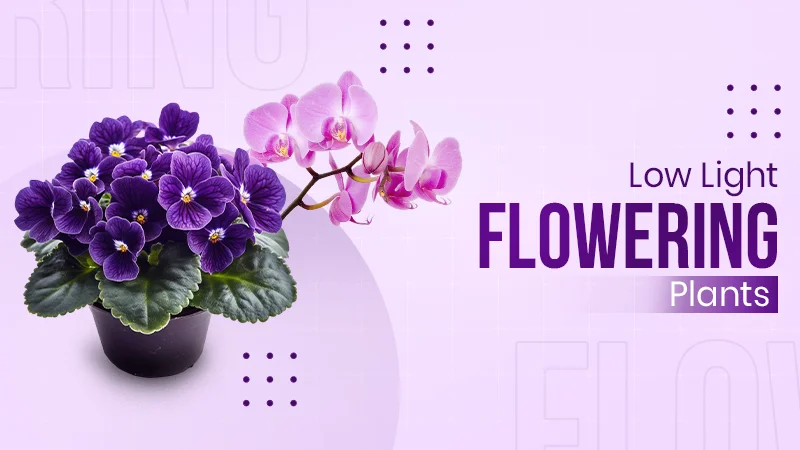
- African violets prefer cozy spaces and rarely need pots larger than 4 inches in diameter.
These choices enable you to design a diverse indoor garden without requiring endless effort. You can select the varieties that match your specific home conditions and environment.
Starting with resilient species allows you to learn the basics without feeling overwhelmed. Once you feel comfortable with these straightforward varieties, you can try growing trickier species.
Gradually, you will develop the skills required to keep any houseplant happy.
Finding the Perfect Balance
You might feel tempted to fill your living room up to the brim with natural additions, but having too much greenery can make a small room feel more cramped and cluttered. Finding the right amount of foliage is key to creating a much more relaxing space.
Research from Stanford University indicates that a greenery level of about 20% produces the strongest feelings of restoration and belonging. A moderate touch of nature is enough to make your home feel comfortable.
Simple Steps for Long-Term Care
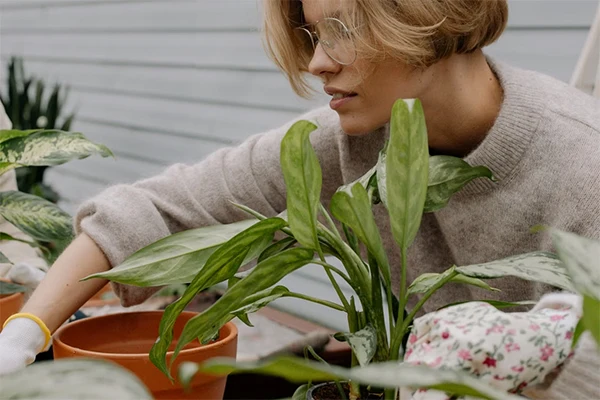
Once you arrange your new green friends, keeping them alive is the next step. Most varieties thrive when you establish a routine for watering and checking the soil. Observing the leaves will tell you if they are receiving the correct amount of light.
Many common mistakes happen when owners water their pots too frequently. It is best to feel the top inch of dirt before pouring any water. If the soil is still damp, you should wait a few days before checking again.
Dusting the leaves gently with a damp cloth allows them to absorb light more effectively. Regular pruning encourages new growth and maintains your specimens for longer. Spending a few minutes every week on such tasks helps you monitor your indoor garden and keep it thriving.
Transforming your living space with natural elements is a rewarding journey that changes how you experience your home. Starting with just one or two pots can quickly develop your confidence as a plant owner.
You will soon enjoy a brighter, healthier environment that feels truly complete.
FAQs
What are the benefits of having indoor plants at work?
Gazing at living plants gives the brain a small break from screens, allowing it to free memory and recharge attention for difficult tasks.
What if I place a small plant in an oversized pot right away?
Too much soil around small roots holds water too long and makes the soil too wet.
How can I tell if there are too many plants in one room?
If the room feels tight and cluttered, you now have more than your ideal number of plants; ideally, you should aim for approximately 20% of plant area.
What is the simplest method to avoid overwatering plants?
Don’t set strict schedules but rather check the upper inch of soil manually and water only if the soil is dry.