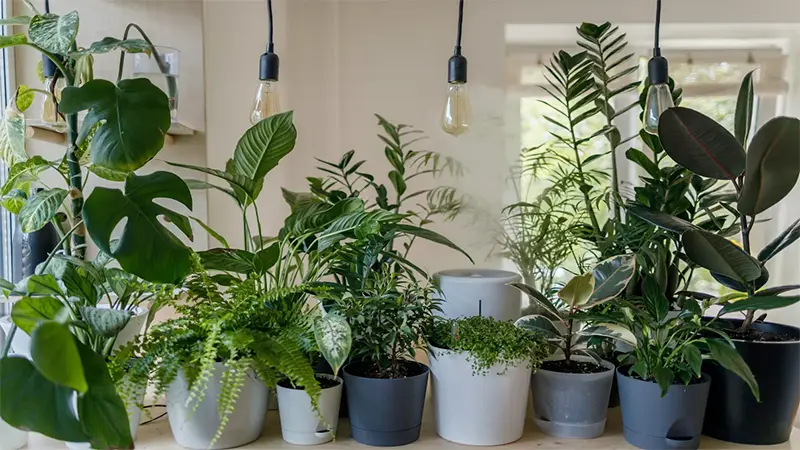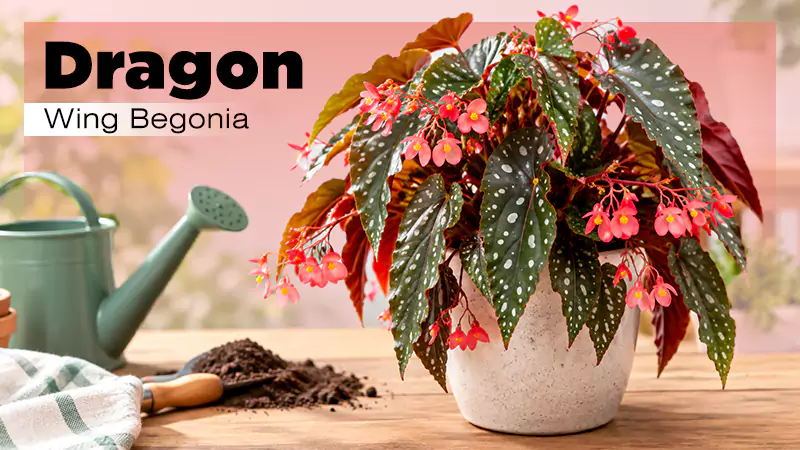
The monstera came from your grandmother. It is not staying behind.
Which is when most people discover that the moving company won’t put it on the truck, and that somewhere between here and the new house there may be a state agriculture inspector with opinions about your potting soil.
Houseplants sit in an odd gap. Too sentimental to abandon, too regulated to throw in a box.
Here’s what actually applies, what to do in the weeks before you go, and how to get them there alive.
Core Insights
- A majority of interstate movers don’t allow live plants in their truck, so automatically, these plants travel in your car.
- Restrictions target the soil more than the species, because soil is what carries pests.
- Check the destination state’s agriculture department before you pack, not at the border.
- Repot into sterile medium about three weeks ahead so roots can recover before travel.
Why Your Movers Won’t Take Them
The reason for this surprises people almost every single time.
Live plants are counted the same as fresh food for many reasons, and hence such categories are on most moving companies’ refusal list. Even guides that cover items movers typically won’t transport group live plants with perishables categories like food because, just like most of the items in these categories, plants also cannot survive without light and attract pests. These can also cause problems while moving across state lines due to certain rules and regulations.
And all of this is justified from the perspective of a moving company, since a van line that consists of items from four households across three states would not contaminate goods with a pot of soil with unknown content.
So ultimately, there’s no other choice but for the plants to travel with you. That single change in the plan puts the entire burden on you.
The Rules Are Real, and They Vary
Here’s the part almost nobody checks until they’re already at a state line.
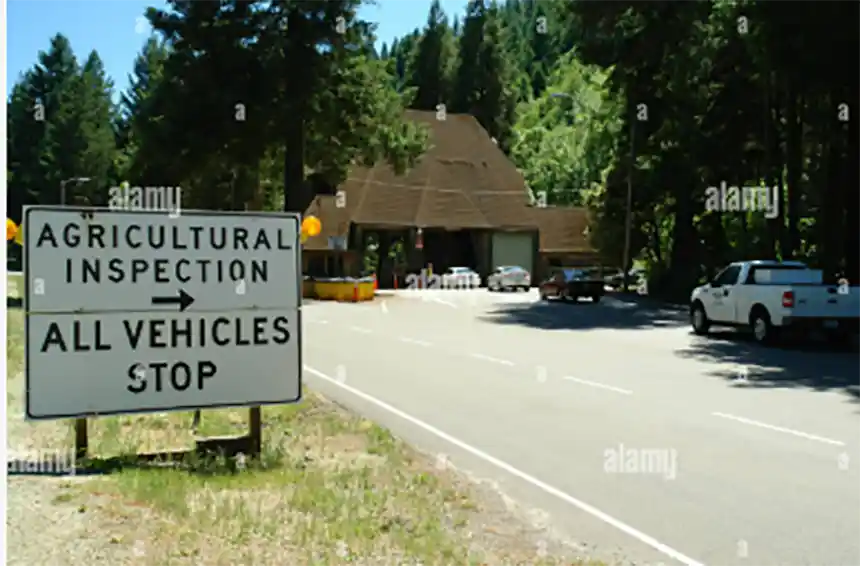
Interstate plant movement is regulated, and the regulation happens at the state level. Some states run agricultural inspection stations on their highways and will ask what you’re carrying.
Answering honestly is considerably cheaper than the alternative.
Its best example is California, where the rules for such situations are clearly mentioned and published, and the border stations are properly equipped. Infact The California Department of Food and Agriculture clearly put out that certain organisms like plants and insects aren’t allowed and anyone who wish to bring those into the state, must have a legal permit like a phytosanitary certificate.
CDFA also warns that importing or smuggling live plants carries serious legal and financial consequences.
Its Pest Exclusion Branch publishes a houseplant-specific Q&A and answers questions directly at (916) 654-0312, which is a far better use of ten minutes than guessing.
Other states are less dramatic about it.
Several barely regulate houseplants at all. The point is that you find out which kind you’re moving to before the van is loaded, not after.
Soil Is the Thing That Gets You Stopped
Nearly every restriction traces back to the same material, and it isn’t the plant.
Soil carries what regulators actually care about. Most quarantine rules don’t care about the species of plants growing, but the soil in which they are growing because it’s this soil that may be a home to molds, weeds, nematodes, fungus, and pathogens without you knowing.
That’s why the standard advice is to arrive with roots in something inert. Bare-rooting works for hardier plants. So, repotting into a freshly prepared commercial soil-free mix solves the problem of the soil being infected by undesirable organisms while still keeping the plant healthy and fresh.
But here’s the thing: you need proof of the label via a bag or a photo so that when and if an inspector asks what your ficus is sitting in, you can clearly state, “sterile coir and perlite, bought last month” rather than fumbling.
The Weeks Before You Go
Start earlier than feels necessary. Roots need time to recover from being disturbed, and a plant repotted the night before travel will arrive in worse shape than one repotted a month out.
- Four weeks out, check the destination. Search the state’s department of agriculture for houseplant or plant quarantine guidance, and call if the website is ambiguous. Write down what you find.
- Three weeks out, be honest about what travels. A mature fiddle-leaf fig in a ceramic pot is a two-person lift and a car seat you no longer have. Some plants are worth giving to a neighbor and replacing.
- Three weeks out, repot what’s staying with you. Clean the roots so that the old soil washes off, and then place the plant in a lightweight, fresh, sterile medium like a plastic pot. The ceramic can travel packed separately.
- Two weeks out, inspect and treat. After two weeks, do a quality check on the soil and undersides of the leaves to avoid pesticides. And anything you find that needs treatment, work on it right away while there’s still time.
- One week out, prune. Remove all the damaged parts, like leaves, which may stop the plant from growing healthily. Also make sure to cut the leggy growth because a proper amount of foliage will reduce water loss, which will lead to less bruising while in transit.
- The day before, water lightly. Damp, not saturated. A waterlogged pot in a hot car is how root rot starts.
Getting Them There Alive
A car is a hostile environment for a plant, and the hazards are the ones you’d expect.
Heat is the main one. A parked car in summer sun reaches temperatures that will cook foliage within an hour, which means plants come into the hotel room with you rather than staying in the vehicle overnight. The same thing happens during winters as well, because such extreme temperatures, especially during the night, will freeze most tropicals, and they will die.
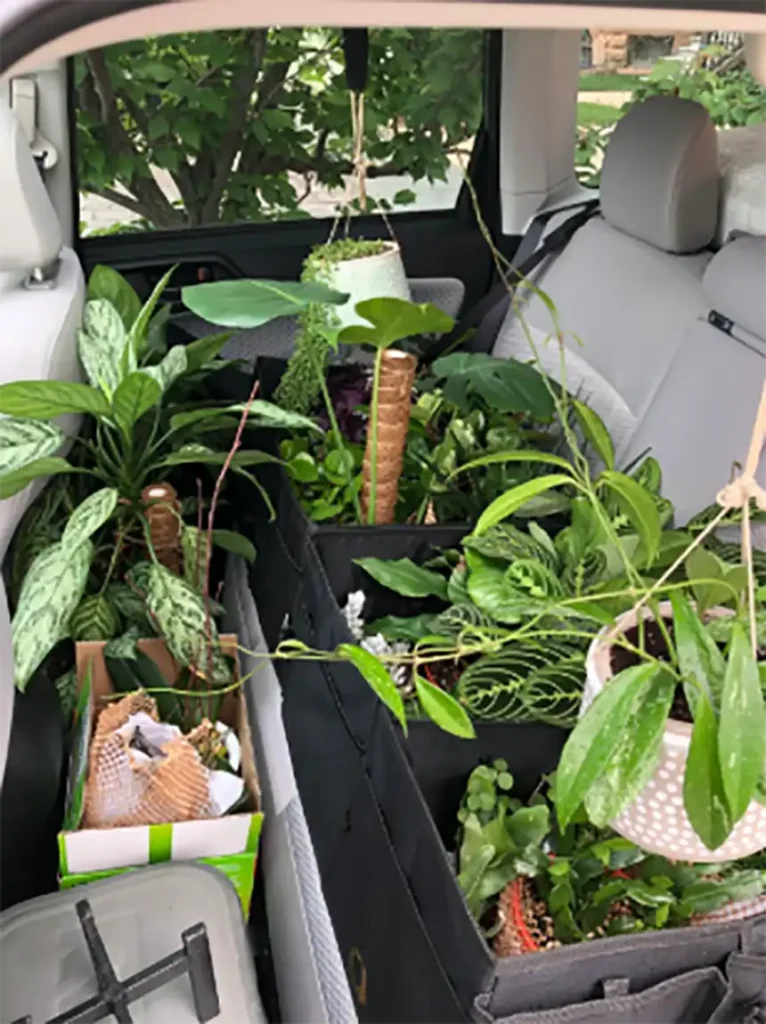
To avoid all this, always use open and spacious boxes like laundry baskets to pack your pots; also wedge these baskets with towels so that your pots don’t slip while the transport is moving. Leave the tops open for airflow. A closed box for two days produces exactly the humid, dark conditions mold enjoys.
And keep them out of direct sun through the window. Glass concentrates heat in a way that scorches leaves faster than open air does.
Settling In
After a move, plants generally look terrible for a while, with dropped leaves and dropping stems, but this is very normal, so don’t panic and overwater the plants in an attempt to fix them because this can actually make things worse.
Give them two weeks in moderate light before judging anything. Hold off on fertilizer for a month, since damaged roots can’t use it and the salts build up.
The plants that survive a relocation are usually the ones whose owner did the boring part early. Everything else is luck and air conditioning.
Can I take houseplants across state lines in my car?
Usually yes, though it depends on the destination. Some states restrict or prohibit certain species, and most regulate soil, so check with the receiving state’s agriculture department first.
Do I have to remove all the soil?
Often, in practice, the medium, which is the soil, carries most of the unwanted organisms like pests, which can affect the health of a plant. So the best approach for a situation like travelling is repotting the plant in a lightweight and soil-free medium or simply bare-rooting it for hardier plants.
What should I expect at an agricultural inspection station that may come up while travelling?
During travelling, one should be mindful of an agricultural inspection station and should prepare accordingly. If an inspector asks about the material of your plant, having clarity and answering with honesty is a good option, as undeclared plants might be confiscated.
How long after a move do plants generally start to recover?
Most plants just take a few weeks to recover under the right conditions for their growth, which includes a proper supply of sunlight and light watering. Leaf drop in the first two weeks is common and rarely means the plant is dying.
CDFA Bringing Plants and Animals Into California — for the import permit and phytosanitary certificate requirements, the prohibited-species position, and the Pest Exclusion Branch contact