Your roof does a lot to safeguard your home against adverse weather conditions every day. This is especially important for areas that face sudden climate changes almost every day.
But because it sits overhead and out of sight, it’s easy to overlook until there’s a drip or a mystery stain on the ceiling. You don’t need to be an expert to notice early signs; with a few simple checks, you can catch trouble before it hits your wallet.
Here’s how to identify such problems and cues, and when repair or replacement makes the most sense.
What Wear Looks Like
A roof often gives you hints before it transforms into a full-blown problem. You may notice shingles that appear curled, cracked, or patchy. Some even start shedding granules, which may look like coarse black sand collecting in gutters. Flashing around chimneys or vents may also loosen over time.
From the ground, scan for sections that look uneven or darker than the rest. Inside, look up at ceilings and attic boards for any damp spots. Once you’ve spotted something that looks off, the next step is getting a trained eye on it rather than guessing at the severity yourself. If you’re looking for a roofing company Garner has plenty of professionals who can assess the condition of your roof and suggest repairs.
Don’t climb onto the roof unless you know what you’re doing. A pair of binoculars and a slow walk around your yard is often enough. Think of it like checking fruit at the store. If the outside already looks rough, the inside may not be having a great day either.
After Storms and Heat
Weather can age a roof faster than you think. A strong storm may not rip the whole thing apart, but it can loosen shingles, dent metal, or push water into tiny gaps. Wind likes to lift edges. Rain likes to sneak in after that. They work like a rude team.
Hot weather causes a different kind of stress. Long stretches of sun dry out roofing materials and make them brittle. In humid areas, this trapped moisture can influence mold growth or start rot under the surface. Even if the topside looks fine, the layers below may be getting impacted silently.
After heavy rain or wind, check your yard and gutters for bits of roofing material. Look for fallen branches too. A branch doesn’t need to crash through your roof like a movie scene to cause trouble. Sometimes a scrape or repeated rubbing is enough. Seasonal checks after summer storms and cold snaps can save you from ugly surprises later.
Small Clues Indoors
Sometimes the clearest roof warnings show up inside your home. Water stains on the ceiling are the usual clue, but they’re not the only sign. Peeling paint near the top of walls, a musty attic smell, or damp insulation can all indicate a creeping moisture issue.
You may also notice rooms that feel drafty or harder to keep cool. That can happen when roof damage affects ventilation or lets outside air creep in. If your energy bills rise but your thermostat habits haven’t changed, your roof and attic may deserve a closer look.
Pay attention to timing. If stains grow after a storm, that’s a strong hint. If a smell gets worse during hot weather, moisture may be trapped somewhere above. These signs can seem small at first, which is why people put them off. Then one rainy weekend turns a tiny stain into a ceiling puddle. That’s not the kind of indoor water feature anyone wants.
When Repair Makes Sense
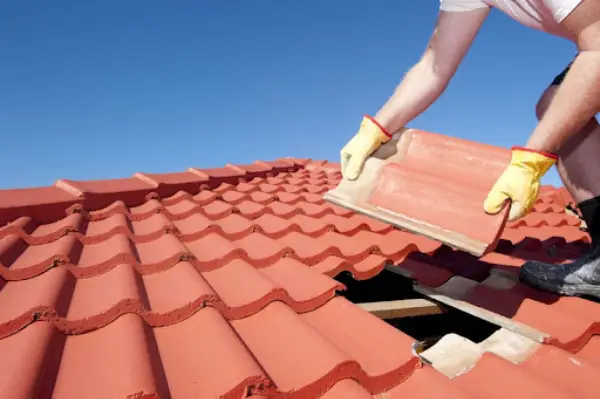
A full replacement isn’t the answer to every roof problem. When damage stays confined to one area, a targeted repair usually handles it. A handful of missing shingles, a bit of loose flashing, or a single isolated leak can typically be sorted without touching the rest of the roof.
Timing matters a lot here. A quick repair is usually a lot cheaper and simpler than waiting until water soaks inside wood, drywall, or insulation. One loose section can become a chain reaction if wind and rain keep striking it.
A good rule is to look at age and spread. If your roof is still fairly young and the problem is clearly contained, repair often makes sense. Ask questions like:
– Is the damage in one area?
– Did it happen after one storm?
– Has the roof otherwise performed well?
That said, patch jobs should actually solve the problem, not just hide it. A repair should feel like fixing a flat tire, not putting a sticker over the warning light.
When Replacement Fits Better
Sometimes a roof has simply reached the point where repairs become a repeated task. If it’s older, leaking in multiple places, or showing signs of wear, replacement may be the smarter move for the long term. Nobody wants to keep paying for the same headache in monthly installments.
Sagging areas deserve extra attention. That can point to trapped moisture or structural weakness below the shingles. Large bare spots, repeated granule loss, or shingles that are curling across many sections also suggest the roof is wearing out overall, not just in one corner.
Replacement can also make sense when repair costs start stacking up. If you’ve had several fixes in a short time, it’s worth comparing that total with the value of starting fresh. A newer roof may improve comfort, lower maintenance stress, and help protect the rest of your home better.
This doesn’t mean every older roof is doomed. Some age well with good care. But if your roof keeps asking for attention like a drama queen, it may be telling you it’s ready to retire.
How to Plan Ahead
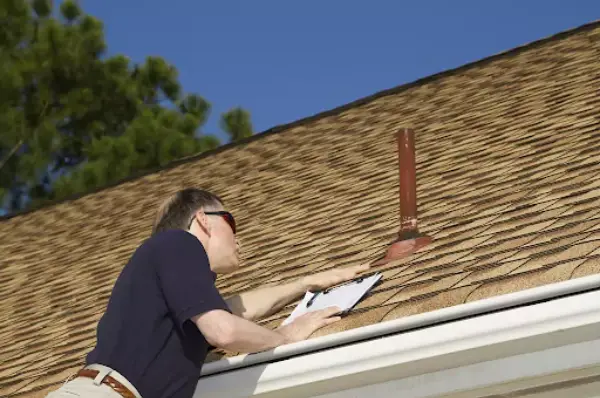
The easiest roof problem to manage is the one you identify early. A simple routine can benefit a lot. Walk around your home a few times a year, check after major storms, peek into the attic when seasons change. Look for stains, dampness, and odd smells.
Keep gutters clear so water can move away properly. Trim branches that hang too close. If you spot something unusual, take a photo. That makes it easier to track whether a stain grows or shingles shift over time.
It also helps to get estimates before a problem becomes urgent. When you’re not under pressure from an active leak, you can compare options more calmly and ask better questions. Try to learn the rough age of your roof too. That gives you a better idea of whether you’re dealing with a repair season or a replacement season.
Your roof doesn’t need daily attention, just occasional respect. A little watchfulness now can spare you a lot of stress later, and that’s a pretty solid trade-off.
When should I look for a replacement?
If the roof is older, leaking in multiple places, or showing signs of wear, replacement may be the smarter move for the long term.
What are the signs that indicate hidden damage?
The following are the clues:
- Water stains
- Peeling paint
- Musty Smell
- Damp insulation
How do I plan to identify future problems early?
A simple routine can benefit a lot. Walk around your home a few times a year, check after major storms, and peek into the attic when seasons change. Look for stains, dampness, and odd smells.