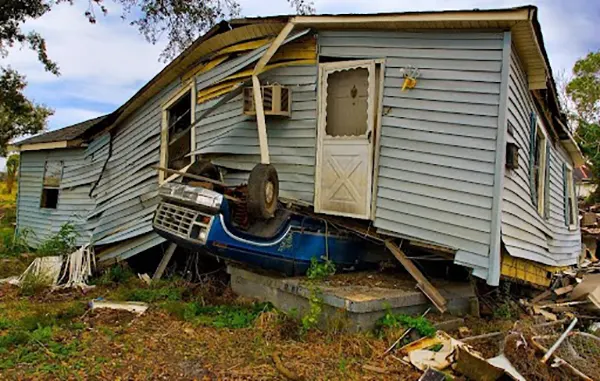
Severe weather rarely announces itself with enough warning to fix what should have been handled months earlier.
By the time the sky darkens and the forecasts change from cautious to urgent, it’s too late for any meaningful preparation.
Homeowners who view preparedness as a seasonal scramble often wind up making hasty choices, paying top dollar for last-minute assistance, and crossing their fingers that shortcuts will stand up to forces that respect none of them.
The smarter approach treats preparation as an ongoing rhythm rather than a frantic response.
What follows is a practical look at how to build that rhythm without losing weekends to it.
Key Takeaways
- Building a Year-Round Readiness Mindset
- Reviewing the Roof and Drainage Pathways
- Securing the Outdoor Environment
- Strengthening the Power and Communication Plan
Building a Year-Round Readiness Mindset
Most homes have windows and doors that were never built to handle the force of a serious storm, and owners keep postponing the upgrade because it feels disruptive or expensive in the abstract.
And those same windows and doors are the first points of failure when high winds drive debris against them, and once one gives way, pressure inside the house rises fast enough to lift roofs and collapse walls.
Year-round preparation starts with resolving that vulnerability before the next storm cycle, which is why many homeowners choose to work with Storm Pro Window and Door company to install custom impact-resistant windows and hurricane-rated doors built for sustained high winds.
Investing in these specific products eliminates the scramble for shutters and gives a household :
- genuine peace of mind
- since the protection is permanent, tested, and integrated into the home itself.
Mindset matters as much as materials. A homeowner who walks the property every season looking for:
- Changes
- Settling
- wear, or damage will spot small issues before they grow into structural problems.
Routine attention costs nothing and saves the largest expenses later.
Reviewing the Roof and Drainage Pathways
The roof carries the heaviest burden during any severe weather event, taking direct hits from wind, rain, hail, and debris.
A twice-yearly inspection catches :
- lifted shingles
- exposed nails
- soft spots
- and flashing that has pulled away from joints.
Catching these early means a simple repair rather than a torn-off section after the next system passes through.
Drainage deserves equal attention.
Downspouts should extend several feet from the house, directing water onto soil that slopes away rather than pooling near the walls.
Clean gutters in late spring and again in late autumn, and check after any significant wind event for blockages that may have shifted into place.
Securing the Outdoor Environment
Yards hold more potential projectiles than people realize until something they own ends up across the street.
Patio furniture, planters, grills, decorative items, and gardening tools all become hazards once a storm system moves through.
Establish a defined storage spot for each item so the household can secure everything quickly when a warning comes through.
Trees and large shrubs need yearly attention from someone who understands how branches behave under stress.
Dead branches, split trunks, and root issues are far easier to address calmly than during the chaos of an approaching system.
Strengthening the Power and Communication Plan
Outages remain one of the most common consequences of severe weather, and households that prepare for them in advance handle the disruption with much less stress.
A battery-powered radio, flashlights in every room, fresh batteries stored in a known location, and a portable charger for phones form the baseline.
Families with medical equipment that depends on electricity should arrange backup power well before they need it, and they should test that backup regularly.
Communication plans matter equally.
Every member of the household should know how to reach the others if separated, where to meet if home is not accessible, and which neighbor or relative serves as a check-in contact.
Stocking Essentials Without Overdoing It
Pantries should hold enough shelf-stable food and bottled water for the household to manage comfortably for several days.
Rotate stock through normal meals so nothing expires waiting for an emergency.
Keep manual can openers, basic cooking tools that do not require electricity, and a first aid kit that someone actually knows how to use.
Documents deserve their own preparation.
- Insurance policies
- Identification
- property records
- and medical information should be scanned
- backed up to secure cloud storage
- and kept in a waterproof container at home.
Pets need their own supplies too, including food, water, carriers, and any medications they take regularly.
Maintaining the Walls, Foundation, and Seals
Siding panels loosen over time, allowing moisture to creep into wall cavities where it does slow damage long after the rain has stopped.
Walk the exterior twice a year and check for warped boards, separated seams, or soft spots that suggest hidden water intrusion. Pay particular attention to corners and transitions along the siding, since those areas tend to fail first.
Foundations need similar care. Cracks may seem minor when they first appear, but they widen with each freeze cycle and water intrusion. Address them while they are small.
Keeping the Habit Going
The household that prepares well treats each season as a chance to inspect, repair, and improve something specific.
Spring focuses on roofs and drainage. Summer handles outdoor securing and tree work. Autumn covers :
- Seals
- Insulation
- and emergency supplies.
Winter, where applicable, addresses heating systems, pipe protection, and indoor safety equipment.
None of this work is glamorous, and most of it never gets noticed by anyone outside the home.
That quiet competence, though, is exactly what separates households that ride out severe weather with confidence from those that face it with regret.
FAQs
What is the best way to prepare for severe weather?
For personal safety, identify the nearest storm shelter and have an emergency or evacuation plan.
How does your house protect you in different weather conditions?
A strong brick house can stand against heavy rain and wind, while a treehouse gives you a fun spot to stay high in a tree, away from animals on the ground.
What’s the difference between severe & extreme weather?
Severe weather is one type of extreme weather, which includes unexpected, unusual, severe, or unseasonal weather and is, by definition, rare for that location or time of the year.
How to prepare your home for heavy rain?
Escape the weather and lose yourself in a captivating film at the cinema.From Hollywood’s latest blockbusters to family classics and beyond, there’s plenty of great films to watch.