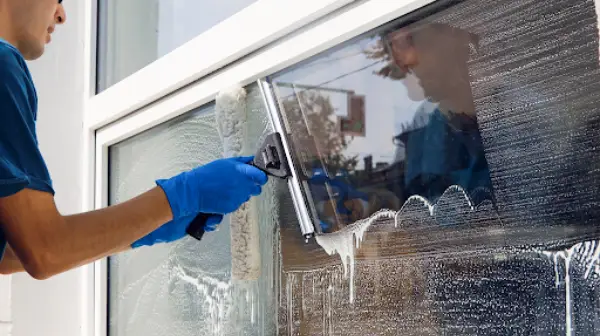
Completing a renovation always brings a sense of relief, but the sight of windows after the builders pack up often ruins the mood. Drops of dried paint, gray cement spots, and stubborn primer stuck on the glass.
Removing such contaminants with a normal cloth or spray is simply impossible. Moreover, attempts to scrape it off with a sponge or a knife always end badly with deep scratches being left behind. To restore clarity to the surface without damaging it further, you need a smarter approach.
Here’s how you can perform post-construction window cleaning using special techniques and proven solutions safely.
Why Primer Is Considered the Toughest Contaminant
Primer is designed to bond materials at the molecular level. When it lands on glass and dries, it forms a durable polymer film. It becomes practically one with the surface. Plain water or alcohol-based solutions won’t affect it at all.
If the stains are left for a prolonged period of time under direct sunlight, polymerization only intensifies. In that case, cleaning would require far more time and effort.
It is best to wash off the drops immediately while they are still wet. If the moment is missed, you will have to use special solvents or acid compounds. They should be applied locally with a cotton swab or a small sponge.
The main rule is to soften the film, not to scrub it with force. A few minutes after applying the agent, the spot begins to roll up, and you can easily remove it with a soft wipe.
Safe Cement and Plaster Removal Without Scratches
Hardened cement mortar is tough and stony, but has a major weakness. Cement holds moisture very well, becoming brittle under the influence of mild acidic solutions.
Never scrape off dry cement with a scraper. Small sand grains in its composition act as an abrasive. They instantly leave a network of fine scratches on the glass that cannot be polished out later.
Spots need to be generously wetted with water mixed with vinegar or a special cement film remover. Leave the liquid on the surface for five minutes so the solution soaks in and softens the buildup.
Once the cement becomes soft, it is carefully removed with a silicone spatula or soft foam sponge. Movements must remain smooth, starting from the edges of the spot toward its center.
If the cement layer is very thick, repeat the soaking process several times. Haste in this matter always costs too much, as replacing a window pane is far more expensive than cleaning products.
Step-by-Step Technique for Cleaning Glass from Paint
Paint comes in various types, and the choice of cleaning method depends on it. Water-based compositions wash off easily in comparison, whereas acrylic and oil paints need more attention.
Experienced specialists from ATX Clean Pressure Washing often combine chemical softening with delicate mechanical action. This saves time while completely preserving the integrity of the glass.
For the work, you will need a special construction scraper with replaceable blades. A regular blade from a utility knife is not suitable, as it may have invisible burrs and uneven edges.
Before beginning the procedure, the glass must be moistened with soapy water. Working with a scraper on a dry surface is strictly forbidden, as it more often than not causes major damage to the glass.
Here is the sequence of actions that prevents damage while removing paint:
- Spray warm, soapy water over the glass. Never scrape dry – you will scratch it.
- Hold a proper construction scraper at a low 30-degree angle.
- Push forward, moving from the edges toward the center.
- Clean the blade with a wet rag after every single pass to avoid dragging grit.
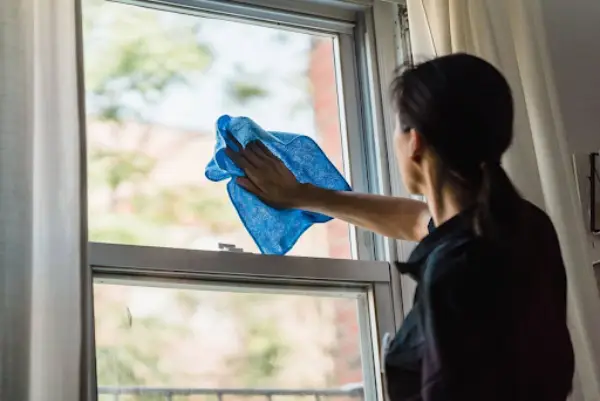
- Wash away residue with clean water and buff dry with a soft microfiber cloth.
After completing the above-mentioned steps, not a single trace of renovation work would remain on the glass. The main catch in this technique lies in keeping the blade straight and avoiding sudden side-to-side movements (shifting the blade sideways while pressing down would almost certainly leave a deep scratch).
Care for Plastic Frames and Rubber Seals
During cleaning, it is easy to get carried away with the glass and forget about the frames. However, plastic absorbs construction dust and primer just as actively.
The white PVC profile has a porous structure, so dirt gets deep inside. If you rub it with abrasive powders, the surface will become rough and start getting dirty even faster. Only liquid detergents or special non-abrasive creams are suitable for plastic. A regular soapy solution handles most fresh spots perfectly.
Special attention must be given to the rubber seals. Construction dust dries out the rubber, making it brittle and reducing its airtightness. After washing, the seals must be wiped dry and lubricated with silicone grease. This will preserve elasticity and protect them from freezing in winter.
In regions with a hot climate, the sun dries out any chemical products on the frames very quickly. Therefore, all work should be done in the shade or during early morning hours.
Mistakes That Ruin New Windows
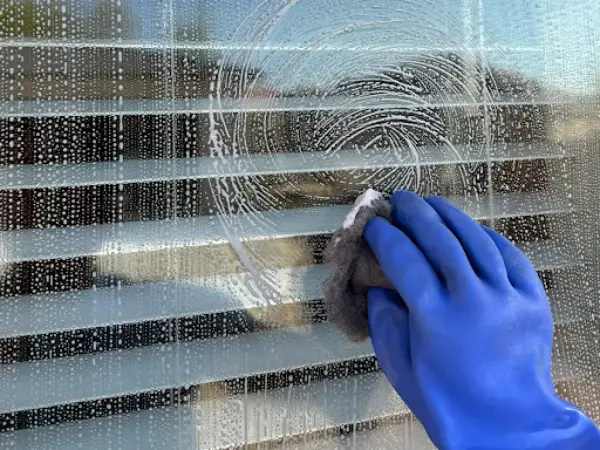
The most common mistake homeowners make is using metal scouring pads. They seem convenient, but they leave a solid hazy trail that can no longer be removed.
Another mistake is applying harsh solvents like pure acetone to plastic frames, thereby melting the top layer and leaving permanent yellow marks. Abrasive household powders are just as risky because they strip away the factory gloss, leaving the PVC dull and rough.
It is also easy to overlook the frame drainage channels during cleanup. Construction dust quickly fills up these minor cracks, leading to indoor leaks during heavy rain. A quick swipe with a narrow vacuum attachment inside the grooves removes the grit and prevents the window hardware from jamming over time.
Final Thoughts on Post-Construction Cleaning
Cleaning window sills and glass after a renovation takes a bit of patience, but using the right techniques with care makes your windows sparkle for years to come, whether you’re working with post-construction mess or something else entirely.
What are the steps to prevent damage while removing paint?
The following are the steps:
- Spray warm, soapy water over the glass
- Hold a proper construction scraper at a low 30-degree angle
- Push forward, moving from the edges toward the center
- Clean the blade with a wet rag after every single pass
- Wash away residue with clean water
What is the most common mistake homeowners make?
The most common mistake homeowners make is using metal scouring pads. They seem convenient, but they leave a solid hazy trail that can no longer be removed.
What should I do with cement spots on the windows?
Spots need to be generously wetted with water mixed with vinegar or a special cement film remover. Leave the liquid on the surface for five minutes so the solution soaks in and softens the buildup. Then you can begin the cleaning process.