


| Common Name | American Pillar Arborvitae, Full Speed a Hedge, American Pillar, Columnar Arborvitae | Maintenance | Low |
|---|---|---|---|
| Native Region | Northeastern US and Southeastern Canada | Average Height | 15-25 feet |
| Plant Type | Evergreen Coniferous shrub or tree | Average Width | 3-4 feet |
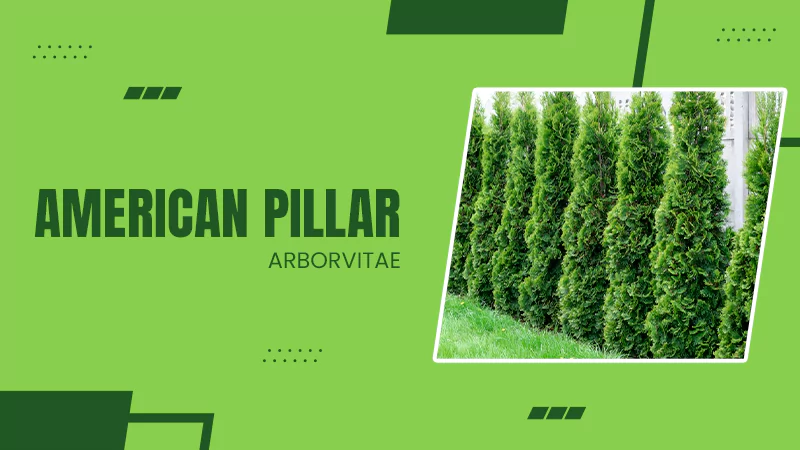
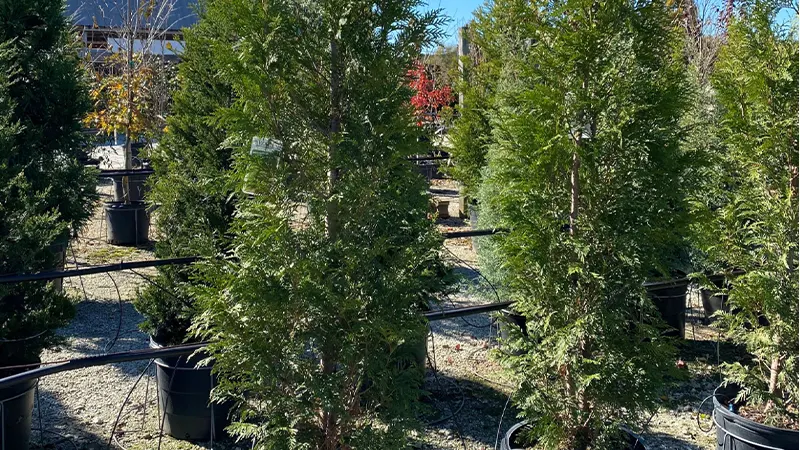
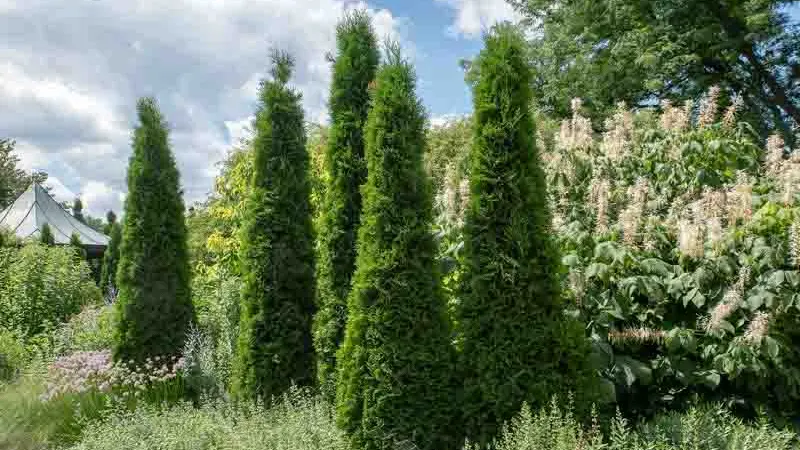
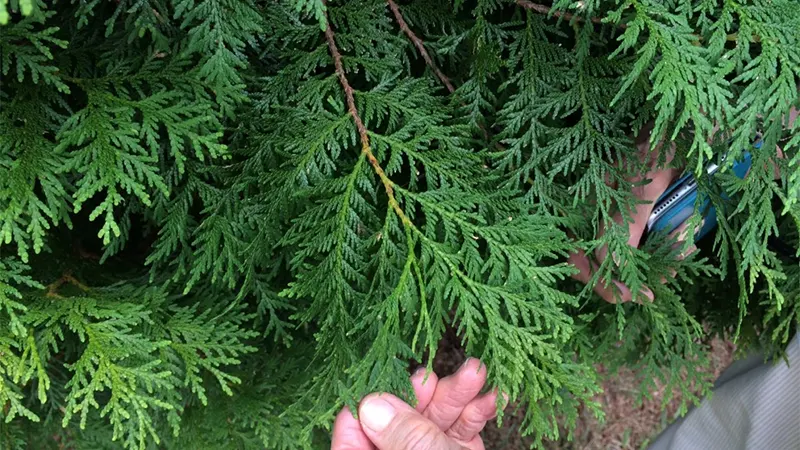
American Pillar Arborvitae, scientifically called Thuja occidentalis ‘American Pillar’, features dense columnar year-round foliage growth that makes it the favourite of both landscapers and homeowners. This cold-hardy coniferous tree, adding upto three feet every year, can be ideally used in diverse spaces without any second thoughts.
Key Features and Benefits of American Pillar Arborvitae
- It produces a rich green feathery foliage that stays dense from top to bottom all year round.
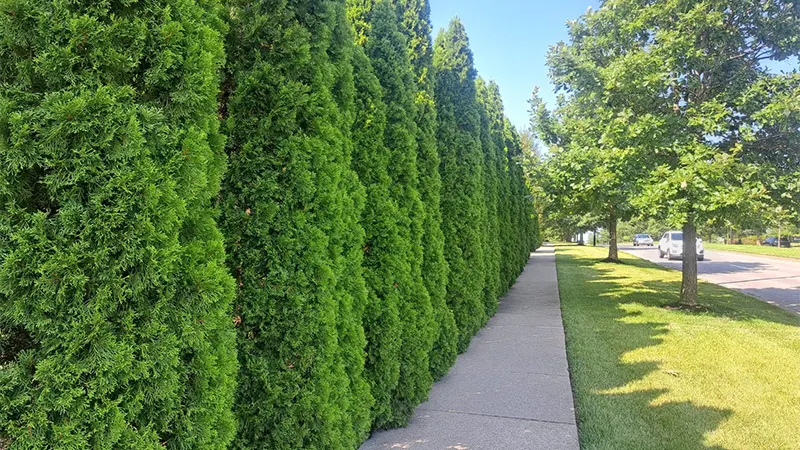
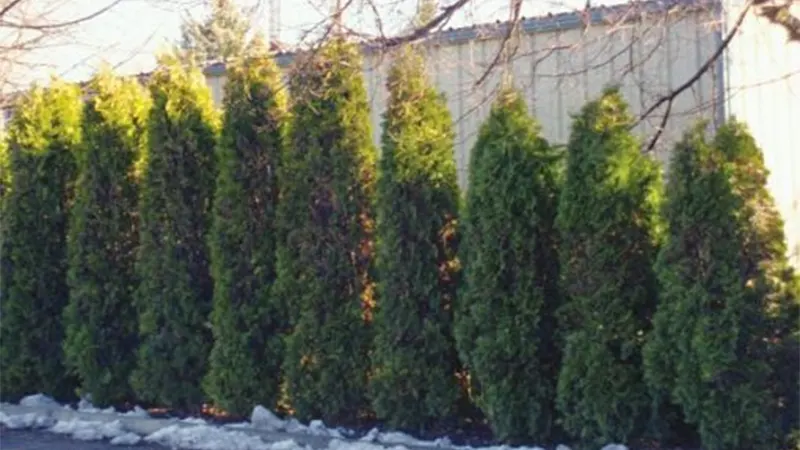
- The American Pillar Arborvitae size is ideal for quickly blocking noise, wind and unwanted views.
- The Shrub can thrive well with a single annual application of the fertiliser in early spring. It’s preferred not to fertilise after mid-summer to prevent winter damage.
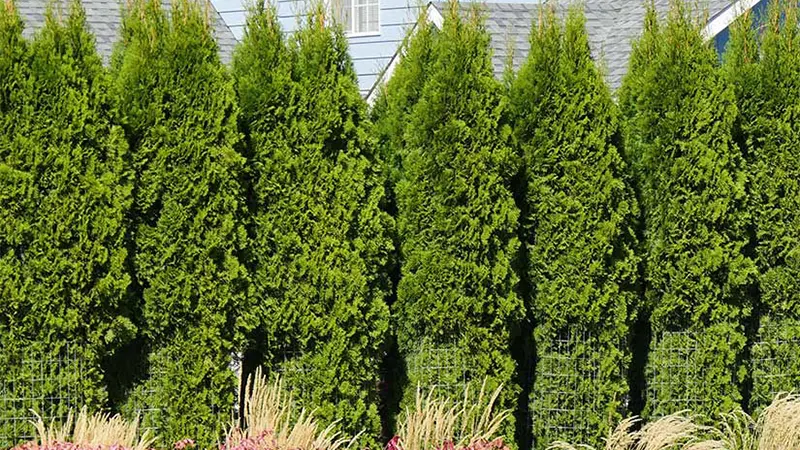
- Due to its vertical, narrow and slender form, the tree is perfect for narrow planting beds and small yards.
Care Guide, Advantages, and Disadvantages of American Pillar Arborvitae
- Growing Zone: USDA zones 3-8
- Sunlight Exposure: 6-8 hours of direct sun exposure is required for the best growth and density of the foliage.
- Water Needs: Requires consistent watering in the initial year to establish roots. Once established, it is tolerant of drought and needs occasional watering.
- Soil Type: Adaptable to sandy, loamy, and clayey soils if they are moist, well-drained, and rich in organic matter.
Advantages
- Requires almost no pruning to maintain its tight and upright form.
- Considered naturally resistant to common pests and diseases, reducing the need for chemical intervention.
- The grown trees are unaffected by deer; only the young trees should be protected from browsing.
- Has dense fibrous root structure, leading to quick establishment.
Disadvantages
- Due to the columnar structure, it is prone to breakage in heavy snow.
- While tolerant to partial shade, it requires full sun for the best growth, as too much shade can lead to sparse foliage.
- If the soil is not well-drained, the shrub can suffer from root-related issues like root rot.
- While generally hardy, it is susceptible to bagworms.

Cynthia Thomas –
The tree is perfect for making a rapid and tall privacy screen, creating a dense and natural fence quickly with minimal effort.
Clarke Wood –
I planted it in my garden some months ago. It is a perfect addition for gardeners who dislike constant trimming, as it maintains a narrow, upright form naturally.
Peter Wilson –
The shrub has a very attractive appearance with a pencil-like form and dense year-round green foliage. In addition, it is strong enough to withstand snow and ice.
Jack Hill –
Spotted this shrub in the park today. Surprisingly, in the harsh winters too, it maintains the rich green colour.
Andrew –
I ordered the American Pillar Arborvitae because I needed something tall and narrow for the side of my yard. It arrived healthy and in good condition, and the shape is exactly what I was hoping for. I’m excited to see it grow into a nice privacy screen.
Bob –
The American Pillar Arborvitae arrived safely and looked healthy when I received it. I really like the upright shape because it fits nicely into the space I had available. It’s a simple addition, but it should make a big difference as it grows.