


Overview and description of the Lapins cherry tree
| Common Name | Lapins Sweet Cherry | Maintenance | Moderate |
|---|---|---|---|
| Native Region | Europe and Asia | Average Height | 15-20 feet |
| Plant Type | Deciduous fruit tree | Average Width | 10-15 feet |
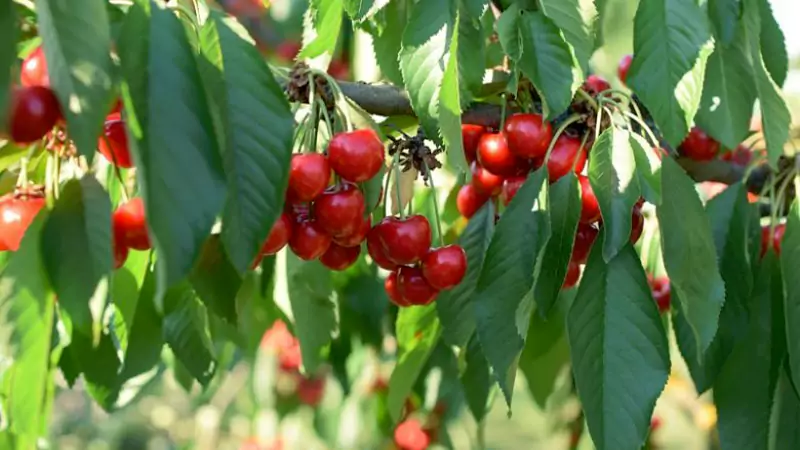
Botanically known as the Prunus avium ‘Lapins’, the Lapins cherry tree is a hybrid deciduous fruit tree which was created by breeding the Van and Stella types in the Pacific Agri-Food Research Centre in Canada. Created to produce large and sweeter berries, this tree is self-pollinating and starts producing fruit in the second year.
Key features and benefits of the Lapins cherry tree
- These deciduous trees are extremely cold-hardy and are said to tolerate temperatures down to -30°F.
- One standout feature of the Lapins cherry tree is its self-pollinating ability, which makes it a much more efficient option.
- Lapin’s sweet cherry is a cross-breeding of the Van and Stella cherry trees, which was developed in the Pacific Agri-Food Centre in Canada.
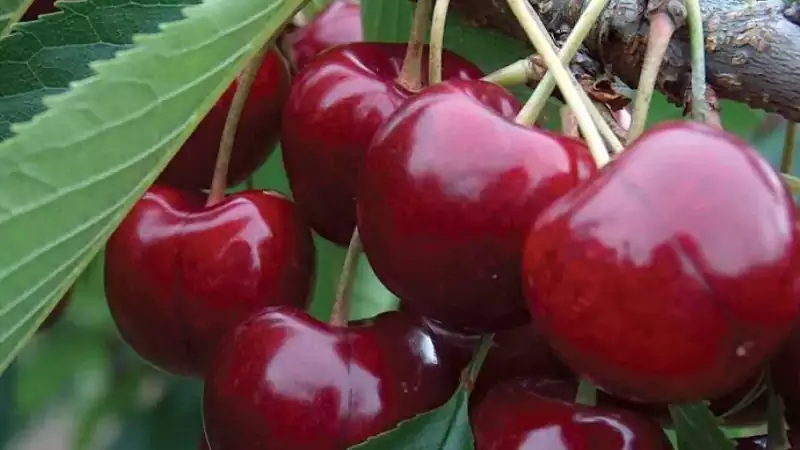
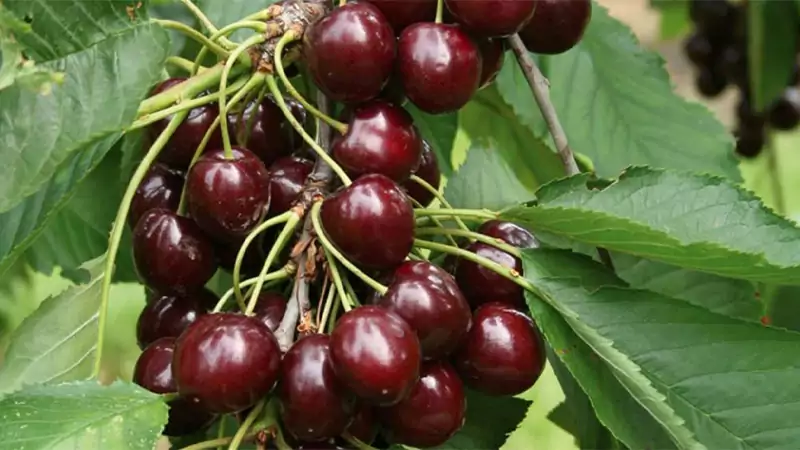
- The cherry lapin tree produces at least 2.5 cm wide cherries in midsummer, which are sweeter than the regular cherries and can be eaten raw or used in baking/cooking.
- This lapins cherry tree needs consistent watering only in the initial growing season because it develops a good amount of drought tolerance as it matures.
- If you select a dwarf variety, these trees are ideal for small and compact spaces.
- The Lapins cherry tree is a hybrid deciduous tree created for its self-pollinating ability, along with the sweet, non-splitting berries it produces in midsummer and the pinkish-white flowers it bears earlier in the season.
Care guide for the Lapins Cherry tree
- Growing Zone: USDA zones 5-9
- Water Needs: Moderate
- Soil Type: Well-draining loamy soil
- Sunlight Exposure: Full sun
- Growth Rate: Moderate
Advantages
- The Lapins cherry tree is self-pollinating and can grow without needing another tree.
- Unlike the other varieties, these cherries are resistant to splitting after heavy rainfall.
- One harvest produces 15-20 gallons of yield, which is more than enough for a growing season.
Disadvantages
- All the parts of the plants are toxic to pets, which can be a hassle if planted indoors.
- Lapin cherry trees are susceptible to pests and diseases like aphid attacks.
- It requires 800 winter hours; it can be difficult to grow in warmer climates.


Steve C –
The tree was well packed and was received in a healthy condition. Looking forward to seeing it grow and bear delicious berries.
Chris –
The lapins cherry tree is a great addition to the garden and its compact size makes it ideal for my small garden.
Amelia –
The plant looks healthy and grows best in full sun with very low-maintenance.
Jack –
I received the lapins cherry tree a while ago and so far it’s growing well without much hassle.
Andrew –
I ordered a Lapins Cherry Tree from YourHomify and it arrived in good condition. The tree was packed well and looked healthy when I received it. I’ve planted it in my garden and it’s settling in nicely.
Bob Rogers –
Got my Lapins Cherry Tree from YourHomify and I’m happy with the purchase. It arrived fresh with no damage, and the packaging was good. Looking forward to watching it grow and hopefully enjoying cherries in the future.