
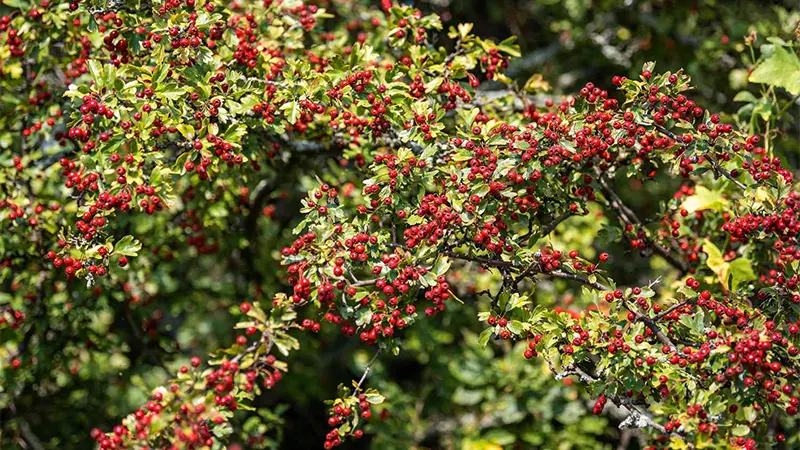


| Common Name | Washington Hawthorn, Hawthorn |
| Native Region | Eastern and Central United States |
| Plant Type | Tree |
| Maintenance | Moderate |
| Average Height | 25-30 feet |
| Average Width | 18-20 feet |
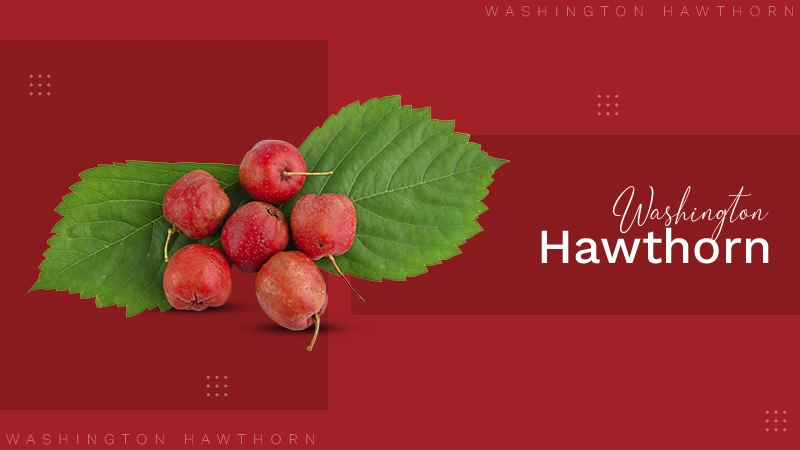
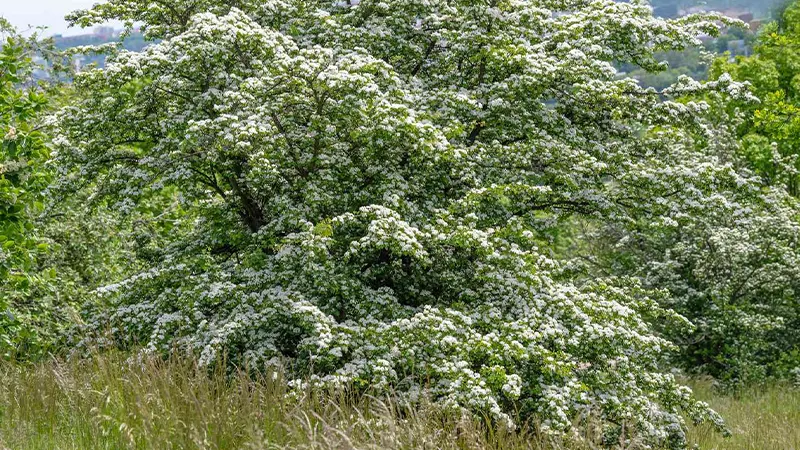
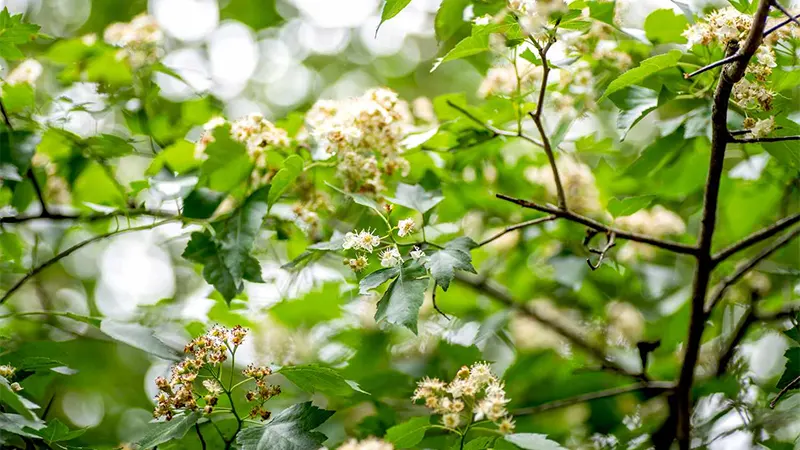
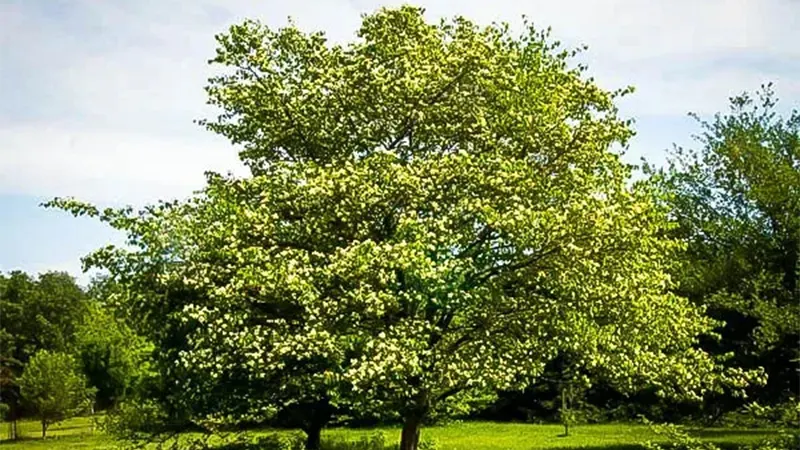
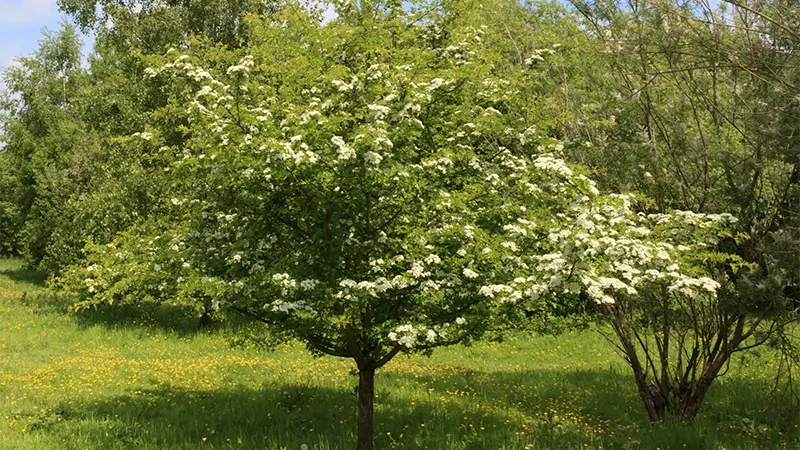
Shopping for Washington Hawthorn trees online has never been easier. Discover the perfect sapling with us! The white blooms and the edible red cherries create a stunning contrast and instantly enhance the overall look of the landscape. Furthermore, if you are thinking of buying the Hawthorn tree on sale, quickly understand its features and benefits to make an informed decision.
Key Features and Benefits of Washington Hawthorn
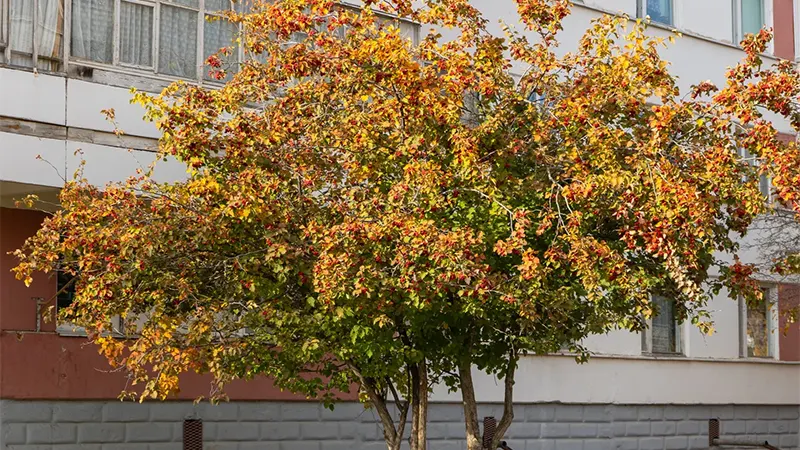
- Ornamentally, the Washington hawthorn tree is used for its thorny hedges, but the crimson berries have excellent culinary applications and are used widely to prepare jams, jellies, teas, and more. The raw consumption can be potentially toxic to dogs.
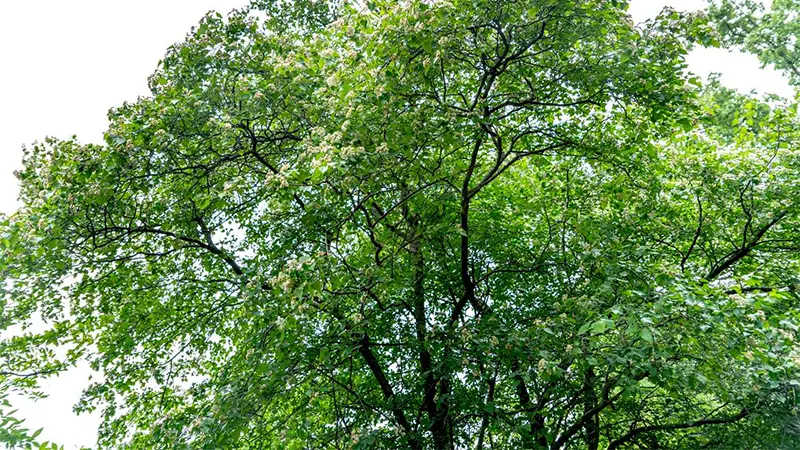
- In its natural settings, the Washington Hawthorn tree typically grows 25–30 feet tall and 20–25 feet wide, with a canopy-like structure.
- This cultivar thrives well in optimal sun and likes well-drained and moist soil. Additionally, good air circulation prevents pests and diseases.
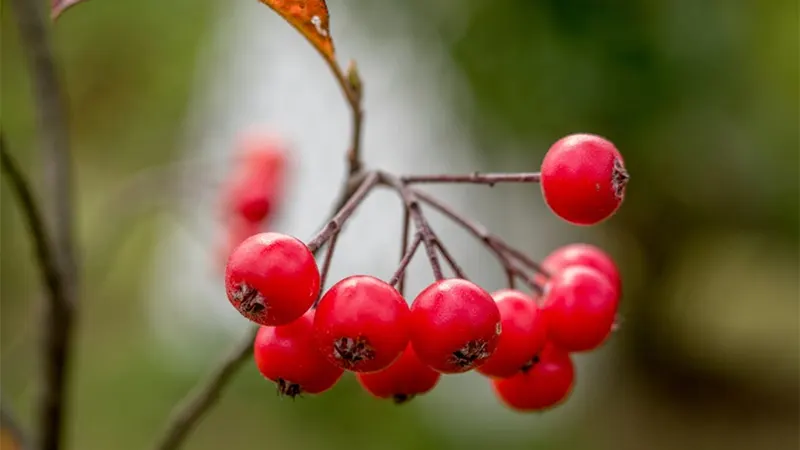
- It produces bright crimson berry-like fruits offering a mild flavour, almost tart to slightly sweet flavour. Washington hawthorn fruit is rich in antioxidants and medicinal properties.
Care Guide for Washington Hawthorn
| Hardiness Zone | 4-8 USDA |
| Sunlight Exposure | Though it can survive in partial shade, it grows best in good sun exposure. |
| Water Needs | Consistent watering is needed during the initial growing stages. Once fully grown, it is even drought-tolerant. |
| Soil Type | It can adapt to different soil conditions. Performs well in alkaline, moist, or loamy soil types. |
| Fertilizer Needs | Consider spraying a balanced fertiliser every year to avoid pest infestation. |
Advantages and Disadvantages of Growing Washington Hawthorn
| Advantages | Disadvantages |
| The crimson berries and colourful flowers of Washington hawthorn add a visual treat to the garden, especially standing as a beautiful contrast against the snow. | The long and sharp thorns of this tree can be harmful to pets, children, and gardeners. This can also lead to difficulty in pruning and might require extra care. |
| This plant acts as a pitstop for pollinators, drawing in bees and butterflies. | Regular pruning and maintenance are time-consuming and difficult owing to its sharp thorns. |
| Dense foliage provides nesting and protection to the birds. While the sharp thorns keep unwanted intruders away from your garden. | The Washington hawthorn tree is susceptible to pests like aphids, borers, and diseases such as powdery mildew and fire blight. |
| Known for its environmental and health benefits, the Washington hawthorn tree supports heart health and functions as a natural air purifier. | The crimson berries, when dropped, can create a messy area around and may also attract insects and rodents if left on the ground. |



Michael Brown –
I bought this Washington Hawthorn tree, and it looks stunning in my garden. The crimson berries taste wonderful.
Jennifer Davis –
My mother made a very tasty jam from the red berries of this plant. I’m planning to grow it on my own. Can’t wait to plant it in my garden.
Susan Wilson –
This plant looks stunning against the backdrop of the snow. It adds wonders to my garden. Can’t wait to buy and grow more of it.
Sophia Johnson –
I’ve been planning to grow this plant for ages. Now, I found it on yourhomify at great prices. Really excited to grow it and taste the scrumptious berries.
Bob –
I purchased a Washington Hawthorn from YourHomify and was very happy with the experience. The plant arrived healthy and well-packed, and it has started settling nicely in my garden. Looking forward to seeing it bloom!
Andrew –
Bought a Washington Hawthorn from YourHomify and I’m really pleased with the quality. The plant arrived in good condition and looked fresh and healthy. Great addition to my garden, and I’m excited to watch it grow.