Rainy weather will be transformed into the homeowner’s main worry if rainwater finds its way into the basement. The lowest level of the house, a basement, is one of the most vulnerable parts of the house when it comes to leaking, bad drainage, and flooding in stormy weather. Any moisture that gets into the basement is likely to result in damage to the floors, walls, items stored there, and even the foundation of the entire building.
It is good to take some preventive measures before the rainy season approaches. It includes regular checking of your gutters and sump pump, as well as making drainage improvements and repairing foundation cracks. Here are some things one can do to stay safe throughout the season.
Clean Your Gutters and Downspouts
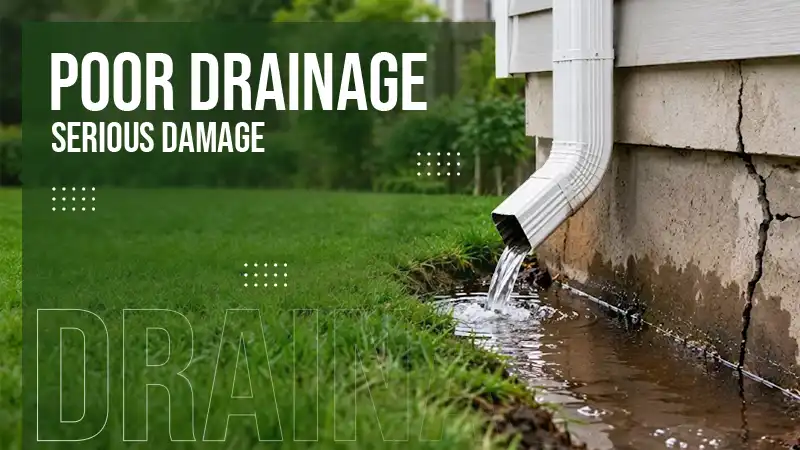
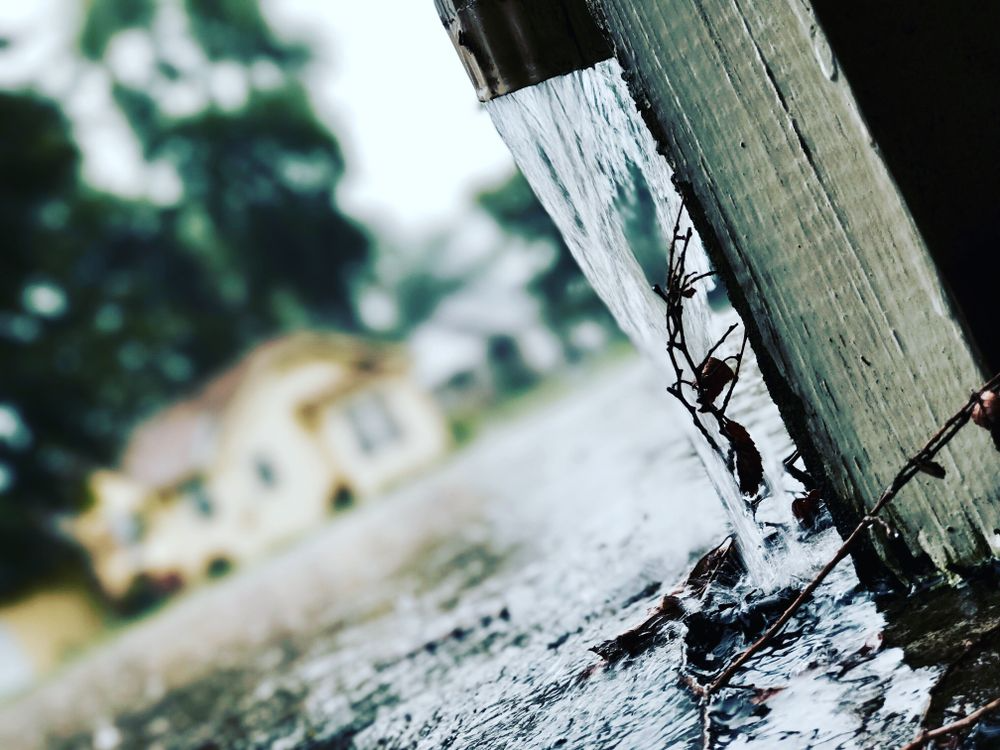
Heavy rain has to go somewhere, and clogged gutters send it straight to the bottom of your home. That extra water can eventually find its way into your basement and foundation. Clean your gutters and downspouts before the rainy season begins. Remove leaves, twigs, and other debris so water flows freely. Keep them clean by removing leaves, twigs, and any other debris that could stop water from flowing freely through them.
Grade Your Yard Away from the House
One of the ways you can protect your basement from any rainwater entering it is by grading the yard outside of your home. Gently slope the soil away from your house so water doesn’t settle around the home’s foundation. Fill low spots where water tends to collect and add soil if needed to maintain the proper shape. After heavy rain, walk around the yard to see where puddles form, and make adjustments as needed.
Test Your Sump Pump
Realizing that your sump pump is not functioning at the time of the storm can be the worst nightmare because that is a one-way ticket to a flooded basement, so test it by pouring a bucket of water into the sump pit to make sure the pump switches on and drains properly.
Check for clogs in the discharge pipe and remove any debris in it. Consider a battery backup in case the power goes out during severe weather, too. Testing everything before storm season will give you peace of mind that your sump pump will be ready when the rain puts it to work.
Seal Cracks in Walls and Floors
Small cracks can provide a passageway for rainwater to enter your basement. You should check your basement carefully for any gaps in the walls, floors, windows, or, especially, the foundation of the basement. You can seal these small cracks yourself, but have larger or growing cracks evaluated by a professional. Taking care of these weak spots early helps prevent water from reaching your basement.
Consider Professional Waterproofing
If you keep experiencing leaks and wet walls each time there is a storm, it might be high time you got a long-term solution to the problem of flooding. Work with a local waterproofing contractor who understands the weather and soil conditions in your area.
For example, if you live in the Twin Cities, where frozen winters give way to wet spring thaws and heavy summer storms, choose basement waterproofing Minnesota locals trust. These professionals know how strong thunderstorms and other inclement weather can affect your basement. They can recommend waterproofing systems designed specifically for those conditions.
Have an Emergency Flood Plan
If you have a plan set up already, it will help you take immediate action if you experience flooding in your basement. Know where your main water shutoff and electrical panel are located, so you can run to them as soon as water seeps in. Before a big storm, move as many of your valuables and furniture upstairs. Keep a flashlight, batteries, and basic cleanup supplies nearby, too. A simple emergency plan like this helps protect your home and your family’s safety if the rain ever gets the upper hand.
Endnote
Floodproofing your basement in the rainy season is something that cannot be overlooked. Incorporate the tips above into your home maintenance checklist before the weather becomes unpredictable. Taking care of these tasks before storms arrive helps reduce the risk of expensive repairs and saves you countless hours of cleanup. Now, you can enjoy the sound of the rain without worrying about what’s happening downstairs.
FAQs
What are the reasons behind basement flooding in times of heavy rains?
Flooding in basements may be a result of a bad drainage system, clogged gutters, a cracked foundation, heavy rain, and a malfunctioning sump pump.
How do I stop water from seeping into my basement?
Make sure that you have no problems with your gutters, slope your yard, check if there are any cracks, and keep your sump pump in good condition.
When should I get my basement professionally waterproofed?
If you have had recurring water leaks, wet basement walls, or water intrusion during the rainy season, professional waterproofing will be helpful.
How can I know when my basement requires waterproofing?
The common indications include a musty smell, wet basement walls, water stains, mold, cracks on the walls, and recurring water leaks during the rainy season.