How many homeowners think about building a basement in their house? Mostly, Canadian and U.S. residences do have crawl spaces. Indeed, they provide structural stability, work as a storage space, and are effective for energy efficiency.
But, honestly, its maintenance is a piece of cake, specifically, waterproofing. No doubt why the basement waterproofing industry is up at about $4.38 billion globally by 2026 due to increased incidents of severe weather and flooding.
Now, its time to make that vacant space of your home into a battle plan.
From spotting a silent leak to deciding when to call in the cavalry of a basement waterproofing contractor, explore every intricate detail in this guide.
KEY TAKEAWAYS
- Designs with no sharp angles create a soft, rounded atmosphere.
- Installing highly efficient WELS-rated fixtures saves up to 40% of the water, making sure that being sustainable is the minimum standard for any modern remodel.
- Smart faucets and invisible technology are going mainstream with touchless and automatic temperature control.
- Using natural materials like wood and stone together with durable PVD-coated brushed metals creates warm yet lasting aesthetics.
Why Basement Waterproofing Is Essential for Home Protection
Your foundation is your home’s strongest element, but water is also your home’s longest-lasting enemy. With no barrier in place, the constant pressure of the earth can cause a solid basement to become a liability.
- Prolonged exposure to water affects the walls of the home, creating bulging or cracked walls, shifting foundations, etc.
- Areas exposed to moisture create an ideal environment for mold and mildew, both of which may create serious respiratory problems.
- Waterproofing your basement adds significant value to your home’s market price and usable living space.
- Keeping the basement dry will help avoid the rotting of floor joists as well as damaging personal items stored in the basement.
Properly investing in a basement ensures that it will serve as a safe haven for you and your family and not as a source of stress, because an ounce of prevention is worth a pound of cure
Common Signs Your Basement Needs Waterproofing
Experts always recommend identifying a problem before it becomes a disaster. That’s why conducting a thorough inspection at least twice a year works like magic.
While checking on sites, observe any white, chalky powder on walls or a stubborn, earthy smell. The spots where I never miss are stair-step cracks or chipping surfaces.
In the long term, this minor issue weakens foundation walls; one must never disregard them.
DIY Basement Waterproofing Methods Homeowners Can Try
Time for weekend warrior projects that can help improve your basement’s humidity and other environmental conditions. How? Check these suggestions out:
- If you have any minor leaks, you can use a high-quality epoxy or polyurethane injection kit to eliminate them immediately.
- Installing thick plastic sheeting on the walls or applying a moisture barrier coating will also help eliminate humidity and moisture.
- Maintain a humidity level below 50% with an energy-efficient dehumidifier to prevent condensation and musty odors from forming.
- Ensure that the existing floor drains are clear and not obstructed, so you can handle any spills safely and effectively.
Although the costs of these types of projects are relatively low compared to some of the more permanent, long-term solutions, let me tell you that waterproof paint is merely cosmetic in nature. Eventually, it may not withstand high water pressure and will eventually become bubbly if the source of the water is not addressed!
Cost Comparison: DIY vs Professional Waterproofing
Budget for waterproofing? Find the right balance with the help of this comparison table:
| Factor | DIY Approach | Professional Service |
| Average Cost | $100 – $500 (for materials only). | $3,000 – $10,000 (average range). |
| Labor | Your own time (can take weeks). | Experienced crews (finished in days). |
| Equipment | Basic household tools. | Commercial excavators, high-pressure pumps. |
| Warranty | None | Often 25 to 50 years or lifetime. |
| Effectiveness | Reactive; hides symptoms. | Proactive; addresses the root cause. |
Save some money today, have peace of mind in the years ahead, as the saying goes: “you get what you pay for”.
Preventive Maintenance Tips to Keep Your Basement Dry
The way to prevent a wet basement is to take steps to make sure it does not get wet in the first place.
- Clean Gutters: Clogged gutters create thousands of gallons of water at the base of your foundation.
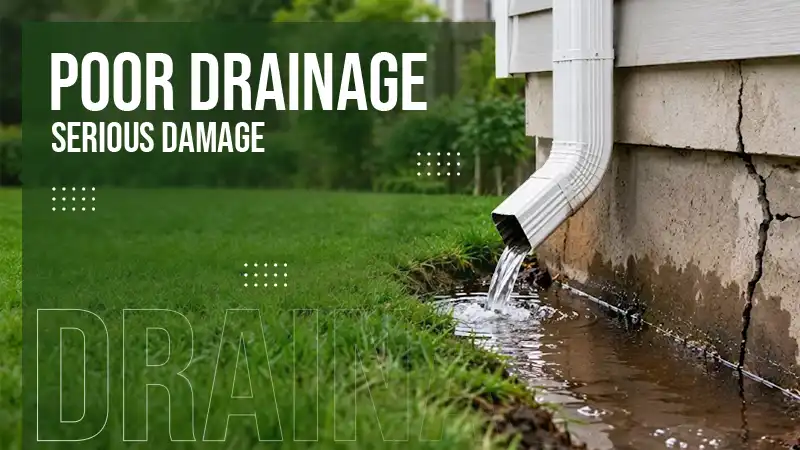
- Extend Downspouts: Use splash blocks or downspout extensions to direct water 6 to 10 feet from your home’s foundation.
- Correct Yard Grading: Your yard should be graded to slope 1 inch away from your home for every 1 foot of distance.
- Inspect Outside Sump Pump: Make sure your sump pump is working properly before the rainy season, and consider getting a battery backup for power outages.
Final Waterproofing Thoughts
Throughout my journey evaluating home protection, I have learned that a dry basement comes from the collective hard work of the owner and the contractor. So, while a do-it-yourself (DIY) repair may save you some money upfront, hiring someone with experience creates a long-term investment in your home’s stability.
Real estate professionals say, “A happy basement is a dry basement”. And like Albert Einstein, who said, “An intellectual solves problems; a genius evens them”, be a genius at preventing water from entering your house before it gets there!
FAQs
Can I use waterproof paint for a leak?
Simply consider paint only a cosmetic barrier; it does not protect your home from hydrostatic pressure and eventually will bubble if you do not address the water source.
How long does pro waterproofing last?
Most professional waterproofing systems come with lifetime warranties lasting 25 to 50 years.
Will my insurance cover basement flooding?
Most standard insurance policies do NOT cover groundwater seepage. You usually need a “Sump Pump Failure” rider or a “Flood Insurance” rider.
What is the Clay Bowl Effect?
It is the presence of loosely packed soil around your home that can hold more water than surrounding undisturbed soil, creating a “bowl” of water next to your home’s foundation.