


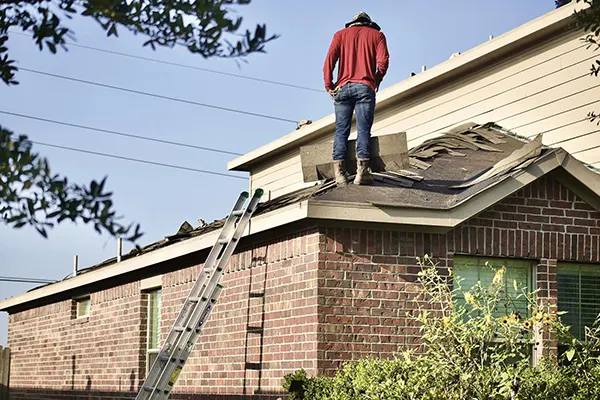
After a certain number of years, home improvement is necessary to renovate the house according to your needs. Proper preventative maintenance can increase your comfort and make structural changes that generally means upgrading an old property to something new.
There are many first-time landlords who invest for the first time in renovation. Specialist firms such as Surge Tax work with Airbnb and VRBO hosts and real estate investors from a base. It includes investor accounting, tax compliance, and filing. This article will help you understand the rules from IRS pages, so you can plan your project.
What Turns a Project Into an Improvement?
IRS Publication 527 sets the starting point for domestic rentals. Usually, an expense for repairing or maintaining a rental can be removed if you are not required to capitalize it. An expense is for an improvement if it results in an advancement, restores the property, or conforms it to a new or different use.
In home terms, the three tests look for replacing a damaged component like this:
- Betterment. Fixing a flaw that existed before you bought the house, expanding it, or increasing its capacity, strength, or quality.
- Restoration. Replacing a considerable structural part, rebuilding to like-new condition, or repairing damage after a fatality basis adjustment.
- Adaptation. Changing the home to a use that does not match its intentional ordinary use when you began renting it.
One detail matters a great deal for houses. Under the tangible property regulations, a building is tested as its building plus each key building system, individually. The page names eight systems: plumbing, electrical, HVAC, elevator, escalator, fire protection and alarm, gas distribution, and security. So a new heater is measured against the HVAC system, not against the whole house.
Which Home Projects Does the IRS List as Improvements?
Publication 527 includes a table of ordinary improvements. It is a list of examples, not a complete guide, but it covers many projects this site writes about:
| Category | Examples listed in Publication 527, Table 1-1 |
| Additions | Bedroom, bathroom, deck, garage, patio |
| Lawn and grounds | Landscaping, driveway, walkway, fence, holding wall, sprinkler system, swimming pool |
| Heating and air conditioning | Heating system, central air conditioning, furnace, ductwork, central steamer, filtration system |
| Plumbing | Septic system, water heater, soft water system, filtration system |
| Interior | Built-in appliances, kitchen modernization, flooring, wall-to-wall carpeting |
| Insulation | Loft, walls, floor, pipes, duct work |
| Miscellaneous | Storm windows and doors, new roof, wiring upgrades, security system |
The water heater entry surprises many holders. If you are already sizing a water heater for a rental, plan the tax remedy at the same time. Publication 527 also says exploitation improvement costs can generally be reduced as if the improvement were separate property.
How Big Does a Replacement Have to Be?
Size matters, and the Treasury ordinance shows it with worked examples. The examples in the regulation itself involve commercial buildings, but they show how the extent test works on a building structure. Here are four of them:
- Whole roof replaced. A contractor finds rotted decorating and replaces the entire roof, including trimming and insulation. The regulation treats that as a renovation that must be capitalized.
- Roof membrane replaced. A worn rubber membrane is exchanged for a similar one while the building still functions. That is not a repair on those facts.
- 100 of 300 windows replaced. The damaged windows are not an important portion of the windows as a whole, so no restoration.
- 200 of 300 windows replaced. Two-thirds of the windows are a significant portion, so the cost is capitalized.
If you are still weighing roof repair or replacement, the tax line follows the same range question. Distorted work can stay on the repair side, while a full detach usually does not.
Which Safe Harbors Can Keep a Cost Deductible?
The IRS page describes three streamline options. Each has conditions, and two are yearly elections made with your tax return:
- De minimis safe harbor. Owners without a relevant financial statement can usually deduct items costing up to $2,500 per invoice or item. The election is made by connecting a statement to a timely filed original return.
- Routine maintenance safe harbor. It covers repeated work that keeps the property in ordinarily productive operating condition. For buildings, you must reasonably anticipate doing it more than once in the 10 years after the asset is placed in service. It does not cover improvements.
- Small taxpayer safe harbor. It needs average annual gross receipts of $10 million or less and a building asset with an unaltered basis of 1 million dollars or less.
- The annual cap. Total expenditure on repairs, maintenance, and improvements for that building cannot surpass 2% of its unaltered basis or $10,000, whichever is less.

Take a rental with an unmodified basis of 300,000 dollars. Two percent is 6,000 dollars, so that is the yearly roof, not the higher fixed figure.
What Paperwork Should You Keep for a Rental Project?
“Separate the costs of repairs and improvements, and keep exact records,” Publication 527 advises. You will need innovation costs when you reduce or sell the property. A few habits make that easier:
- Ask the builder to itemize repair work and upgrade work on separate invoice lines.
- Photograph the status before and after the job.
- Note the date each innovation is placed in service.
- Keep permits, warranties, and change orders with the statement.
To track approved contract changes, note what each signed change order added to the job and how it increased the price. That gives you a record to check against the final statement.
Recovery periods disagree by item. Publication 527’s Table 2-1 gives domestic rental buildings and structural components 27.5 years. Instruments, carpets, and furniture used in rental property get 5 years under the general system.
Planning the Project and the Paperwork Together
Good home projects start with a scope, a budget, and a builder. On a rental, add one more step: decide whether the work is a mend or an improvement before it begins. Itemized statements and dated photos cost little and save hours at tax time. For anything large or indefinite, ask a capable tax professional before you sign.
Frequently Asked Questions
Can I Deduct a New Roof On a Rental In One Year?
Generally not. Publication 527 lists a new roof as an improvement, and improvements usually follow the recovery period of the property they enhance. A small taxpayer safe harbor may help only when the year’s total spending fits under its cap.
Does the 2,500 Dollar Rule Apply to a Rental Home?
It can. Publication 527 says that if you select the de minimis safe harbor for your rental activity, those costs can be reduced as rental expenses on Schedule E. The election is made each year.
Are Appliances Depreciated Over 27.5 Years?
No. Publication 527’s Table 2-1 gives stoves, refrigerators, and other appliances a 5-year mending period under the general system. The 27.5-year period applies to the building and its structural components.
When Should a Landlord Talk to a Tax Professional?
Before a large project starts, not after the statement arrives. Several elections must go on a timely filed original return. A professional can also confirm how your own facts fit the rules.