The roof is one of the most important elements of your home. It not only protects your home from outside weather and other elements but also gives your home a finished and rich look.
Despite this fact, many homeowners pay little attention to the details of their roof.
In order to keep your home safe and secure, keeping a check on the roof condition is very important.
Have a look at this article for the signs you need to look for to ensure a good condition of your roof.
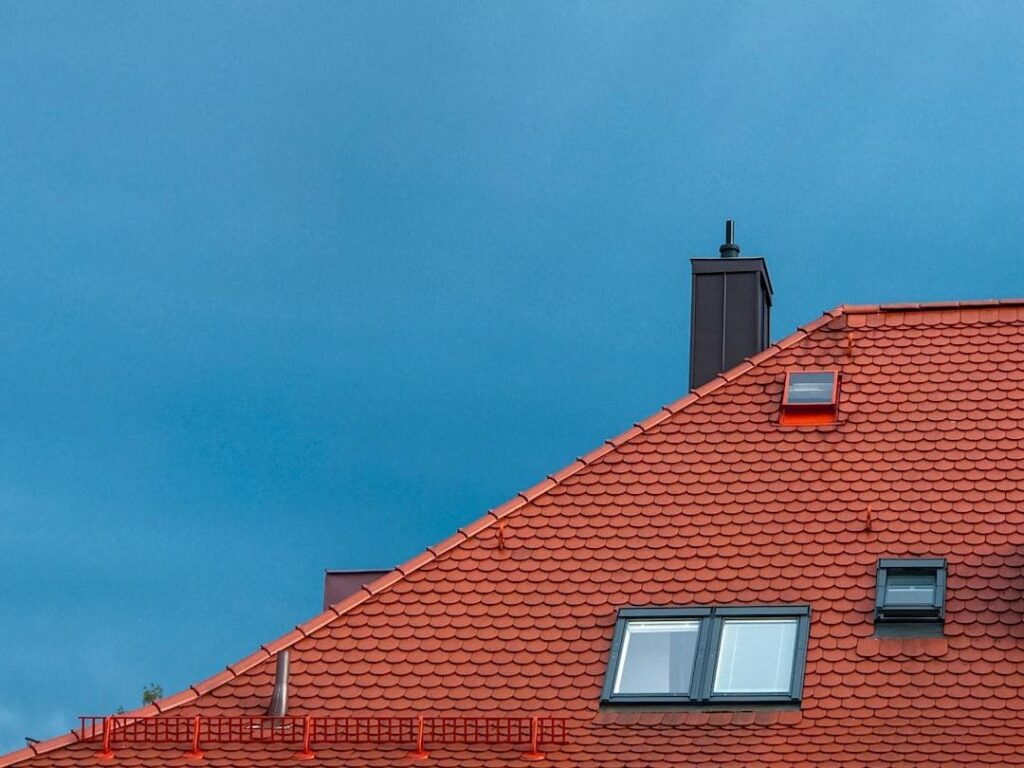
Tracking the Age and Lifespan of Materials
Homeowners might forget about overhead structures until water leaks through the ceiling. Knowing how long materials last can give you a clear timeline for replacement projects. Asphalt shingles last 15 to 30 years, metal roofs often last 40 to 70 years, and slate lasts 60 to 150 years. Tracking installation dates can also help you prepare budget planning before emergency leaks occur.
Material quality also impacts long-term durability. Architectural shingles get you to long durations such as 25 to 30 years if installation was done right and the attic breathes properly. Proper ventilation also prevents heat buildup that degrades roofing products prematurely.
Inspecting Shingles for Physical Damage
Storms and heavy winds take a heavy toll on exposed structures over years of exposure. Especially if you live in the UK, adding an insulated warm roof for conservatories keeps key living spaces protected from harsh British weather and also protects them at the same time. Regular ground checks are also helpful for homeowners to spot issues before water damages interior framing.
High winds also loosen materials and create path points for rain. A safety checklist even recommends inspecting shingles for any signs of curling, cracking, or missing shingles, which suggest age or storm damage that can take place. Spot these warning signs early in order to avoid expensive structural repairs later.
Spotting Hidden Water Damage Inside the Attic
Internal warning signs emerge long before exterior damage becomes visible from ground level. Contact a professional promptly if you notice new water stains on ceilings or walls, sagging roof sections, or daylight visible through the roof in the attic. Ignoring small water marks leads to wood rot and mold growth in hidden cavities.
Attic spaces display the true condition of your home shield during dry or rainy weather. Dark patches on rafters suggest ongoing leaks that need fast attention from experienced workers. Checking attic insulation during daylight hours identifies subtle gaps in outer layers.
Analyzing Unexplained Increases in Energy Bills
High utility bills indicate directly to poor overhead insulation and air gaps. Contractor reports show that a damaged roof lets air escape and makes your HVAC system work harder, causing higher energy bills without explanation. Fixing air leaks reduces monthly heating and cooling costs fast.
Temperature swings inside upper rooms indicate lost insulation efficiency across seasons. Trapping heat inside during cold months helps monthly energy bills manageable. Proper sealing ensures steady indoor climate settings year-round without straining heaters.
Upgrading Glass and Solid Roofing Structures
Older home extensions experience from severe heat loss in winter months. Home improvement studies indicate modern conservatory roofs are designed to retain heat during the winter and reflect excess sunlight in the summer. Thermal balance helps added rooms usable throughout every month of the year.
Solid replacement panels convert cold spaces into functional living areas. Building research suggests replacing your conservatory roof with modern, energy-efficient materials such as an insulated tiled solid roof can reduce heat loss and prevent overheating. Tiled updates blend existing home designs seamlessly and boost interior energy performance.
Key Signs Your Roof Needs Immediate Attention
Catching structural damage early can protect your wallet and keep your household safe. Look out for such critical physical indicators during routine home checks:
- Loose or granular debris filling gutters post-heavy rainfall
- Sagging areas near roof ridges or gutter attaching lines
- Damp smell or mold spores in the upper floor storage areas
- Flashing pulling away from chimneys or pipes
Small signs eventually compound into large structural failures if left unattended for seasons. Routine checks also prevent major water intrusion during heavy winter storms. Documenting such physical changes helps roofing contractors diagnose issues quickly during scheduled visits.
Evaluating Flashing and Gutters Around Your Home
Flashing seals joints around various elements such as chimneys, skylights, and vent pipes where water collects. Corrosion or loose sealants also allow moisture to creep underneath protective layers. Keeping such metal channels tight protects vulnerable seams from hidden rot. Clear drainage paths draw water safely away from exterior walls.
Gutter systems direct rainwater off overhead structures. As a result, clogged drainage troughs back up water under low edge tiles during heavy downpours. Cleaning leaves and other dirt out of gutters prevents rot along lower trim lines.
Caring for your home’s overhead shield eventually protects your property investment for years. This is why checking shingles, attic spaces, and monthly energy bills helps you catch leaks early. Also, regular care keeps your indoor spaces safe, dry, and comfortable through every season.
FAQ
How does basement ventilation contribute to the longevity of a roof?
By properly ventilating the attic room, overheating of the attic will not occur, and shingles will not age quickly.
What would cause unexplainable hikes in bills related to the roof?
Damaged roofs coupled with poor insulation mode up holes, making HVAC work very hard.
Why are shingle granules beneath the gutter regarded as a bad sign?
Shingle granules function as UV and humidity protection for the underlying material. If there is too much evidence of granules beneath gutters, it is a clear sign of loss of the effectiveness of shingles over time.
What do we gain from changing an old conservatory roof into a tiled solid roof?
Tiled solid roofs provide perfect insulation that keeps warmth in winter and prevents it from getting too hot in summer, thereby allowing you to use additional rooms throughout the year.