Introduction
Living in a small home or apartment does not necessarily mean you have to compromise on your style or comfort. In fact, limited space often encourages more creativity in interior design. With careful planning and the right choices, even a small room can feel open, modern, and surprisingly spacious.
Today’s interior design trends focus less on square footage and more on smart use of space. From clever storage solutions to visual tricks that enhance light and depth, there are multiple techniques and ideas that will help you create a beautiful and stylish small living space, despite the size of the room.
Whether you’re decorating a studio apartment, a small bedroom, or a compact living room, the goal is the same: make the space work smarter, not harder.
KEY TAKEAWAYS
- Use light colours, natural light, and mirrors to create the illusion of a larger, brighter space.
- Choose multi-functional furniture to maximise functionality while reducing clutter.
- Maintain a cohesive design style to create a clean, modern, and visually balanced interior.
- Focusing on smart layouts and intentional décor to make compact spaces feel both stylish and comfortable
Start With a Clear Visual Identity
It is necessary to have a consistent visual style defined before you begin rearranging your furniture or buying new decor. Small spaces benefit greatly from cohesion—too many conflicting colors or styles can make a room feel cluttered and chaotic.
This is where branding your personal space becomes surprisingly useful. Just like businesses create a recognizable identity, homeowners can also benefit from defining a theme for their interiors. Even simple design projects, mood boards, or DIY decor ideas can be enhanced when you establish a consistent visual direction. Many people even start by experimenting with tools like a free logo creator to explore color palettes, typography styles, and visual inspiration that later influence home decor choices such as wall art, cushions, or accent pieces.
By starting with a clear aesthetic foundation, every design decision becomes easier and more intentional.
Use Light and Color to Expand Space
One of the best tools for making a small space appear larger in terms of its appearance and atmosphere is color psychology and lighting.
Light Colors Work Best
Pale colors such as white, beige, light gray, and pastel tones reflect more light, making rooms feel open and airy. Dark colors, while stylish, can make small rooms feel more enclosed if overused.
Maximize Natural Light
Leave your windows uncovered or use light, sheer curtains to allow sunlight to flow freely. Natural light instantly expands the visual boundaries of any room.
Add Layered Lighting
Rather than depending on a single ceiling light, combine multiple light sources:
- Floor lamps
- Table lamps
- Wall sconces
- LED strip lighting
Layered lighting creates depth and prevents flat, shadowy corners.
Choose Multi-Functional Furniture
In small homes, every piece of furniture should serve a purpose—preferably more than one.
Smart options include:
- Convertible sofa beds for guests
- Storage ottomans
- Foldable dining tables
- Wall-mounted desks
- Beds with built-in drawers
These pieces reduce clutter while maintaining functionality, making your home more efficient without feeling crowded.
Use Mirrors to Create Visual Depth
Mirrors are one of the oldest interior design tricks for small spaces—and they still work exceptionally well.
Strategically placed mirrors can:
- Reflect natural light
- Create the illusion of depth
- Make narrow rooms feel wider
- Add decorative elegance
A large mirror opposite a window is especially effective for brightening and enlarging a room visually.
Keep Floors as Clear as Possible
One of the fastest ways to make a room feel smaller is by overcrowding the floor space.
Instead of placing items on the floor, consider:
- Floating shelves
- Wall-mounted storage
- Hanging plants
- Vertical bookcases
The more visible floor space you maintain, the larger the room will feel.
Decluttering Is a Design Strategy, Not Just Cleaning
Minimalism is not about having empty rooms—it’s about intentional living.
A clutter-free space:
- Feels calmer
- Looks more modern
- Improves functionality
- Enhances focus and relaxation
Start by removing items you don’t use regularly. Then organize what remains using smart storage solutions.
Use Vertical Space Wisely
When floor space is limited, the only way is up.
Vertical design strategies include:
- Tall shelves
- Hanging cabinets
- Wall hooks for storage
- Vertical gardens
- Stackable storage boxes
This approach draws the eye upward, making ceilings appear higher and rooms feel more spacious.
Add Personality Without Overcrowding
Small spaces still need character, but balance is key.
Instead of filling the room with many small decor items, choose a few statement pieces:
- A bold artwork
- A unique chair or lamp
- A textured rug
- A feature wall
This keeps the space visually interesting without overwhelming it.
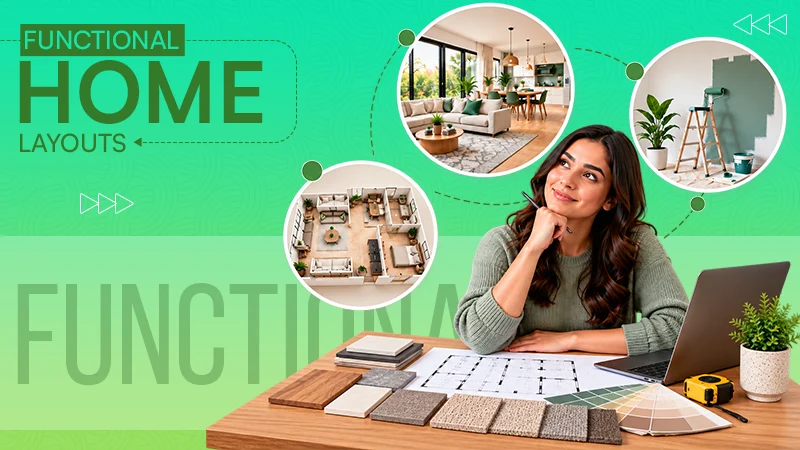
Smart Layout Planning Makes a Big Difference
Furniture positioning plays a big role in creating a feeling of spaciousness in a room.
Tips for better layout planning:
- Avoid blocking natural walkways
- Keep larger furniture against the walls
- Maintain an open central space
- Use rugs to define zones
- Angle furniture to improve flow
Even small adjustments can significantly improve spatial perception.
Bring Nature Indoors
Plants are a great choice for enhancing small interiors without cluttering them.
They:
- Improve air quality
- Add natural color
- Create a calming atmosphere
- Make rooms feel more alive
Opt for compact plants like snake plants, pothos, or small succulents if space is limited.
Conclusion
Designing a small home is less about limitations and more about creativity. With thoughtful choices in lighting, furniture, color, and layout, even the smallest spaces can feel open, functional, and beautifully modern.
By focusing on simplicity, smart storage, and intentional design, you can transform any compact room into a space that feels both larger and more inviting. Ultimately, great interior design isn’t measured in square meters—it’s measured in comfort, functionality, and personality.
Small changes can have a huge effect on the look of your house. By making sure that you choose functionality while not sacrificing aesthetics, you will be able to create an environment that works for you and looks great at the same time.
FAQs
How to make a small room look bigger?
Using light colors, natural light, mirrors, and multifunctional furniture will help in creating a spacious atmosphere in the room.
Which colors suit small rooms better?
Pastel tones, like white, beige, and light gray, will not only create an illusion of space but also reflect light.
Will mirrors really make a room appear larger?
Yes, strategically placed mirrors can reflect light and create an illusion of greater depth, which visually enlarges the room.
Is multi-functional furniture worth it for compact homes?
Yes, furniture with built-in storage or multiple uses takes up less room and reduces clutter.