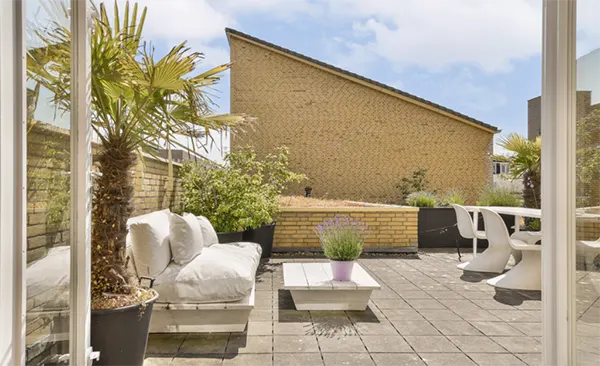
There’s a moment every guest remembers—the first impression of a sunlit terrace, a quiet poolside corner, or a lively outdoor dining space at golden hour. What often defines that moment isn’t just the view or the service, but how the space feels. Comfortable seating, thoughtful design, and materials that hold their beauty over time all play a role.
For hotels, resorts, and restaurants, outdoor furniture is necessary and is part of the experience itself. This outdoor furniture buying guide will help you make choices that are not only visually appealing but also practical, durable, and aligned with modern hospitality expectations.
Start with the Experience You Want to Create
Before looking at materials or finishes, step back and consider the atmosphere you want guests to walk into.
Is it a relaxed poolside setting where people linger for hours? A refined rooftop lounge with evening cocktails? Or a high-traffic dining terrace that needs to turn tables efficiently?
Each setting calls for a different type of furniture. A beachfront resort might prefer deep, cushioned loungers and soft textures, while an urban restaurant may want to have structured seating with a more compact footprint.
Understanding how the space will be used is the foundation of choosing patio furniture well. It ensures every piece feels intentional, not just decorative.
Materials Matter More Than You Think
In hospitality, furniture doesn’t just need to look good on day one, but it needs to perform season after season.
Aluminium is often a reliable choice, especially in humid or coastal environments. It’s lightweight, rust-resistant, and easy to maintain. When powder-coated, it holds its finish remarkably well even under strong sunlight.
Teak, on the other hand, brings warmth and a sense of quiet luxury. Its natural oils make it resistant to moisture and pests, which is why it’s long been used in premium outdoor settings. Over time, it develops a soft silver patina that many designers intentionally embrace.
Synthetic wicker has also come a long way. High-quality resin versions mimic the look of natural rattan but are far more resilient. They don’t crack, fade, or absorb moisture in the same way, making them a practical option for commercial spaces.
Then there’s fabric—often overlooked, yet necessary. Performance textiles, particularly solution-dyed acrylics, are designed to resist fading, mildew, and staining. They maintain their color and structure even with constant exposure.
Choosing the right materials is what allows furniture to be both refined and resilient—something every strong patio furniture buying guide should emphasize.
Comfort Is What Keeps Guests Staying Longer
It’s easy to focus on how furniture looks, but comfort is what ultimately shapes behavior.
A chair that feels good encourages guests to stay longer, order another drink, or settle into conversation. A lounger with proper support turns a quick stop by the pool into an afternoon.
Comfort comes down to a few key details:
- Seat depth and angle
- Cushion density and recovery
- Back support
- Breathability of materials
In commercial settings, consistency matters too. Every chair, every sofa should offer the same level of comfort. Guests notice when one seat feels noticeably better—or worse—than another.
Design That Reflects Your Brand, Not Just Trends
Outdoor furniture should feel like a natural extension of your brand, not an afterthought.
A luxury resort might lean into organic textures and calming tones like wood, woven elements, and soft neutrals. A modern rooftop bar may prefer clean lines, metal accents, and a more monochromatic palette.
Trends come and go, but coherence lasts. When furniture aligns with architecture, lighting, and landscape design, the entire space feels more intentional.
From poolside to patio, the goal is to create an environment that feels complete—one where every element belongs.
Weather Resistance Is Non-Negotiable
Outdoor environments are unpredictable. Intense sun, sudden rain, humidity, and temperature swings all take their toll.
Furniture that isn’t designed for these conditions tends to show it quickly—fading fabrics, rusting frames, warped surfaces.
That’s why it’s worth paying attention to details like:
- UV-resistant finishes
- Quick-drying foam
- Rust-proof hardware
- Protective coatings
UV stabilization itself can significantly extend the lifespan of furniture fabrics and finishes.
In practical terms, this means fewer replacements, less maintenance, and a consistently polished appearance.
Think Beyond Purchase Price
It’s tempting to focus on upfront costs, especially for large-scale projects. But in hospitality, the real deal is lifecycle value.
Lower-cost furniture often requires more frequent replacement, more maintenance, and more operational disruption.
Higher-quality pieces, on the other hand, tend to:
- Maintain their structure and appearance longer
- Require less upkeep
- Offer replaceable components
Over time, they’re simply more efficient.
A thoughtful outdoor furniture buying guide always looks at the bigger picture—not just the initial investment.
When Standard Isn’t Enough: The Value of Customization
Not every space fits standard dimensions or layouts. And not every brand wants the same look.
Working with a customized outdoor furniture manufacturer allows you to shape the details—dimensions, materials, finishes—so everything fits seamlessly into your space.
For hospitality projects, this can make a noticeable difference. Custom pieces can help define a space, create visual identity, and solve practical challenges at the same time.
Choosing the Right Partner
Beyond the furniture itself, the supplier plays a critical role in the success of a project.
A dependable Outdoor Furniture Manufacturer should be able to deliver consistent quality, meet timelines, and support projects at scale. This becomes especially important for hotels and restaurant groups operating across multiple locations.
Reliability, in this context, is just as important as design.
Why Many Hospitality Projects Turn to Kingmake
For many hospitality brands, the goal is simple: create outdoor spaces that feel as refined and comfortable as the interiors—without compromising on durability.
Kingmake has built its reputation around that balance.
Their collections include outdoor sofas, dining sets, sun loungers, bar furniture, and more—each designed with commercial use in mind. More importantly, they offer the flexibility to adapt designs to specific projects, whether it’s a boutique hotel terrace or a large resort installation.
Crafted for comfort, built for commercial strength, their pieces are made to perform in real-world hospitality environments.
Final Thoughts
Choosing outdoor furniture is not just about filling a space—it’s about shaping how people use it, how long they stay, and how they remember it.
The right choices create spaces that feel inviting from the first glance and remain dependable over time.
By approaching the process with clarity—understanding your space, selecting the right materials, and working with experienced partners—you can create outdoor environments that truly stand out.