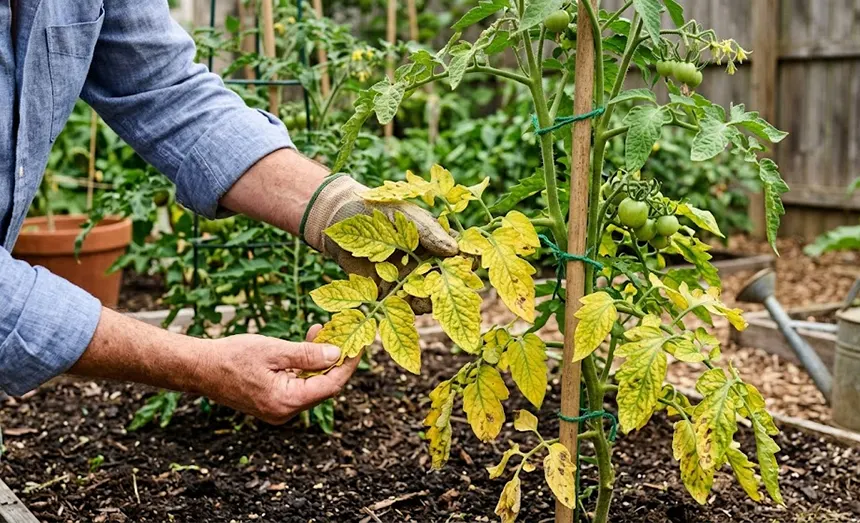
Every gardener knows the sudden panic of spotting yellow leaves on a prized tomato plant. Is it too much water? Too little food? A hidden fungal disease? While tomato leaves turning yellow is a common issue, its fix entirely depends on the root cause.
Here is the good news: the yellow is the clue, not the disease. Once you notice where it starts and what the leaf looks like, the cause usually gives itself away. Let’s skip the guesswork and understand the seven main reasons so that you do not have to play detective.
Quick Answer
The common reasons for tomato leaves turning yellow include watering issues, nutrient deficiency, insects and pests, fungal and bacterial infections, environmental stress, chemical or soil issues, or natural aging. With proper care and regular checking, these problems can be easily managed.
Why Do Tomato Leaves Turn Yellow? 7 Main Reasons
The seven common reasons due to which your tomato plant leaves are turning yellow are:
- Watering Issues (Most Common)
- Nutrient Deficiencies
- Insects and Pest Infestation
- Fungal and Bacterial Diseases
- Environmental Stress
- Chemical or Soil Issues
- Natural Aging (Nothing to Worry About)
Tomato leaves turning yellow (chlorosis) can happen when your plant is stressed or due to natural aging. This section breaks down all the main causes.
1: Watering Issues (Most Common)
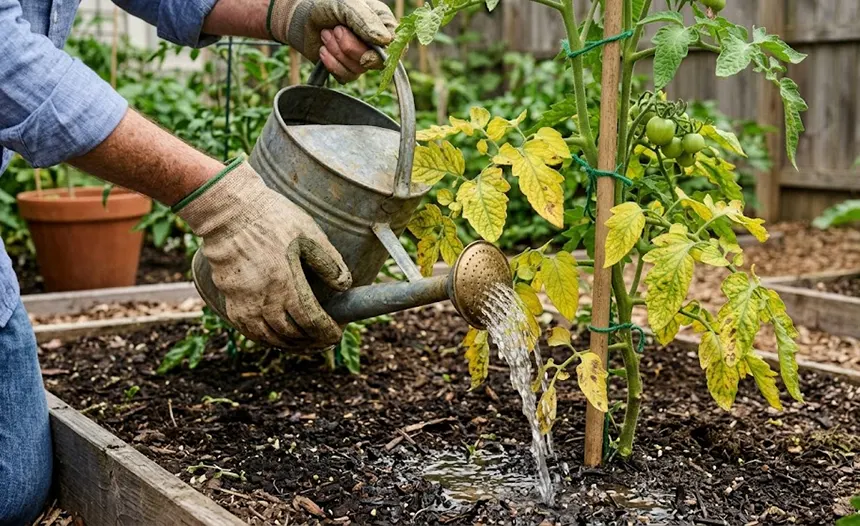
Improper watering is the most common reason why tomato plant leaves turn yellow. Both overwatering and underwatering can affect the growth of your plant.
Overwatering can make the roots soggy, which will eventually lead to root rot. This also means that the plant lacks oxygen. On the other hand, underwatering can make the roots dry, and your plant will struggle to transport nutrients to its tissues. Because of this, the foliage may turn yellow and curl up.
2: Nutrient Deficiencies
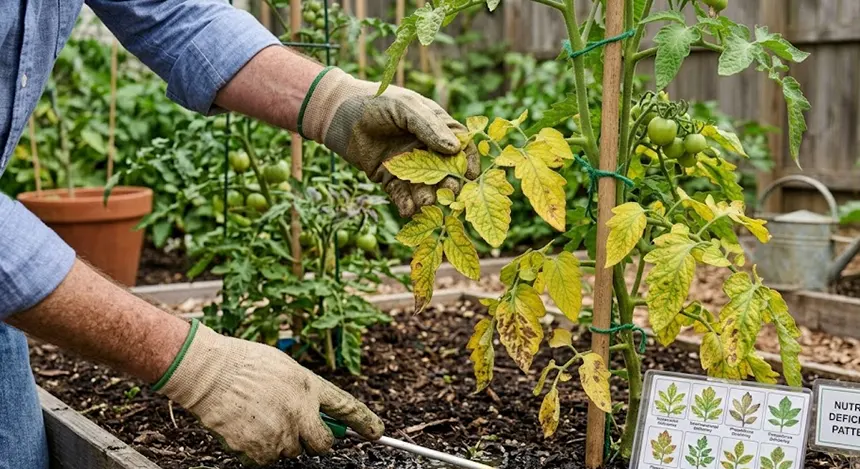
Tomato plants thrive on heavy feeding. They need a constant supply of nutrients for fuller and lush growth. Lack of essential macro- and micronutrients can slow down the fruiting process and turn the leaves pale yellow.
Nitrogen deficiency turns old or lower leaves dull yellow, called chlorosis, which gradually moves upward as the plant demands nutrients. Magnesium deficiency causes yellowing between the veins of the leaves, and lack of iron can affect the new growth, turning the top leaves pale yellow.
3: Insects and Pest Infestation
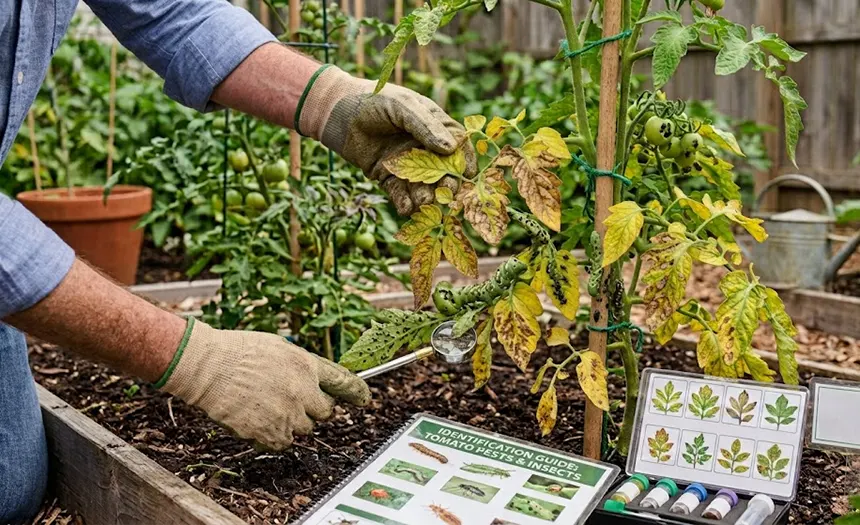
Tiny pests like aphids, thrips, or spider mites can drain the plant of essential nutrients. Some of these are so small that you may not realize they are here until the plant shows signs. When I try to figure out why the leaves on my tomato plant are turning yellow, I always start by flipping over a few leaves.
These insects usually feed on plant sap, drain the chlorophyll, reduce photosynthesis, and transmit fungal diseases. Severe infestation can weaken the plant, curl up the leaves, and turn the leaves yellow or brown.
4: Fungal and Bacterial Diseases
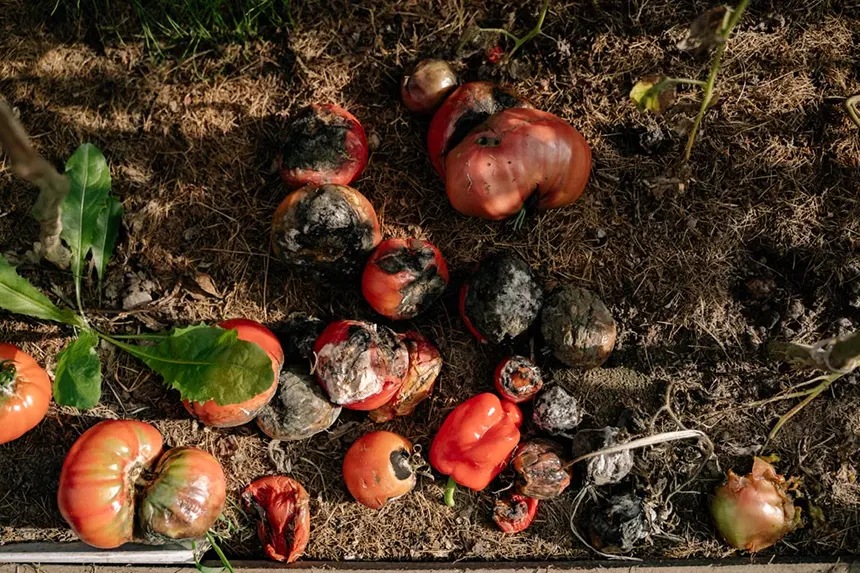
If the yellowing starts from the top and moves downward, or the foliage starts wilting, shows dark spots, or unusual patterns, it is likely affected by a fungal or bacterial disease. Viruses such as early blight, septoria leaf spot, and bacterial spot usually develop frequently in humid areas or when the plant remains wet for long hours.
You will most commonly see water-soaked spots or yellow hollows that eventually cause leaf drop and stunted growth, and the plant dies. Both septoria and bacterial leaf spot produce small circular spots with thick dark edges.
5: Environmental Stress
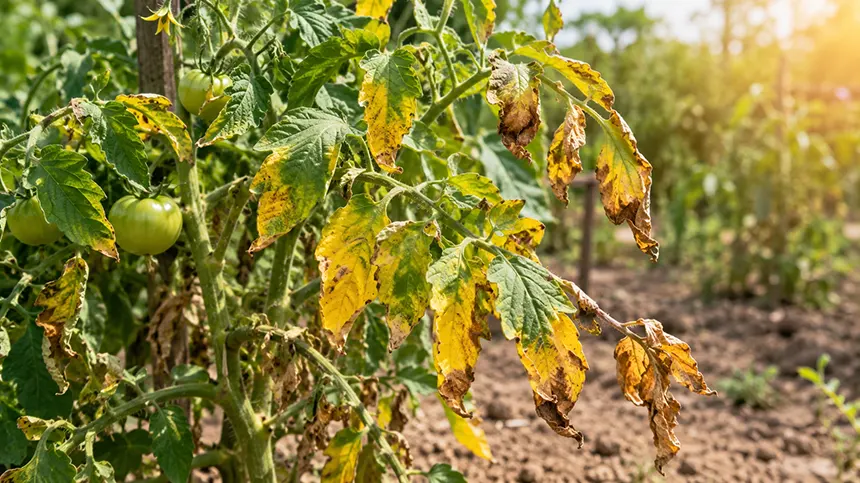
The yellowing of tomato leaves isn’t always a sign of pests or bacterial disease. Moving young seedlings outdoors too soon can cause the leaves near the base of the plant to turn yellow. Make sure to transplant them to an area where they can get 6-8 hours of direct sunlight.
Extreme heat or cold temperatures can cause physiological stress to the plant, eventually killing the plant. If your tomato plants are in containers, move them to a sunny location, and for patios or yards, do not grow taller plants around them that may block sunlight or reduce air circulation.
6: Chemical or Soil Issues
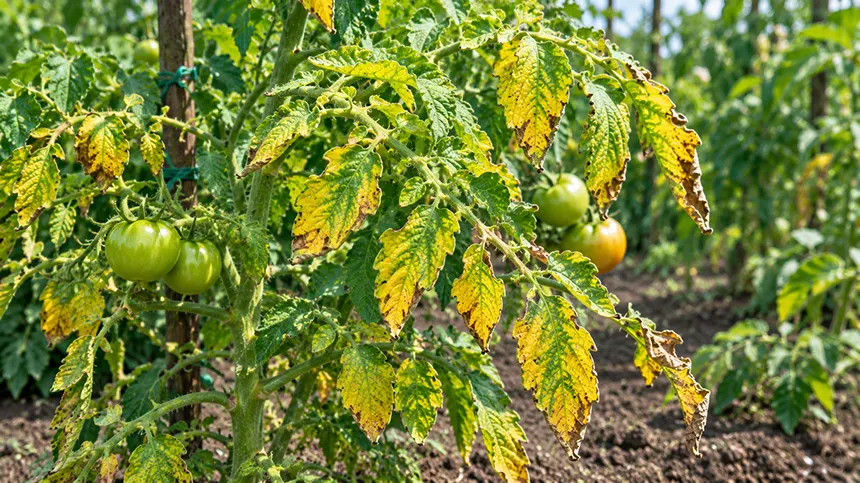
Chemical and soil issues are a primary reason for the leaves turning yellow. NPK deficiency, not maintaining the ideal pH of the soil, or simply using a strong weed spray can make you wonder why your tomato plant is turning yellow day by day. Adding weed killer can cause severe chlorosis or twisted growth of the plant.
If you have planted the tomato harvest within 50–60 feet of a black walnut tree, the roots can absorb a toxin called juglone, which can cause wilting, hinder the photosynthesis process, and kill the harvest.
7: Natural Aging (Nothing to Worry About)
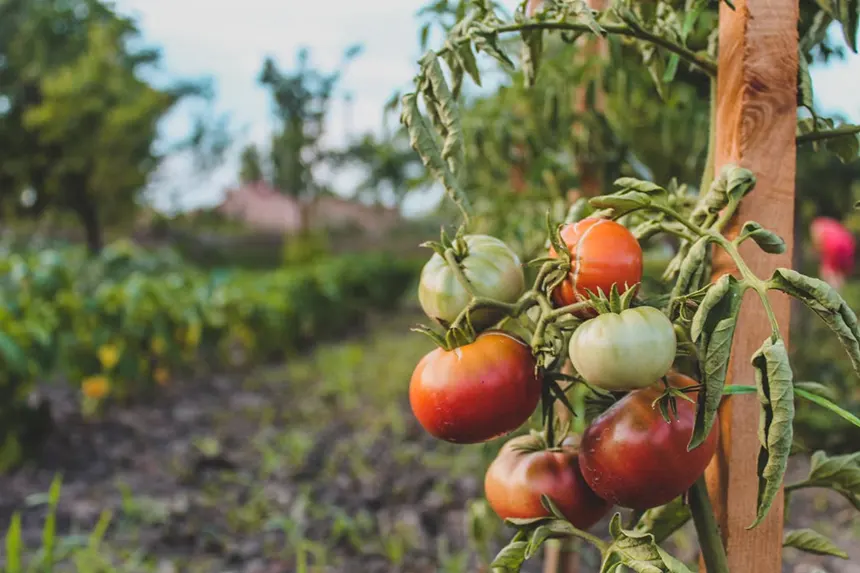
Earlier, a single yellow leaf at the base used to send me into a spiral. Now I just snip it and move on!
Generally, as the plant grows, it divides its energy and nutrients for the young leaves or fruits, which is why the foliage near the base can appear yellow. This process is completely normal. Tomato leaves turning yellow due to natural aging is actually a sign that the plant is growing fine.
How to Tell What’s Causing Your Yellow Tomato Leaves
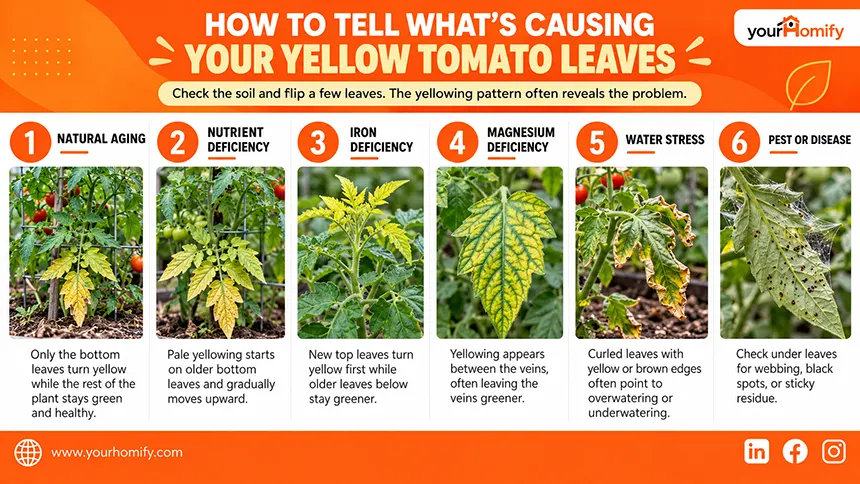
Before I reach for any fertilizer, I check the soil and flip a few leaves. Nine times out of ten, the answer is right there!
If you are a beginner, you would be surprised to know that you can tell the causes of tomato leaves turning yellow by looking at where the yellowing starts and the pattern on the leaves.
- Start by observing the plant properly. Note if the foliage is wilting or the fruits are dropping. If only the very bottom leaves of the tomato plant are yellow but the rest is green and fuller, it is a sign of natural aging.
- Foliage turning pale yellow starting from the bottom and moving upwards is most likely because of nutrient deficiency. Older leaves try to redirect essential nutrients to the new growth.
- Do not worry if the new leaves at the top are turning yellow. This usually happens because of iron deficiency.
- Yellow spots between the veins on the leaves suggest a lack of magnesium. It can also be because of a pest or fungal infestation.
- If the leaves are curling upwards and the edges are yellow or light brown, always check the soil moisture. Determine if the soil appears soggy or dry, as this indicates overwatering or underwatering.
- Carefully monitor the plant and look for signs like fine webbing, black spots, or sticky residue underneath the leaves. These are signs of pest infestation, which can turn the leaves yellow or completely kill the plant.
How to Fix Yellow Tomato Leaves
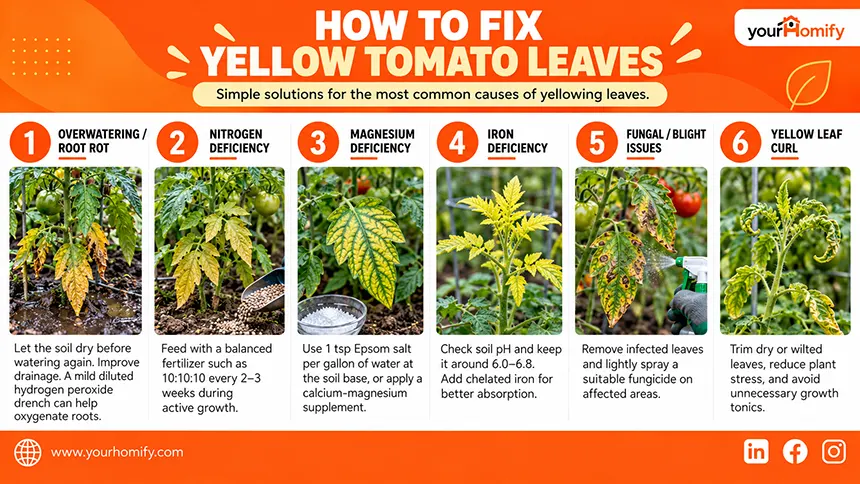
Whether you are growing Sweet 100 tomato or the Cherokee purple tomato, seeing yellow leaves can be a bit alarming. Now that we know what patterns these plants show if they are under stress, it is time to learn how to fix the issues.
Recommended Product
View all products
The Sweet 100 Tomato is a beloved cherry tomato variety cherished by both home gardeners and plant enthusiasts alike. If you are looking for a showstopper plant that delivers both looks and flavor, this might just be your perfect pick. This Cherry tomato cultivar earns its name by producing long drooping vines full of tiny, sweet, and juicy tomatoes, often over a hundred in each cluster. Whether you are planting in a container or a spacious garden bed, these Sweet 100 plants are easy to grow, resilient against common pests, and can be used in various types of pasta and salad. In this guide, we will explore its features and benefits, along with the rich botanical background that it holds. Features and Benefits of the Super Sweet 100 Tomato The Super Sweet 100 Tomato plants are a prized cherry tomato variety known for their rich sweetness and disease resistance. Below are some remarkable features and benefits of the plant. Produces long groups of 100+ cherry tomatoes throughout the season, ensuring a year-long supply from midsummer to fall. The rich taste lives up to its name and is perfect for raw snacking and gourmet recipes. Can thrive in large containers or garden beds with proper support, ideal for both urban and balcony gardening. Naturally resistant to common plant diseases like spider mites and aphids, making it a low-maintenance tree. Unlike the other plants of the tomato family, this variety begins to bear fruit as early as 65–70 days from transplanting. Naturally resistant to common tomato diseases like fusarium wilt and verticillium wilt, making it lower maintenance and more productive. Whether it's the delicious flavor or reliable yields, the Sweet 100 Tomato plant stands out as a top-performing variety. No matter if you are cultivating in a container or a garden bed, this cherry tomato guarantees a satisfying experience. Taxonomy of the Super Sweet 100 Tomato Plant Understanding the taxonomy of the Sweet 100 Tomatoes helps in identifying its classification, origin, and the traits that distinguish it from other cultivars. Given below is the taxonomic overview of the plant for your reference. Scientific Classification of Super Sweet 100 Kingdom Plantae Phylum Angiosperms Class Eudicots Order Solanales Family Solanaceae Genus Solanum Species Solanum lycopersicum Variety Sweet 100 Tomato The Super Sweet 100 Tomato is a carefully bred cultivar loved for its flavor and resilience. Its place in the Solanaceae connects it to a wide range of food crops, highlighting its commercial use. How to Grow and Care for the Super Sweet 100 Plants? To have a flourishing tomato plant, it is essential to meet the basic growing conditions of the plant. Proper sunlight and soil water can ensure a healthy growing genus. Given below is a simple care routine that you can follow to grow this species in your garden. Sunlight Full sun (6-8 hours daily) Water Moderate; keep the soil consistently moist, but not soggy. Soil Grows best in well-draining soil, rich in organic matter. Hardiness Zone 3-11 USDA Fertilizer Balanced NPK in the ratio 10-10-10 does wonders. Mature Height and Width 4–8 feet tall and 2–3 feet wide Growth Rate Fast-growing With just minimal care and effort, the Sweet 100 Tomato plant can become a star of your garden space. Following this basic care guide, you can have a season-long shrub. User Reviews and Ratings Review: The Super Sweet 100 Tomatoes is my go-to cherry tomato plant every year, and honestly, it never disappoints. Rating: ⭐⭐⭐⭐⭐ Review: Best tomatoes I have ever grown, perfectly sweet and tangy! Rating: ⭐⭐⭐⭐⭐ Review: They taste like candy, and my kids eat them straight from the vine. Rating: ⭐⭐⭐⭐⭐ Review: Grows insanely fast with tons of mini tomatoes—love the productivity. Rating: ⭐⭐⭐⭐⭐ Frequently Asked Questions Do Sweet 100 Tomatoes need a trellis? Yes, the Sweet 100 Tomato plant generally requires a trellis or any form of support to climb and grow. Can a Super Sweet 100 Tomato grow in pots? Yes, these can be successfully grown in containers and pots. How do you care for Sweet 100 Tomatoes? Simply plant the species in rich organic soil and provide a minimum of 6–8 hours of daily sunlight. Should I prune my Sweet 100 Tomato plant? Yes, pruning helps to maintain the growth of the plant and avoid leaf damage.
- Common Names: Sweet 100
- Botanical Name: Solanum lycopersicum
Recommended Product
View all products
Common NameCherokee Purple Tomato Native RegionTennessee Valley Region Plant TypeVine Fruit, Annual MaintenanceModerate-High Average Height4-6 feet Average Width3-5 inches Planning to bring bold colors and rich, tangy flavor to your garden? Widely popular and cultivated for their red-purple color and robust taste, these Purple Heirloom Tomatoes are truly one of a kind. Botanically called Solanum Lycopersicum, this Cherokee plant bears fruit that is usually less acidic than the fruits of the other cultivars. This Cherokee purple heirloom tomato brings a perfect tangy and smoky flavour to the table, making it perfect for sandwiches and gourmet salads. Key Features and Benefits of Cherokee Purple Tomato Cherokee purple tomatoes are known for their tangy and smoky flavour profile, making them ideal for gourmet cooking and adding a farm-fresh flavour to sandwiches, salads, salsa, and bruschetta. For a high-quality fruit, this beefsteak plant should be provided with optimal sunlight (6-8 hours) daily, consistent watering, well-drained soil, and warmer temperatures. This cultivar requires at least 70-90 days for maturing after transplanting. Since this plant is an indeterminate type, they produce fruits throughout the season. The Cherokee purple tomato plant is known for its excellent yielding qualities, rewarding you with a yield of 10-20 tomatoes per plant per season. Care Guide for Cherokee Purple Tomato Sunlight Exposure All tomato plants prefer growing in bright, direct sunlight. They require at least 6–8 hours of full sun exposure to flourish. Water Needs Water enough to keep the top 1–2 inches of the soil moist. Although these are mildly drought-tolerant, watering them in moderation helps in overall development.Soil Type Planting them in good-quality, well-draining soil is important, as Cherokee Purple is susceptible to soil-borne diseases. Hardiness Zone There is no specific zone for growing the Tomato Cherokee Purple plant, as it can tolerate a variety of climatic conditions. Plant the genus in areas with a relative humidity level between 65% to 85%. Fertilizer The basic NPK fertilizer in the standard ratio works wonders for the plant. Advantages and Disadvantages of Growing Cherokee Purple Tomato Advantages Disadvantages Cherokee purple tomatoes support soil health and sustainable garden practices by using organic methods and reducing chemical usage. The Cherokee purple tomato plant is susceptible to pests and fungal diseases because they lack strong disease resistance. The distinctive taste and unique flavour profile add versatility to cooking, especially gourmet food. This plant is high-maintenance and requires sturdy support, like cages or staking, due to its heaviness. This beef-steak plant is rich in antioxidants and boosts overall health by reducing the risk of diseases. They are fragile and hence prone to breaking in case of heavy rain, and hence are not ideal for long-term storage and shipping. It is an indeterminate type and hence produces fruit throughout the growing season. It sustains under careful growing conditions like rich soil, consistent watering, and optimal sunlight.
| Common Causes | How to Fix and Prevent Them |
| Overwatering or Root Rot | Let the soil dry out completely before the next watering session. I usually add a mild hydrogen peroxide solution to oxygenate the roots. |
| Nitrogen Deficiency | Apply a balanced organic fertilizer such as NPK in the ratio 10:10:10 every 2-3 weeks. |
| Magnesium Deficiency | Mix 1 teaspoon of Epsom salt per gallon of water and spray it on the soil base, or use a calcium-magnesium liquid supplement. |
| Iron Deficiency | Check and adjust the pH of the soil. It should be between 6.0 and 6.8. Mix a chelated iron supplement into the soil for better absorption. |
| Fungal & Blight Infections | You can apply a fungicide like Folio Gold Fungicide by mixing it with water. Lightly spray it on the infected areas. |
| Yellow Leaf Curl | Remove any dry or wilting leaves. Focus on enhancing the plant’s immunity and refrain from using growth-enhancing tonics. |
How to Prevent Leaf Yellowing From the Very Beginning?
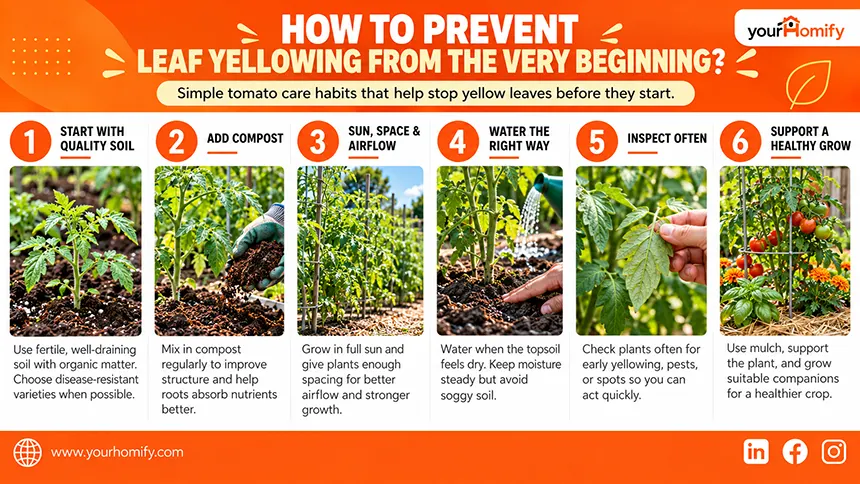
Imagine waking up to find your favorite tomato plant’s leaves turning yellow. You can prevent this by taking precautionary measures such as adding compost at regular intervals, using high-quality soil, proper watering, and daily inspection.
Though it is best to look for disease-resistant tomato varieties, here are some preventive measures that you can quickly riffle through.
| Are you also growing tomatoes in pots? Start with high-quality soil that contains organic matter. Make sure it is fertile and drains well. |
| Adding compost at regular intervals to the soil or potting mixture can improve the soil structure and enhance the nutrient absorption of the soil. |
| Sow the seeds or transplant young seedlings in a sunny location. Ensure proper spacing and airflow between the plants. Grow tomato companion plants alongside for a better harvest. |
| Consistent watering is important. Water only when the topsoil feels dry and adjust the frequency as the plant matures. |
| Inspect the plants on a regular basis for early signs of pest infestation. |
Final Words
Preventing and fixing yellow leaves comes down to following the right planting guide. As a beginner, one needs to understand that tomato plant leaves turning yellow is not a disease; it is an indication that the plant is under stress and something needs to be fixed.
Do not panic; check the soil consistency, look for pests, add a balanced vegetable fertilizer, try mulching around the base, and remove all the yellow leaves manually. This should fix the issue!
FAQs
Should I cut off yellow tomato leaves?
Yes, you should cut off the yellow tomato leaves, especially if they are at the base of the plant, as this is due to natural aging. Once you remove the foliage, check for signs of pest infestation or other causes.
Can a yellow leaf turn green again?
No, a yellow leaf cannot be turned green again once it loses its chlorophyll. It is always better to remove it so that the plant can redirect its energy to new young foliage.
What is the best fertilizer for yellowing leaves?
The right fertilizer depends on the part of the plant that is turning yellow and whether the veins on the leaf are green or not. For lower leaves, a nitrogen-focused option, such as a 10-10-10 granular or liquid plant food, works best.
What is the most common reason for yellowing leaves?
Improper watering is the most common cause of yellowing leaves. Both underwatering and overwatering can stress the plant, due to which it may lose its green pigment. Natural aging is also a reason for the lower foliage of the plant to turn yellow.
- Why are my tomato plant leaves turning yellow? 5 steps to save your harvest – Yahoo
- Tomatoes: leaf problems – RHS
- Tomato Leaves Turning Yellow – University of California