“An ounce of prevention is worth a pound of cure.” — Benjamin Franklin (US Founding Father)
Problems like a leaking roof, peeling paint, or a broken appliance seem bigger as they’re in your face. The real threat, however, often comes from issues you can’t easily see. Hidden moisture, poor drainage, inadequate ventilation, and neglected trees can quietly damage your home’s structure for months or even years before obvious warning signs appear.
But you can easily avoid all these costly problems just through early identification. Here are four everyday risks that could be damaging your home without you realizing it.
KEY TAKEAWAYS
- Small plumbing leaks can lead to considerable yet invisible structural damage and mold growth.
- Overhanging tree branches increase the risk of roof damage, especially during storms and high winds.
- Clogged gutters can lead to water intrusion, wood rot, and foundation problems.
- Proper attic ventilation helps prevent both heat-related roof deterioration and moisture damage.
Small Plumbing Leaks Behind Drywall
A tiny drip from a pipe joint hidden inside a wall may seem insignificant, but even small leaks can cause extensive damage over time. You might only notice a slight increase in your monthly water bill, or maybe a faint musty odor when walking past a closet.
This slow moisture release rots the wood framing studs and creates a perfect breeding ground for toxic micro-organisms. Prolonged dampness in poorly ventilated buildings can promote fungal growth, including Aspergillus and Penicillium, which are known to trigger immune responses and respiratory symptoms.
By the time soft spots appear on your drywall, the internal framing could be severely compromised. Fixing this requires cutting out large sections of walling, drying the interior framing, and replacing old pipes. Regular plumbing inspections and water leak detectors help catch these hidden issues early.
Heavy Tree Branches Overhanging the Roof Line
Mature trees enhance a property’s appearance and provide valuable shade, but overhanging branches can become a serious hazard. They pose a hidden danger during storm seasons. Thick branches hanging directly over your roof constantly drop leaves and small twigs that clog up your gutters. Heavy winds can snap these limbs instantly, causing massive structural damage to your rafters and ceiling joists.
Homeowners often do not realize how vulnerable their shingles are until a major storm hits. Experienced professionals can help if a tree fell on roof and leaves your home exposed to the elements. Getting a team out immediately prevents rainwater from destroying your ceilings and personal belongings. Regular pruning keeps your roof safe from these sudden impacts.
Improper Downspouts and Gutters Cleaning
Your gutter system plays a critical role in protecting your home. It channels rainwater away from your:
- Roof
- Walls
- Foundation
When leaves, pine needles, and dirt pile up, water overflows down the sides of your siding instead of flowing out the downspouts.
This constant spilling rots your wooden fascia boards and seeps into your window frames. Flooding is one of the most frequent and costly natural hazards in the United States, causing billions of dollars in property damage each year.
When water pools at the base of your home, it saturates the soil around your concrete slab. Over-wet soil causes the foundation to shift, leading to cracked walls and doors that will not close properly. Cleaning your gutters twice a year is a simple chore that prevents thousands of dollars in foundation repair costs.
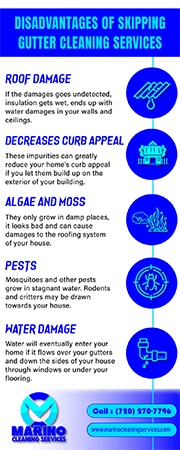
The infographic summarizes the consequences of ignoring gutter cleaning:
Poor Attic Ventilation and Heat Buildup
An improperly ventilated attic can create problems year-round. It turns into an absolute oven during the hot summer months. Trapped heat radiates downward through your ceiling, forcing your air conditioning system to work twice as hard. Your roof shingles get cooked from the inside out. They curl, crack, and lose their protective granules prematurely.
The winter months present a different issue when warm air from your living space escapes into a cold attic. This temperature difference causes condensation to form on the underside of your roof deck, leading to wood rot and rusted roofing nails. Installing proper ridge vents and soffit vents creates continuous airflow that regulates these temperatures.

Conclusion
The most expensive home repairs often start as small, easily overlooked problems. Catching these quiet problems early keeps your property safe, secure, and valuable for years to come. When insurance is withdrawn at a regional scale, this devalues people’s largest financial asset, can undermine the property market, and puts our broader economy at risk.
FAQs
How can I tell if there’s a hidden plumbing leak in my home?
Common signs include unusually high water bills, musty odors, damp spots on walls, peeling paint, and unexplained mold growth.
How often to clean gutters?
Most homes benefit from gutter cleaning at least twice a year, typically during spring and fall. Properties surrounded by trees may require more frequent maintenance.
Can poor attic ventilation increase energy bills?
Yes. Excess attic heat forces cooling systems to work harder during summer, increasing energy consumption and utility costs.
Are overhanging tree branches really that dangerous?
Yes. Dead, weakened, or oversized branches can break during storms and cause severe structural damage to the foundation, roof, and gutter.