Using a space for new and innovative acts has become a trend thesedays, while garages are used for keeping vehicles, they a re even being transformed into enclosed space for keeping the vehicles.
But when it comes to electricity it is always important to make sure things are carried out with caution to avoid any mishaps.
This is where this guide is going to help you, in order to build an EV charging safely.
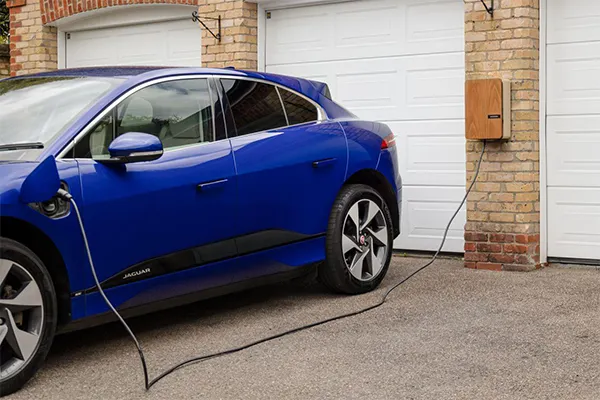
Metal Buildings Are a Good Fit for EV Charging
Steel structures already have a lot going for them when it comes to supporting EV charging equipment. They offer wide open floor space, tall clearances for larger vehicles, and sturdy walls that make mounting a charger easy. Metal framing also gives electricians a clean path for running cables.
On top of that, these buildings tend to be easier to extend later. If you add a second vehicle or a battery storage system down the road, a metal shell gives you room to grow without a full renovation. That flexibility is one reason many homeowners choose metal over wood-frame building.
Building From Scratch Versus Retrofitting an Old Shed
If you are starting from scratch rather than upgrading an old structure, steel building kits give you a fast, affordable way to build a space designed around EV charging from day one. You can choose the door width, ceiling height, and insulation package that match your vehicle and charging equipment, which saves headaches later compared to retrofitting a building that wasn’t planned with power needs in consideration. Buying a kit also means the panels arrive pre-engineered for wind and snow load, so you are not guessing at structural details on your ownself.
Retrofitting an older shed or barn is still possible, though it usually takes more planning. Older structures may need reinforced framing before an electrician runs conduit through the walls, and rust or corrosion around the base should get inspected before any wiring goes in.
Here is what to look for when evaluating kits:
- Door openings wide enough for your vehicle plus charging cable space
- Pre-punched wall panels for easy conduit installation
- Insulation options rated for your region
- Roof pitch that supports solar panels if you plan to add them eventually
Electrical Upgrades You Need Before Installing a Charger
Most enclosed metal buildings were not built with EV charging in mind, so the electrical system usually needs attention. A licensed electrician should check panel capacity before anything else gets added.
Level 2 chargers typically pull between 30 and 50 amps, and the other older buildings may not have that headroom available. Upgrading the panel or adding a dedicated subpanel is common in these installations.
Wiring also matters more than people assume. Metal buildings need properly grounded circuits, and conduit runs should go by code for the amperage load. Skipping this is one of the most frequent causes of failed inspections, so it pays to get it right the first attempt.
Distance from the panel to the charger location plays its part too. Longer wire runs mean thicker-gauge wire to prevent voltage drop, which raises material costs slightly high. Mapping out the shortest path before installation keeps the project on track.
| Quick TipAlways hire a licensed electrician for panel upgrades and conduit runs. Inspections check for grounding, GFCI protection, and code-compliant amperage before a charger goes live. |
Ventilation and Safety Considerations for Enclosed Spaces
Charging equipment generates heat, and enclosed metal buildings can trap it if airflow is not planned properly. Adding vents, a small exhaust fan, or louvered panels keeps temperatures consistent during long sessions and also supports the safe operation of battery storage systems installed alongside charging equipment, creating more reliable energy solutions for the property.
Fire safety is worth planning around too. Keep a clear zone around the charger, avoid storing flammable materials nearby, and install a smoke detector rated for garage use. A fire extinguisher near the charging station adds real peace of confidence.
Charger Types and What Fits Your Space
Not every building needs the same charging setup. Matching the charger to your driving habits keeps costs manageable and avoids unnecessary electrical work.
- Level 1 chargers plug into a standard outlet and work well for occasional or emergency charging
- Level 2 chargers need dedicated circuits and charge much faster, perfect for daily drivers
- Portable chargers offer convenience if you split time between locations
- Smart chargers with app connectivity let you manage charging during off-peak electric rates
Charger Comparison at a Glance
| Charger Level | Best For | Typical Amps |
| Level 1 | Occasional or backup charging | 15-20 amps |
| Level 2 | Daily drivers, faster charging | 30-50 amps |
| Portable | Flexibility across locations | Varies |
| Smart | Scheduled, off-peak charging | 30-50 amps |
Permits, Codes, and Getting It Inspected
Almost every municipality requires a permit for EV charger installation, even inside an existing structure. Skipping this step can create problems later when selling the property or filing an insurance claim.
Local codes vary on disconnect switches, GFCI protection, and minimum clearance around the unit. A quick call to your local building department before work starts saves time and prevents costly rework later.
Smart Add-Ons Worth Considering
Once the core charging setup is in place, a few extras make daily use simpler. Cable management hooks keep cords off the floor, motion-sensor lighting helps at night, and a simple timer or smart plug can automate charging schedules around utility rate changes.
Solar-ready roof framing is worth evaluating too, since retrofitting solar onto an existing roof costs more than planning for it upfront.
A backup battery paired with solar can keep charging running during a power outage, worth considering about if your area sees frequent storms.
Planning a Building That Supports EV Charging
Turning an enclosed metal space into an EV charging hub is a manageable project when it’s broken into simple steps: check electrical capacity, plan for ventilation and safety, choose the right charger, and pull the proper permits. Whether you are retrofitting an old structure or building new, following these steps sets you up for a charging creates that works reliably for years.
FAQs
What is the height of EV charger outlet?
The ideal mounting height is generally between 3 and 4 feet (36–48 inches) from the floor.
How high should EV charger be from ground?
It is recommended that your EV charger be mounted at least 750mm off the ground in order to minimise any risk of electrical shock or other hazards.
What is the maximum length of EV charging cord?
25 feet is the max length allowed by the National Electric Code. ClipperCreek offers a 25 foot charging cable on our products as a standard option, there is no premium charged for having the 25 foot cable.
What is the EV charger outlet called?
A NEMA 14-50 is a common 240V, 50A outlet (often used for EV charging). Many EV chargers plug into it, but the actual charging speed depends on the circuit and your EV.