A finished basement adds real comfort, usable square footage, and value to a home. But when you notice a few cracks in the foundation, even small ones, it can end up making the entire project feel uncertain.
Nobody wants to invest a huge amount in framing, flooring, drywall, and lighting only to discover a moisture or structural problem later. The great news is that these minor cracks don’t always stop a whole project, but they must not be ignored either.
Here’s how you can finish the project by evaluating the damage early and choosing the right materials for your basement.
Can You Finish a Basement That Has Minor Foundation Cracks? Start With the Type of Crack
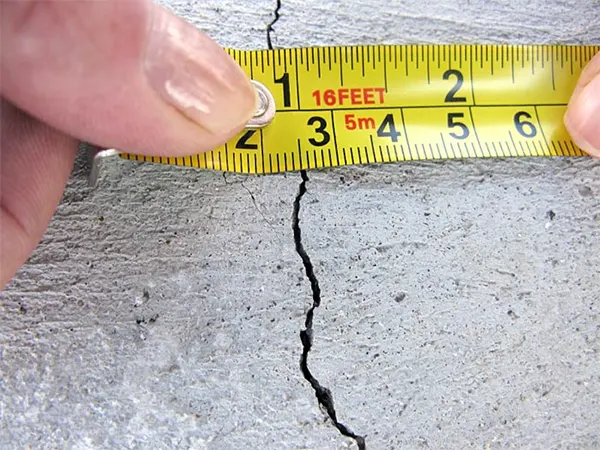
The first step is understanding what kind of crack you are looking at. Hairline cracks are common in many concrete foundations, especially as homes settle or concrete cures over time. These are often narrow, shallow, and not actively leaking. Still, they deserve attention before any finished materials cover the wall.
Can the basement be finished even after having minor cracks? In many cases, yes, but only after the cracks are inspected and properly addressed. A basement remodel usually hides much of the foundation behind thick walls, insulation, and trim. That means small problems can become harder to monitor later.
Hairline Cracks Are Not Always Serious
Hairline cracks are usually thin and may run vertically or at slight angles. They can happen from normal concrete shrinkage or minor settlement. If they are dry, stable, and not widening, they may not indicate major structural movement. However, they should still be sealed or monitored before finishing the space.
The biggest mistake is assuming “small” automatically means “safe.” A tiny disturbance that leaks during heavy rain can cause mold, musty smells, damaged drywall, and ruined flooring.
That is why the condition of the basement holds as much importance as the size of the crack. Dry today does not always mean dry forever.
Can You Finish a Basement That Has Minor Foundation Cracks? Check for Moisture First
Moisture is the real dealbreaker in many basement projects. A crack that looks harmless during a dry week may show dampness after a storm or during spring thaw. Before finishing the basement, check for water stains, mineral deposits, peeling paint, musty odors, or damp concrete. These signs tell you the foundation may be allowing water vapor or actual leakage into the space.
The basement can still be finished, but first, moisture control should come before taking design decisions. It is simpler and cheaper to fix drainage, seal cracks, and improve waterproofing before the basement is finished.
Once new walls are put in, even a small leak can prove to be quite costly to find and repair.
Look Outside the Basement Too
Foundation cracks are not always just an interior issue. Gutters, downspouts, grading, and exterior drainage can all affect how much water presses against your foundation. If water collects near the home, even minor cracks may become active leaks. Solving the outside water problem is often just as important as sealing the inside crack.
Downspouts should move water away from the foundation. Soil should slope away from the house instead of toward it. Window wells should drain properly. These simple details can make a major difference before basement remodeling begins.
When Cracks Need Professional Evaluation
Some cracks are best handled by a professional before any finishing work begins. Horizontal cracks, stair-step cracks in block walls, widening cracks, bulging walls, or cracks with active water intrusion may indicate a much larger issue. A crack that develops over time is also more concerning than one that stays the same for a long time. Movement matters.
Can You Finish a Basement That Has Minor Foundation Cracks? That depends on whether the cracks are cosmetic, moisture-related, or structural. A reputable contractor can help determine whether a remodel can move forward or whether foundation repair should happen first. In more serious cases, a structural engineer may be needed for a clear evaluation.
Do Not Cover Problems With Drywall
Drywall is not the correct solution for foundation cracks. Neither is paint, paneling, flooring, or trim. These materials may give the appearance that the basement looks finished, but they will not stop movement or water. In fact, they make the problem worse by hiding signs that should have been handled early.
A proper remodel starts with the bones of the basement. That includes the foundation, moisture control, electrical layout, insulation plan, and ventilation. The finished look matters, of course. But the hidden work protects the investment.
How Minor Foundation Cracks Are Usually Handled
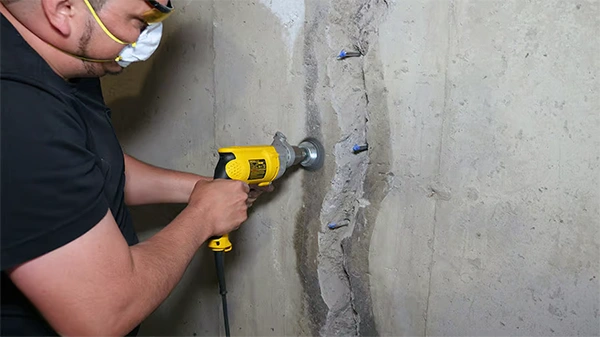
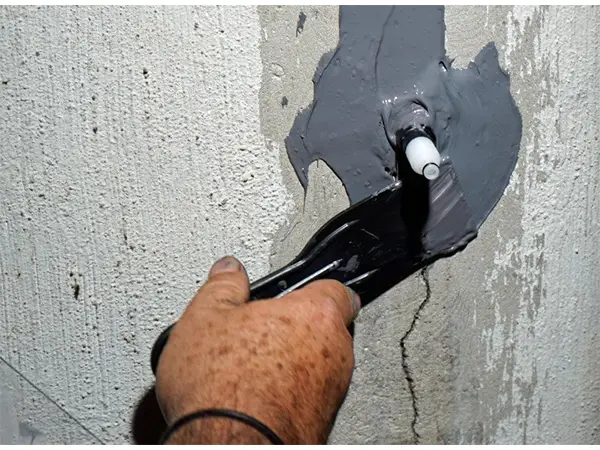
Minor cracks are often sealed before finishing begins. Depending on the crack and the source of moisture, this may involve epoxy injection, polyurethane sealant, hydraulic cement, or another appropriate repair method. The goal is not just to make the crack disappear visually. The goal is to reduce the risk of water intrusion and keep the wall stable.
A good Basement Remodeling Company will look beyond the surface. They should inquire about past leaks, drainage problems, humidity, flooring plans, and how the space will be utilized. A basement bedroom, home gym, office, or entertainment room may each need a different approach. Function should guide the plan.
Waterproofing May Be Worth Doing First
If the basement has a history of water problems, waterproofing should be considered before finishing. This might include interior drainage systems, sump pump improvements, vapor barriers, crack repair, or exterior drainage corrections. The right solution depends on where the water is coming from. Guessing can lead to wasted money.
Basements are more susceptible to moisture accumulation than above-grade rooms. Concrete is porous, and below-grade spaces are mostly surrounded by soil. But that does not mean they cannot be finished beautifully. It simply means the remodel needs to be better planned with moisture removal in mind, right from the start.
Choosing Materials for a Basement With Minor Cracks
Material selection matters in a basement. Even after repairs, it is smart to choose materials that can handle the realities of a below-grade space. Moisture-resistant drywall, appropriate insulation, durable flooring, and proper underlayment can help protect the finished room. The goal is not to expect failure, but to build wisely.
Luxury vinyl plank, tile, and other basement-friendly flooring options are usually more forgiving than traditional carpet. If carpet is used, the padding and moisture protection should be considered carefully.
Walls must be designed in a way that accounts for airflow, insulation, and possible vapor movement. Small choices behind the scenes can prevent greater headaches later.
Plan Access Where It Matters
Some basement systems should remain accessible. Shutoff valves, cleanouts, sump pumps, electrical panels, and mechanical equipment need practical access points. A beautiful basement that blocks critical systems is not truly finished well. It is just harder to maintain.
This also applies to areas near known foundation concerns. If a crack has been repaired and monitored, the remodel should not make future inspection impossible. Smart design blends function with appearance. That is where experience really matters.
Can You Finish a Basement That Has Minor Foundation Cracks? The Final Answer
Yes, many basements with minor foundation cracks can be finished successfully. The key is making sure the cracks are stable, dry, and precisely repaired before the remodeling process begins. Rushing ahead because the cracks appear small can create bigger issues behind finished walls. A basement remodel must add comfort, not cover up uncertainty.
Can You Finish a Basement That Has Minor Foundation Cracks? Absolutely, if the project starts with a careful inspection and a practical repair plan. Address moisture, check drainage, choose basement-appropriate materials, and work with professionals who understand below-grade remodeling. When the foundation is handled first, the finished space has a much better chance of staying clean, dry, and comfortable for years.
How must the walls be designed?
Walls must be designed in a way that accounts for airflow, insulation, and possible vapor movement. Small choices behind the scenes can prevent greater headaches later.
Why is it necessary to address cracks early?
It is important to address these cracks early, as they might grow larger with time and end up accumulating more moisture, thus making the foundation even weaker.
Why should drywall not be used?
Drywall may give the appearance that the basement looks finished, but it will not stop movement or water. In fact, it make the problem worse by hiding signs that should have been handled early.