


When I first started learning about rose care, I assumed watering and sunlight were enough to keep this spring flower healthy. But soon I realized that feeding them correctly makes all the difference, and that’s why I created this rose fertilizer guide to simplify everything.
In this article, you will learn about different fertilizer types, the nutrients roses need, the best time to fertilize, practical feeding tips, and common mistakes to avoid.
Quick Answer
The best fertilizer for roses depends on their growth stage, but a balanced NPK is a great choice for most varieties. Following a proper feeding schedule helps roses develop strong roots, healthy foliage, and abundant blooms throughout the season.
Rose Fertilizer Guide: What are the Best Types?
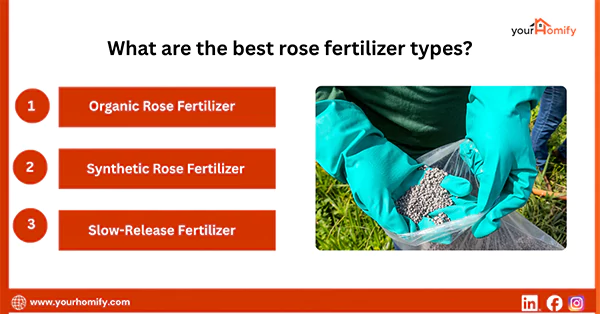
According to the American Rose Society, roses require a specific balance of NPK nutrients for optimal growth.
- Nitrogen (N): This promotes healthy leaf growth.
- Phosphorus (P): Helps in proper root development.
- Potassium (K): Important nutrient for flower formation.
It is crucial to choose the right fertilizer for rose bushes to keep them healthy and blooming. Various plant foods differ in the way they feed the plants, and each of them has its own benefits.
1. Organic Rose Fertilizer
Organic rose fertilizers are made from natural plant/animal waste or mineral sources. They slowly improve the texture of the soil while supplying essential nutrients to the plant.
Here are some common organic fertilizers for roses that I prefer using:
- Compost: Made from fallen leaves, wooden chips, hay, vegetable or fruit scraps, used tea bags, or coffee grounds, compost is rich in organic matter and helps improve overall soil health.

- Bone Meal: It is a natural source of phosphorus, which is essential for root growth and flowering.

- Fish Emulsion: This is a good source of nitrogen, which is a primary nutrient needed for growth, flowering, and fruiting for fast-acting results.
- Alfalfa Meal: It is a natural plant food and growth stimulant. This carries nutrients that will produce plants with abundant blooms.

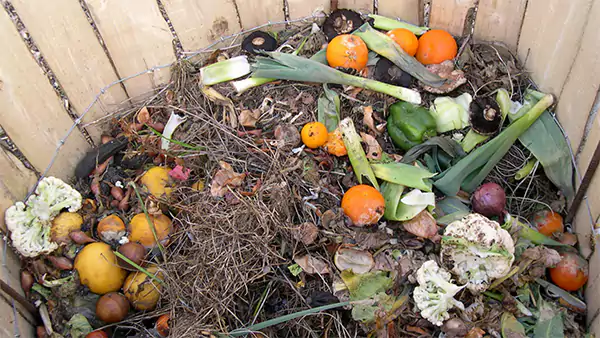
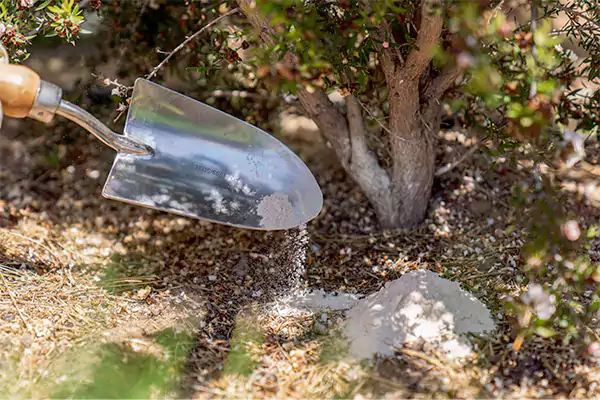
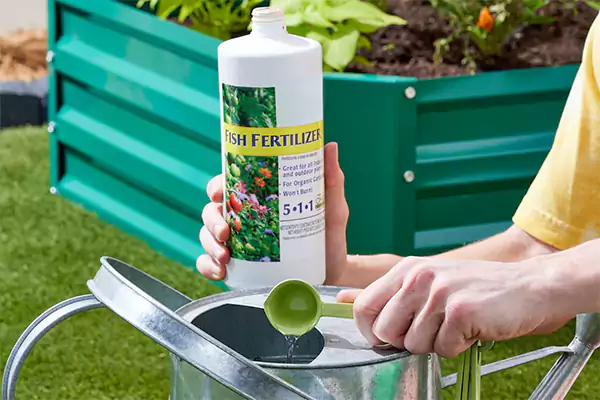
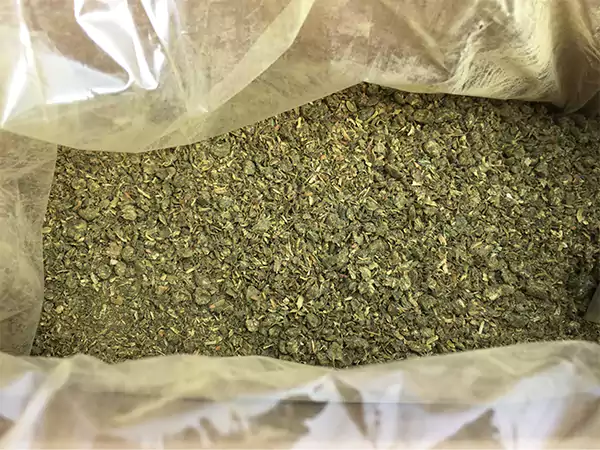
Organic fertilizers help in improving soil fertility, encourage microbial activity, and provide steady nutrition.
2. Synthetic Rose Fertilizer
Synthetic fertilizers can be described as man-made compounds that contain a certain percentage of nutrients. These products come in handy, as they are easily available at garden centers.
The most common types of synthetic fertilizers that I prefer using are given below:
- Granular Fertilizers: These are applied as a top dressing to the root system of the plant, which means that the product is spread out on the ground and watered afterwards. This way, the nutrients reach the species in a slow manner, which makes it suitable for regular use also.
- Water-Soluble Fertilizers: These are used to make nutrients instantly accessible to plants. They are applied by mixing the product with water and pouring the solution into the soil. This type is perfect when the rose plants need an extra boost of nutrients.
- Liquid Fertilizers: These are mixed with water to form a solution that can be poured or sprayed directly onto the leaves. They are used as an additional source of minerals, especially during the blooming period.
Synthetic fertilizers are easy to measure and apply. They are mainly important if you want fast nutrient availability and want to correct the deficiencies of your plant.
3. Slow-Release Fertilizer
As the name suggests, slow-release fertilizers are designed to slowly release nutrients to plants over a period of several weeks or months. These chemicals can be organic or inorganic.
They are good options for rose growers because the fertilizer coating is usually resistant to water, heat, and organisms, so it slowly breaks down and mixes nutrients into the soil. Slow-release fertilizers are great for botanists or home-gardeners who do not have much time to care for their plants.
When is the Ideal Time to Fertilize Roses?
| Rose Fertilizing Timeline at a Glance | |
| Growing Stage | When to Fertilize |
| Early Spring | When new growth appears |
| Bud Formation | 4-6 weeks after first feeding |
| Active Blooming | Every 4-6 weeks |
| Late Summer | Light feeding (only if needed) |
| Before Winter | Stop 6-8 weeks before the frost |
Feeding at the right time is just as important as choosing the right fertilizer. Roses have different nutritional needs throughout the growing season, and applying fertilizer at the appropriate stage encourages healthy foliage, strong root structure, and abundant blooms.
- Early Spring: Apply fertilizer several times when new leaves and shoots appear. This will help roses develop strong roots, stems, and leaves throughout the growing season.
- Before the First Bloom: Feed roses again with a phosphorus-rich fertilizer when flower buds start to form. This should be done 4-6 weeks after the first application.
- During the Blooming Period: Continue to fertilize your roses every 4-6 weeks with granular fertilizer or every 2-3 weeks with a liquid one.
- Late Summer: Stop feeding your rose bushes with nitrogen-rich plant food and switch to high-potassium content to prepare them for the winter season.
- Before the First Frost: It is advisable to stop fertilizing 6-8 weeks before the first winter night in the area. This will give plants enough time to rest and get rid of delicate shoots that might not survive the harsh climate.
How to Feed Roses Properly?
Following a proper rose fertilizer guide and feeding roses correctly helps them absorb nutrients efficiently and promotes healthy growth, vibrant foliage, and flourishing blooms.
Here is a step-by-step guide I follow to feed my rose bushes.
- Choose the Right Fertilizer: Select the plant food based on your rose’s growth stage and needs. A balanced fertilizer works well for general growth.
- Water the Soil First: Always moisten the soil before applying fertilizer. (I learnt this the hard way). Feeding dry soil can burn the roots and reduce nutrient absorption.
- Apply the Recommended Amount: Always follow the instructions given on the back of the fertilizer packet. Overfeeding can damage the roots and lead to excessive leaf growth with fewer flowers.
- Spread Fertilizer Around the Base: Apply the plant chemical around the drip line, keeping it several inches from the main stem.
- Water After Fertilizing: Water thoroughly after application to help dissolve the fertilizer so that the nutrients can reach the root zone.
- Feed at Regular Intervals: It is ideal to repeat the feeding depending on the type of fertilizer you are using. Granular fertilizer should be given every 4-6 weeks, while liquid plant food should be given every 2-3 weeks.
Watch for signs of healthy growth, such as green leaves and frequent blooms. If the leaves turn yellow, the growth slows down, or flowering decreases, adjust your feeding schedule.
YourHomify Quick Tip
Feed roses in the morning or evening, apply fertilizer only during the active growing season, and avoid getting the chemical on leaves and flowers to prevent them from decaying.
Common Rose Fertilizing Mistakes to Avoid
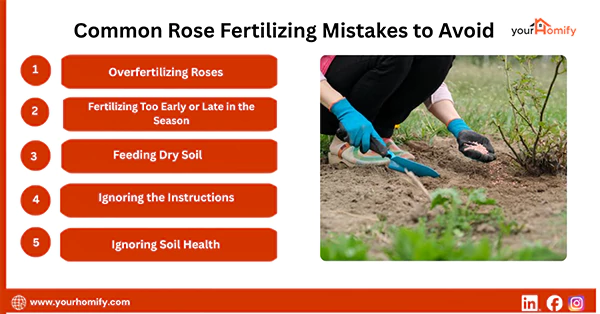
Even the best fertilizer won’t deliver great results if it’s used incorrectly. Avoid these common mistakes to keep your roses healthy and blooming throughout the growing season.
- Overfertilizing Roses: Applying too much fertilizer can burn the roots, damage the plant, and encourage excessive leaf growth instead of flowers.
- Fertilizing Too Early or Late in the Season: Avoid feeding roses while they are still dormant. Wait until the new shoots and leaves appear. However, applying fertilizer too late, that is, close to first frost, may encourage tender growth that can get damaged by cold weather.
- Feeding Dry Soil: Never apply fertilizer to completely dry soil. Water the soil first to protect the roots and improve nutrient absorption.
- Ignoring the Instructions: Different fertilizers have distinct application rates and schedules. Always read and follow the product instructions to avoid overfeeding or underfeeding.
- Ignoring Soil Health: Fertilizer alone cannot fix poor soil. Regularly add compost or other organic matter to improve soil structure, drainage, and long-term fertility for healthier roses.
Best Fertilizer for Roses by Growth Stage
Different growth stages require different nutrients. Here is a simple rose fertilizer guide according to their growth cycle that helps promote strong roots, healthy foliage, and continuous blooms.
| Rose Growth Stage | Best Fertilizer | Why does it Works? |
|---|---|---|
| Newly Planted Roses | Bone meal, compost, or a balanced slow-release fertilizer. | Encourages strong root establishment and reduces transplant stress. |
| Early Spring | Balanced fertilizer in the ratio 10:10:10 | Supports healthy leaves, stems, and root growth. |
| Bud Formation | High-Phosphorus or bloom-boosting fertilizer | Promotes more flower buds and larger blooms |
| Active Blooming | Rose-specific fertilizer or balanced liquid plant food. | Maintains abundant flowering and healthy flowering. |
| Before Dormancy | No fertilizer is needed | Allow the plant to slow down naturally and prepare for dormancy. |
Conclusion
Choosing the right fertilizer and applying it at the right time can make a huge difference in the health and beauty of your roses. I hope this rose fertilizer guide has helped you understand which plant food to use, when to feed your plants, and how to avoid common mistakes. With proper care and regular feeding, your roses will reward you with lush foliage and stunning blooms season after season.
FAQs
What is the best fertilizer to use on rose bushes?
A well-balanced, slow-release granular fertilizer is the best type for rose bushes. Since the plant is a heavy feeder, a proper supply of NPK is essential for optimal growth.
Should I fertilize roses in October?
No, fertilizing roses in late summer is not ideal, as it can encourage tender growth that can get damaged during the upcoming harsh winter climates.
What are some common rose fertilizer mistakes?
Overfeeding or feeding too little, applying fertilizer on dry soil or on the leaves and stems are some common mistakes that should be avoided for proper growth of the plant.
Does Epsom salt really help roses?
Although this has been a gardening myth for a long time, it is believed that adding Epsom salt to the soil can provide magnesium, which results in abundant blooms and lush foliage.
What month should I cut back my rose bush?
You should cut back your rose bushes in late winter or early spring but the exact time period depends on the climate of the area you are living in.






How to Dry Roses: 5 Easy Methods That Actually Work
[…] the roses upright on the silica gel and gently spread the outer petals if needed, but do not force open them. […]