One zucchini plant can produce up to 10 pounds of fruit in a single season even in a container on a small patio. If you’re wondering how to grow zucchini without a sprawling backyard, the challenge usually comes down to picking the right container size, soil, and watering routine for your space.
This guide walks you through growing zucchini in both small gardens and containers, covering the exact steps, ideal conditions, and harvesting tips you need for a healthy, high-yield crop.
Quick Answer
Grow zucchini in a sunny spot with 6-8 hours of daily light and fertile, well-draining soil after soil temps hit 65°F. Space plants 24-36 inches apart, water 1 inch weekly at the base, feed every 2-3 weeks, and harvest at 6-8 inches long.
How to Grow Zucchini in Containers and Compact Gardens?
For containers, use a 15-20 gallon pot filled with nutrient-rich, permeable potting mix and grow one plant per container. In small gardens, plant zucchini in fertile, porous soil, leaving 24-36 inches of space between each seedling. Both methods need abundant sunlight and consistent watering.
According to the gardening experts at Next Level Gardening, you can grow zucchini successfully in containers or small gardens. Let us explore both methods in more detail in this section.
1. How to Grow Zucchini in Containers?
To grow zucchini in containers, you need a 15-20 gallon pot with drainage holes, potting mix, zucchini seeds or seedlings, balanced vegetable fertilizer, a watering can, and a stake or trellis.
Step 1: Select the Right Container
Choose a container that holds at least 15-20 gallons and is 12-18 inches deep. Make sure it has several drainage holes to prevent waterlogging and provide enough space for the roots to grow and spread properly.
Step 2: Use a Good Quality Potting Mix
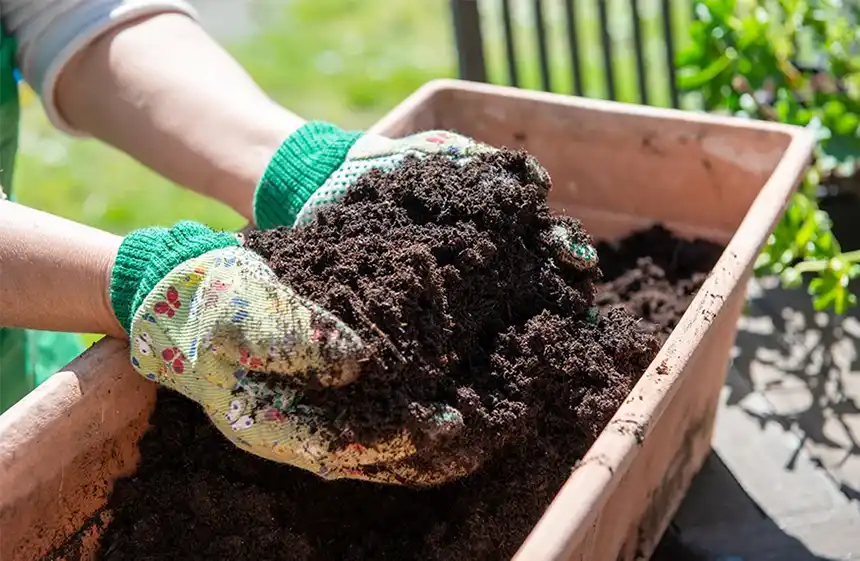
Fill the container with a well-draining potting mix. Add compost or aged manure and avoid using heavy garden soil, as it can restrict root growth and optimal development of the plant.
Step 3: Sow Seeds or Transplant Seedlings
Plant the seeds 1 inch deep once the last frost season has passed or transplant the seedlings into a prepared potting mixture. Water immediately after planting so that the soil settles down and no air pockets are left. This also helps in root establishment.
Step 4: Place the Container in Full Sun
Keep the container where it receives 6-8 hours of direct sunlight every day. Rotate the pot occasionally so that all the sides of the plant get light and grow equally.
Step 5: Water Regularly
Water deeply only when the top 1-2 inches of the soil feels dry. Check the moisture level of the potting mix daily, as zucchinis grown in containers need more watering than the ones grown in small gardens.
Step 6: Feed the Plant
Apply a well-balanced vegetable fertilizer every 2-3 weeks once the planting is done. Maintain consistency throughout the growing season for proper flowering and fruiting.
Step 7: Add Support if Needed
Install a stake or small trellis if the plant tends to become large or if you are growing a climbing variety. This also helps in saving space and improving air circulation around the plant.
Step 8: Harvest Frequently
The zucchini plant has a fast growth rate. Harvest the vegetable when it grows 6-8 inches long. Regular harvesting encourages the plant to produce more flowers and fruits all year long.
2. How to Grow Zucchini in Small Gardens?
To grow zucchini in small gardens, you will need zucchini seeds or seedlings, an ideal location with well-draining soil, a balanced NPK fertilizer, a watering can or hose, gardening gloves, and pruning shears.
Step 1: Choose the Right Location
Select a garden bed that receives 6-8 hours of direct sunlight daily. Avoid areas where the plant will only get filtered light, as this can restrict plant growth and reduce fruit production.
Step 2: Prepare the Soil
Loosen the soil to a depth of 10-12 inches. I prefer mixing compost or well-rotted manure. This enhances soil drainage and promotes healthy roots and overall plant growth.
Step 3: Plant the Seeds or Seedlings
Sow seeds 1 inch deep once the frost season has passed or transplant healthy nursery seedlings into the garden bed or container. Water immediately, as this helps the plant to establish firm roots.
Step 4: Space the Plants Properly
Leave 24-36 inches between each zucchini plant. Proper spacing improves airflow, reduces disease problems, and gives each plant enough room to spread.
Step 5: Water Consistently
Water deeply once or twice a week, depending on the weather conditions. It is important to keep the soil evenly moist. Water only at the base of the plant to keep the foliage dry and reduce fungal diseases.
Step 6: Fertilize During the Growing Season
Feed plants every 2-3 weeks with a balanced vegetable fertilizer or add compost around the base of the plant to replenish essential nutrients.
Step 7: Mulch Around the Plants
Apply a 2-3 inch layer of organic mulch around each plant. You can use straw, shredded leaves, or compost. This is used to suppress weeds, regulate soil temperature, and retain moisture in the soil.
Step 8: Harvest Regularly
Pick zucchini when it is 6-8 inches long using a clean pruning shear or sharp knife. Harvesting frequently at regular intervals encourages flowering and healthy fruit production.
Ideal Growing Conditions Needed to Grow Zucchini in Small Gardens
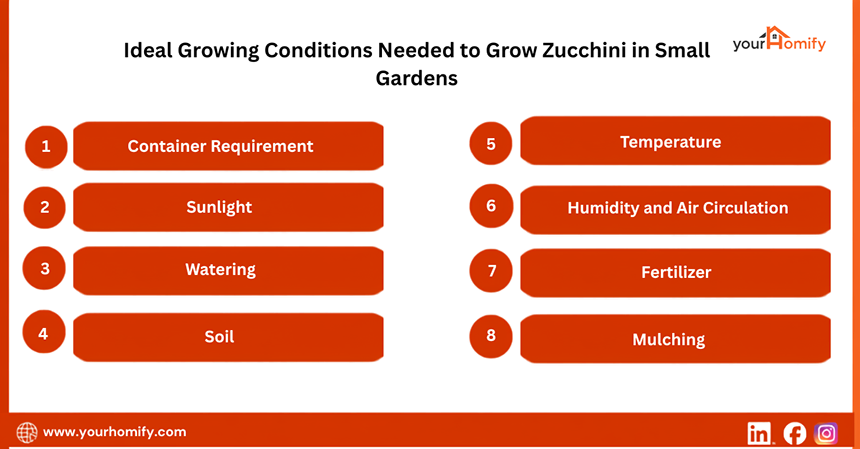
The ideal conditions for growing zucchini in small gardens or containers include 6-8 hours of direct sunlight, fertile soil, consistent watering, and a perfect container size for proper root establishment. Let us explore all these plant care requirements in more detail.
Container Requirement: If you are growing zucchini in containers, choose a pot that holds at least 15-20 gallons and is 18-20 inches deep with proper drainage holes. A large container provides proper space for the roots to grow and establish.
Sunlight: Zucchini grows best in full sun and requires 6-8 hours of direct light every day. It supports vigorous growth and increases the chances of higher fruit yield. If you are growing them in containers, place the pot in an area where it can get abundant sunlight, such as a balcony, patio, or terrace.
Watering: The key difference between growing zucchini in small gardens or containers is its watering needs. If you are planting the species in the ground, the soil provides natural cooling, and they do not need consistent watering. A planned schedule can work well for the plant. However, potted zucchinis dry out faster and require regular watering, especially during a dry spell.
Soil: For a good quality yield, the vegetable prefers growing in a slightly acidic to neutral soil with a pH level of 6.0 – 7.0. This type of soil allows the plant to absorb all the essential nutrients and promotes healthy foliage.
Make sure that the garden soil or the potting mixture is permeable and fertile. I generally improve its quality by mixing rotted manure or organic compost.
Temperature: Warm temperatures are essential for healthy fruiting and foliage development. The ideal range is between 21°C and 30°C. It is ideal to sow the seeds when the soil is warm and the danger of frost has passed. Add mulch around the base of the plant during summer so that the soil remains cool and moist.
Humidity and Air Circulation: Since the leaves of the zucchini plant are too big, they need proper spacing and air circulation to remain healthy and flourishing. If you are planting the veggie in a small garden, prevent overcrowding. Space the pots at least 24-36 inches apart to avoid fungal infections.
Fertilizer: Zucchini is known to be a heavy feeder and requires proper plant food. I usually use a well-balanced NPK fertilizer and mix it with the soil before sowing the seeds. Apply it every 2-3 weeks during the active growing season for optimal development and better fruiting.
Mulching: Spread a generous 2-3 inch layer of organic mulch. Use straw, shredded leaves, or compost around the base of the plant. This helps in retaining soil moisture, suppressing weeds, and regulating soil temperature.
How to Harvest and Store Fresh Zucchinis?
For best flavor and tender skin, harvest zucchinis when they are 6-8 inches long using clean, sharp pruning shears or a knife. Cut the stems carefully and avoid pulling or twisting them directly.
1. Harvesting Fresh Zucchinis
Harvest zucchinis when they are tender, their skin is smooth and glossy, and they are about 6-8 inches long for a more flavorful yield. Smaller ones usually have a sweet flavor, softer texture, and fewer seeds than the oversized ones.
Use a clean, sharp knife or pruning shears to cut the fruit from the plant, leaving about 1-2 inches of stem attached. Avoid pulling or twisting the vegetable, as this can damage the stems and the leaves around it.
I always check plants every 1-2 days during their peak growing season. Regular harvesting, using the right method, encourages the plant to produce new flowers and fruits throughout the season.
2. Storing Freshly Harvested Zucchinis
Store freshly harvested zucchinis unwashed to prevent excess moisture. After plucking the vegetable, shake off all the extra garden or pot soil using a brush or damp cloth.
Place them in a plastic bag with 2-3 tiny holes to maintain the moisture. You can directly store the harvest in the vegetable crisper drawer. The freshly harvested ones can stay in good condition for at least 7-10 days.
Wash zucchinis just before using them. If you want to store them for later, you can grate the zucchinis, blanch them in boiling water for 1-2 minutes, then cool them in ice water. After draining them well, place them in airtight freezer bags. Frozen zucchinis can be stored for up to 10-12 months.
Common Pests and Diseases Affecting Zucchini Plants
Some common pests and diseases that affect zucchini plants are squash vine borer, aphids, squash bugs, powdery mildew, downy mildew, and bacterial wilt. Let us study the symptoms and solutions in more detail.
| Pest/ Disease | Symptoms | Solutions |
Squash Vine Borer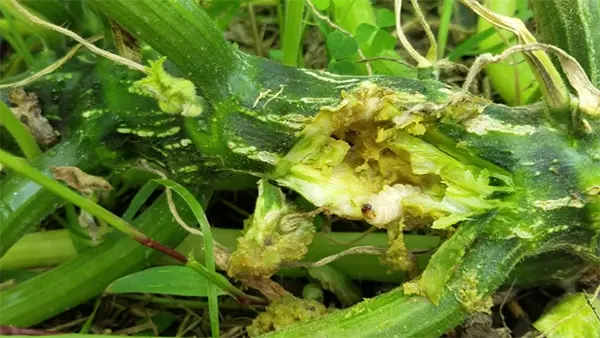 | You will notice wilting vines, holes in stems, and powder-like dust near the base of the plant. | Remove all the affected stems, destroy the larvae, use horticultural oils, and cover young plants with row covers. |
Aphids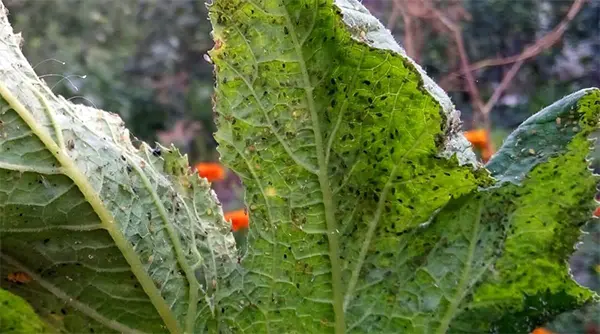 | You will notice clusters of tiny insects on leaves and stems, curled foliage, sticky honeydew, and slow growth rate. | Spray a strong stream of water, apply insecticidal soap or neem oil, and encourage aphid-eating insects like ladybugs. |
Squash Bugs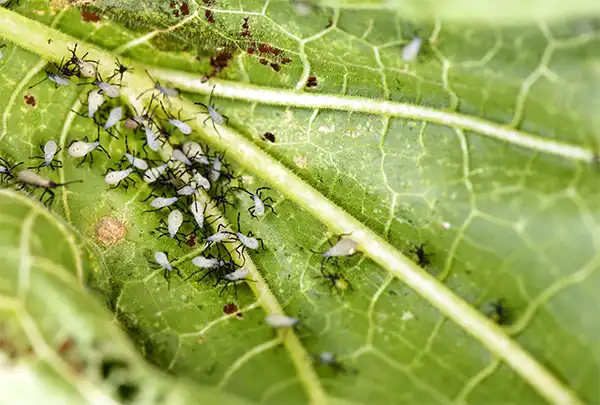 | You will notice yellow spots on leaves that turn brown, wilting foliage, and reduced fruit production. | Remove all the bugs and eggs manually. Remove plant debris, use insecticidal sprays, and cover your raised garden bed or container until the flowering stage is complete. |
Powdery Mildew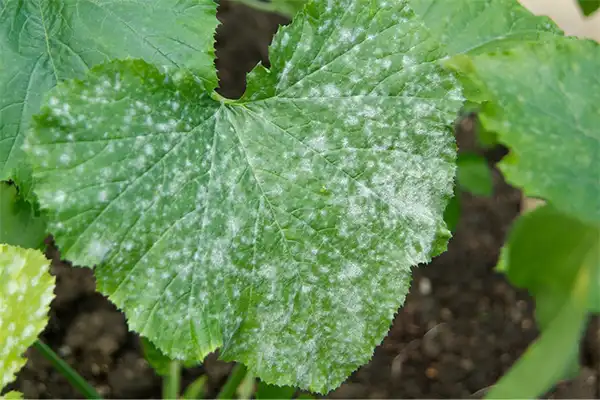 | This is a white powder-like coating on leaves that turns them yellow and eventually brown and reduces fruit production. | Improve air circulation, water only at the base, remove all the infected leaves, and apply a fungicide or neem oil if needed. |
Downy Mildew | These are yellow spots on the upper surface of the leaves with gray-purple fungal growth under them. | Avoid overhead watering, remove all the infected leaves, and use fungicides if the disease still spreads. |
Bacterial Wilt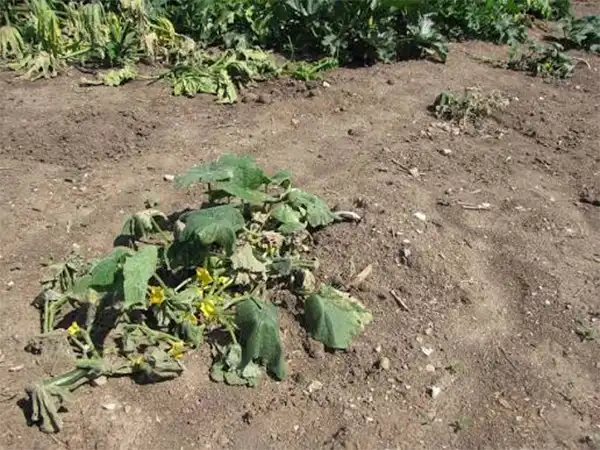 | This is sudden wilting of the leaves and vines, despite moist soil and abundant sunlight. These are often spread by cucumber beetles. | Remove all the infected plants immediately and isolate them. Treat all the cucumber beetles and use row covers for young seedlings. |
Conclusion
If you are wondering how to grow zucchini, the process is quite simple. You simply need to provide the plant with ideal growing conditions and consistent care. Whether you choose to grow them in containers or small gardens, healthy soil, abundant sunlight, and regular watering are the keys to a healthy yield. Select the right variety, follow proper planting tips, and harvest the veggie at the right time. With just a little attention, you can enjoy fresh zucchini straight from your garden all season long.
FAQs
Can you grow zucchini in small pots?
Yes, zucchini needs a permeable and fertile potting mix, 6-8 hours of direct sunlight, consistent watering, regular vegetable fertilizer feeding, and timely harvesting.
How many zucchini plants can go in a 5-gallon bucket?
It is ideal to grow only one zucchini plant per pot. The plant has a longer root structure, and it needs an ample amount of space for proper development.
What should not be planted near zucchini?
Potatoes, fennel, cucumbers, melons, and pumpkins should not be planted near zucchini. These plants compete for vital soil nutrients, and their pests can also affect zucchini.
Should zucchini plants be watered every day?
No, zucchini plants should not be watered every day. Even though the potted ones are said to dry out quickly, always water when the top 1-2 inches of the soil feels dry. Overwatering can lead to root rot and fungal diseases.
How deep does a container need to be for zucchini?
The ideal depth of the container should be 12-18 inches.