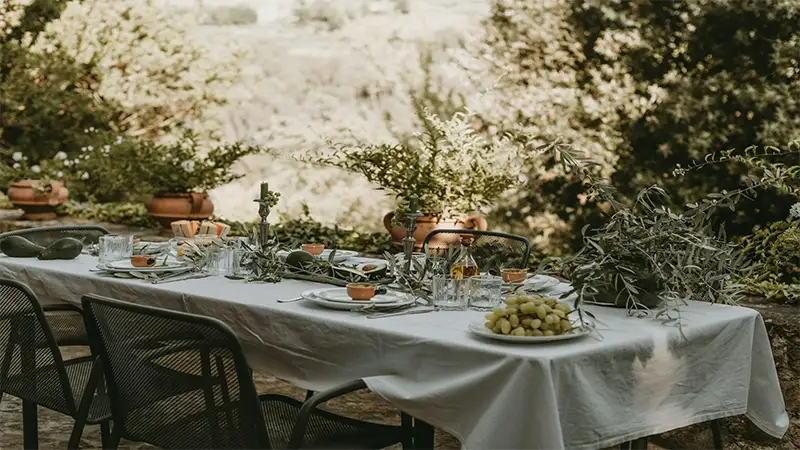
Many homeowners imagine beautiful patios, outdoor kitchens, fire pits, pergolas, and stylish furniture, as designing a backyard starts with just an idea.
But hurrying to build it without a proper plan and idea often ends up in a useless place or something that requires high maintenance, which is very exhausting even if it looks good.
There are many aspects to be considered instead of just chasing aesthetics. Poor traffic flow, overcrowded features, inadequate lighting, uncomfortable furniture, and using woods and materials that are not recommended for your home conditions can turn your brilliant idea of a backyard into a disappointing investment.
On the other hand, a successful backyard is the one that supports your lifestyle, adds functionality to your home, is built for the environment of your location, and still looks good in photos.
In this article, you will learn about the seven outdoor design mistakes that ruin your backyard, and how you can fix them and build something beautiful that serves functionality for decades.
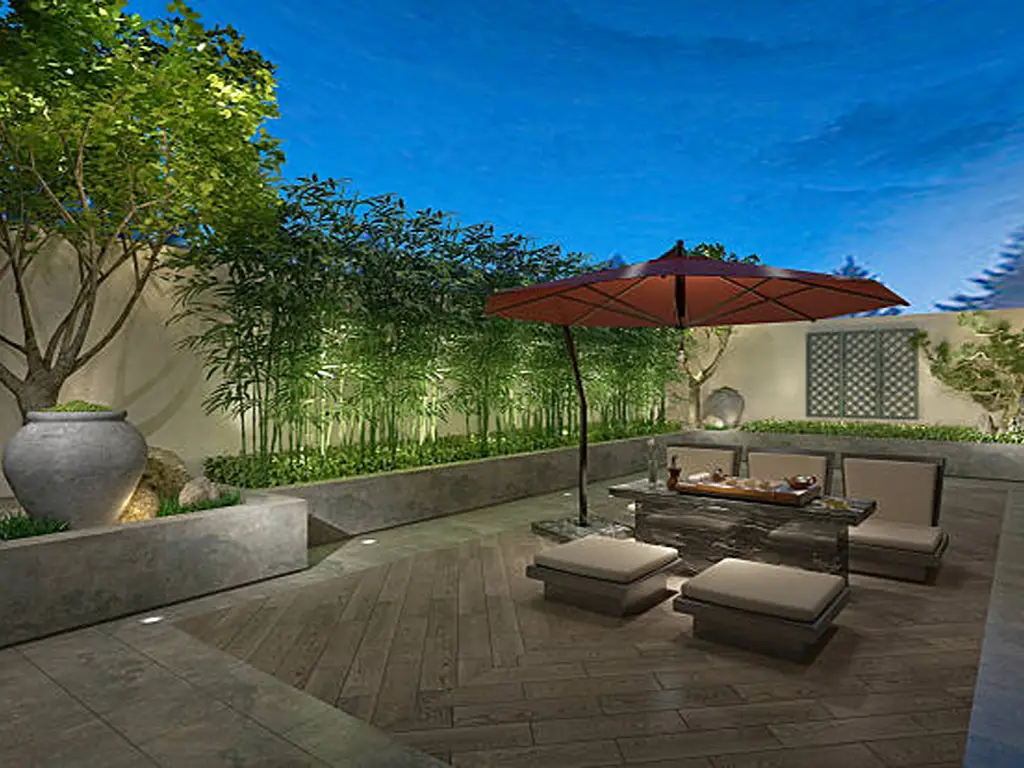
Mistake 1: Designing Without Considering How You Will Use Space
It is easy to fall in love with a backyard feature before thinking about whether it suits the way you live. A large patio, fire pit, outdoor kitchen, or manicured garden may look perfect online, but that does not mean your household will use it regularly.
For kids and pets, an open lawn is more practical. And families that love to keep hosting events will benefit more from an open kitchen with a dining area.
Problems usually start when homeowners design around individual features rather than everyday routines.
These situations bring disappointment that families have to face daily just because of one mistake: the patio is unnecessarily large, the kitchen is too far from the dining area, and many more examples that take down the experience of the backyard.
The Smart Way Out: Before choosing furniture, plants, or hardscaping, identify what you genuinely want to do outside. List a few clear priorities—dining, relaxing, entertaining, gardening, or play—and let those priorities shape the layout.
Keep related areas close together and leave the walking routes without any obstacles. The backyard feels more satisfying when it is built around practicality and usefulness instead of a cluttered collection of expensive items.
Quick Checklist
- Have you listed the 3–5 outdoor activities your household does most often?
- Are high-use areas positioned for easy access from the house?
- Is the main traffic flow free of unnecessary obstacles?
Mistake 2: Ignoring Lighting When Planning Your Backyard
Many homeowners treat outdoor lighting as something to figure out after the deck is built, the patio is laid, and the landscaping is finished.
Adding power sources can mean lifting pavers, digging through a new lawn, finding ways to hide cables, or decorating the cables to make them part of the visuals.
Every option requires extra cost, but without lighting, the backyard becomes useless after the sunlight.
The Smart Way Out: Add the lighting source and electrical requirements in the initial backyard plan. Plan and state where you need lighting, switches, weather-resistant outlets, or power source for the pergola and other features.
For instance, planning for a professional low-voltage landscape lighting system makes it much easier to integrate transformers, cables, and fixtures without tearing up your lawn later. You do not have to install every fixture at once, but putting the basic infrastructure in place during construction makes future upgrades much easier and less disruptive.
Quick Checklist
- Have you planned for underground conduits and weatherproof outlets?
- Are task lighting needs (grill, steps, entry) already mapped?
- Have you left flexibility for future string lights or smart controls?
Mistake 3: Using Too Much or Too Little Decoration
Backyard styling often goes wrong at one of two extremes.
Stuffing the whole structure with many ornaments, planters, lanterns, signs, and decoratives makes the place look smaller and cluttered. An empty outer space with just a table and chair is a sign of uncreativity rather than minimalism.
The Smart Way Out: Choose a general design direction and let it guide what you add. Plants can provide most of the color, texture, and visual interest, while a few well-chosen accents give the space personality without overwhelming it.
Do not fill every empty corner, keep one or maximum two focal points. That can be an expensive decorative item, a large plant, or something attractive that grabs attention.
This will make the place creative without looking like something that is begging for attention.
Quick Tip: Less can be more, but only when every piece has a clear reason to be there.
Mistake 4: Choosing Materials That Cannot Handle Outdoor Conditions
Inside the showrooms, everything looks best under the proper lighting. But that illusion bursts in a few days when those items interact with actual weather conditions and start losing their colors and quality.
The same applies to plants: a variety that looks beautiful at the garden center may struggle if it is poorly suited to your local climate or the conditions in your yard.
The Smart Way Out: Choose materials for the environment they will actually live in, not just for how they look on day one. Depending on your climate, that may mean rot-resistant or properly treated wood, powder-coated aluminum, quality synthetic wicker, and outdoor performance fabrics designed to resist moisture and UV exposure.
Look for a native or regionally adapted plant if you are planning to place some plants in your backyard.
Small considerations about the material quality, adaptability, durability, and guarantee can save the constant disappointment you will feel while sitting on worn-out furniture.
Quick Checklist
- Are furniture and fabrics rated for outdoor UV and moisture exposure?
- Have you chosen plants suited to your local climate and soil?
- Did you consider freeze-thaw cycles or extreme heat in material selection?
Mistake 5: Failing to Layer Lighting Properly (The Single Floodlight Trap)
Relying on one powerful floodlight above the back door may provide plenty of visibility, but it rarely creates an inviting outdoor space.
The lighting can enhance or disrupt the whole look of your backyard. Harsh glare flattens the landscape, creates uneven shadows, and replaces the relaxing vibes with noisy visuals.
The best approach is to use proper three-layered lighting that serves different purposes.
A simple three-layer approach is usually enough:
- Ambient lighting: String lights beneath a pergola, soft wall lights, or other low-level fixtures that create a comfortable overall glow.
- Task lighting: Focused light where you actually need to see clearly, such as over a grill, outdoor kitchen counter, steps, or entryway.
- Accent lighting: Uplighting or directional low-voltage LED landscape spotlights used to highlight a mature tree, textured wall, or planting feature.
The combination of these lights presents the best visuals and keeps everything balanced. This gives the backyard more depth and relaxing vibes after dark.
Quick Tip: Multiple softer sources almost always feel more welcoming and usable than one bright floodlight.
Mistake 6: Forgetting About Seasonal Changes
The materials that are best for summers can struggle in the winters. A perfect-looking backyard can be less functional after weather shifts if it is built without considering the seasonal changes.
A sunny patio can become uncomfortably hot in midsummer, a lawn can turn soggy after heavy rain, and a garden filled mostly with seasonal plants may look bare once colder weather arrives.
The Smart Way Out: Plan for changing conditions from the beginning. Mix in some evergreen plants to give the garden structure year-round, and use pergolas, umbrellas, or well-placed deciduous trees to manage shade as the seasons change.
Keep checking the yard’s grading and drainage, and make sure that the rainwater has a way to go out. Think about the year instead of just thinking about a month; design it in a way that it can endure both sun and snow with leaves and rain.
Quick Checklist
- Do you have an evergreen structure for winter interest?
- Is shade available during peak summer heat?
- Does rainwater drain away from patios and planting beds?
Mistake 7: Focusing Only on Appearance Instead of Comfort
A sleek metal chair or low-profile lounge set can look perfect in a photo and still be uncomfortable after ten minutes of sitting.
People will spend less time in the backyard if the sittings is uncomfortable. If no one will spend time on the patio, then there is no point in its brilliant looks
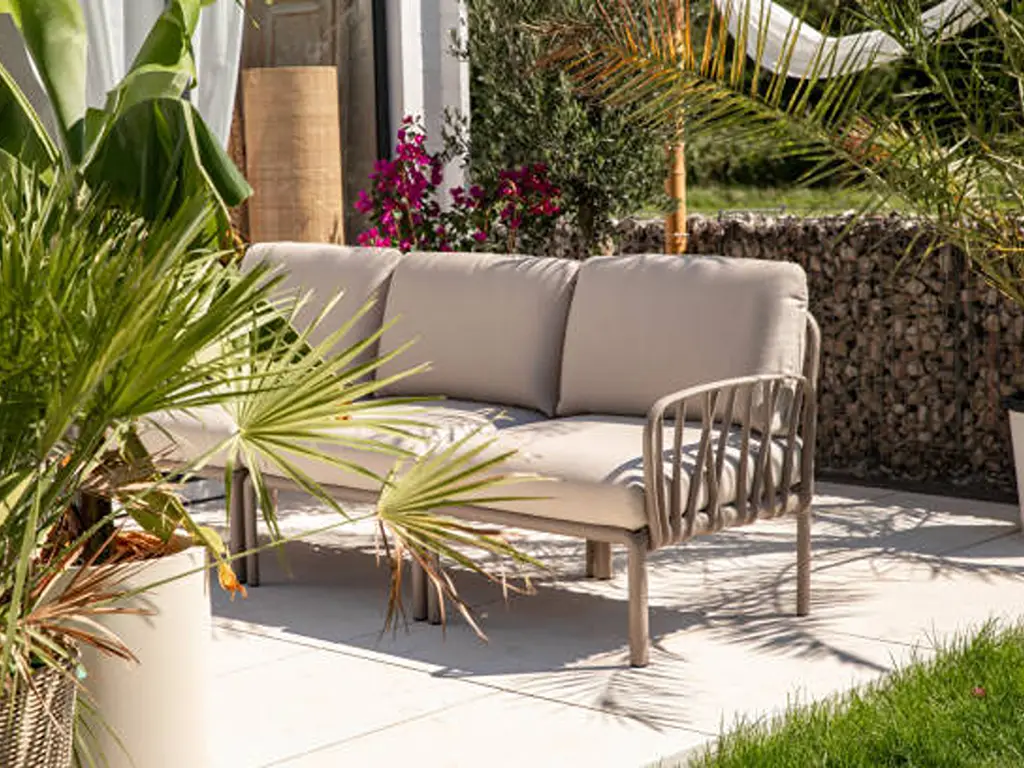
The Smart Way Out: Treat the backyard more like an outdoor living room than a display space. When choosing seating, consider comfort alongside appearance—seat depth, back support, cushion quality, fabric feel, and how the furniture performs in sun or heat all matter.
Look for the most comfortable chairs that will make the person comfortable enough to be seated for hours without any problem. Select the one that is beautiful to look at and relaxing to sit in.
Quick Tip: Comfort is one of the strongest predictors of how often a backyard actually gets used.
How to Build a Backyard That Actually Works for Your Lifestyle
A well-designed backyard is not about fitting in as many features as possible. It is about making thoughtful choices that suit your lifestyle, climate, and the way you actually want to use the space.
Planning for lighting, materials, seasonal changes, comfort, and everyday movement can prevent many frustrations that make outdoor spaces expensive to maintain and hard to enjoy.
Avoid these common backyard mistakes to create a place that can be used for decades, and everyday in it will feel comfortable and relaxing no matter which time of the day you are getting there.
Start by reviewing how you really live outdoors, then design around those real needs rather than a collection of attractive ideas.
Frequently Asked Questions About Backyard Design Mistakes
What are the most common backyard design mistakes?
The most frequent issues include designing around features instead of daily use, treating lighting as an afterthought, choosing materials that cannot handle outdoor conditions, relying on a single harsh floodlight, ignoring seasonal changes, over- or under-decorating, and prioritizing appearance over comfort.
How do I plan outdoor lighting before building a patio?
Include electrical needs in the initial design. Plan for underground conduits, weather-resistant outlets, and switch locations. Think about ambient, task, and accent lighting layers so the space remains usable and inviting after dark.
What materials last longest for outdoor furniture?
Look for powder-coated aluminum, quality synthetic wicker, properly treated or rot-resistant wood, and outdoor performance fabrics rated for UV and moisture resistance. Match materials to your local climate for the best long-term results.
How can I make my backyard usable in different seasons?
Combine evergreen plants for year-round structure, provide flexible shade with pergolas or deciduous trees, and ensure proper grading and drainage so rainwater does not collect on patios or lawns.
Should I prioritize looks or comfort when choosing outdoor seating?
Prioritize both, but never sacrifice comfort. Seat depth, back support, cushion quality, and how the furniture feels in heat or sun strongly influence how long people actually stay outdoors.