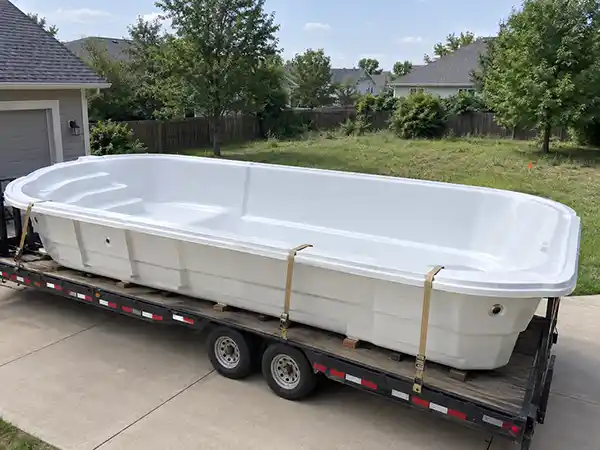
As the actual pool work begins, a flatbed truck arrives. A white fiberglass shell is put in your driveway, even if your lawn is filled with grass. It looks like a heavy task is completed, but digging remains.
Many initial tasks are not assumed to be very hard, but most of the time is consumed by planning and preparation. After getting your permit, workers settle the land; fitting the shell, plumbing work, and electrical installation take even more time than usual. Placing a pool is easy, but not setting it.
In this session, you will understand the real headache of achieving a river pool and family vacation spot, with all measures worth considering before making it happen.
Key Takeaways:
- To start with digging, ensure your permit and all your paperwork are completed because it usually takes weeks.
- It looks like your shell structure is fine, but it has a lot of work to do to make it complete and usable.
- It looks normal to prepare alongside the pool and deck. It requires time to set the field.
- Ask your contractor three questions: When is your design complete? When does digging start, and when is the pool ready to swim?
Permits and Paperwork Come Before the Shovel
The final design is on paper, not in the backyard of your house. Before digging, the contractor requires the desired permit, land boundaries, underground electric lines, water drainage facilities, and inspection of the pool area.
Most places need permission for electrical installation, security parameters, and undeveloped land for flood epidemic.
Deciding your pool area needs setback rules, and required permissions play an important role. But your limited space, short pathways, and shell delivery make things hard.
This requires weeks to optimize the authority rules and regulations during paperwork. To protect you from incidents, all factors need to be considered. It saves you unnecessary money and time.
The practical move:
Take all details from your contractor to ensure which permits they can handle and what you should pay attention to initially. Note the time taken to get a permit. Digging the right way, or distributing tasks to workers, ensures all your paperwork indicates a green signal.
The Day the Shell Arrives
When your shell arrives, it actually represents a pool. A truck delivers the fiberglass shell and places it in the prepared field. Before plumbing, the team ensures the proper level portion to fit the shell structure.
This appears interesting, but there is much work to do to prepare for the swimming pool. team requires adequate space to let the crane do the job. But an electric wire line across the street creates an issue installing the shell.
Keep your dogs and children away from fields. Stand in the safest possible place to watch and instruct the work. Leave the rest to contractors or workers.
Fun fact:
You may not know that before landing on a property, a plan is already prepared. This shows that work is totally different from constructing a concrete pool, which requires more time to visit the site, prepare materials, and do the construction.
Dig, Drop, Fill: the Week the Yard Actually Changes
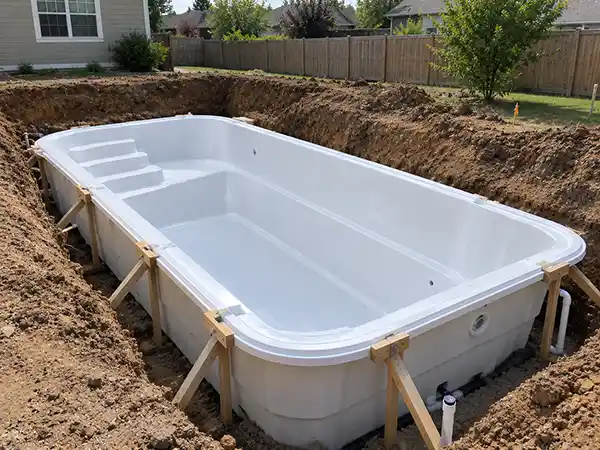
During the first week, most work is to be done to prepare the base. Your yard still looks messy after fixing the shell, plumbing, or backflow work.
| Phase | Typical Duration | What’s Happening |
|---|---|---|
| Excavation & shell placement | 2–3 days | Hole dug, shell craned in, leveled |
| Plumbing, electrical, filtration | 2–3 days | Skimmers, returns, equipment hookups |
| Backfill & filling | 2–3 days | Shell stabilized, water added |
| Inspection | Varies | Local scheduling, not controllable |
| Decking & coping | 3–5 days | Patio, coping, fencing |
| Cleanup & water balance | 2–3 days | Chemical startup, final touches |
Next few weeks, workers connect the equipment, arrange coping or decking, and check the water balance with an inspection of its pH level.
When everything is good, then digging and fitting the shell needs 2 to 3 days, while the whole project needs more time.
This is obvious: heavy rain, heavy metal soils, groundwater, missing equipment, or delays in permits slow down the workflow.
It’s an assumption, not a deadline.
Plumbing, Electrical, and the Parts Nobody Photographs
When your shell structure is complete, the team installs the pump, filter, and does the plumbing. This portion rotates the water flow and avoids sustaining dirt and garbage longer.
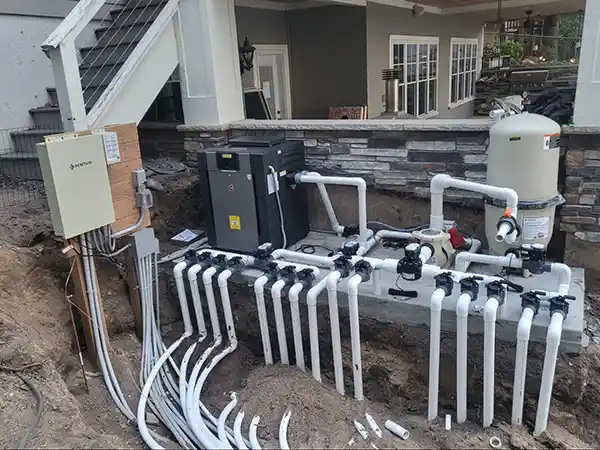
You should ensure what you include in the plan: heater, light work, automation, or saltwater. It all depends on your budget.
Sometimes you don’t notice small mistakes, and it leads to leakage and damage.
Electrical work needs safety and precautions. Pool lighting must depend on the existing electrical system of your locality. Try to perform bonding, grounding, and safety protection with qualified professionals.
Before covering pipe lining, ask them if they test the pressure wall for any future leakage. Know the locations of your installed equipment. Easy location gives you the advantage of easier cleaning and servicing.
Backfill, Decking, and the Slow Part
You should consider the process of backfilling a good task, but do this properly. First, level the surface and install the pipeline; then workers fill the open spaces around the pool.
They usually fill the tank while preparing the sides to adjust the wall that settles to take support and maintain pressure accordingly. Installers should follow the instructions of the product.
Then coping, decking, and drainage channel or walkway to the door are built. This requires specific time, especially after a rain shower. Because concrete needs time to dry completely.
The pool looks finished, but it is still a construction area. Don’t rush to fill the pool early.
Instruct your builder to fix the time by which the task should be completed. Also take suggestions for your backyard landscaping or for maintaining the pool area safely.
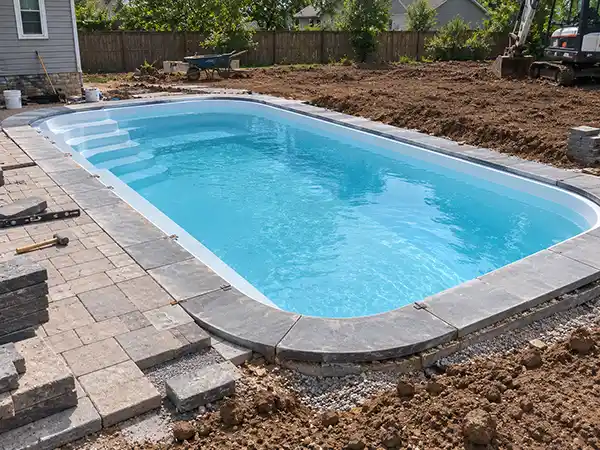
Startup Week: When It Finally Looks Like a Pool
Filling the pool doesn’t mean that it is ready to swim. Startup is the time when crew members test that the system is working.
They start the pump and filter, check connections, read pH levels, and, if an installed heater, light, or automation is present, they check the full system.
You must ensure the time when actual problems arise. Sudden leakage before use, circulation of water stopping, and wrong application of chemicals should also be considered.
Cleared pool water doesn’t mean it’s ready to swim.
Learn how everything works: installer work system, cleaning methods of the filter, testing water chemicals, and adjusting them.
Note all the startup rules. Ensure your water contains all markers, with safety and test barriers covered, as mentioned in U.S. rules and regulations.
What “Finished” Actually Means
You should discuss with the builder what finished actually means.
Filling the backyard doesn’t mean it is ready. Your deck also has pending work. Levelling the field, fencing, or the final inspection test remaining also signifies pending work.
An assessment of your site last time, along with the contractor, is a better recommendation. Check things together, like the deck, coping, drainage, or other small equipment.
Collect all the documents, including the warranty card, manuals, inspection records, and maintenance list.
The remaining work should be taken in writing with the proposed date. Then, you can think about paying the bills.
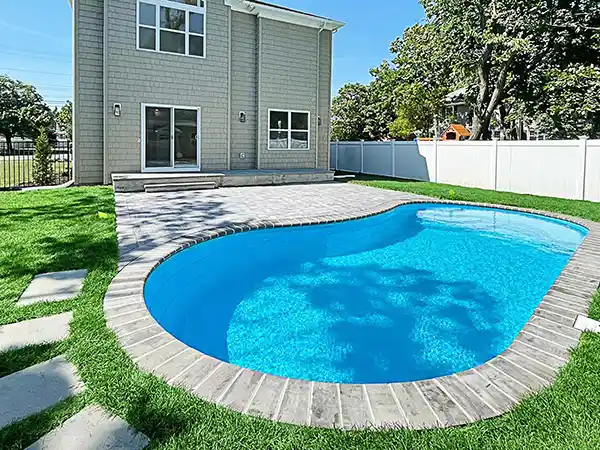
It’s usually when your lawn area misses greenery, and grass takes time to grow.
Ensure your pool or backyard has better security features so your family feels comfortable swimming. This also creates a better environment for the day spent on your weekends.
FAQs
How long does a fiberglass pool installation actually take?
After digging, it takes four weeks to prepare the system. Permission and design need more time. If it rains or soil conditions are bad, it also adds more time.
Can the pool be used before decking and fencing are finished?
It’s better to wait for a barrier, inspection, or security test, as it’s against the rules to use a pool without all security parameters installed.
Why does my contractor’s timeline keep moving?
Excess rain, delayed testing, and problems visiting sites create delays and move the process. Schedule the updates with your contractor.
Does a cheaper quote mean a faster install?
Not necessarily; if drainage, site preparation, or pathway to visit then working delays and spending more is casual.
- Thursday Pools installation phase estimates, via Advanced Backyard Solutions, Ohio fiberglass pool installation timelines
- YourHomify, Building an in-ground pool, Building a Pool in Your Backyard: Regulations and Guidelines Homeowners Should Know
- YourHomify, pool installation mistakes, 5 Common Pool Installation Mistakes Homeowners Should Avoid