“A garden requires patient labor and attention.” – Liberty Hyde Bailey (Horticulturist)
A landscape should not just look its best when the final plant goes into the ground and then go downhill from there. The worst part is the maintenance keeps rising. Instead, it should become better, more functional, and easier to maintain as the years pass.
The secret to that rests before the installation day. A landscape that lasts is built around the realities of the site, the way people will use the space, and how plants and materials will change over time. From drainage and grading to mature plant size and irrigation, the best designs anticipate problems before they become expensive repairs.
Start With the Site, Not the Plant List
I know it’s tempting, but you should never begin the landscaping by picking the plants you want there first, browsing catalogs for whatever looks appealing, and figuring out placement later. This tends to backfire. Soil type, drainage patterns, sun exposure, and existing grading all determine what will actually thrive in a given spot, and ignoring them is one of the most common reasons new landscaping struggles within the first season.
Then the site should be assessed properly. A proper site assessment looks at how water moves across the property after rain, which areas get full sun versus deep shade throughout the day, and where existing roots, utility lines, or drainage issues might hamper new plantings. Skipping this step doesn’t just risk a few unhappy plants. It can lead to erosion, standing water, and root damage to hardscaping down the line.
Design for How the Space Will Be Used
Landscaping is more than the act of decorating your home. It’s functional space, and the best designs start with how people actually plan to use the yard. A family that wants a place for kids and pets to play needs a different layout than someone designing mainly for entertaining guests or growing food. If you want to turn your backyard into an oasis, considering some landscaping and pool care can help.
This is where a clear design phase matters more than most homeowners expect. Sketching zones for seating, planting beds, walkways, and open lawn before committing to materials helps avoid the common mistake of cramming too much into a small space or leaving awkward gaps that never quite come together. The best advice is to hire some experts for the job. Professionals typically walk through several rounds of concept and revision before finalizing a plan. They take this course of action precisely because early decisions about layout are expensive to undo later.
Sequencing Matters as Much as the Design Itself
Even a well-designed landscape can go awry if the work happens in the wrong order. Irrigation lines need to go in before final grading and sod. Hardscaping like patios and retaining walls generally needs to be set before soft landscaping goes in around it, not the other way around. Similarly, the soil precedes plants. Soil amendments and grading should happen before anything gets planted, not patched in afterward.
This is one of the main reasons installing landscape design elements in the right sequence, instead of tackling a yard piecemeal over several unconnected weekends, tends to produce a longer-lasting result. A phased, professional installation process accounts for how each element depends on the ones before it, which is harder to replicate with a DIY approach spread out over time.
Plan for Maintenance Before You Plant
Most landscapes look their best on day one. But if it requires constant intervention afterward just to maintain the looks, it simply wasn’t fully planned. The upkeep needs should shape every landscaping decision. Mature size, growth rate, and maintenance needs should factor into plant selection just as much as color and texture. A hedge that needs weekly trimming to stay in bounds, or a tree planted too close to a foundation, creates endless work that could have been avoided with slightly different choices at the design stage.
Mulching, edging, and irrigation setup also play a long-term role here. Garden edging supports sustainability:
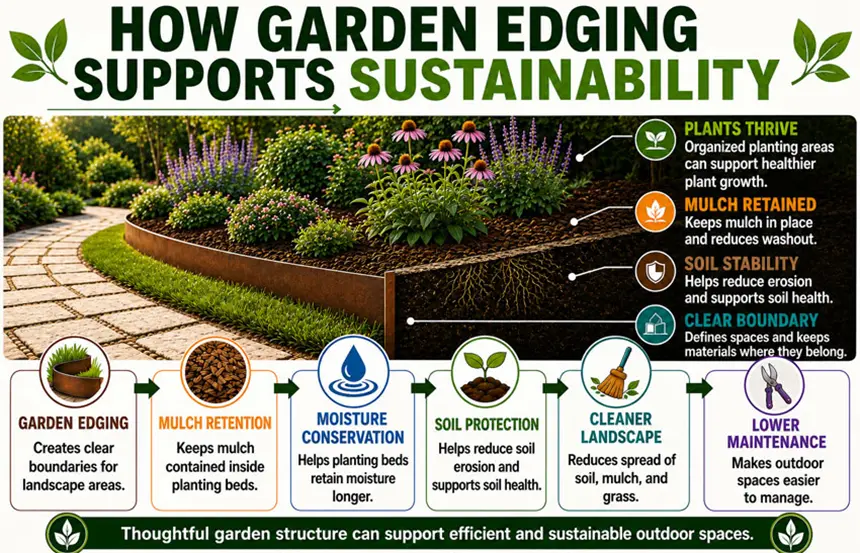
Proper mulch depth retains moisture and suppresses weeds, reducing the amount of upkeep a bed requires. A well-designed irrigation system matters even more. If it’s tailored to the specific plants and zones in the yard rather than a single blanket setting, it prevents the overwatering and dry spots that shorten a landscape’s lifespan.
If you want the least maintenance, it’s best to consider getting artificial grass for the garden.
The Payoff of Doing It Right the First Time
Landscaping is one of the few house investments that can genuinely improve with age when it’s planned correctly, adding curb appeal and usable outdoor space year after year instead of requiring constant rework. The upfront effort includes:
- Assessing the site
- Designing around real use
- Sequencing the installation properly
- Choosing plants with long-term maintenance in mind
All of this pays off in a yard that holds its shape, its health, and its value well beyond the first season.
FAQs
What to consider before landscaping?
Start by assessing the site rather than choosing plants. Look at soil type, drainage, grading, sunlight, existing vegetation, utility lines, and how water moves across the property.
How do I design a landscape that is easy to maintain?
Choose plants based on their mature size, growth rate, water and maintenance needs rather than appearance alone.
What order should landscape elements be installed in?
Major site work should generally come first. Grading, drainage, irrigation infrastructure, and hardscaping should be coordinated before final planting and other soft landscaping.