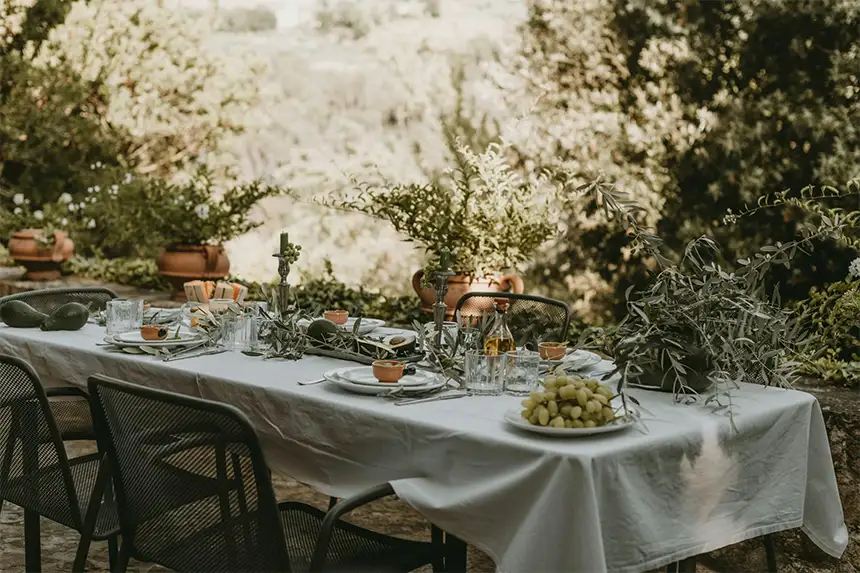
A courtyard is not just a place to put an outdoor table. It can become an essential part of daily life by making some space for herbs, comfortable seating, and somewhere to cook. This type of thing in Adelaide becomes very fascinating, where an outdoor meal might mean a quick dinner on a warm evening or a longer gathering with friends over the weekend.
Planning the best courtyard begins with what people want to do there. If a small garden is designed just for aesthetics and no place to sit, then it might not be as useful as it should. And when a space is filled with paving and furniture, it will lose the greenery. Bringing the garden and dining area together takes a little planning, but they really don’t have to compete with each other.
Start With the Way You’ll Use the Space
Before selecting plants or furniture, picture an ordinary evening at home. Will someone carry food straight from the kitchen to the table? Is there enough space to pull out a chair without stepping into a garden bed? Where will guests gather while food is being prepared?
These questions help shape the courtyard’s layout. Keep a clear route between the house, cooking area, and table, then allow planting to soften its edges. In a narrow space, a bench against a wall may leave more space to move than chairs on every side of a large table. A few well-placed pots can add greenery without turning the path through the courtyard into an obstacle course.
Try spotting out the main pieces before you buy them. An old sheet can stand in for a dining table, while a couple of chairs show how much space people require to sit down and get up comfortably. Walk between the house and the proposed cooking location a few times. What looks generous on a sketch may feel very different once doors are open and several people are outside.
The view from indoors matters, as well. If the courtyard is visible through a kitchen or living room window, give the eye something to settle on, might a small tree, a group of textured plants or a dining area framed by greenery. The space can feel attractive even on days when nobody uses it.
Let the Garden Contribute to Dinner
Growing food does not need a large vegetable plot. A sunny spot near the kitchen might hold pots of rosemary and thyme, while a raised bed could make space for a changing selection of herbs and seasonal greens. The point is to grow what the household enjoys using, instead of filling every available corner.
Observe the courtyard before buying plants. Walls and fences can make shade in one area while another gets strong afternoon sun, and those conditions will affect what grows well. Pots offer flexibility while you work out which positions suit both the plants and the people using the space.
Planting can also influence the dining area. A border beside the table gives it a sense of enclosure, while rich greenery can make a seating corner feel more private. Leave enough distance between plants and the cooking area to keep leaves out of the way and make maintenance straightforward. A courtyard is simpler to enjoy when watering, pruning, and sweeping remain manageable.
Plan the Cooking Area Before Finishing the Courtyard
A portable barbecue may be all a household needs, specifically if the layout is still evolving. A fixed barbecue can suit a courtyard designed for regular outdoor meals, but its position should be settled before permanent paving, cabinetry or curated garden beds make changes disruptive. Think about where the cook will stand, how food will reach the table, and whether there is enough room to clean and maintain the unit.
If the plan includes a fixed gas barbecue, speak with a gas fitter Adelaide homeowners can talk before committing to the final layout. Adelaide Expert Plumbing & Gas offers local gas fitting services, and bringing an experienced tradesperson into the planning stage helps homeowners discuss installation needs before the surrounding finishes are complete.
Keep the wider garden plan in mind during that conversation. A cooking area placed for convenience alone might take up the perfect spot for the table or interrupt the view from the house. Deciding where each element comes first makes it easier to create a courtyard that feels cohesive when the work is finished.
Give Safety Its Own Place in the Design
Outdoor cooking equipment needs more than an inviting setting. The surrounding space must suit the appliance, and a covered courtyard or verandah needs particular care when assessing ventilation. It is sensible to resolve those questions while the design can still change, instead of after a barbecue has been built into a finished area.
The South Australian Government advises that barbecues be used outdoors in well-ventilated areas. Its guidance also explains that a fixed or built-in barbecue must be installed by a licensed gas fitter, who must offer a certificate of compliance when the work is complete. Homeowners should also protect hoses from damage and keep children a safe distance from barbecues and LPG cylinders.
These needs belong in the early planning discussion, alongside the dimensions of the table and the choice of paving. Good design makes the courtyard inviting to use while allowing the cooking equipment to be installed and maintained properly.
Make Room for Adelaide Evenings
Once the layout works, smaller details decide whether people linger outside. Place the table where it has comfortable light for a meal without flooding the entire garden with brightness. A lamp near the dining area and softer lighting along a path may be more inviting than one harsh fitting above everyone’s heads.
Shade is just as valuable, specifically where the afternoon sun reaches the courtyard. Depending on the space, that might come from a carefully positioned tree, an umbrella, or a suitable built structure. Check where shade really falls at the time you expect to use the table; its position at breakfast may tell you little about a summer dinner.
Consider what happens when the meal is over, too. A place to store cushions, serving pieces or small gardening tools can keep the dining area clear without needing a large shed. Even a modest storage bench may help the courtyard stay ready for use. If setting up and packing away takes too much effort, the room is less likely to become part of an ordinary week.
Materials should be chosen with everyday use in mind. Furniture that is comfortable but hard to move may overwhelm a compact courtyard, while surfaces around the cooking area should be practical to clean. Repeating a few colours or materials between the dining space and the garden can give the complete area a calmer feel without making every piece match.
A successful Adelaide courtyard does not require imitating a full outdoor kitchen or a formal garden. It can be a simple, well-considered room where herbs are close enough to use, friends have room to sit, and cooking feels connected to the garden around it. When those parts are planned together, a small patch of outdoors becomes somewhere people actually want to spend time.
FAQs
What are some design styles for courtyards?
Some of the design styles for courtyards are sleek & contemporary and lush & traditional.
What plants are best for a courtyard?
The plants that are best for a courtyard are camellias.
What are the disadvantages of courtyard houses?
Courtyard houses often need higher construction and maintenance costs and are more prone to water leaks and thermal loss.