Starting gardening is not an impulsive decision; a lot of thought and planning go into creating a landscape that is just too difficult to ignore. Plant choice, cultivation, and care are super important, and they all start with a simple question: Annual vs Perennial.
I can assure that this choice between Perennial Flowers Vs Annual is not a simple one, but having a clear picture of the pros and cons of both types is the first step for creating a vibrant garden.
Let me take you through the Perennial Vs Annual debate and clear the doubts about which one of them is a smarter choice.
What are Annual and Perennial Plants? Meaning and Types
Plants are mainly categorised into annual and perennial plants, which makes the most difference in your gardening experience.
What to choose between annual vs perennial can be a little easier if their meaning is completely understood.
For that, let me explain both the plants individually first to clear out the basics:
What are Annual Plants?
Annuals are the plants that grow, bloom, and die in the same year and need to be planted every year from scratch. They bloom for a much longer time than perennials, but require a little extra care to bloom to their full potential. Example: Marigold and Pansy.
Furthermore, the annuals are also divided into certain categories based on the growing season:
| Hardy Annuals | Late autumn to early spring | It can tolerate a little frost and survive the winter. Example: Cornflower |
| Tender Annuals | Late spring to early summer | These annuals can not survive the winters and should be planted in warm seasons. Example: Marigold |
| Half-hardy annuals | Spring (indoors) | Hardy annuals can tolerate a little frost, but not extreme winters. Example: Sunflowers |
What are Perennial Plants?
Perennials are the plants that come back every year after dying in the frost. They survive for more than 2 years( Biennials survive for only 2 years ).
They are perfect for gardeners who want to maintain the same look for a few years without much added effort.
Common perennial plants are: Spanish Lavender, Black-eyed Susans, Coneflowers, and more.
Just like the annuals, the perennials are also divided into different categories based on their growth habits:
| Herbaceous Perennials | They describe most of the perennials that die back in winter and regrow in the following spring. Example: Daylilies |
| Woody Perennials | The woody perennials are the ones that have their woody stems survive the frost without dying completely. Example: Roses |
| Hardy Perennials | Hardy perennials can survive the winters without being covered or brought inside. Example: Sedum plant |
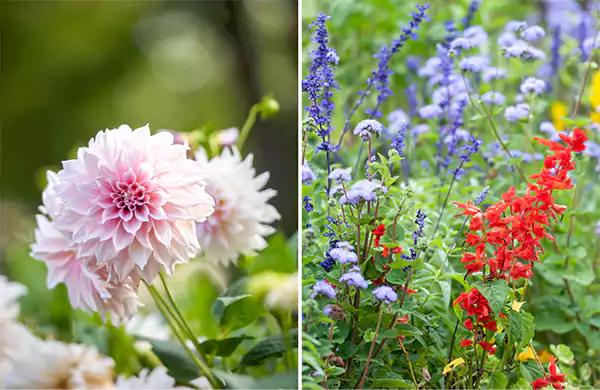
| Tender Perennials | The Tender perennials, as the name suggests, cannot survive the frost and need to be brought indoors or covered. Example: Dahlias |
What is the Difference Between Annuals vs Perennials
Now that the basic meaning of both the plants and their types is clear, understanding what’s the difference between annuals and perennials is equally essential for making a smart choice.
The planting season, weather tolerance, pros, cons, and more are listed for better clarity.
| Features | Annuals | Perennials |
| Lifespan |
|
|
| Hardiness |
|
|
| Regrowth |
|
|
| Planting Time |
|
|
| Advantages |
|
|
| Disadvantages |
|
|
List of Annual vs Perennial Flowers
What flowers are annuals? Is calla lily a perennial flower? These questions used to trouble me as well, and that is exactly why knowing what category your favourite bloom falls under is as important as knowing its care guide.
Take a look at the list of the Annual vs Perennial Plants, starting with the annuals.
| Annual Plants | |
|---|---|
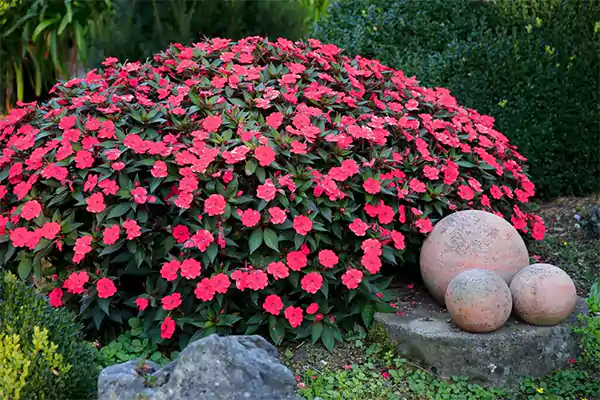 | Impatiens Often called the ‘touch-me-not’, the impatiens is a shade-loving plant native to Southeast Asia. These plants can also be grown as water plants indoors. Botanical name: Impatiens walleriana Hardiness: 10-11 USDA Mature size: 2 feet |
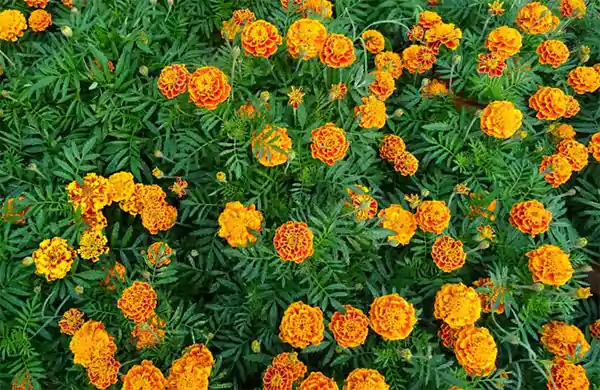 | Marigold The marigold grows in the colours yellow, orange and red. Native to the regions of America, and are a symbol of joy, happiness and resilience across cultures. Botanical name: Tagetes Hardiness: USDA 2-11 Mature size: 2-4 feet |
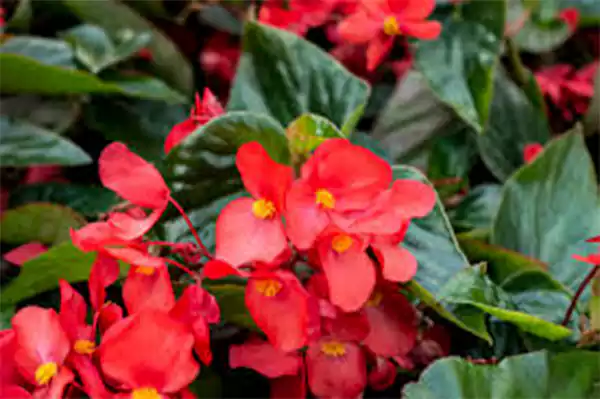 | Begonia Native to the tropical and subtropical regions, this annual flower has four petals. This deer-resistant flower has over 200 species under it. Botanical name: Begonia Hardiness: 9-11 USDA Mature size: 3 feet (some varieties can grow up to 12 feet) |
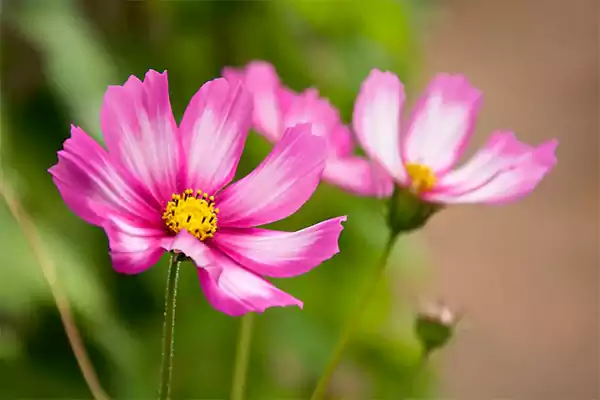 | Cosmos Flower This October-birth flower has its name derived from the Greek word ‘kosmos’, which means harmony. The cosmos flower also has anti-inflammatory properties and is native to South and Central America. Botanical name: Cosmos bipinnatus Hardiness: 2-11 USDA Mature size: 1-6 ft |
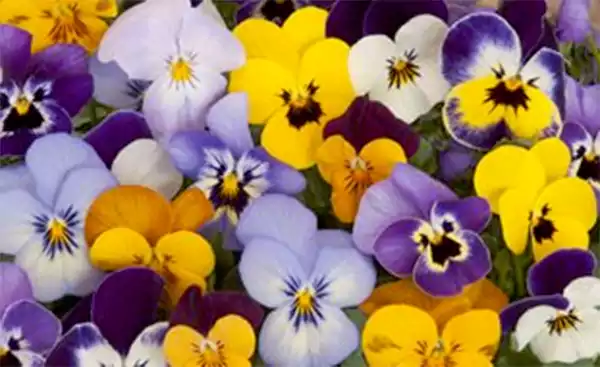 | Pansy The purple plant is native to Europe and Central Asia. Pansy is associated with the zodiac sign, Capricorn, as it reflects the perseverance and loyalty of Capricorn. Botanical name: Viola x wittrockiana Hardiness: 7-11 USDA Mature size: 4-8 inches |
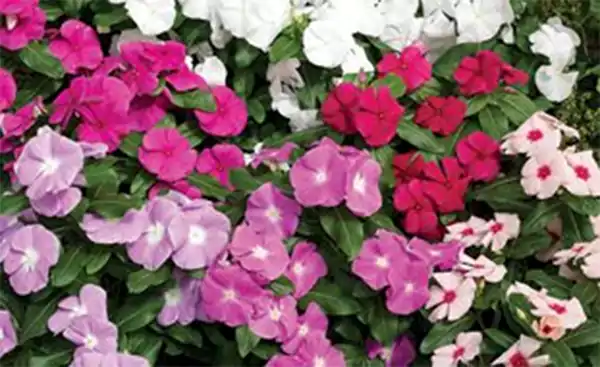 | Vinci Also known as Periwinkle, this pink flower is famous for its glossy green leaves, small size and 5 petals. Botanical name: Catharanthus roseus Hardiness: 7-11 USDA Mature size: 4-8 inches |
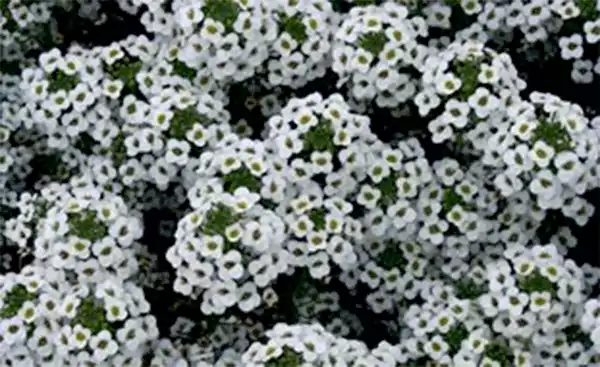 | Alyssum Alyssum grows pink, purple and white flowers in clusters and is known to attract pollinators. These flowers have a honey-scented fragrance that elevates the vibe of the garden. Botanical name: Lobularia maritima Hardiness: 5-9 USDA Mature size: 3-10 inches |
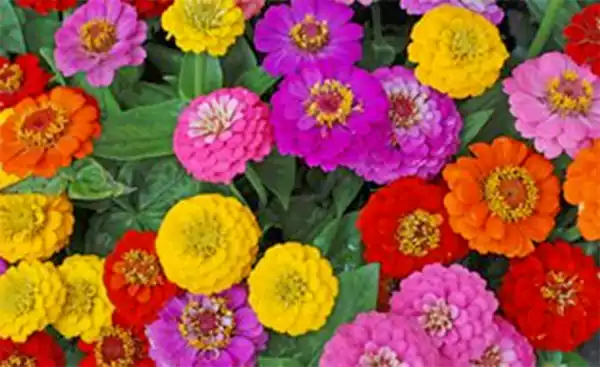 | Zinnia The zinnia plant grows different coloured flowers, right from yellow, pink, red and white. These annuals are sun-loving plants and are native to North America. Botanical name: Zinnia elegans Hardiness: 2-4 USDA Mature size: Up to 4 feet |
| Perennial Plants | |
|---|---|
| Features | Image |
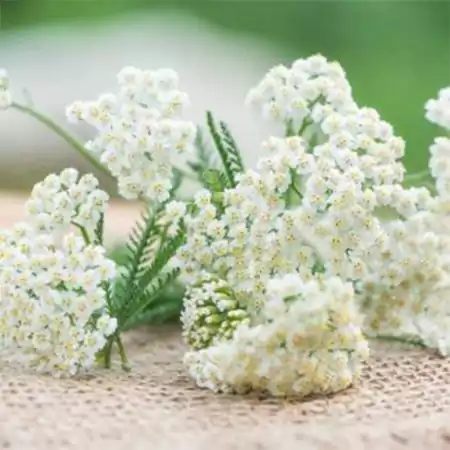 | Yarrow The origin of this plant can be traced back to Ancient Greece and Rome, and it was used as a medicinal herb to treat wounds. This perennial plant is native to Europe. Botanical name: Achillea millefolium Hardiness: 3-9 USDA Mature size: 1-3 feet |
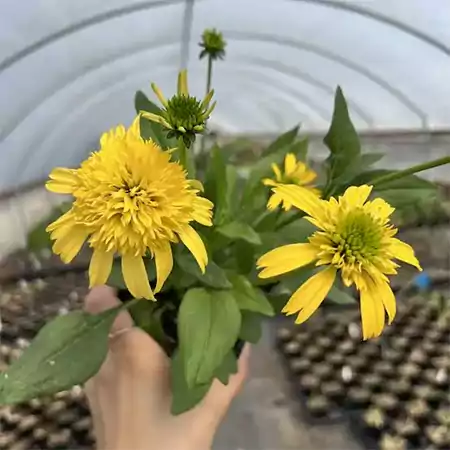 | Coneflower The coneflower, as the name suggests, has a central cone and daisy-like flowers that grow in different colours like yellow, pink and white. These vibrant perennial flowers are native to North America. Botanical name: Echinacea Hardiness: 3-9 USDA Mature size: 2-4 feet |
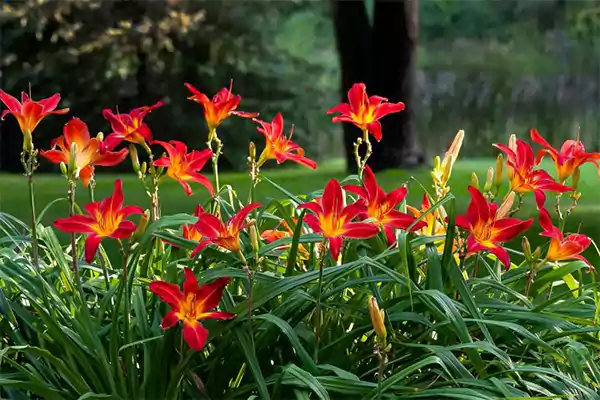 | Daylilies The daylilies are drought-tolerant perennial flowers that have large trumpet-shaped flowers. They are native to Asia and Central Europe. Botanical name: Hemerocallis Hardiness: 3-9 USDA Mature size: 3 feet |
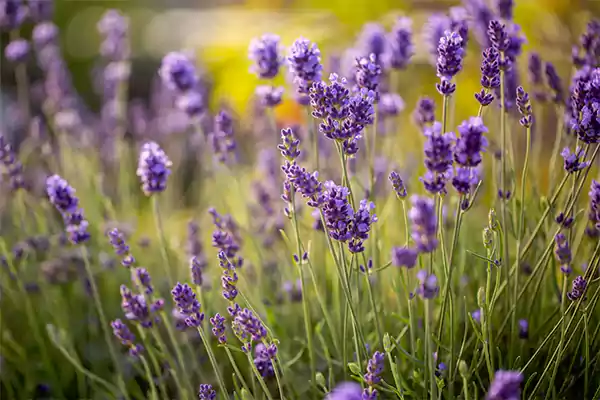 | English Lavender This purple flower is renowned for its fragrant flowers and green-grey foliage. English lavender is also drought-tolerant, making it low-maintenance. Botanical name:Lavandula angustifolia Hardiness: 5-9 USDA Mature size: 1-3 feet |
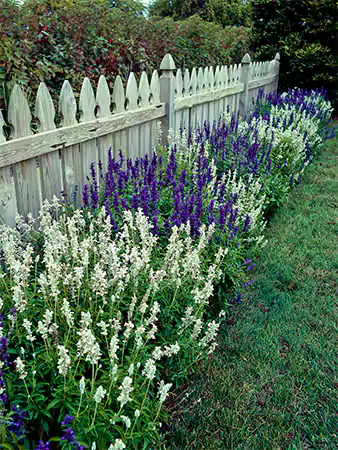 | Salvia Native to Eurasia and America, this genus includes over 960 species of plants and blooms for a longer period than other perennials. The pollinators love the salvia plant. It features flowers in the form of vertical spikes that have a pungent scent. Botanical name: Salvia nemorosa Hardiness: 4-9 USDA Mature size: 1-3 feet |
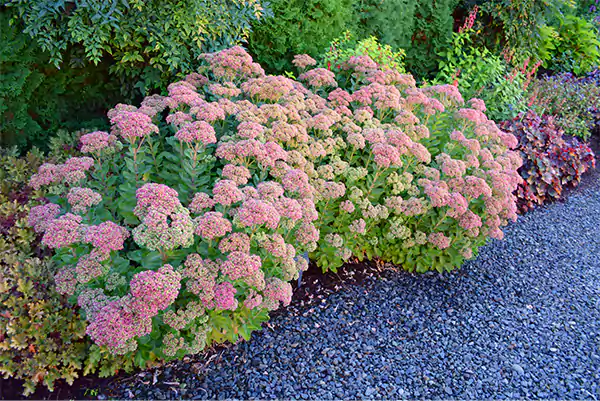 | Sedum plant This fall flower is known for its thick leaves and is used for garden mats or borders. The Sedum plant is attractive to pollinators, which makes growing one beneficial for the overall garden. Botanical name: Sedum spp. Hardiness: 3-10 USDA Mature size: Up to 2 feet |
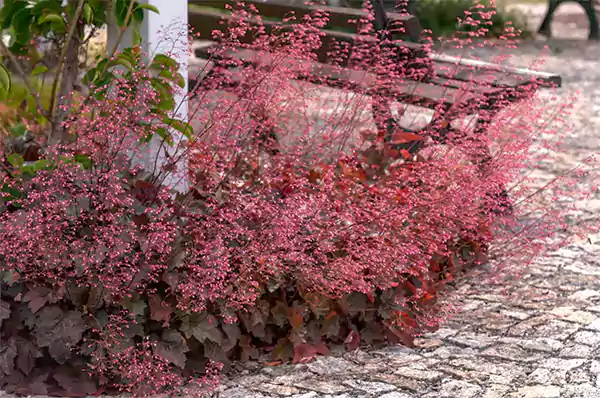 | Coral bells The name of the flowers is because of the bell-shaped flowers of this perennial plant that grow in the colours of white, red and coral. Coral bells are native to the regions of North America. Botanical name: Heuchera Hardiness: 4-9 USDA Mature size: 1 -2 feet |
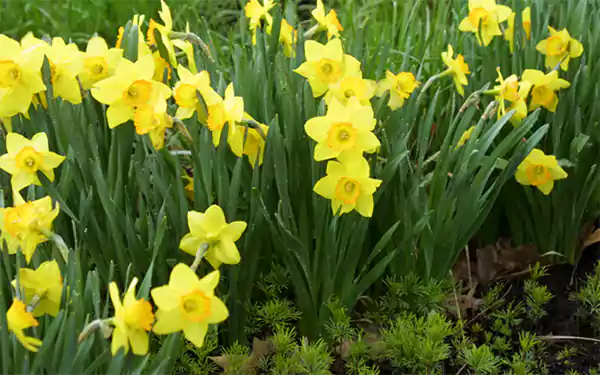 | Daffodil Also known as narcissus or paperwhites, daffodils are known as the December birth flower. Associated with the Greek myth of Narcissus, this flower is associated with the idea of rebirth and self-love. Botanical name: Narcissus Hardiness: 3-8 USDA Mature size: Up to 3 feet |
How to Choose between Annual versus Perennial?
The choice between the Annual vs Perennial is influenced by a lot of factors, like preference, needs, and more. For me, it’s a matter of the following 5 points that decide my choice.
- Garden Goals
Annuals are the best to give an instant pop of colour to your garden for just one year. Perennials are a long-term investment and give structure to the garden throughout the year.
- Budget and Investment
Annuals have a low initial cost and add up every year with regular planting and care maintenance. However, perennial plants might be a little expensive initially, but they save up a lot as replanting every year is not needed.
- Climate Considerations
In terms of surviving through dormancy and hard freezes, perennial plants are any day better than annuals. The annual plant dies in winter and needs to be replanted every year, again. Whereas, perennials survive through the winters and bloom again in the spring.
- Care and Maintenance
Annuals need regular care and attention to bloom throughout the season, whereas perennials are relatively low-maintenance and do not require much care after they have established themselves.
- Space Available
In the case of a rented apartment with a limited space, the annuals can be a great choice to elevate your living space for a short stay, whether in containers or on a balcony garden.
Can I Grow Annual and Perennial Plants Together?
Growing annuals and perennials together is one method that may help gardeners in striking the right balance between aesthetics and sustainability.
Take a look at the reason why growing a mix of annuals vs perennials is a smart garden choice:
- Structure and Aesthetic
Growing a mix of both plants creates a perfect balance between the vibrant hues of the annuals and the structure and sustainability of the perennial plants.
- Long-term Investment
This also marks a long-term, smart investment because perennials are also ecologically beneficial and improve the soil health, so the garden’s health is also improved.
- Everblooming Garden
The garden will not lose its colours because it is carefully designed as a mix of both. While perennials will give a structure to the garden for many years, the annuals will add colour to this structure beautifully.
Closing Remarks
What is the difference between annuals and perennials? Why is it important to know this difference? These questions troubled me a lot initially when I started gardening.
The importance of understanding the difference between annuals vs perennials is crucial to create a landscape of personal choice, and that doesn’t break your bank.
More than aesthetic, it is a matter of value and investment that is also mindful.
FAQs
What’s the difference between annuals and perennials?
Annual plants that grow, produce seeds, die, in the same year and need to be replanted again next growing season. While perennial plants die back in the frost, and come back in the following spring. They survive for more than 2 years.
Are there plants that do not fall in the category of annuals vs perennials?
Exceptions exist, and plants that are biennial fall into this category.
Biennials survive for two years before dying, for example, hollyhocks.
The tender perennials also fall in this category, like impatiens that cannot survive freezing temperatures.
Can annuals and perennials be planted together?
Yes, annuals and perennials are actually grown together in a mix to provide structure to the garden and fill in the garden with colourful colours of the annual plants.
Which is better between Annuals Versus Perennials?
There is no one correct answer to perennials vs annuals, as it is a matter of preference and largely depends on what the garden goals are and how much time and space are available.