Tomatoes, carrots, beets, kale, spinach, bush beans, lettuce, cucumbers, zucchini, and peppers are some of the best vegetables for raised beds. This type of garden provides improved drainage, healthier soil, and easier maintenance, making it one of the best ways to cultivate a fresh, homegrown harvest.
Choosing the best vegetables to grow in raised beds can make a big difference in the success of your garden. This article shares the top crops to grow and cultivate, along with some common mistakes to avoid while planting them.
Quick Answer
Tomatoes, carrots, beets, kale, spinach, bush beans, lettuce, cucumbers, zucchini, and peppers are the best vegetables for raised beds. You can create ideal growing conditions for them by improving drainage, adjusting soil structure, regular watering, and preventing common pest problems.
What is a Raised Bed Vegetable Garden?
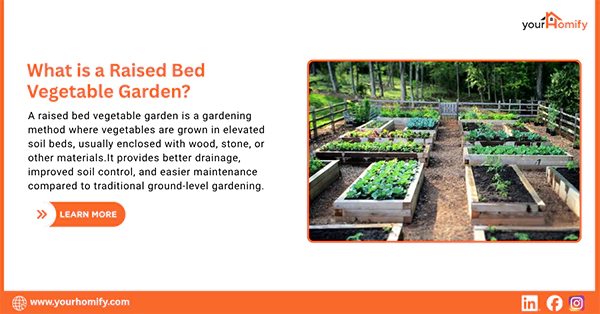
A raised bed vegetable garden consists of a planting area built above ground level and is made up of materials like wood, stone, brick, or metal. It is filled with nutrient-rich soil and is used to grow different vegetables with similar care needs. Raised beds typically range from 6-24 inches deep, depending on the vegetables being grown.
A vegetable garden is a designated space where vegetables and herbs are grown for fresh, homegrown produce. You can simply start small by having a few containers on your balcony or as large as an in-ground vegetable backyard.
Choose the crops you wish to grow, and control soil quality, watering, and other plant care needs while enjoying a flavorful harvest. The type of garden you choose depends on the available space, budget, climate, and the veggies you wish to harvest.
10 Best Vegetables For Raised Beds
Tomatoes, carrots, beets, kale, spinach, bush beans, lettuce, cucumbers, zucchini, and peppers are some of the best vegetables for raised beds. Let us explore more about them in detail.
1. Tomatoes
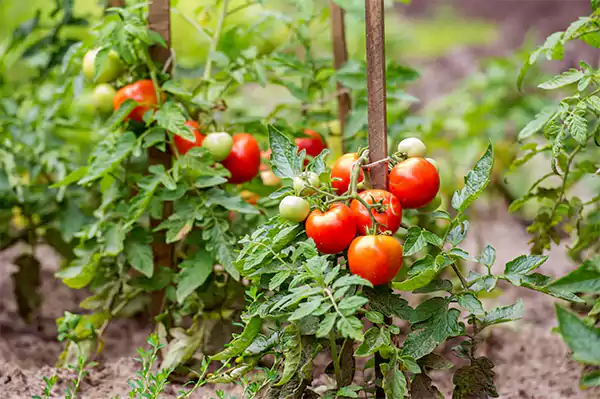
Tomatoes are one of the best vegetables for raised beds because they grow well in loose, nutrient-rich soil and produce a heavy harvest throughout summer. It is always best to plant the seeds in a raised bed that is at least 12-18 inches deep. They need 6-8 hours of direct sunlight, regular watering, and a soil mix with a pH of 6.0-6.8.
Support the plant with stakes or cages and feed it with a tomato fertilizer once flowering begins. Basil, marigolds, or onions are the best tomato companion plants and help reduce pests. Harvest the crop when they are fully mature, bright red, and firm.
Beyond fresh eating, homegrown varieties are used for canning, sauces, and salsas. According to a fact sheet from the University of New Hampshire, it is one of the main reasons it is the most commonly grown raised bed vegetable in the US.
2. Peppers
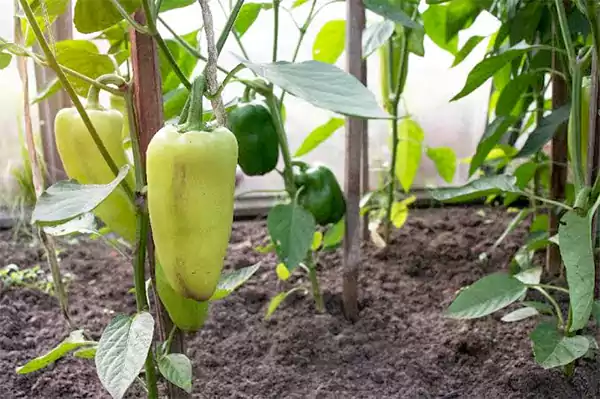
Peppers are a great choice if you are looking to grow something in a small space. Plant the seedlings once you feel the soil is warm and the frost season has passed. Place them in a bed that is 10-12 inches deep with fertile, well-draining soil and a pH of 6.0-6.8. They need full sun for 4-6 hours, consistent watering, and regular feeding during flowering and fruiting.
Basil, carrots, onions, and marigolds are good companion plants. This vegetable has a high chance of being affected by pests such as aphids or bacterial leaf spot. Harvest peppers once they reach the desired size or color for best flavor.
From Anaheim peppers to spicy jalapeños, the crop offers a wide flavor range among all the raised bed vegetables. If you are someone who likes to grow both culinary and hot varieties side by side, this is the perfect choice.
3. Carrots
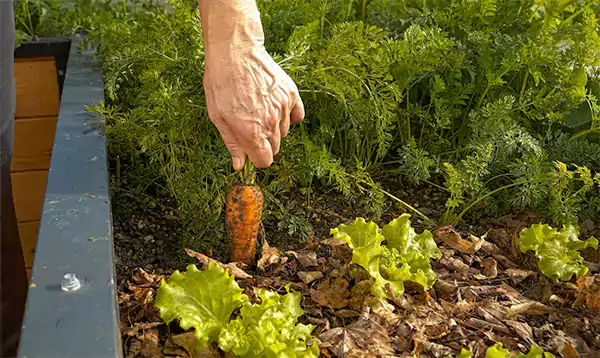
Carrots grow best in raised beds because of the loose and stone-free soil mixture. This allows the roots to grow long, straight, and smooth. Sow the seeds directly during spring or fall in a raised bed that is at least 10-12 inches deep. Carrots grow best in full sun for 6-8 hours, well-drained soil with a pH level between 6.0 and 6.8, and need consistent watering for root development.
Plant carrots along with lettuce, onions, and radishes to help reduce pest infestation. Look out for whiteflies or root rot caused by poor soil quality. Harvest when the roots have reached their expected size.
This winter garden plant is the most commonly cultivated in raised bed gardens because this way they are often straighter, longer, and sweeter in taste than the ones grown in the ground.
4. Lettuce
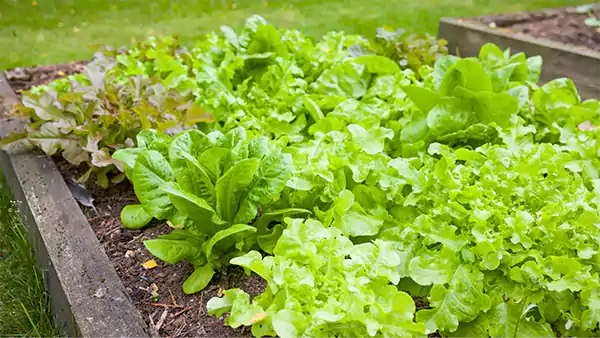
Lettuce is one of the easiest vegetables to grow in raised beds because of its minimal care needs. Start by sowing the seeds directly from early spring through fall in a raised bed that is 6-8 inches deep. It grows best in full sun (3-4 hours) to partial shade, fertile soil with a pH of 6.0-7.0, and regular watering to keep the leaves tender.
Add compost to the soil before planting for healthy growth. Grow lettuce with carrots, onions, or strawberries to use the space properly. Watch out for pests like slugs, aphids, and spider mites in hot weather.
Once mature, harvest the outer leaves or cut the whole head to encourage continuous growth. Lettuce can be harvested after 45-60 days of planting, making it one of the fast-growing crops for raised beds.
5. Cucumber
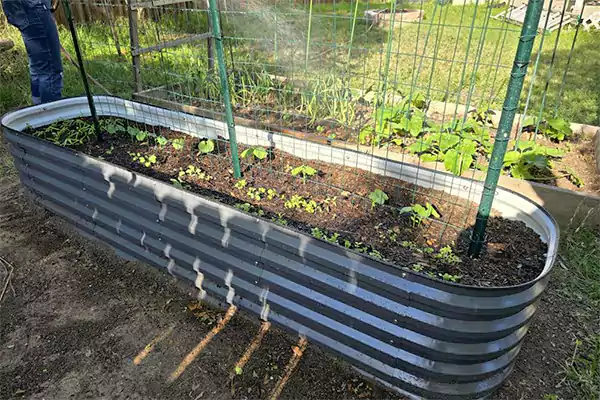
Cucumbers flourish in raised beds due to superior soil quality and support for healthy roots, allowing vines to be easily adjusted with a trellis. Plant seeds or seedlings after the last frost in a raised bed at least 12 inches deep. They need full sun for 5-6 hours, fertile soil with a pH of 6.0-7.0, and consistent watering throughout the growing season.
Fertilize every few weeks to support fruiting. Grow cucumbers with beans, peas, or dill, but avoid planting them near sage. Protect them from beetles and powdery mildew. Harvest the crop once they are firm for best flavor.
Knowing how to grow cucumbers the right way is beneficial because a single healthy vine can produce fruit continuously for 6-8 weeks. It is also considered one of the highest-yielding crops grown in raised garden beds.
6. Bush Beans
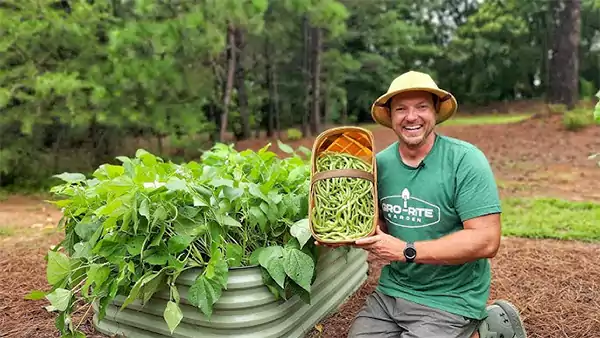
Bush beans are perfect for raised beds because they stay compact and do not need extra support for the pods. You can start by sowing the seeds directly into the soil after the last frost has passed. Make sure the raised bed is at least 8-10 inches deep.
They need full sun for 6-8 hours, permeable soil with a pH of 6.0-7.0, and moderate watering. Since beans add nitrogen to the soil, they do not need much fertilizing. Plant them with carrots, cucumbers, or radish, but keep them away from onions or garlic.
Protect the plant from beetles and powdery mildew. Harvest only when the pods are young and tender to encourage more production. As per the US Department of Agriculture, beans are often grown by intercropping methods along with corn and squash, which is known as the three sisters.
7. Spinach
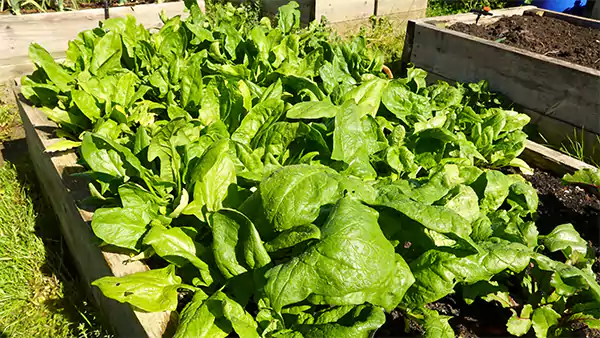
Spinach grows best in raised beds because the soil warms up quickly in spring and drains well, reducing the risk of root rot. Sow seeds directly in early spring or fall in a bed at least 6-8 inches deep. It prefers full sunlight for 4-5 hours to partial shade, porous soil with acidity around 6.5-7.5, and minimal watering.
Before sowing the seeds, it is ideal to add compost to the soil for healthy leaf growth. Spinach generally grows well with peas, radish, and onions. Protect the crop from pests like leaf miners and bolting during warm weather. Harvest the outer leaves or the whole plant before it starts flowering.
8. Beets
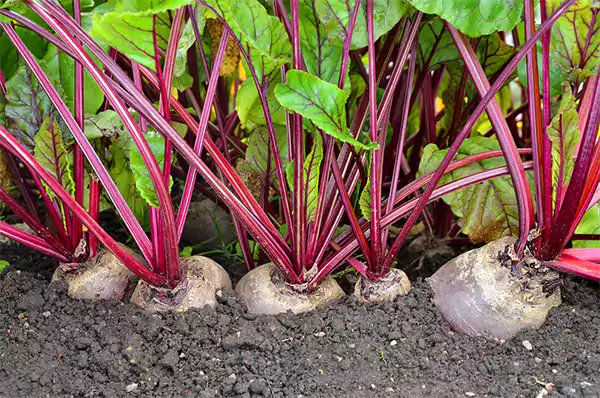
Beets are perfect for a raised bed because the loose soil texture helps them produce smooth roots and nutritious leafy greens. Sow the seeds in spring or fall in a raised bed that is at least 10 inches deep. They grow best in full sun for a minimum of 4-5 hours, well-drained soil with a pH of 6.0-7.5, and consistent watering.
Cut away or thin seedlings so that each root can get enough space to grow. Plant beets with onions, lettuce, or bush beans, but avoid growing them near pole beans. Watch out for leaf spot and aphids, and harvest when the roots are about 2-3 inches wide.
9. Zucchini
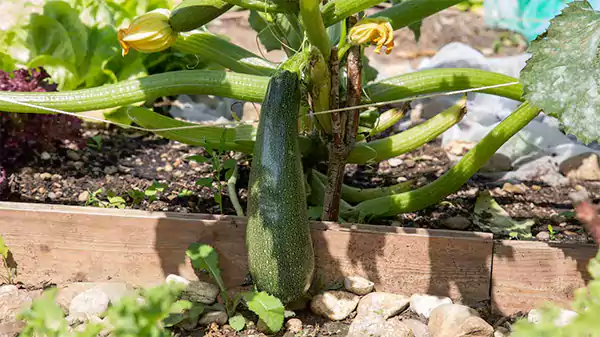
Zucchini is highly productive in raised beds because the rich soil texture supports the growth and fruit production. Plant seeds or seedlings in a raised bed that is at least 12 inches deep, leaving enough space around the plant to spread. It needs full sun for 6-7 hours, fertile soil with a pH of 6.0-7.0, regular watering, and a balanced fertilizer on a monthly basis.
Nasturtiums and marigolds make good companion plants because they attract beneficial pollinators and help deter pests. Protect the plants from squash vine borers and powdery mildew. Harvest zucchini when the fruits are about 6-8 inches long for best taste.
10. Kale
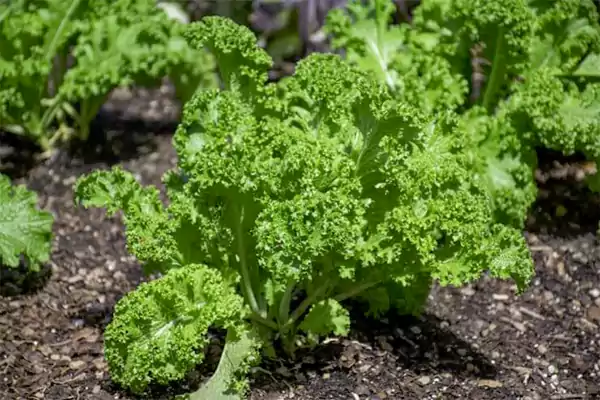
Kale is one of the best leafy vegetables for raised beds because it grows well in cool weather and provides a long harvest season. Sow the seeds or transplant seedlings in spring or fall in a raised bed that is 8-10 inches deep. It grows best in full sun for 4-5 hours to partial shade, fertile soil with a pH of 6.0-7.5, and regular watering. Add compost before planting and mulch around the base to retain soil moisture.
Grow kale with onions, herbs, or beets, but avoid planting them near other mustard plants to reduce pest infestation. Cabbage worms and aphids are the most common issues. Harvest the outer leaves to encourage continuous growth.
Mistakes to Avoid While Growing Vegetables in a Raised Bed
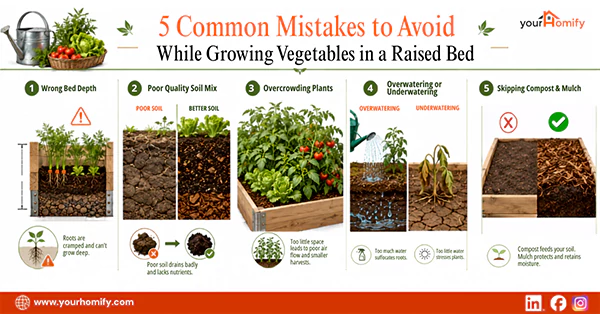
Choosing the wrong bed depth, using poor-quality soil mix, planting crops too close, overwatering or underwatering, and forgetting compost and mulch are some common mistakes that one should avoid while growing vegetables in a raised bed.
- Choosing the Wrong Bed Depth: Different vegetables have different root lengths. Growing crops like carrots or tomatoes in a shallow bed can restrict root growth and reduce yields. It is important to consider the depth of the bed before planting the seeds.
- Using Poor Quality Soil Mix: The main aspect of a perfect raised bed is the soil. Do not use heavy garden soil or a low-quality mixture. It can lead to poor drainage and weak plant growth. Fill the bed with a nutrient-rich, fertile, and permeable soil along with compost and organic matter for best results.
- Planting Crops Too Close: If you are trying to fit too many crops in a single raised bed, you are restricting the airflow, and eventually the crops will die. This limits the sunlight and increases the chances of fungal infestation. Always follow a proper spacing method for a healthy harvest.
- Overwatering or Underwatering: Raised beds dry out faster than in-ground gardens. The watering needs of this garden type are different. Make sure to group crops having similar care needs to keep the routine simple. Water only when the top 1-2 inches of the soil feels dry so that the vegetables can establish a healthy root structure.
- Forgetting Compost or Mulch: Vegetables grown in a raised bed need proper nutrition. Adding compost to the soil before planting the seeds helps enhance fertility. Do not leave the soil uncovered to avoid weed growth. Add a 2-3 inch layer of organic mulch to retain its moisture.
Conclusion
A raised garden bed is one of the easiest and most productive ways to grow fresh vegetables at home. By choosing the right crop, using nutrient-rich soil, providing proper sunlight, and following a consistent care plan, you can enjoy healthy plants and harvest all year long. Starting with beginner-friendly vegetables like tomatoes, carrots, beets, kale, spinach, bush beans, lettuce, cucumbers, zucchini, and peppers, you can gain confidence and expand your garden.
FAQs
What vegetables should be planted together in a raised bed?
It is ideal to plant vegetables in a raised bed that have similar sunlight, watering, and soil needs. Tomatoes with basil, carrots with radishes and onions, and cucumbers with nasturtiums are some good combinations.
What are three mistakes to avoid when gardening with raised beds?
Choosing the wrong bed depth, using poor-quality soil mix, planting crops too close, overwatering or underwatering, and forgetting compost and mulch are some common mistakes that one should avoid while growing vegetables in a raised bed.
What are the drawbacks of raised garden beds?
Building and labor expenses, high watering needs, immobility, and limited root growth space are some common drawbacks of this gardening approach.
What do you put in the bottom of a raised vegetable bed?
Before layering the garden bed with soil or organic compost, it is beneficial to line the bottom with uncoated cardboard or wood to suppress weed growth.
Do weeds grow in raised beds?
Yes, weeds do grow in raised beds. While this method gives you elevated gardening space, contaminated compost or mushy roots can increase the chances of weed growth.
- Growing Vegetables in Raised Beds – Royal Horticultural Society
- Raised Beds Vegetables – University of Maryland
- Vegetable Gardening: A Beginner’s Guide – NC State Extension