The blueberry bush has always fascinated me with its resilience and sweetness. When I first added it to my garden space, I did not expect it to become such a rewarding part of my gardening journey.
Growing Blueberry plants isn’t just about having your personal fruit plant — it is about patience, care, and the joy of nurturing something so alluring.
Moving further, in this article, I will share everything that I have discovered about blueberry bushes—from their origin and taxonomy to their care guide and major types.
Get ready to bring a touch of serenity to your green space!
Did You Know?
Blueberries are also called “superfoods” because of the high nutritional value they hold. It contains antioxidants, vitamins, and fiber, offering significant health benefits.
Blueberry Bush – Origin and General Description
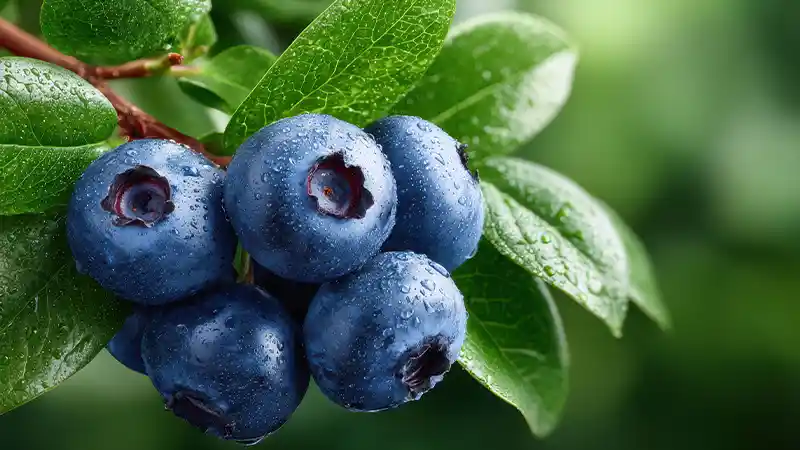
Whenever someone asks me about my favorite fruit plant, the Blueberry bush always tops the list.
Now, before I dive into the care guide of the genus, here’s a quick look at where it comes from and what makes it a special addition to my balcony garden.
- Blueberry bushes are native to North America, particularly to the United States and Canada.
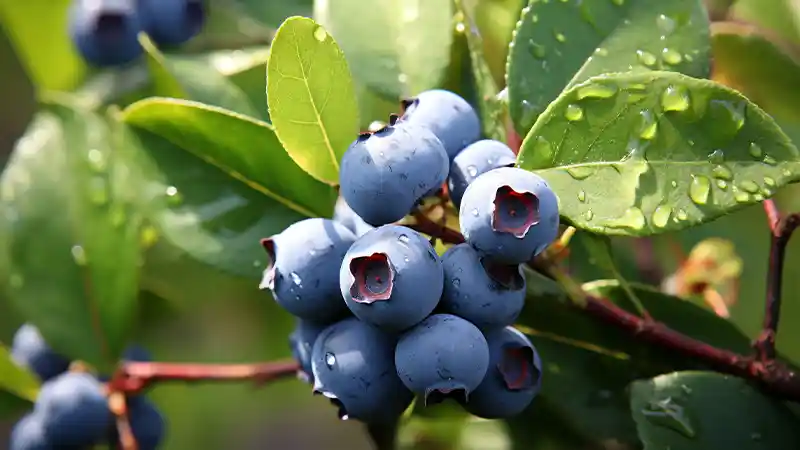
- The plant usually grows from 10 to 12 feet tall, depending on the variety. Its leaves are mostly oval and turn orange or light red during autumn, making the plant an ornamental beauty.
- This perennial shrub usually bears bell-shaped blooms that look absolutely stunning in any garden space.
- The berries are initially green, then turn reddish-pink, and once fully ripe, they become blueish-purple. Furthermore, the lifespan of a Blueberry tree is around 60–70 years.
- I also noticed that the bushes with blueberries attract bees, butterflies, and hummingbirds, making them an excellent addition to any pollinator-friendly garden.
Every time I look at my Blueberry bush, I feel connected to its natural beauty. Understanding its origin and special traits helps me appreciate the plant even more.
Taxonomic Overview of Blueberry Plants
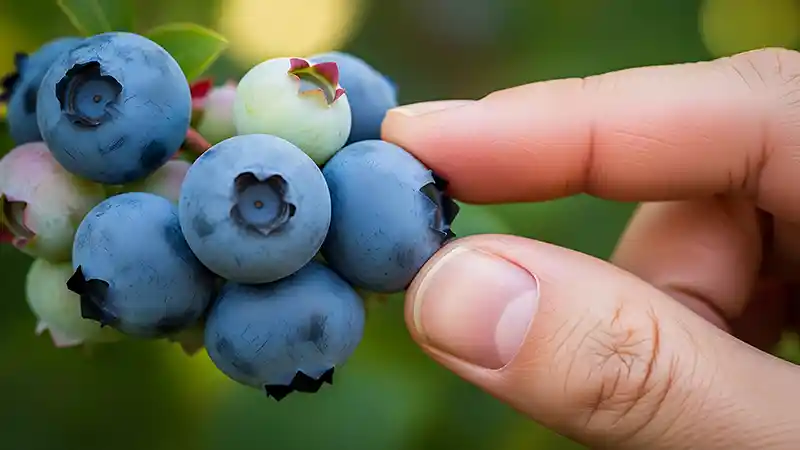
Before getting into how do I plant blueberries, I find it fascinating to explore the botanical background of the plant. Let’s take a quick look at how this alluring fruit plant fits into the plant kingdom.
| Scientific Classification of Blueberry Bush | |
| Kingdom | Plantae |
| Clade | Tracheophytes |
| Clade | Angiosperms |
| Clade | Eudicots |
| Clade | Asterids |
| Order | Ericales |
| Family | Ericaceae |
| Genus | Vaccinium |
| Botanical/Scientific Name | Vaccinium spp |
Knowing the taxonomy of the blueberry bush allows me to value its beauty even more. It’s amazing how a tiny berry belongs to such a vast plant family. If you are also a plant enthusiast, understanding the botanical classification of a species will also strengthen your gardening knowledge.
How to Grow Blueberries Using Their Seeds?
I remember the first time I tried growing Blueberries using their seeds – it felt like a little experiment that turned into a full-blown bush.
Though the procedure requires a little patience, knowing how to grow blueberries in a home garden is extremely satisfying.
Let me walk you through how I nurture blueberry seeds into thriving bushes.
| How to Grow Blueberry Plants | |
Step 1: Prepare the Seeds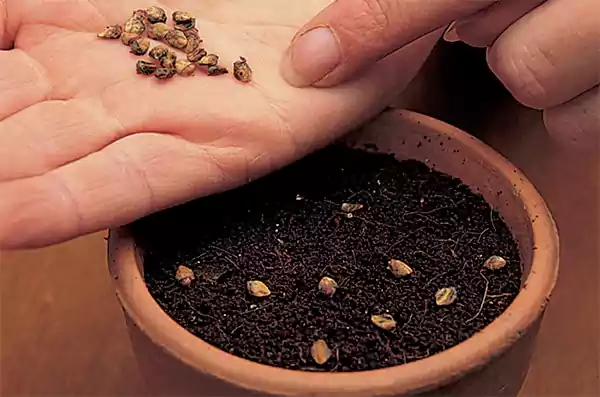 |
|
Step 2: Germinate the Seeds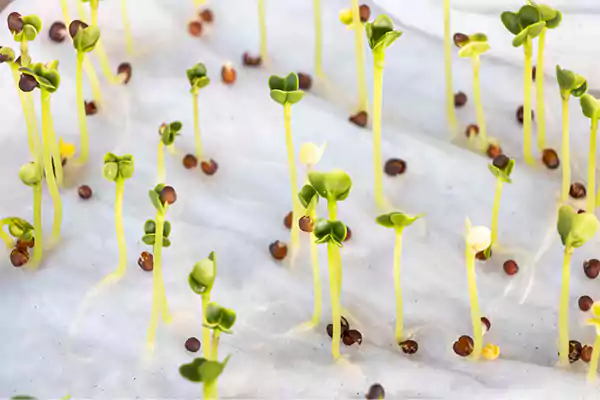 |
|
Step 3: Plant the Seedlings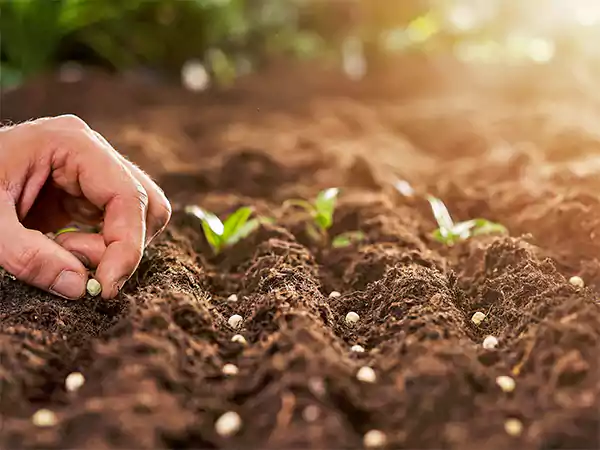 |
|
Step 4: Grow the Seedling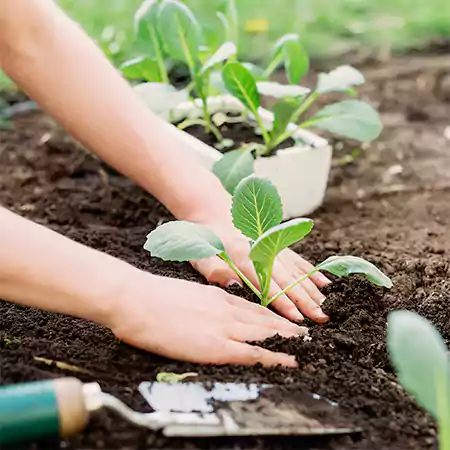 |
|
The process of seeing tiny seedlings turn into an alluring bush fills me with joy. In my opinion, the procedure is a bit tiring and time-consuming, but it is worth the effort.
How to Care for a Blueberry Tree?
It’s safe to say that by now, Blueberry bush care has become my gardening ritual!
After growing this ornamental plant for a while, I have realized that it is not only a beautiful addition to my garden, but also a low-maintenance species.
So here’s everything that I do to keep my favorite fruit plant happy and productive!
| Sunlight Exposure: Blueberry plants need full sunlight for the fruits to grow properly. If you are growing the genus as an indoor plant, make sure to provide it with a minimum of six to eight hours of direct sun exposure. |
| Water Needs: I initially thought that the genus did not need much water, and I almost killed my plant. During the initial growing stages, be sure to water the bloom deeply once a week. Once it is fully mature, moderate watering is enough for optimal development. |
| Soil Type: The soil must be acidic with a pH level ranging between 4.0-5.5. Make sure the potting mix you use is organic, fertile, and well-draining. Consider adding elemental sulfur at regular intervals to boost the plant health. |
| Temperature: The ideal temperature setting depends on the cultivar. In general, Blueberry bushes prefer growing in humid conditions. It also thrives in light winter air and finds it difficult to survive during a dry spell. |
My neighbors once asked me whether planting Blueberry plants in pots is an ideal option or not, and my instant answer was a big yes! I myself, during my initial years of gardening adventure, grew this purple fruit plant in my mini balcony garden.
Just make sure to use a deep container with ample drainage holes, and the potting mix should always be acidic in nature. Do not overwater the plant, and you are good to go!
Pro Tip: When to Fertilize Blueberries?
I prefer fertilizing Blueberry plants after a month of planting. During early spring, spraying just when the new buds emerge could be beneficial. Be sure to use an organic, well-balanced NPK chemical for your fruit plants.
What are the Different Types of Blueberry Bushes?
When I first started growing Blueberries, I was amazed to discover how many types there actually are! Each variety has its own personality and thrives in unique climatic conditions.
In this section, I will share the main types of Blueberry bushes and the traits that make them so likable.
| Highbush Blueberry (Vaccinium corymbosum): This variety of Blueberry bush is generally disease-resistant and is mostly grown in home gardens. It typically grows up to 12 feet tall and produces large, juicy berries. |
| Lowbush Blueberry (Vaccinium angustifolium): As the name suggests, this variety is shorter and needs to be pruned every two weeks for proper maintenance. It is mostly used for container planting, but can be grown in gardens as well. |
| Rabbiteye Blueberries (Vaccinium virgatum): Rabbiteye Blueberry is a hybrid cultivar made to thrive in summer. They are susceptible to winter wind damage, grow vigorously, and are highly productive. |
| Half-High Blueberries (Vaccinium corymbosum x Vaccinium angustifolium): This is yet another compact hybrid Blueberry variety, combining the best traits of both high bush and cultivars. It usually grows up to 2–4 feet tall and is ideally grown as a border cover or in small gardens. |
Knowing different types of blueberry bushes helps me understand which cultivar suits my garden the best and also gives me a rewarding harvest!
What are the Common Problems Faced by Blueberry Flowers?
While caring for my Blue Berry bushes, I realized that these blooms are not only sensitive to soil and water. They can also attract pests that may cause significant damage if not addressed promptly.
I also came across fellow Blueberry plant enthusiasts on Reddit, seeking help and advice to deal with pest infestation.
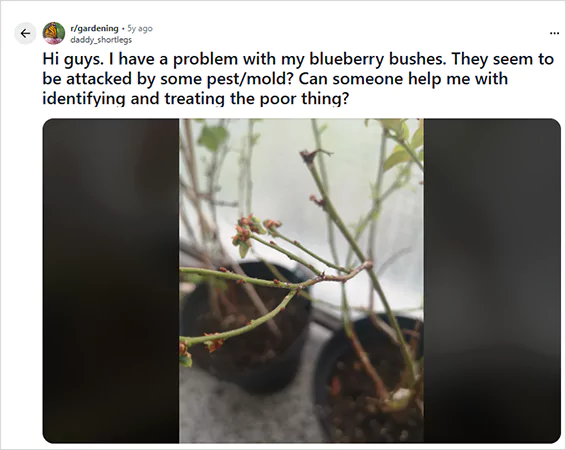
Given below are some of the most common pests and plant diseases that the blueberry bushes usually face, and how I managed them naturally.
Aphids
This is the most common issue faced by home gardeners growing fruit plants. Aphids can turn the leaves yellow, eventually deteriorating the overall health of the bush.
Solution: I used to manually remove them, but you can also use chemical sprays or horticultural oils.
Japanese Beetles
These usually feed on the fruit of the plant. The larvae of the insect sucks all the essential nutrients from the branches of the bushes and damage the fruit also.
Solution: I personally have never dealt with this insect, but using chemical sprays and insecticidal soaps would be beneficial.
Mummy Berry
Mummy Berry is a fungal disease that affects the leaves and fruit of the plant, causing them to rot and eventually shrivel. Honestly, I was so frustrated with this one!
Solution: I applied a thick layer of fungicide to remove the mummified berries. Consider using the chemical spray during the growing blueberry season to protect new buds.
Thrips
These are tiny, transparent, worm-like insects that are usually found on the white flowers of the blueberry plant. Additionally, these can cause distorted growth and can also reduce fruit production.
Solution: To treat thrips effectively, consider using sticky traps, especially after harvest. I personally used rubbing alcohol to get rid of them completely.
Learning to identify pests and plant diseases early has saved my blueberry bushes so many times. With just a little care and observation, you can keep your blooms happy and healthy.
Conclusion
As I look at my thriving blueberry bush while writing this blog, I am reminded of all the patience and care it took and how it has been worth all the efforts!
I hope this guide inspires you to have your own blueberry plant and experience the same joy that I have felt. Just be sure to provide the species with the ideal growing conditions, and it will definitely flourish.
FAQs
How many years does it take for a Blueberry bush to produce fruit?
When I began growing blueberries in my garden, my first plant produced fruit after five years. Generally, the blueberry bushes take around 2–3 years to produce fruit.
What month is best to plant Blueberry bushes?
The best time to plant a blueberry bush is in the fall or during early spring. Planting the seeds in the dormant season helps in the strong development of the roots.
Where is the best place to plant a Blueberry bush?
The best place to plant a Blueberry bush is in an area where it can receive an ample amount of sunlight. Make sure the soil is acidic and fertile, and do not overwater the plant.
How big does a blueberry bush get?
The Blueberry plant typically grows up to 10–12 feet tall, depending on the cultivar. Some Lowbush Blueberry plants reach up to a height of 2–4 feet.
- How to Grow Blueberries – BBC Gardeners Magazine
- Growing blueberries in the home garden – Michigan State University Research Paper
- Blueberry – Britannica