There’s a thing about luxury real estate near the coast; the view can steal your heart and the whole show. The listing photos are important, but what makes it beautiful is salt air, strong sun, humidity, and storm exposure that tend to make the fine print. That’s why coastal markets from California to the Carolinas offer design choices that affect maintenance, comfort, insurance, and long-term value.
A pretty home near the water requires more than styling. It needs smart planning that can manage the climate without losing its edge.
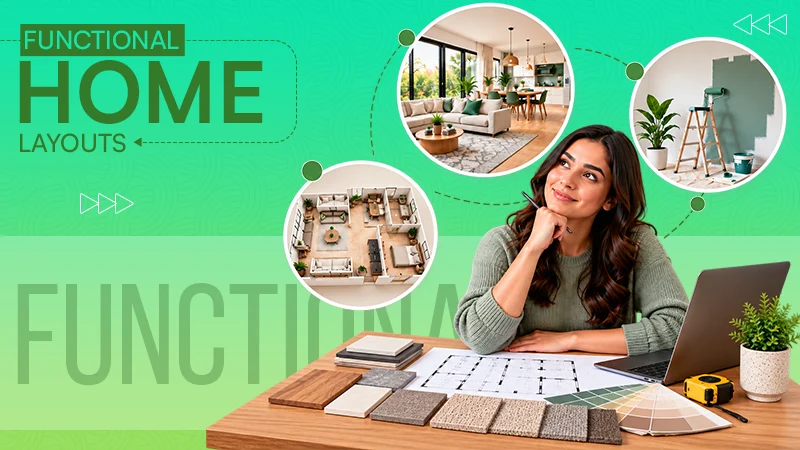
Layout and orientation shape comfort every day
A smart coastal home is not only about the water. Its orientation plays a big part in managing how the property feels and functions. Things like sun exposure, prevailing winds, privacy, and indoor-outdoor flow all require proper coordination.
That’s where concepts like designing homes for coastal climates become especially relevant. Good design in this category usually includes shaded outdoor spaces, strategic window placement, cross-ventilation, and layouts that capture views without turning the home into a greenhouse with a mortgage.
The layout is what makes the difference in everyday living. For instance, rooms become brighter without overheating, outdoor areas get used up, and breezes move through the house more naturally. These are the details that can separate a merely expensive home from one that actually lives well.
Coastal beauty comes with real design pressure
When you walk into a coastal property, you don’t only judge finishes and square footage. But also look at how well the home deals with wind, moisture, corrosion, and heat. Those factors shape everything from the roofline to the window package.
A house near the ocean can age fast if it doenst build for coastal standards. It also creates stress when metal fixtures corrode, paint breaks down sooner, and poorly sealed openings can let in moisture. Luxury buyers often look for perfection, but coastal homes need a deeper view.
A few practical questions are worth asking:
- What materials were used on the exterior?
- Are the windows impact-rated?
- How is the home ventilated?
- Has the structure been designed for flood or storm risk?
A beautiful facade might catch the first attention, but it’s the good coastal design that makes the difference.
Materials matter more than you might expect
In coastal real estate, materials are not just aesthetic choices, but they are performance decisions. That limestone terrace, custom steel railing, or wide-plank wood siding may look perfect on day one, but coastal exposure can show reality over time.
You should pay attention to materials known for durability in marine environments. Fiber cement siding, treated hardwoods, corrosion-resistant fasteners, and high-quality sealants actually perform better than standard alternatives. Also, roofing choices can affect how a home manages intense sun and seasonal storms.
Inside the home, humidity can affect flooring stability, cabinetry longevity, and indoor air quality. It’s better to ask about how the design manages condensation and solar gain when a property has glass walls and an open living area.
Luxury construction near the coast is all about using the right premium materials in the right places.
Storm resilience should never feel like an afterthought
Most of the time, luxury buyers focus on finishing more than on resilience. But for a house near the coast orde should be reversed. If a home is not prepared for storm conditions, then no matter how expensive materials are used in construction and lighting, it’s of no use.
Look for features that improve resilience without compromising design:
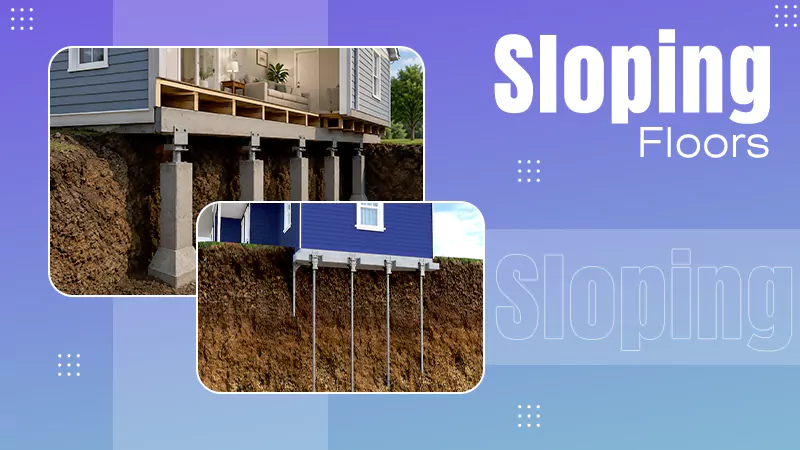
- Elevated construction where flood conditions need it
- Reinforced roofing systems
- Impact-resistant doors and windows
- Proper drainage and grading
- Backup power systems
- Weather-resistant exterior detailing
These features not only offer safety but can influence insurance costs, maintenance schedules, and resale appeal. Now, buyers are becoming more educated and informed, and they are demanding clear information about structural readiness.
Energy performance and maintenance go hand in hand
If you are thinking that luxury coastal homes can bring comfort with oversized mechanical systems. Then you are right, but it’s not financially and practically ideal. A better strategy is design that reduces stress even from the start.
Some features such as well-insulated walls, high-performance glazing, shading systems, and efficient HVAC design can make a major difference. In coastal regions, managing humidity is just as important as controlling temperature. If you ignore these things, then interiors can feel clammy even in homes with impressive specs.
During maintenance, try to be realistic. Frequent inspections are required in coastal homes as salt deposits, water intrusion risks, and UV exposure don’t care how exclusive the zip code is.
That’s why, before buying, it’s better to ask for maintenance records and a clear list of exterior products. In luxury ownership, fewer surprises often means better long-term enjoyment.
Architecture can protect value as much as location does
In coastal areas, location can be attention-driving, but it’s architecture that keeps buyers staying. If the homes are thoughtfully designed, then it hold hold appeal longer than homes that chase trends without respecting the environment.
This can be experienced in many ways. Such as, a house with deep overhangs, durable finishes, elevated foundations, and seamless indoor-outdoor living will remain stronger over time than one built around short-lived visual statements.
Investors and second-home buyers actually give importance to those homes that perform well in their climate, as it requires fewer corrective renovations, stronger buyer interest, and a smoother resale path. It can also give you a better experience.
Good coastal architecture doesn’t fight the site. It works with it, and that often ages better in every sense.
What to examine before you fall for the view
The best coastal home is that which balances beauty with discipline. So, before you buy, try to look beyond staging and ask how the home actually behaves. The inspection process should reflect the reality of the environment, not just the prestige of the address.
Keep a close eye on these areas during due diligence:
- Signs of moisture intrusion or mold
- Condition of exterior finishes and hardware
- Window and door ratings
- Roof age and storm-resistance features
- Drainage, grading, and erosion concerns
- HVAC performance and humidity control
- Maintenance history and renovation quality
If you’re planning to buy in a premium coastal market, every design decision carries weight. The strongest properties tend to blend engineering, architecture, and everyday livability without making any of it feel forced.
The ocean view is the one that might catch your attention. But it’s the design that’s really important. And when these details are managed properly, it makes a home that feels luxurious and works hard behind the scenes.
FAQs
What are the characteristics of a Coastal house?
A coastal house blends indoor and outdoor living with durable materials and can resist harsh weather conditions.
What is a good name for a coastal house?
Some of the good names for a coastal house are Seabreeze House, Sea La Vie, Horizon Cottage, etc.
What are the latest trends in luxury home design?
The latest trends in luxury home design are warm palettes, textural maximalism, and hidden smart tech.