“An ounce of prevention is worth a pound of cure.”
– Benjamin Franklin (US Founding Father)
As it starts freezing, your furnace doesn’t get a warning before being asked to work around the clock. It simply has to perform.
An HVAC worn capacitor, dirty burner, restricted filter, or loose electrical connection may seem insignificant in September. But under the demands of winter, any one of them can become an expensive breakdown. Preventive HVAC maintenance from services like Six Star Heating & Cooling gives homeowners a chance to find these problems while the weather is still manageable, helping reduce emergency repairs, improve efficiency, and keep the home safe and comfortable when extreme weather arrives.
Why Preventive HVAC Maintenance Before Extreme Weather Is the Smart Move
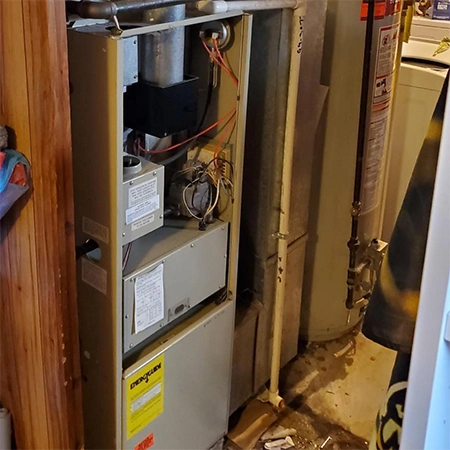
You should book HVAC servicing before winter strikes. The logic is simple: mild weather creates a low-stakes window to find and fix problems before your system is under maximum load.
The U.S. Department of Energy recommends annual pre-season checkups with a qualified contractor to keep heating and cooling systems operating at peak performance. The Indoor Air Quality Association (IAQA) goes further, noting that regular preventive maintenance can reduce the risk of costly breakdowns by as much as 95% — and that systems running at peak efficiency can generate energy savings of up to 30% compared to poorly maintained equipment.
Those aren’t small numbers. A 30% reduction in energy use during the months when your system operates hardest translates to real, measurable savings on utility bills. Avoiding even one major repair can fund several years of routine maintenance.
The core argument for preventive maintenance is simple: small problems are cheaper to fix than large ones, and large ones almost always start as small ones.
Timing Your Service Around Seasonal Demands
For homeowners, the seasonal maintenance calendar maps naturally onto the region’s climate. Winters are genuinely cold — not the mild, damp cold of coastal cities, but sustained cold that pushes heating systems hard for months at a time. Summers bring humidity that challenges cooling equipment.
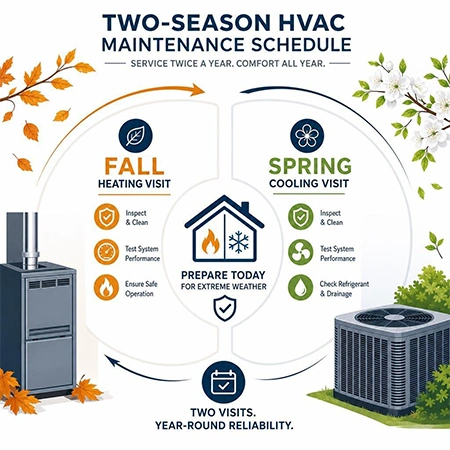
That makes the fall window — roughly September through early November — the ideal time to service heating equipment. The system has been largely idle since spring, which means dust has accumulated, components have sat unused, and any wear that developed during the previous heating season has had time to worsen undetected. Getting ahead of that before the first hard freeze means you’re not calling for emergency service in January when technician schedules are packed.
Spring serves the same function for cooling systems. Before the first stretch of humid summer weather arrives, an AC or heat pump tune-up ensures the cooling side is ready to perform. The two-visit annual schedule — fall for heating, spring for cooling — is the standard recommendation across the industry, and for good reason.
What Happens When Maintenance Gets Skipped
Ignoring seasonal maintenance doesn’t hit much as there are no immediate effects. But the consequences accumulate.
Dust build-up on blower assemblies, coils, and flame sensors makes the system work harder. Electrical connections loosen gradually. Capacitors weaken. Worn belts and bearings wear it down further. None of these issues announce themselves loudly — until the system fails.
When that failure happens during a cold snap or a heat wave, the timing is the worst possible. Emergency repair rates are higher. Technician availability is lower. And based on the issue, the impact can be anything. Gas furnaces with cracked heat exchangers can introduce carbon monoxide into living spaces. Systems with compromised electrical components carry fire risk. Deferred maintenance isn’t just an efficiency issue—it’s a safety issue.
There’s also a warranty angle. Many HVAC manufacturers require documented proof of annual maintenance when a warranty claim is submitted. The warranty repair goes out of bounds if the system isn’t professionally serviced recently.
What a Professional HVAC Tune-Up Actually Covers
Booking a local HVAC service is better for home comfort. A professional tune-up is considerably more involved than a filter swap and a visual check. Homeowners need to understand what a qualified technician actually does during a maintenance visit. It helps them evaluate whether they’re getting genuine value from their service provider — and understand why the visit matters.
If you’re attentive enough, some warning signs of a faulty HVAC system you can spot yourself. Still, a thorough tune-up typically begins with a full system inspection: visible components, electrical connections, safety controls, startup and shutdown sequences, and any signs of overheating, corrosion, or unusual wear. For gas heating systems, combustion quality, venting integrity, and heat exchanger status are evaluated — the safety-critical checks that protect against carbon monoxide risk.
For furnaces, the inspection covers ignition components, safety switches, and temperature rise measurements to confirm the system is heating evenly and safely. For heat pumps, defrost operation, reversing valve function, and cold-ambient performance are assessed. For boilers, pressure, expansion tank condition, circulator function, and aquastat settings are all part of a complete diagnostic picture.
Cleaning plays a big part. Blower assemblies, accessible coils, drain lines, condensate pans, burners, and flame sensors are cleaned to remove the dust and debris that accumulate during normal operation. Even a thin layer reduces efficiency, and the system has to work harder for the same output.
SURPRISING STAT
Just 0.25mm of dust and dirt on the coil causes energy consumption to jump by up to 20%.
Electrical and Mechanical Testing
Testing of electrical and mechanical components is also included. Technicians measure voltage and amperage to confirm motors and fans are operating within specification. Capacitors — which help motors start and run — are tested for charge capacity, since a weakening capacitor often fails completely under the stress of peak-season operation. Contactors, which carry high current to compressors and other major components, are inspected for pitting and wear.
Thermostat calibration and communication with the system are verified. A thermostat that’s reading temperatures incorrectly, or that isn’t communicating properly with the air handler or furnace, can cause the system to short-cycle, run longer than necessary, or fail to reach setpoint temperatures — all of which increase energy use and wear.
Its value is in catching gradual failures before they become complete ones. A capacitor that’s at 60% of rated capacity will likely fail within a season. Catching it during a fall tune-up means a low-cost replacement on a scheduled visit rather than an emergency call in February.
Airflow, Filters, and Duct Evaluation
Proper airflow is foundational to HVAC performance. Restricted airflow makes:
- System work harder
- Increases heat buildup
- Causes short cycling
- Creates uneven temperatures throughout the home
A professional looks at all aspects.
Air filters are inspected and replaced if needed. During periods of normal use, filters typically need replacement every one to three months. In peak summer or winter, that interval can shorten to as little as 30 days, particularly in homes with pets, high dust levels, or occupants with respiratory sensitivities.
Ductwork and vents are evaluated for obstructions, leaks, and balance issues. Furniture blocking return air vents, duct leaks losing conditioned air into unconditioned spaces, and improperly balanced supply registers all reduce system effectiveness. A technician who spots these issues during a maintenance visit can recommend corrections that improve comfort and efficiency without requiring equipment replacement.
How Preventive HVAC Maintenance Before Extreme Weather Protects Your Home
The safety dimension of preventive maintenance deserves its own attention. Extreme cold weather creates specific failure modes that go beyond discomfort.
Frozen pipes are a real risk when heating systems fail during sustained cold snaps — not just in the mechanical room, but throughout the home if temperatures drop far enough. Blower issues increase the heat build-up. A faulty thermostat can either run all the time or not at all. And as noted above, compromised heat exchangers in gas furnaces can mean a CO hazard that has no significant visible warning signs.
Preventive maintenance before the heating season addresses each of these risk factors directly. A technician who inspects the heat exchanger, verifies combustion, tests safety switches, and confirms proper venting is providing a safety check as much as an efficiency check. That peace of mind — knowing the system has been professionally evaluated before the coldest months — has genuine value beyond the energy savings.
Energy Efficiency Gains That Show Up on Your Bill
The efficiency gains of preventive maintenance are well-documented and show up in multiple ways. Air moves smoothly through clean filters, reducing the energy needs. Clean coils transfer heat more effectively, meaning less energy is consumed to achieve the same temperature change. Calibrated thermostats ensure the system runs only as long as necessary to reach the setpoint, avoiding the energy waste of overcooling or overheating.
For homeowners with programmable or smart thermostats, a maintenance visit is also a good opportunity to verify that setback schedules are configured correctly. A thermostat set to maintain 72°F around the clock uses significantly more energy than one programmed to allow temperatures to drift during unoccupied hours — but only if it’s actually communicating those instructions to the system accurately.
The cumulative gain across a season is significant. Clean, properly calibrated systems simply use less energy to do the same work.
Extending Equipment Lifespan and Protecting Your Investment
Heating and cooling equipment represents a significant household investment. High-efficiency furnaces, heat pumps, or boilers don’t come cheap, and most homeowners expect them to last 15 to 20 years or more with proper care.
Annual maintenance is one of the most reliable ways to protect that investment. The analogy to regular car maintenance holds up well: a vehicle that receives regular oil changes, filter replacements, and inspections consistently outlasts one that doesn’t, even if both are driven the same number of miles. HVAC systems are no different. Components that are kept clean, properly lubricated, and operating within specification experience less wear per hour of operation than those that aren’t.
Homeowners looking for region-specific guidance on maintenance plans, system types, and what proper HVAC service looks like in a climate like Pittsburgh’s can find detailed resources through Six Star Heating & Cooling, which serves the Greater Pittsburgh metro and publishes educational content on heating, cooling, and system selection alongside its service offerings.
Practical Steps Homeowners Can Take Between Professional Visits
The essential professional maintenance happens at most twice a year. Meanwhile, homeowners can do a few things by themselves.
- Filter monitoring and replacement is the single highest-impact task available to homeowners. A clogged filter doesn’t just reduce efficiency — it can cause the system to overheat, short cycle, or freeze up. Checking the filter monthly during heavy-use periods and replacing it when it’s visibly dirty, rather than waiting for a fixed schedule, is a simple habit with meaningful impact.
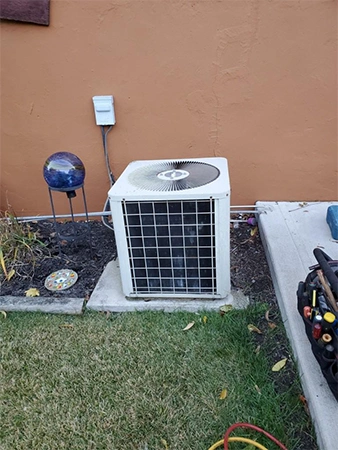
- Outdoor unit clearance matters year-round but especially before and during winter. Clean the debris around the outdoor unit. In winter, snow and ice accumulation around the base of the unit should be managed carefully. Heat pumps need adequate airflow around the outdoor unit to operate efficiently, and blocked units work harder and wear faster.
- Vent and return air management is easy to overlook. Furniture rearrangements, new rugs, and seasonal storage can inadvertently block supply or return air vents. Walking through the home periodically to confirm vents are unobstructed takes minutes and can prevent airflow problems that reduce comfort and efficiency.
- Ceiling fan direction is a small adjustment with a real effect. In winter, running ceiling fans clockwise at low speed pushes warm air that has risen to the ceiling back down into the living space, reducing the load on the heating system. Set it counterclockwise in summer as it creates a cooling effect that allows thermostat setpoints to be raised slightly without sacrificing comfort.
- Air leak sealing around doors, windows, and accessible ductwork reduces the volume of conditioned air lost to unconditioned spaces. Weatherstripping on exterior doors, caulk around window frames, and mastic sealant on accessible duct joints are all DIY-accessible improvements that reduce system workload.
- Insulation checks in attics, crawlspaces, and around exterior walls help the building envelope retain conditioned air. Homes with inadequate insulation need more air conditioning regardless of how well-maintained HVAC systems are.
You should also avoid some common HVAC mistakes for its longer life.
Conclusion
Preventive HVAC upkeep before severe weather isn’t a luxury or an optional upgrade—it’s the most reliable way to ensure your heating and cooling systems perform when they’re needed most. The evidence is consistent: systems that receive regular professional attention break down less often, use less energy, last longer, and operate more safely than those that don’t.
The timing matters. Fall is the right window for heating system service because it comes before peak demand, while technician availability is better and the stakes of a temporary shutdown are lower. Spring serves the same function for cooling. Together, these two annual visits form the foundation of a maintenance strategy that protects both your comfort and your investment.
Besides professional maintenance, homeowners can monitor filters, clear outdoor units, seal air leaks, and manage vents. They’re habits that compound over time into meaningful efficiency and reliability gains.
The bottom line: preventive maintenance costs are almost always lower than the cost of the problems it prevents. Scheduling service before the season arrives, rather than after something breaks, is the straightforward choice that experienced homeowners consistently make.
Frequently Asked Questions About Preventive HVAC Maintenance Before Extreme Weather
How often to plan HVAC maintenance?
The standard recommendation across the industry is twice per year — once in the fall to prepare heating systems for winter demand, and once in the spring to prepare cooling systems for summer. This biannual schedule ensures that both the heating and cooling sides of your system receive professional attention before their respective peak-demand periods. In addition to professional visits, filters should be checked monthly during heavy-use periods and replaced when dirty, regardless of where you are in the annual maintenance cycle.
What are the biggest risks of skipping fall HVAC maintenance?
It’s a bad idea to skip fall maintenance. Emergency repairs during winter are more expensive and harder to schedule quickly because demand for HVAC service peaks during cold weather. Safety hazards — particularly carbon monoxide risk from gas furnaces with compromised heat exchangers — go undetected without professional inspection. Efficiency losses from dirty components and worn parts result in higher utility bills throughout the heating season. And warranty compliance gaps can leave homeowners without manufacturer coverage when they need it most.
Does preventive maintenance really lower energy bills?
Yes, and the effect is measurable. According to the IAQA, HVAC systems operating at peak efficiency can utilize up to 30% less energy than poorly maintained systems. The savings come from multiple sources: clean filters allow better airflow, reducing the energy needed to move air through the system; clean coils transfer heat more effectively; calibrated thermostats prevent unnecessary runtime; and properly functioning components don’t have to work as hard to achieve the same output. The efficiency gains are cumulative across an entire heating or cooling season, which is when they show up most clearly on monthly utility statements.