Your roof plays a major role in protecting your home and its members from extreme and harsh weather conditions and external threats. Extreme weather could be anything from major stress on the roof to intense heat around the area.
This is where regular maintenance and effective inspection come in. But not every regular inspection is the same. What it involves and how it affects your home play a major role. This is why homeowners prefer expert advice.
Whether it is checking structural weaknesses, improving drainage, or simply choosing materials that will last longer, expert advice can make it better and more effective.
Keep reading this post to explore professional tips for maintaining your roof in extreme weather conditions.
Assess Current Structural Vulnerabilities
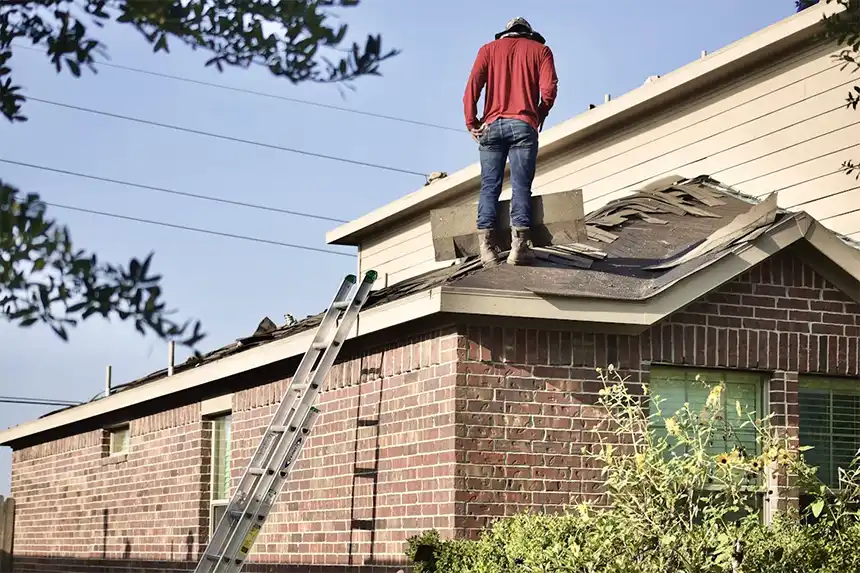
A professional roofer follows a rule – they don’t perform even a single activity before evaluating the present condition of the roof properly. This might sound simple, but it has a major effect. Many homeowners simply choose an option that is popular in the market. This affects the real-world performance of the roof; it simply fails to serve at its best based on local weather conditions and structural problems.
When done after the right inspection, the materials last, and performance peaks. The assessment often involves identifying any weak points on your roof that might fail under intense pressure.
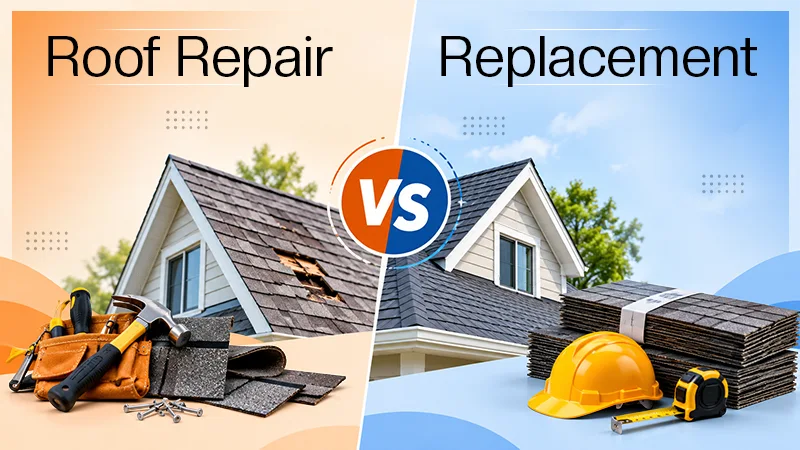
When done early, this inspection can help you determine if a roof repair is enough or if you need a replacement before an extreme weather season commences. Whether you’re going for a repair or replacement, you should ensure the wooden structures are sealed from exposure to moisture and heat to prevent rotting. A quick assessment can save you from expensive repairs or an early replacement down the line.
Also, learn why roof maintenance should be at the top of every homeowner’s improvement checklist.
Use Heat-Resistant Roofing Materials
If your home is in a location where extremely high temperatures are nothing surprising, it is better to be more concerned about the roofing materials you use. Because simple materials won’t work here as normal. The change in location and local conditions makes situations different.
It is better to prefer clay or concrete tiles, metal roofing, and cooling materials. These materials are specifically made to endure extreme heat and still perform better.
The metal roofing materials can easily reflect sunlight and also cool down fast after sunset, leaving your home cool and comfortable. If you need a durable material that offers excellent insulation against heat, you can opt for concrete or clay tiles for new roof installation or replacement projects.
Cool roofing materials are ideal for reducing heat absorption through their reflective surfaces, making them a perfect choice for roof sections that are directly exposed to high heat.
Also, explore potential signs that indicate your roof needs attention.
Optimize Water Drainage Systems
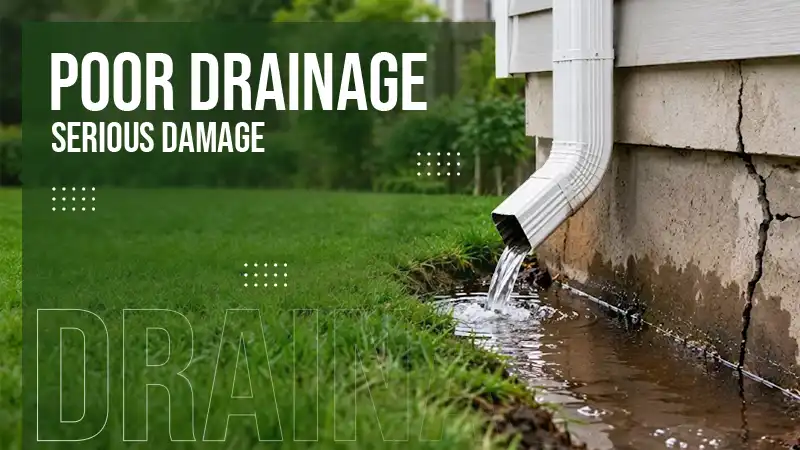
Rainfall is common. Water collects over the roof, and when it does not find the right way to move, the defined path clogs and problems are created. As a result, the roof can be exposed to severe damage risks that might affect the durability of the roof and lead to deterioration.
Even if you just installed your gutters, you should check their condition before every rainy season. When not maintained well, simply look for an alternate option or fix them properly for this smooth flow of water.
If water is blocked from naturally flowing out of your roof, it backs up under the eaves into the attic space, exposing your roof’s supporting structure to the risk of water damage. A simple cleaning of these roof drainage structures can go a long way in ensuring a seamless flow of water from your roof to the required destination.
Your roof is a major investment in your home, and taking the necessary steps to protect it from damage is the best gift you can give your home and yourself. By implementing the above professional tips, you’re able to keep your roof safe from water damage and extreme heat risks, keeping everything underneath it safe and functional.
Also, learn to protect your home by keeping your roof in good condition.
Conclusion
At the end of the day, your roof plays a central role in protecting your home from harsh weather conditions. Regular inspections, long-lasting roofing materials, and properly maintained gutters can effectively help to reduce serious damage. Such expert advice is central to keeping your roof working perfectly for many years.
This way, taking care of small issues before weather arrives can help to increase your roof’s lifespan and avoid unnecessary repair and replacement costs. Strong materials not only ensure better protection from external elements but also improve their lifespan.
FAQs
How often should a roof be replaced?
A roof should usually be inspected at least once a year and after major storms. Inspect regularly to prevent damage from turning into major issues.
Why is proper roof drainage important?
Proper drainage prohibits rainwater from collecting on the roof or flowing into vulnerable areas. Clean gutters and help direct water away from the roof and home.
Which roofing material works well in hot weather?
Metal roofing and certain cool roofing materials can perform well in hot climates. The right choice depends on local situations.