A roof doesn’t go down overnight. More often, the trouble begins with something easy to overlook: loose shingles, clogged gutters, a worn seal, or a small patch of moisture in the attic. Roof upkeep remains a top priority for keeping a property dry and safe through every season. Small leaks can turn into expensive interior repairs if nobody checks the overhead structure regularly.
Preventive roof maintenance is one of the simplest ways to protect a home from avoidable repair costs. Taking proactive steps preserves structural strength and protects interior finishes from sudden water damage. A solid overhead defense keeps heating costs manageable and maintains property value.
Recognizing Early Signs of Wear
Are there water stains on top-floor ceilings? It’s usually a signal that moisture is breaching the roofing system. Missing tiles or cracked flashings creating easy pathways for rain to enter interior walls is one of the most common roof problems.
Checking dark attic spaces with a flashlight reveals hidden leaks before damp spots spread downward. Light filtering through roof boards points directly to structural gaps requiring swift attention.
Early detection prevents tiny drips from weakening timber trusses and ruining insulation batts. Simple visual inspections twice every 12 months help spot emerging trouble areas fast.
Managing Moisture and Drainage Systems
Gutters save foundation walls from water damage all year long. Blocked drainage pipes force water to back up under lower row shingles, creating rot hazards.
Regular clearing keeps drainage channels open, so rain flows freely into downspouts. Reaching out to experts such as Guardian Warm Roof specialists gives homeowners access to expert advice on modern roof thermal upgrades. Choosing experienced installers helps maintain strong overhead protection across every section of the house.
Cleaning gutters once a year keeps new drainage systems clear, but aging systems need more frequent clearing to prevent overflows. Timely cleanouts stop heavy damp leaves from pulling aluminum troughs away from fascia boards.
Protecting Exterior Surfaces From Weather Exposure
Applying reflective coatings shields roofing materials from UV rays, which cuts down solar heat absorption. Lower surface temperatures prevent asphalt layers from baking and cracking during summer heatwaves.
Tree branches scraping against shingles during high winds strip protective granules off top surfaces. Trimming back heavy foliage prevents physical abrasion and keeps falling leaves off dark shingles.
Moss growth traps damp moisture against tile surfaces. Expansion during freezing weather even splits materials. Applying targeted moss treatments keeps surface tiles clean and prevents winter freeze damage. Regular exterior inspections help identify early signs of wear before they become costly repairs.
Understanding the Value of Modern Materials
Stopping leaks is obvious. Roof replacement can provide benefits beyond that. Investing in quality materials offers strong financial returns when selling a residence. Installing new asphalt shingle roofing recovers nearly 68% of its cost at resale, and metal options return about 50%.
Modern roofing options provide several advantages for long-term home maintenance:
- Asphalt shingles deliver affordable weather protection and quick installation times.
- Metal roofing offers superior durability against extreme storm winds.
- Synthetic tiles give classic aesthetic appeal with minimal routine maintenance.
Upgrading outdated roofing components improves building performance and boosts curb appeal. Smart material choices guard against sudden storm damage for decades.
Inspecting Flashings and Roof Seals
Metal flashings seal vulnerable joints around chimneys, vent pipes, and roof valleys. Seasons of heavy rain exposure can rust metal edges or break rubber seals around soil pipes.
Ripped flashing strips allow water to slide directly beneath protective underlayment layers. Replacing cracked caulking around skylight edges prevents hidden leaks from staining interior drywall.
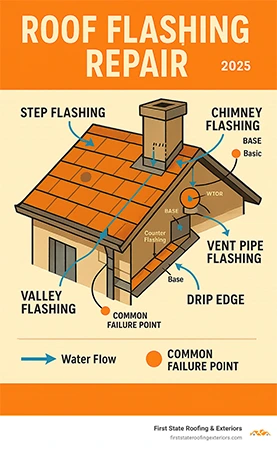
Securing loose flashing pieces stops wind-driven rain from penetrating behind chimney mortar lines. Simple seal adjustments keep harsh weather outside where it belongs.
Preventing Winter Ice Dams and Ventilation Issues
Poor attic ventilation traps warm indoor air against the underside of cold roof decks. Snow melts over warm upper roofing sections, then freezes at cold eaves to form thick ice dams.
Trapped ice forces melting water upward under shingle edges, creating ceiling leaks inside living spaces. Balanced soffit and ridge vents maintain consistent roof temperatures to stop ice buildup.
Adequate airflow prevents summer heat accumulation and reduces winter condensation risks inside attic spaces. Good ventilation keeps roof decking dry throughout every calendar month.
Scheduling Regular Reviews
You can inspect the roof from the ground as much as you want. But climbing onto steep or damaged surfaces can create serious safety risks. Professional roofers possess safety equipment to inspect dangerous peak areas without causing damage.
Experienced technicians identify subtle structural issues that untrained eyes miss during brief ground checks. Written inspection reports give clear action steps for handling minor repairs before major storms hit.
Establishing a scheduled maintenance plan protects home warranties and keeps maintenance costs predictable. Professional care keeps roof systems functioning smoothly through harsh winter blizzards and summer storms.
Conclusion
Before visible damage reaches inside the home, repair your roof. It’s considerably easier and usually less expensive. Routine care keeps overhead defenses strong and shields living spaces from costly weather damage. Spotting minor defects early avoids disruptive emergency fixes during storm seasons.
Taking action today protects household investments and keeps families comfortable year-round. Proper attention maintains reliable overhead protection for many seasons to come.
FAQs
How often should a roof be inspected?
Homeowners should visually check their roofing periodically and after severe storms.
What are the first signs of a roof leak?
Common warning signs include ceiling stains, damp insulation, musty attic odors, damaged or missing shingles, deteriorated flashing, and visible moisture around chimneys, vents, or skylights.
Can regular maintenance extend a roof’s lifespan?
Yes. Keeping gutters clear, repairing damaged materials, controlling moss, maintaining proper ventilation, and fixing minor leaks early can reduce deterioration and help roofing components last longer.