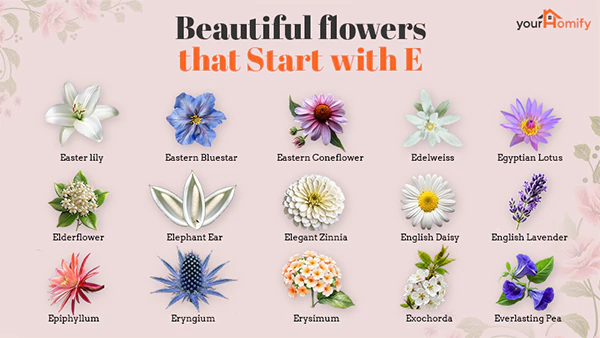
If you are new to this journey, dive in and explore the 45 flowers that start with an E, along with their features and growing conditions.
15 Herbaceous Flowers that Start With E: Popping Colours of Spring
Grown mostly as annuals, the delicate-stemmed flowers are known as herbaceous plants and are planted to add color to the garden.
Take a look at the herbaceous flowers that start with an E:
Easter Lily
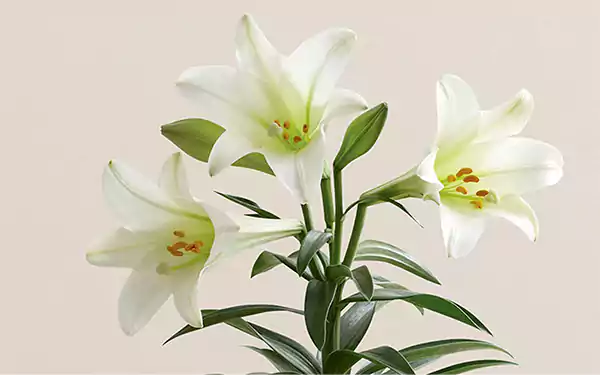
Similar to the Asiatic lily, this Easter flower is also part of the Liliaceae family. family. This herbaceous perennial is known to bloom its large trumpet-shaped flowers during late spring, closer to Easter, and hence is named so.
| Botanical name | Lilium longiflorum |
| Native | Japan and Taiwan |
| Hardiness | USDA zones 4-8 |
| Growth Requirement |
|
Echinacea purpurea
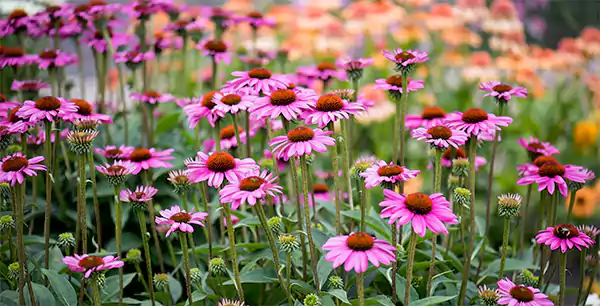
Also known as coneflower, this vibrant bloom has a spiky center that resembles a cone and is considered a deer-resistant flower popular as an ornamental bloom in gardens.
| Botanical name | Echinacea purpurea |
| Native | North America |
| Hardiness | USDA zones 3-9 |
| Growth Requirement |
|
Edulis Tulip
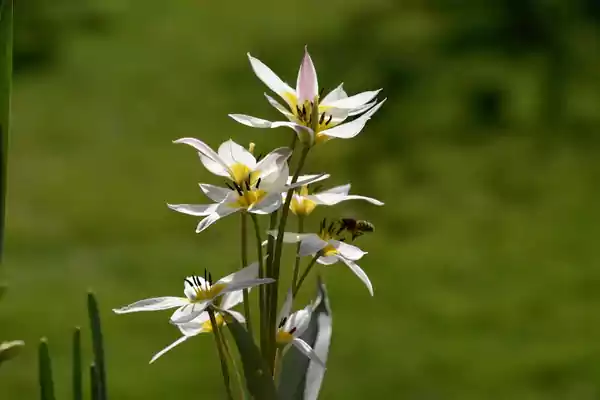
The edulis tulip is named so because the roots and leaves of the plant are edible only when prepared correctly. As per the research by NCBI, this perennial plant is effective against liver cancer cells in in vitro studies.
| Botanical name | Amana edulis |
| Native | East Asia |
| Hardiness | USDA zones 3-9 |
| Growth Requirement |
|
Easter Cactus
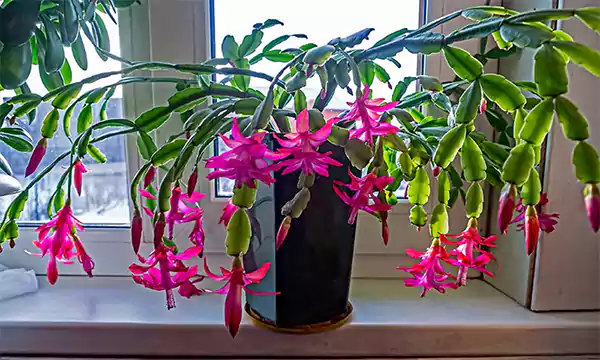
Like all types of cactus, the Easter cactus also belongs to the Cactaceae family and blooms in late spring. These epiphytes with pink flowers are best grown as indoor plants and can survive for more than 100 years.
| Botanical name | Rhipsalidopsis gaertneri |
| Native | Southeastern Brazil |
| Hardiness | USDA zones 10-12 |
| Growth Requirement |
|
Emilia
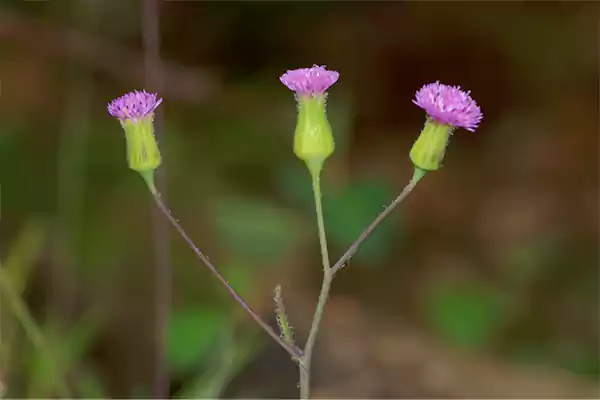
With small flower heads that resemble paintbrushes, the Emilia flower is also known as the tassel flower and is a summer flower from the Asteraceae family, like Zinnia.
| Botanical name | Emilia sonchifolia (L.) |
| Native | Asia and China |
| Hardiness | USDA zones 8-11 |
| Growth Requirement |
|
Enchanter’s Nightshade
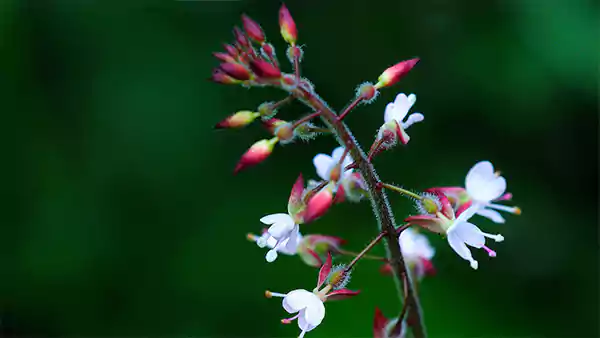
Contrary to the name, this wildflower belongs to the willowherb family and not the nightshade family. These small pink and white flowers are extensively found in woodlands and are home to various pollinating insects.
| Botanical name | Circaea lutetiana |
| Native | North America, Europe, and Asia |
| Hardiness | USDA zones 4a – 8b |
| Growth Requirement |
|
English Daisy
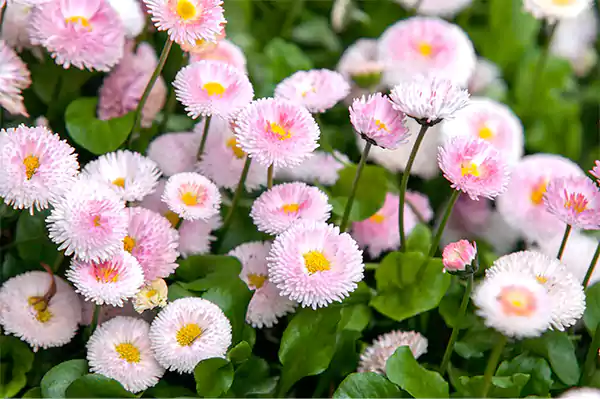
Popularly known as the common daisy, the round and delicate spring flowers are a garden staple and used in flower arrangements, but beware, they are not considered cat-safe flowers.
| Botanical name | Bellis perennis |
| Native | Europe, Northern Africa, and Western Asia |
| Hardiness | USDA zones 4-8 |
| Growth Requirement |
|
English bluebell
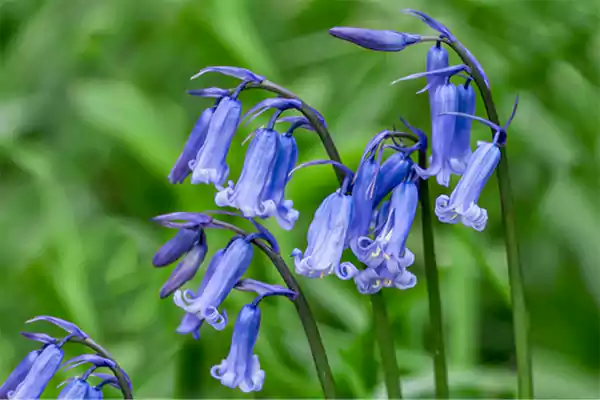
Although named as Hyacinthoides, the bluebell flower is not related to the hyacinth flower, as it belongs to the asparagus family. The bell-shaped flowers are commonly associated with the meaning of gratitude and resilience.
| Botanical name | Hyacinthoides non-scripta |
| Native | Europe |
| Hardiness | USDA zones 4-9 |
| Growth Requirement |
|
Edelweiss
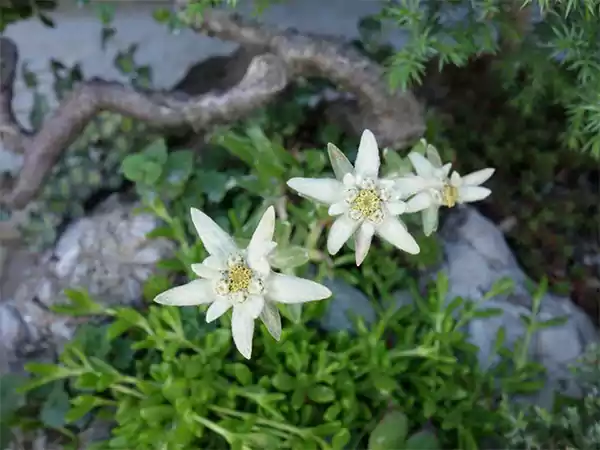
Also known as the “white lion’s paw,” the edelweiss is a star-shaped flower that has a woolly texture on its body that protects it from the harsh winters.
The Edelweiss is also considered a rare flower and is protected in many European countries.
| Botanical name | Leontopodium alpinum |
| Native | Asia |
| Hardiness | USDA zones 4-7 |
| Growth Requirement |
|
Eranthis
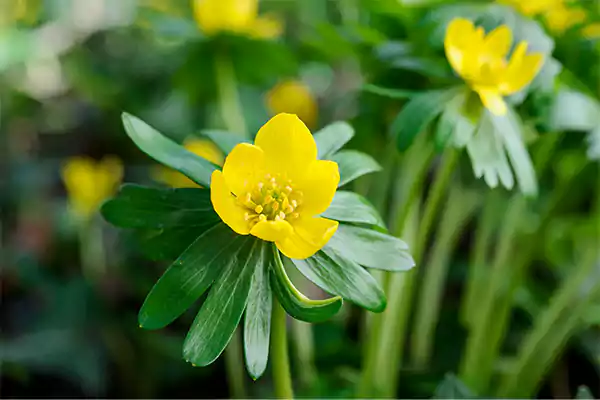
Eranthis are beautiful, yellow, cup-shaped flowers that resemble the true aconite, which is a purple plant. They bloom very early in January despite the snow and close their petals at night.
| Botanical name | Eranthis hyemalis |
| Native | Europe |
| Hardiness | USDA zones 5-8 |
| Growth Requirement |
|
Elecampane
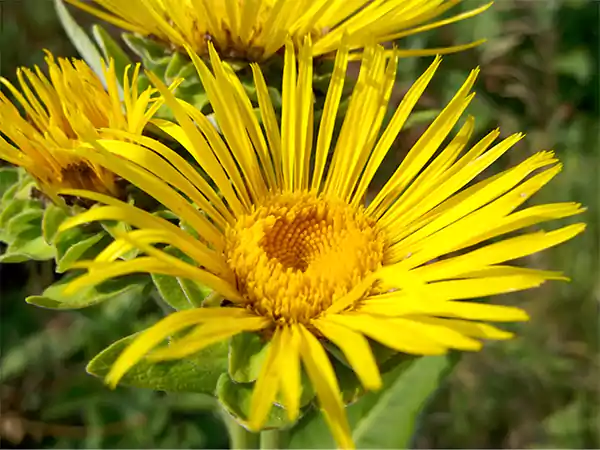
Very similar to the sunflower in its appearance, the elecampane is a large yellow flower with long, thin petals that belongs to the Asteraceae family, like the aster flowers.
| Botanical name | Inula helenium |
| Native | Eurasia |
| Hardiness | USDA 3-9 |
| Growth Requirement |
|
Evening primrose
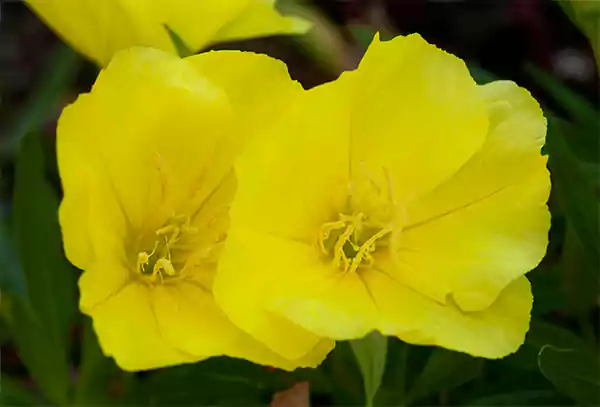
Evening primrose is a desert plant that features cup-shaped yellow flowers, which only open at night, hence the name. Apart from these distinct bloom times, these perennial flowers have a citrusy scent and are considered pollinator-friendly.
| Botanical name | Oenothera biennis |
| Native | North America |
| Hardiness | USDA zones 3-9 |
| Growth Requirement |
|
Eustoma
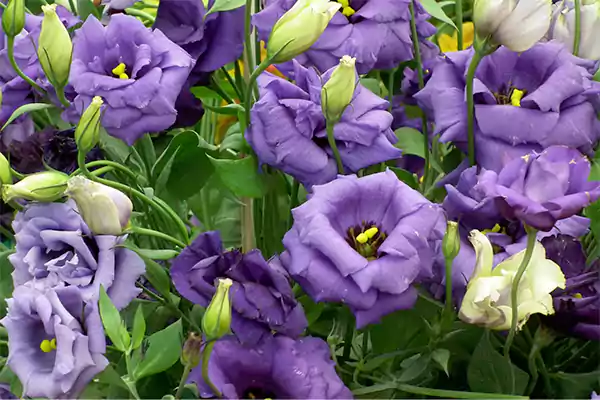
With their rose-like appearance, eustoma flowers are widely cultivated for their beautiful purple flowers that can also be single-petalled, which look a lot like the August birth flower, the poppy.
Also known as lisianthus, these flowers hold extreme ornamental value as a cut flower.
| Botanical name | Eustoma grandiflorum |
| Native | South America |
| Hardiness | USDA zones 8-10 |
| Growth Requirement |
|
Epimedium
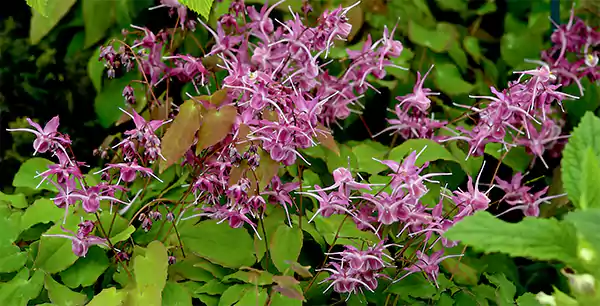
Also known as the barrenwort, the star-shaped flowers are perfect for the bleak corners of your garden, as they are naturally grown under the shadows of the tree.
Additionally, these shade plants with their pink blooms never leave the shaded part dull.
| Botanical name | Epimedium |
| Native | Asia |
| Hardiness | USDA zones 5-8 |
| Growth Requirement |
|
Echeveria Elegans
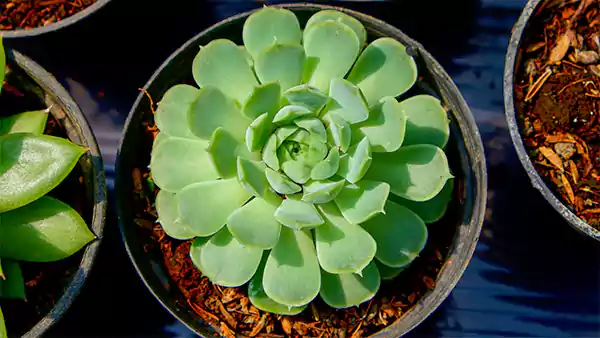
Popularly known as the White Mexican rose, this succulent belongs to the Crassulaceae family. Not only are these rosette-form leaves beautiful and lovely-looking indoors, but they are also really drought-tolerant, as the leaves store water.
Getting a succulent home is never a waste, truly!
| Botanical name | Echeveria elegans |
| Native | Mexico |
| Hardiness | USDA zones 9-11 |
| Growth Requirement |
|
15 Shrub Flowers That Start With an E: Year-Round Structure
Shrubs are plants with woody stems that are grown as perennials, meaning they come back every year in spring.
Take a look at the shrub flowers that start with E:
Euonymus
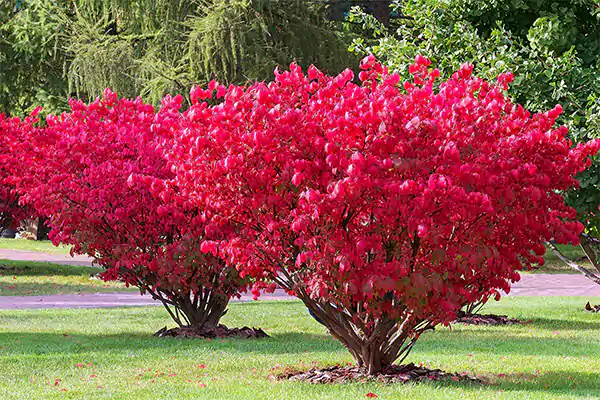
The euonymus shrubs are divided into deciduous and evergreen shrubs, and I have been a fan of the deciduous ones, as they turn this beautiful pink color in autumn that is hard to ignore.
Interestingly, these shrubs grow up to 15 feet, resembling a small tree, so the space looks filled up with minimal effort.
| Botanical name | Euonymus |
| Native | East Asia |
| Hardiness | USDA zones 4-9 |
| Growth Requirement |
|
Enkianthus
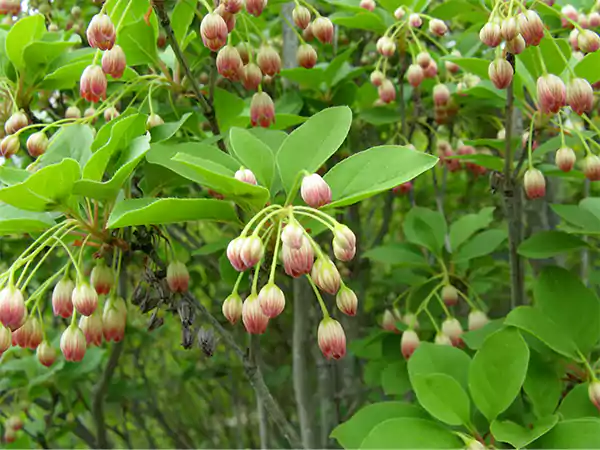
With growth as tall as 15 feet, the enkianthus shrub can also act as a small tree that grows hanging bell-shaped flowers in a creamy pink color, which are also known as “pregnant flowers” due to the double-layered blooms.
The bright green leaves are also worth attention, as they perfectly complement the flowers.
| Botanical name | Enkianthus |
| Native | East Asia |
| Hardiness | USDA 5-8 |
| Growth Requirement |
|
Edgeworthia
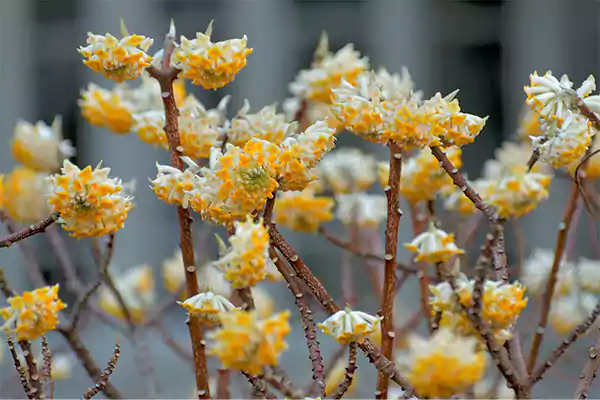
Part of the Thymelaeaceae family, the edgeworthia shrub features clusters of small tubular flowers and woody stems that are used to make paper, and therefore, they are also known as the “Paper Bush.”
| Botanical name | Edgeworthia chrysantha |
| Native | China |
| Hardiness | USDA zones 7-10 |
| Growth Requirement |
|
Elaeagnus
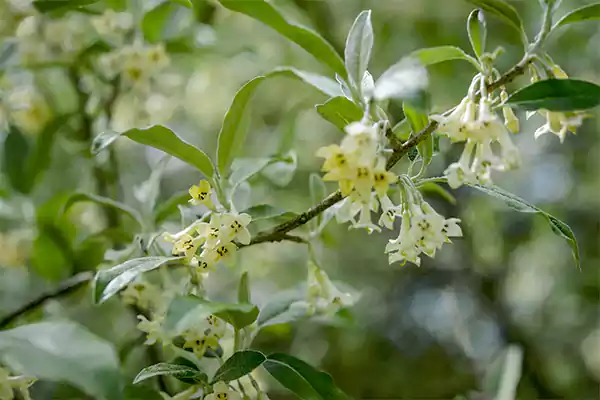
The elaeagnus plant is also known as a “superplant” because it has nitrogen-fixing abilities like the New Jersey tea plant. It grows small white tubular flowers and ovate green leaves.
In early to late spring, the shrub produces small edible berries, which are used to make jams and jellies.
| Botanical name | Elaeagnus |
| Native | Asia |
| Hardiness | USDA zones 3-9 |
| Growth Requirement |
|
Elsholtzia
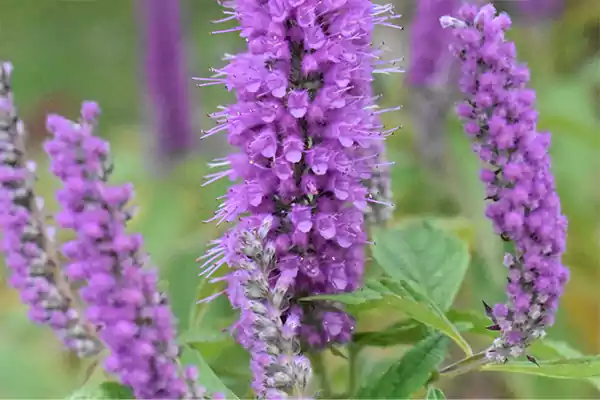
Elsholtzia is a plant genus in the mint family, which also includes plants like peppermint. Commonly known as the mint shrub, this highly fragrant plant has spiky purple flowers, similar to the English lavender.
According to research by the NCBI, Elsholtzia ciliata oil has muscle-relaxing potential.
| Botanical name | Elsholtzia |
| Native | Asia |
| Hardiness | USDA zones 5-8 |
| Growth Requirement |
|
Eurya
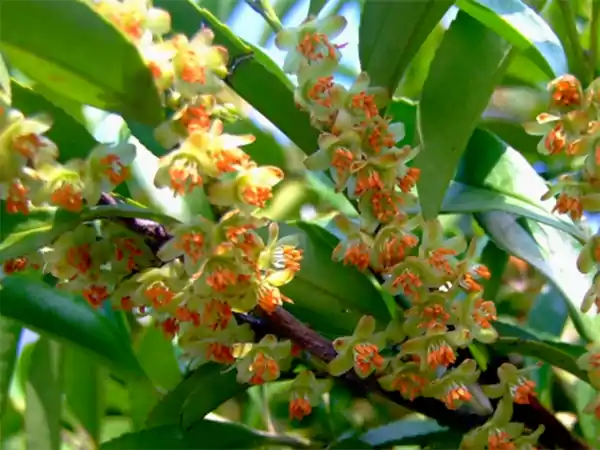
The eurya shrub was part of the tea family, like the red camellia, but now it is classified under the Pentaphylacaceae family.
Although mainly used for ornamental purposes, the eurya shrub is also considered sacred and associated with traditional rituals in Japan.
| Botanical name | Eurya |
| Native | East Asia |
| Hardiness | USDA zones 8-11 |
| Growth Requirement |
|
Elderflower
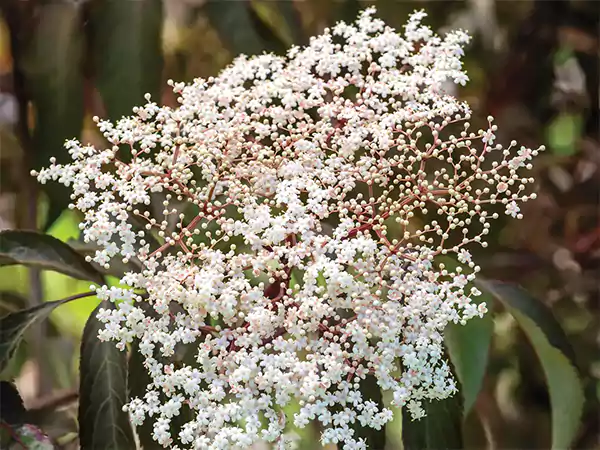
Elderflowers are not only a sight to behold due to their small white blooms, but they have also been used for their medicinal purposes for years now.
Research portals like NCBI have time and again validated the potential of elderflower for its nutritious components.
| Botanical name | Sambucus |
| Native | Europe, Western Africa, and North Africa. |
| Hardiness | USDA zones 5-8 |
| Growth Requirement |
|
English Lavender
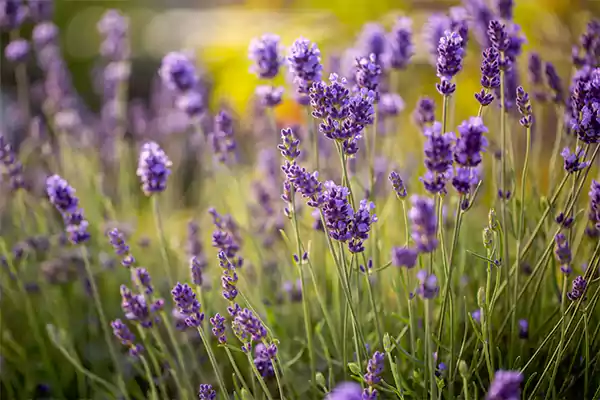
Widely used in aromatherapy, English lavender belongs to the mint family and is known for its spiky purple flowers and sweet fragrance.
Apart from filling the garden with its elegance, this shrub is also a mosquito repellent plant and was used as an antiseptic by the Romans.
They are pretty easy to grow and maintain as well.
| Botanical name | Lavandula angustifolia |
| Native | Mediterranean region |
| Hardiness | USDA zones 5-8 |
| Growth Requirement |
|
Epigaea
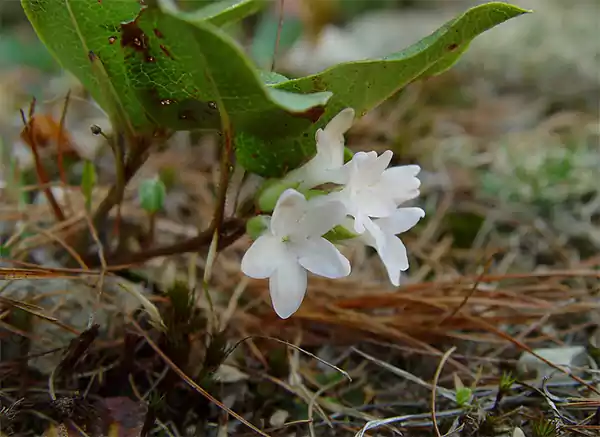
Same as the blueberry bush, epigaea belongs to the Ericaceae family and has a low-growing habit, and the small white flowers have a sweet fragrance that cannot be ignored.
Due to their creeping habit, they make excellent ground cover, like the creeping jenny plant.
| Botanical name | Epigaea |
| Native | East Asia |
| Hardiness | USDA zones 4-8 |
| Growth Requirement |
|
Euphorbia milii
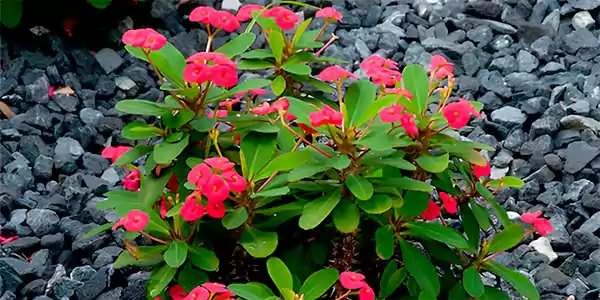
As per the Biblical reference, this plant is known as the Crown of Thorns because it was worn by Jesus during his crucifixion.
Additionally, it is considered a lucky plant in Thailand and known to bring prosperity to the owner’s house if it grows more than 8 flowers.
| Botanical name | Euphorbia milii |
| Native | Madagascar |
| Hardiness | USDA zones 9-11 |
| Growth Requirement |
|
Do you know?
The jade plant, which is a type of money plant, is also considered lucky in the Chinese tradition.
Erica
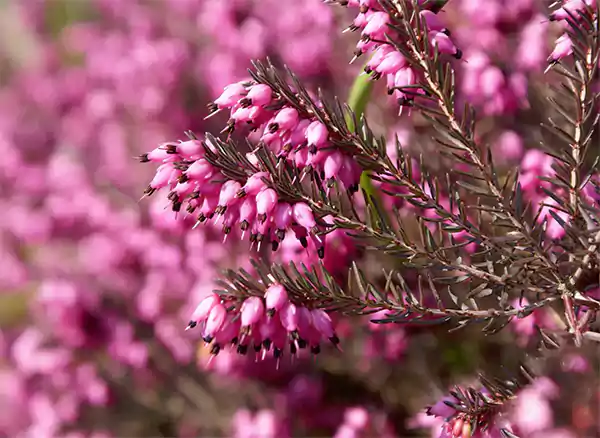
Popularly known as heath, Erica is a plant genus that has over 800 species of plants that bloom in colors ranging from purple to pink, white, and yellow.
The flowers in the Erica genus are mainly grown for their ornamental purposes in rock gardens, as they are also quite low-maintenance.
| Botanical name | Erica |
| Native | South Africa |
| Hardiness | USDA zones 5-7 |
| Growth Requirement |
|
Egyptian starflower
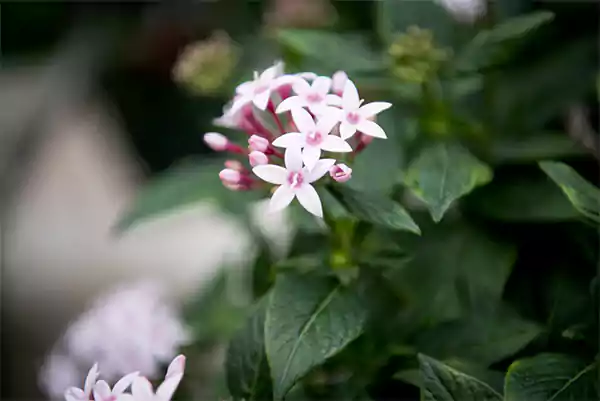
You can never go wrong with these 5-petal star-shaped flowers that have velvety green leaves, which are not only great for garden landscapes but also for indoor plants in balcony gardens.
Planting the Egyptian starflower is not a hassle, and it is also a pollinating magnet.
| Botanical name | Pentas lanceolata |
| Native | East Africa |
| Hardiness | USDA zones 10-11 |
| Growth Requirement |
|
Everlasting Flower
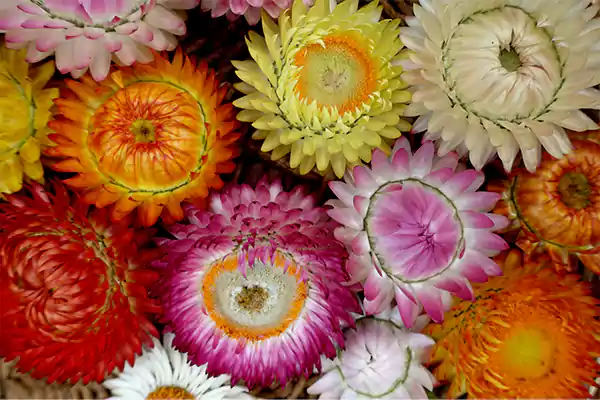
Also known as the straw flowers or the paper daisies, I have adored these flowers for so many years now. The sole reason is that their large and colorful blooms look great in flower arrangements for special occasions.
For their medicinal use, they are also used to extract oil to treat skin infections and inflammations.
| Botanical name | Xerochrysum bracteatum |
| Native | Australia |
| Hardiness | USDA zones 8-10 |
| Growth Requirement |
|
Echium
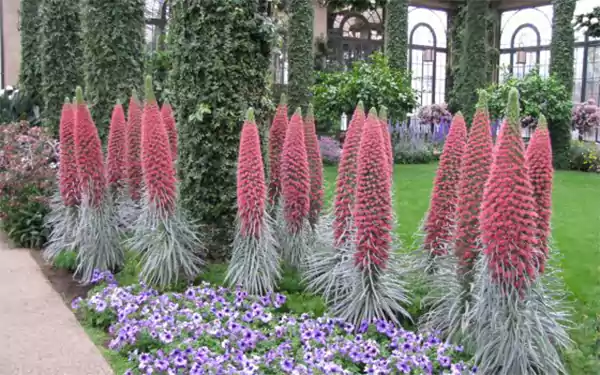
The tall, cone-shaped echium flowers in the colors pink and purple look perfect in pathways and lawns. Growing up to 8 ft tall, these shrubs are popular for being pollinator magnets.
| Botanical name | Echium |
| Native | North Africa, Europe, and Central Asia |
| Hardiness | USDA zones 9-11 |
| Growth Requirement |
|
Eve’s pin
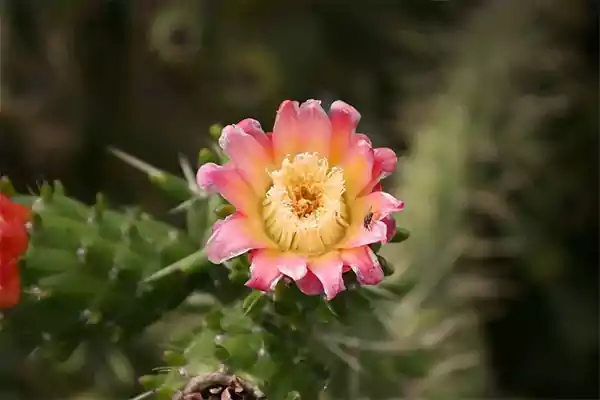
Belonging to the Cactaceae family, the eve’s pin is a type of cactus that grows cup-shaped red flowers. This flower is associated with the biblical reference as being used by Eve to sew, and hence the name.
Although used for landscaping purposes, they can also be grown as houseplants.
| Botanical name | Austrocylindropuntia subulata |
| Native | Peru and Bolivia |
| Hardiness | USDA zones 9-11 |
| Growth Requirement |
|
15 Tree Flowers That Start With the Letter E: A Long-Term Investment
Trees are the best long-term investment that takes a while to grow but provides a lifetime of flower and foliage shows.
Here are 15 tree flowers that start with the letter E:
| Image | Name and Description |
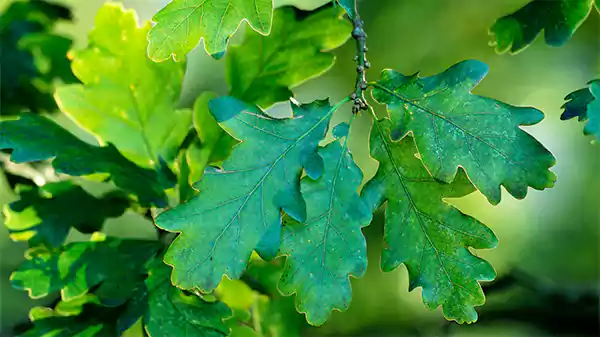 | 31. English Oak
|
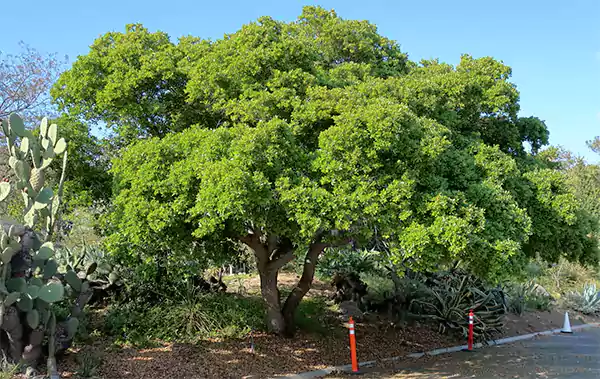 | 32. Escarpment Live Oak
|
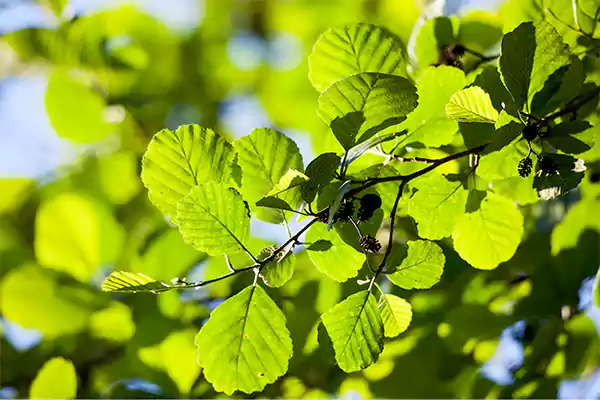 | 33. European Alder
|
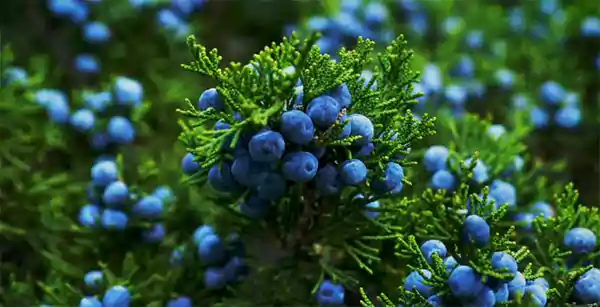 | 34. Enebro
|
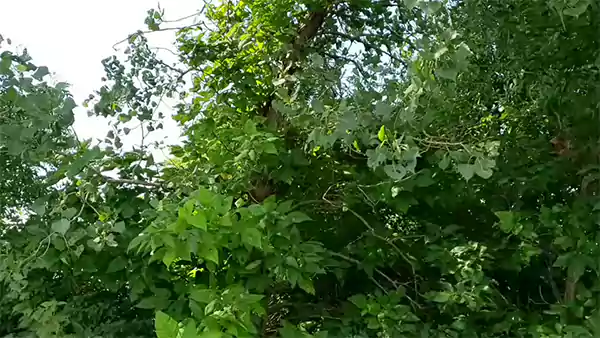 | 35. Eastern Cottonwood
|
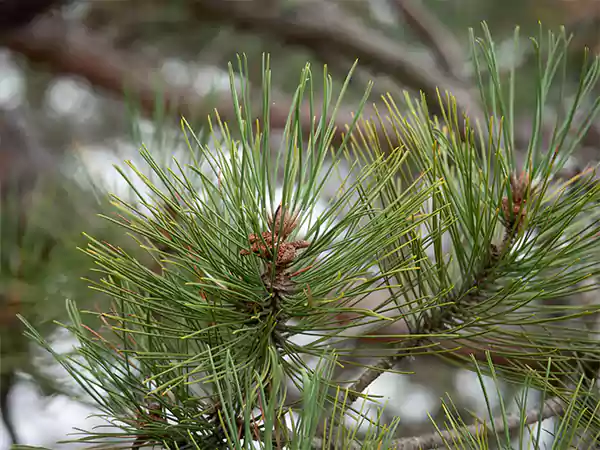 | 36. Eastern Red Pine
|
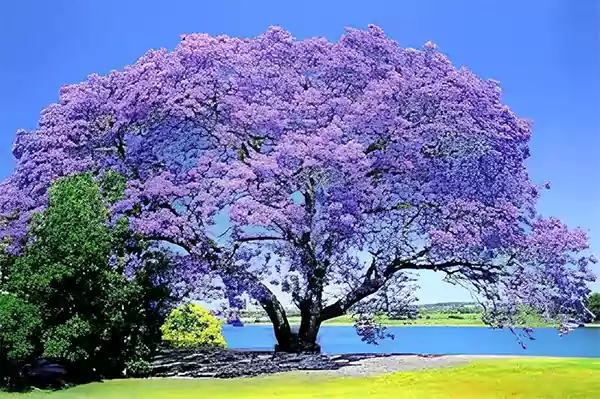 | 37. Empress Tree
|
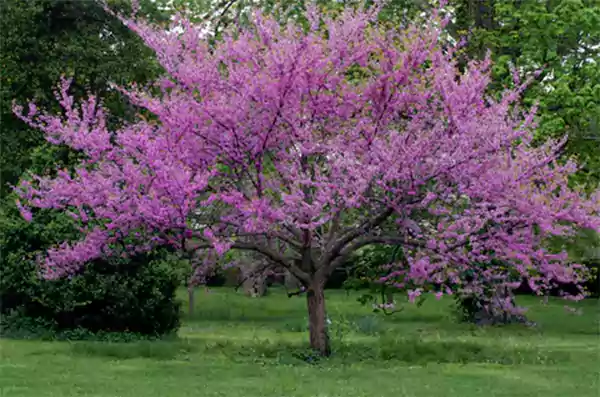 | 38. Eastern Redbud
|
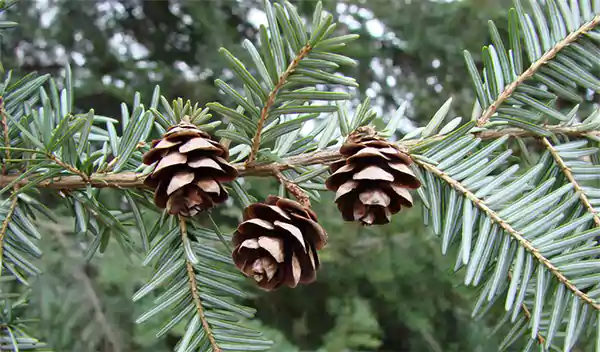 | 39. Eastern Hemlock
|
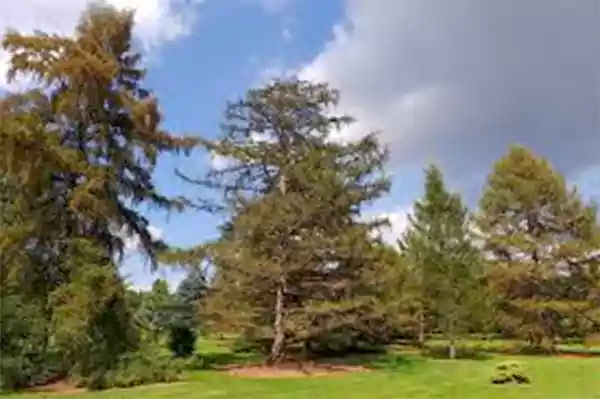 | 40. European Larch
|
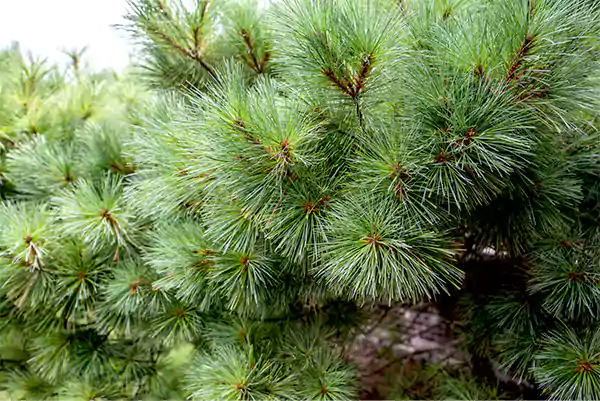 | 41. Eastern White Pine
|
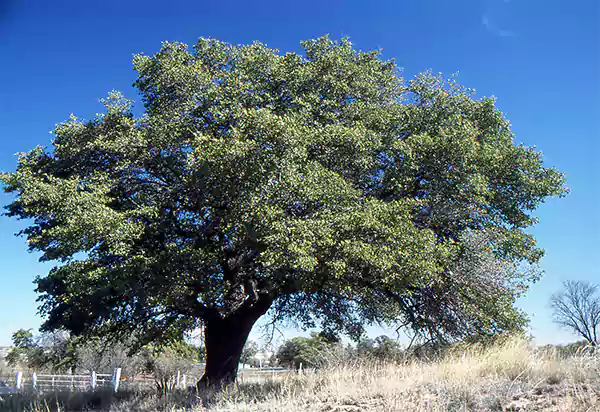 | 42. Emory Oak
|
 | 43. Engelmann Spruce
|
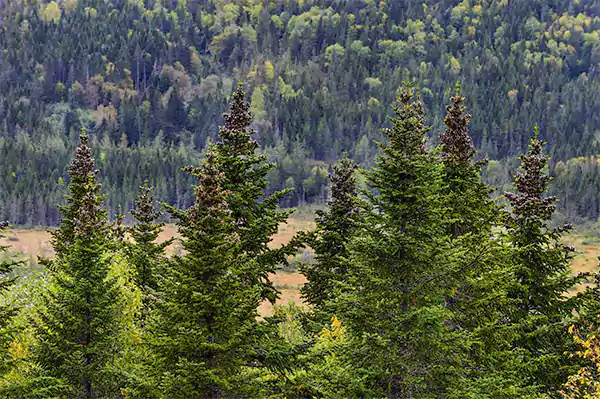 | 44. Eastern Fir
|
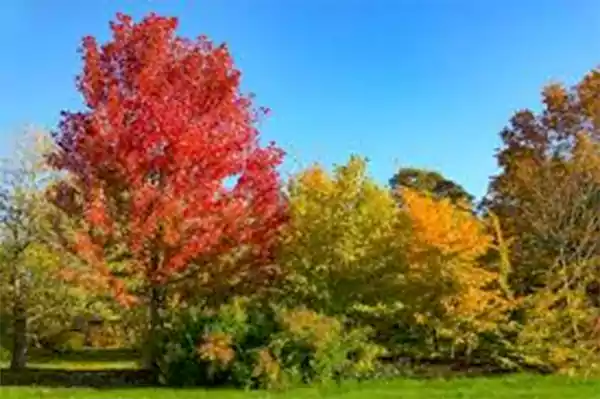 | 45. European Hornbeam
|
Concluding Remarks
No matter if you are an expert or a newbie gardener, some flowers never disappoint you, and the flowers that start with E do the same. I have been in awe of so many blooms that I have planted from this list.
Whether it’s a large outdoor lawn or a small balcony garden, these flowers fit in all garden styles perfectly, and there are no complaints when the variety is so wide.
Go ahead and bring some E-letter flowers home this spring!
FAQs
What are the shrub flowers that start with E?
Euonymus, Eurya, and English lavender are shrub flowers that start with E.
Are there any flowering trees that start with E?
Yes, English oak, empress, and Eastern fir are tree flowers that start with the letter E.
Is the everlasting flower a shrub flower that starts with an E?
Yes, the everlasting flowers are considered sub-shrub flowers that start with the letter E.
What are some deer-resistant flowers that start with E?
Echinacea purpurea is one of the deer-resistant flowers that start with E.
Which flower that starts with the letter E is considered cat safe?
Eustoma is considered a cat-safe flower.
Plants beginning with “E”—Burncoose Nurseries UK