A garden can change its character at any time of the day. The flower bed can fade into a dark strip, the old trees can change their shape, and the path that looked obvious at lunch suddenly needs a phone flashlight to look through.
Good landscape lighting can bring texture back to planting, give their seating some presence, and can easily help the garden connect with the house after the sun sets. It should make it easier for the people in the garden to understand it rather than making it bright.
The trick is all about self-control. This guide looks at where light can really earn its place, which fixtures suit different garden features, and how to keep the yard useful without turning it into a brightly lit hotel lobby at night.
QUICK ANSWER
You should always use the light as less as possible and only the amount that can solve the job easily for you. You should use it for things like lighting the paths, steps, seating, and at one or two things that you wish to focus on after dark. Keep fixtures low where possible, place them carefully, and use warm light with timers or controls.
Read the Garden Before You Choose the Lights
Before buying anything, you should walk in the garden at the time of dawn. The places that you see looking separate during the day time can be the darkest after sunset. A textured tree or line of grasses may become the most interesting thing in the yard if you try to make it a little elevated.
Start with the view from the house. And mark the paths people use; where do you prefer to sit? And which tree, wall, bed will look good and elevate your garden?
YourHomify’s gardening guidance takes the big view of design and care, including how you can build a healthy garden rather than simply add decorative features which might look basic. .
Test it after sunset. A torch will be more than enough.
1. Use Light to Guide the Eye
When daylight slowly fades, the best garden scheme and upliftment you can do is to create a good view for the eye rather than making every corner very bright.
2. Put the Light Where People Need It
Steps, paths, entrances, and changes in level all of these things deserve practical attention. The Royal Horticultural Society recommends keeping garden lighting low and directing it across paths and steps of the garden, while using warm tones and avoiding unnecessary light into the sky.
This approach might not completely light your garden but can make the garden look elevated.
3. Let Plants Carry Some of the Drama
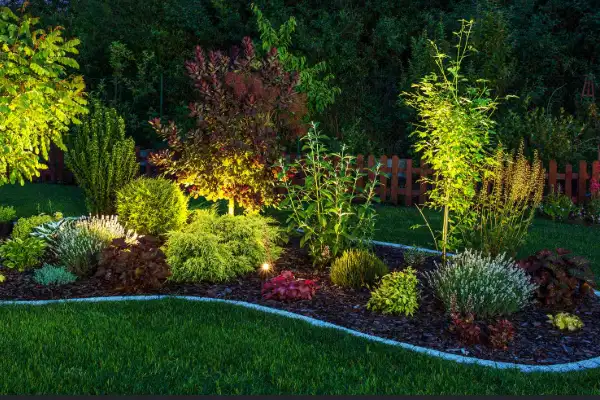
Backlighting grasses, grazing a textured wall, or lighting a tree from a low angle, and all of these can create extra depth in your plants. The RHS recommends choosing plants with interesting texture and using low-level lighting to reveal them after dark.
4. Match the Fixture to the Garden Feature
Once you know what each garden feature needs from the lighting, the fixture choice becomes much easier without a doubt because then you can buy flowers for your garden instead of the product name.
5. Paths and Steps
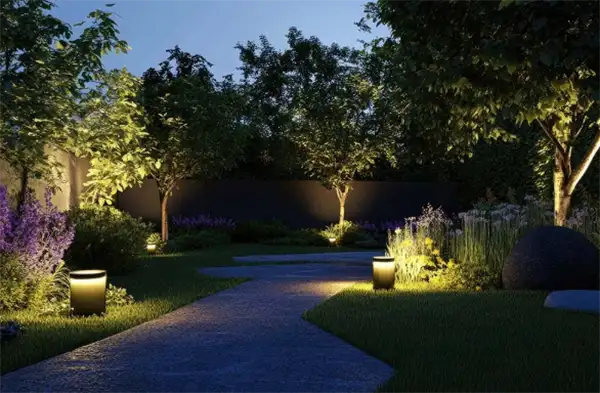
Path lights and low lights can show a route without creating much disturbance to your eyes.. Keep spacing relaxed enough that the path reads as one lit line rather than a runway that pokes your eyes and looks overdone.
6. Trees and Planting Beds
Spotlights might work well for individual trees, sculptures, grasses, or planting beds. You should move the source away from the plants and trees when possible and adjust the angle until leaves or bark show texture that looks good.
7. Seating and Garden Structures
Patios, pergolas, walls, and dining spots usually benefit from a softer layer. Wall lights, downlights, or concealed strips can make the area comfortable without shining into people’s eyes.
Dazuma’s landscape range includes path, bollard, spotlight, well, step, and other outdoor fixtures for gardens and exterior areas. (See Sources.)
Keep Night Lighting Gentle
More light is rarely the same thing as better light.
Artificial light should not be used as it is affecting both wildlife and the people The RHS reports says that the excessive lightning in the garden can disturb insects, bats, birds, and other activities done in night, and recommends keeping some areas dark, using warmer and lower-intensity light, and switching lights off when they are not needed.
Warm white light is easier to live with than harsh glare. Careful aiming can reduce spill, while timers or motion controls can keep lights from running all night. The U.S. Department of Energy notes that controls can also reduce energy use and operating costs. (See Sources.)
For mains-powered garden installations, follow local electrical rules. The RHS recommends using a registered electrician for mains garden lighting. (See Sources.)
1. Fit Lighting Around Real Garden Care
Because a garden changes with the seasons, the lighting plan should leave room for pruning, mowing, watering, mulching, and the routine work that keeps beds healthy.
Keep access clear around trees and beds, and protect cabling and connections as required by the equipment and local rules.
YourHomify’s garden-care materils helps you with taing a practical step to build your garden, with the aim of helping homeowners maintain a healthy, vibrant, and flourishing outdoor space without you needing a professional everytime your plants needs attention.
This matters in productive gardens too. YourHomify’s date-tree guide shows how much normal sunlight and watering needs still matter, so evening lighting should never replace proper growing conditions.
2. Build a Simple Lighting Plan
- Mark paths, steps, entrances, and seating.
- Pick one or two features to highlight.
- Decide where you want darkness to remain.
- Choose fixtures by task rather than appearance.
- Test angles at night before fixing everything permanently.
- Add timers or controls to match your routine.
Buy less. A sensible budget goes further here because a handful of well-placed lights can do more than a crowded row scattered around every bed.
The best test is simple: switch the system on, then remove one light. If nothing important changes, you probably did not need it.
Final Thoughts
After turning on every light, the garden should still feel like your own garden. A textured tree, a winding path, a low wall, or a quiet seating corner all of this can become a different experience after sunset.
You do not have to light everything. Leaving something and keeping it mystery for other people will increase the
Leave some mystery. A dark corner makes the lit one feel brighter, and the garden usually looks more natural because of it.
FAQs
Q1. What Is the Best Color Temperature for Garden Lighting?
Ans: Warm light is generally a comfortable choice for residential gardens, and the RHS recommends warmer hues to reduce impacts on wildlife and create a softer evening effect. (See Sources.)
Q2. Should Garden Lights Stay On All Night?
Ans: Usually, decorative lighting does not need to run continuously. Timers, sensors, or simple switch-off schedules can reduce unnecessary light and energy use. (See Sources.)
Q3. Where Should Landscape Lights Be Placed?
Ans: Start with paths, steps, entrances, seating areas, and one or two garden features. Then adjust the placement so the source is hidden where possible and the light falls where it is needed.
Q4. Do I Need an Electrician for Garden Lighting?
Ans: For mains-powered installations, local electrical rules apply and a qualified or registered electrician may be required. The RHS specifically recommends a registered electrician for mains garden installations. (See Sources.)
- Royal Horticultural Society — How to light your garden: https://www.rhs.org.uk/garden-design/how-to-light-your-garden
- Royal Horticultural Society — Garden lighting: effects on wildlife: https://www.rhs.org.uk/wildlife/garden-lighting-effects-on-wildlife
- U.S. Department of Energy — Purchasing Energy-Efficient Exterior Lighting: https://www.energy.gov/cmei/femp/purchasing-energy-efficient-exterior-lighting
- Dazuma — — landscape lighting
- Dazuma — — Dazuma Lighting
- YourHomify — — grow and care for harvest dates