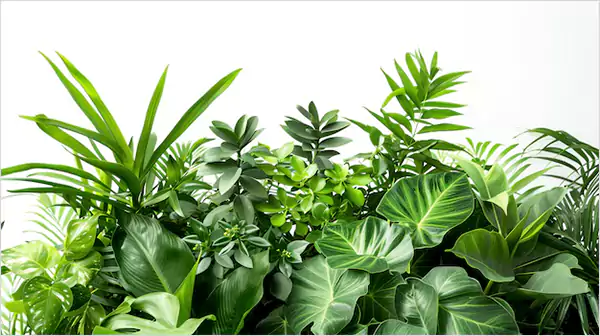
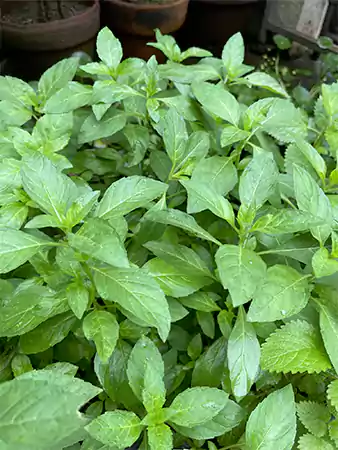
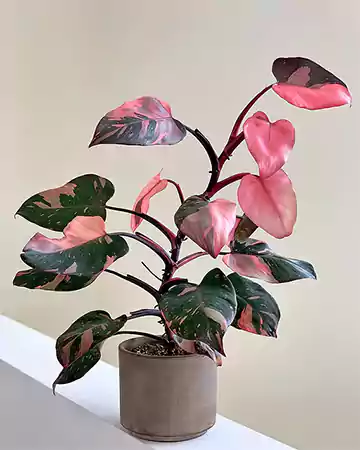
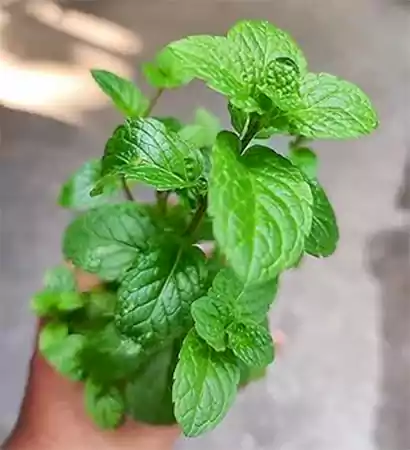
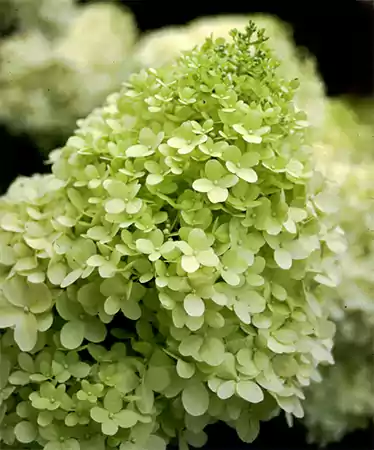
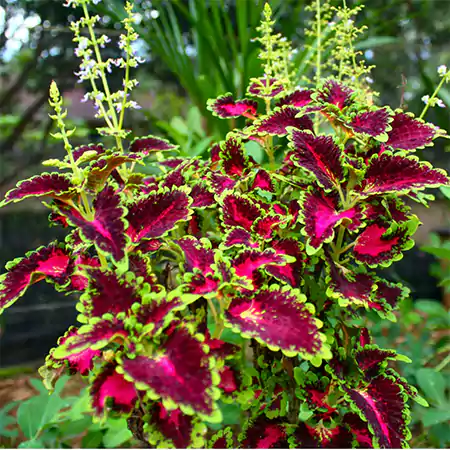
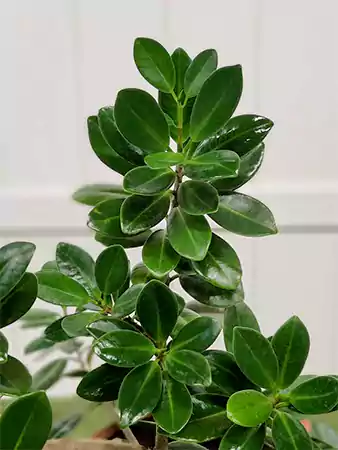
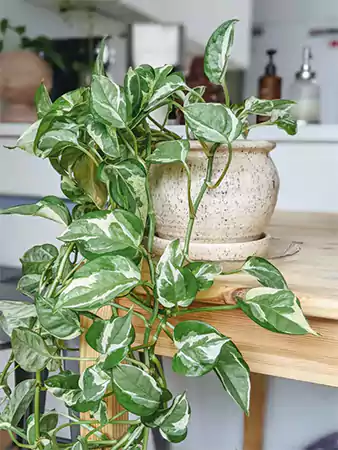
There is a saying that goes like, “Green plants are earth’s quiet way of breathing.” Agreeing to that, I believe that in this world of hustle and bustle, these green plants remind us of patience, hope, and that growth doesn’t announce itself; it is always silent but powerful.
Growing green plants is like having a friend around the house. It not only increases the aesthetic of your home or balcony garden, but also provides an overall positive vibe.
In this article, I will explain the different types, importance, and features of these plants.
Green Plants: Overview, Benefits, and Essential Things to Know
Green plants are considered the foundation of life on Earth. These plants contain chlorophyll and absorb sunlight, Carbon dioxide (CO2), and water from the environment to produce their own food by the process of photosynthesis.
They are autotrophs or self-feeders and play a fundamental role in the Earth’s ecosystem, and also enhance the air quality. These plants are also a key source of oxygen, which supports life on Earth.
Benefits or Uses of Green Plants
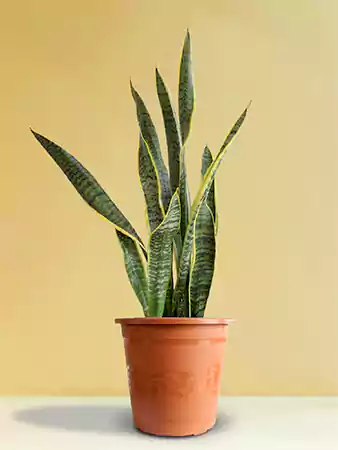
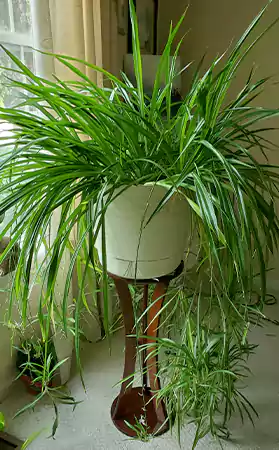
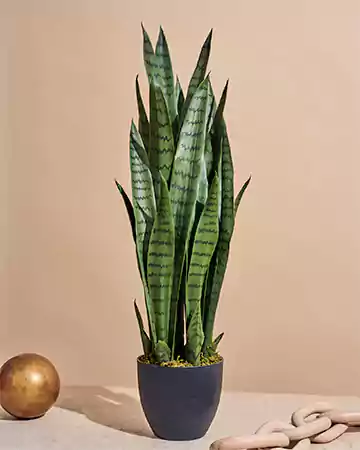
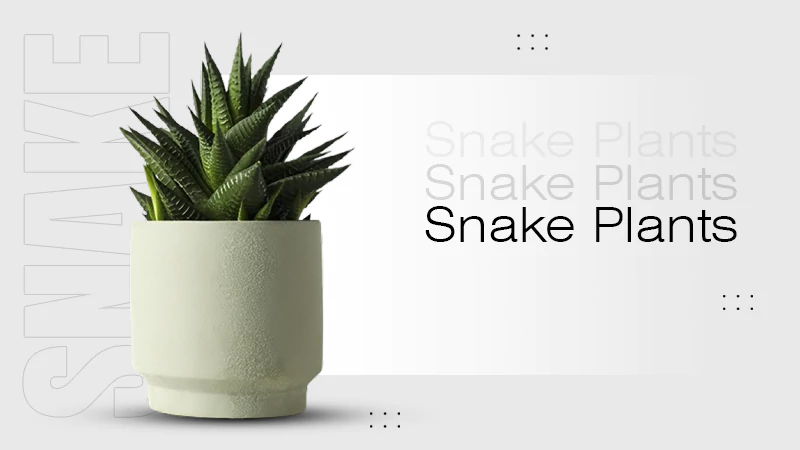
Facilitates Air Purification: Green plants such as snake plants, spider plants, etc., purify the indoor air quality by filtering harmful toxins like benzene and trichloroethylene from the air.
Nutritional and Medicinal Use: Some of these plants act as a primary food source, whereas others provide raw materials for medicines, such as aloe vera, tulsi, etc.
Uplifts Atmosphere and Aesthetic: These plants act as natural humidifiers and can decrease the outside noise, creating an aesthetically pleasing and vibrant space.
Things to Know About Green Plants
Green plants are autotrophic, eukaryotic organisms that use sunlight, water, CO2, and chlorophyll and transform them into energy.
These plants are important as they are the producers, which makes them the key aspect of the ecosystem. They filter the air, produce oxygen, and provide food and shelter to humans, animals, and insects.
The common types include: shrubs, herbs, trees, climbers, and creepers.
Key parts involve: Root, stem, leaves, flowers/fruits/seeds.
It works through the process of photosynthesis, by which they prepare their own food.
For beginners, it is best to start with the Snake Plants, Pothos, or ZZ Plants, as they are highly adaptable and tolerant.
The most common mistake is overwatering. People often overwater these plants, leading to root rot and eventually killing the houseplant.
Bonus Tip:Make sure to clean the dust off the leaves occasionally, so that they can breathe efficiently.
Types and Benefits of Green Plants
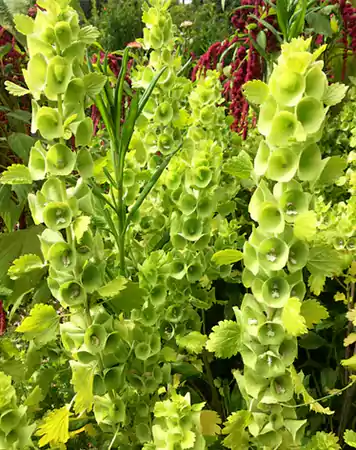
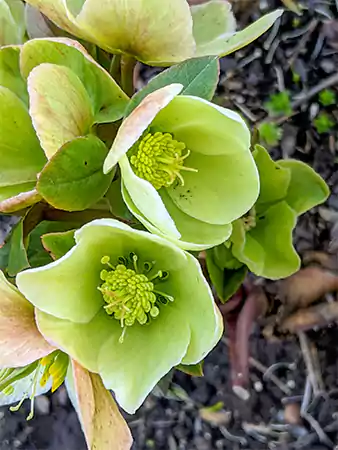
Green plants, also known as Viridiplantae, consist of herbs, shrubs, climbers, trees, indoor vines and creepers. They range from unicellular algae to large vascular plants. This category consists of various indoor plant varieties such as leafy vegetables, green flowers, medicinal plants, show plants, and so on.
It improves memory and enhances cognitive ability.
Contains antibacterial, antiviral, and antifungal properties.
Supports the immune system.
Contains anti-inflammatory and pain-relief properties.
Reduces hair loss and improves skin health.
Helps in proper digestion.
Facilitates reduction of stress and anxiety.
24.
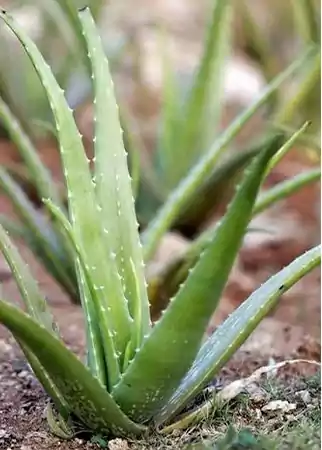
Aloe Vera
Provides intense hydration to the skin.
Helps to heal minor cuts, abrasions and burns.
Reduces acne and minimises scars.
It has anti-ageing properties.
Helps with gastroesophageal reflux disease (GERD).
Manages blood sugar level.
25.
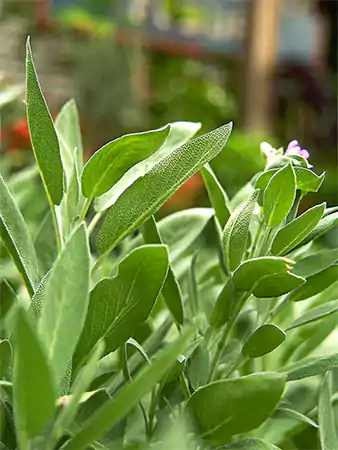
Sage
Improves memory and focus, and reduces the risk of brain degeneration.
Acts as a natural hormone balancer.
Manages blood sugar level.
Enhances oral and digestive health.
Contains a high level of antioxidants.
It is a good source of vitamin K, which supports bone density.
Did you know?
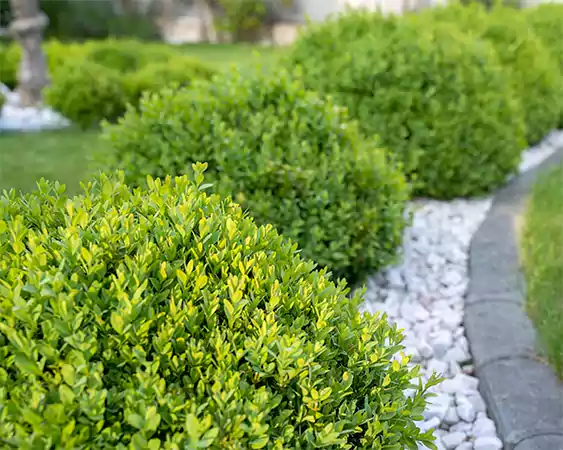
What is green velvet boxwood planting?
Green velvet boxwood planting is a compact, rounded, evergreen shrub known for its dense, deep-green, year-round foliage. These are best suited for borders, hedges, or foundation planting.
Benefits & Varieties of Artificial Green Plants
Artificial green plants are an imitation of the natural ones, which are used for indoor decoration. These artificial plants, although not as much as the original ones, also have a lot to offer when it comes to green aesthetics.
Benefits of Artificial Green Plants
Certain benefits of artificial green plants include:
These artificial plants are more cost effective as compared to the natural ones.
They require less maintenance. Only need to be dusted when there is dust piled up on the leaves.
You can get a large number of choices due to the availability of a vast range of artificial plants in the market these days.
The greenery provided by them can enhance the mood, morale, focus, and productivity.
Many people likegreenery but are allergic to plants; these artificial varieties can help in avoiding this issue.
Varieties of Artificial Green Plants
S.no.
Variety
Examples
Picture
1.
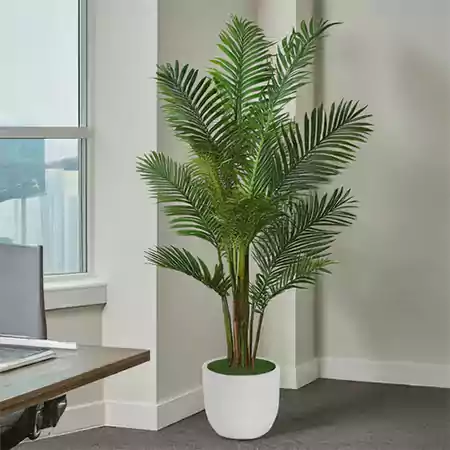
Tall Floor Plants
Artificial Areca palm, Fiddle Leaf Fig, Giant Banana plant, Olive tree, Bird of Paradise, and Coconut tree.
2.
Table Top or Shelf Plants
Mini potted succulents, ferns, artificial Bonsai (Bismarckia or Fiddle leaf), and Anthurium.
3.
Hanging and Trailing Plants
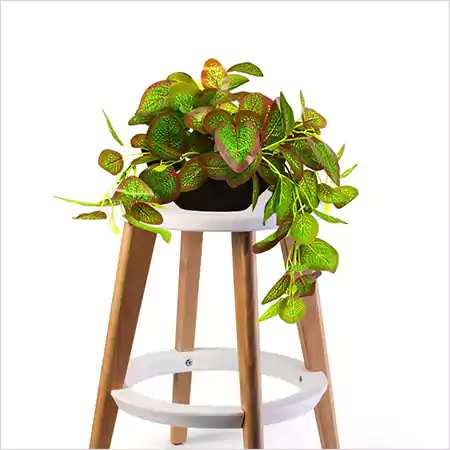
Artificial pothos, hanging Bougainvillaea, and ivy garlands.
4.
Specific Greenery Plant
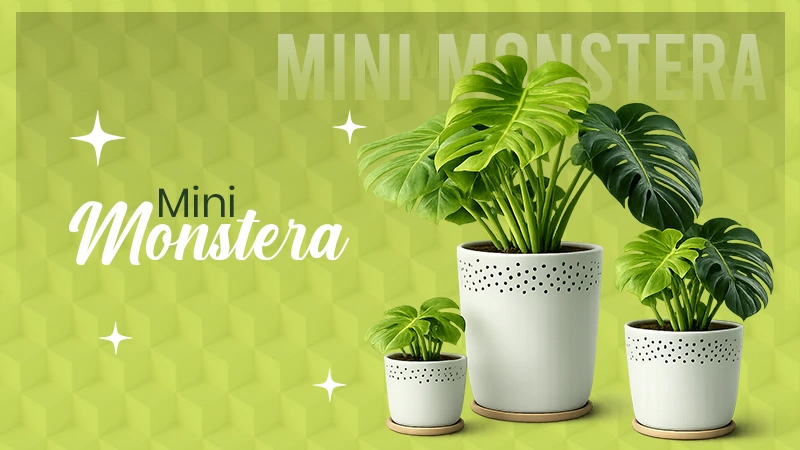
Artificial Eucalyptus stems, Sansevieria (Snake Plant), Monstera Deliciosa, and Croton.
Practical Examples or Applications of Green Plants
These plants are not just mere decoration, but have a number of practical examples and applications in our day-to-day life. Some of those include:
Environmental and Ecological Application: They act as excellent air purifiers, filter toxins, absorb CO2, and also control soil erosion.
Food and Nutritional Application: These plants are a great source of food, supporting all the living beings on Earth. Some of them also have medicinal properties that benefit health and cure many diseases,
Industrial and Raw Material Application: Many of these plants produce certain products that act as a raw material for clothes, ropes, bags, etc., facilitating the industrial market.
Health and Therapeutic Application: Green indoor plants in offices and homes can enhance focus, concentration, productivity, and reduce stress and anxiety.
Architectural and Design Application: Public parks, gardens, offices, and houses use these green plants to create an aesthetic appeal and a relaxing vibe throughout the place.
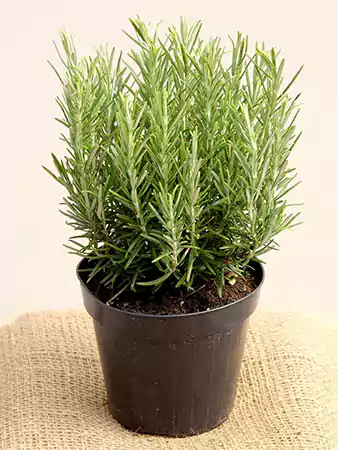
Advanced Application: Extracts for certain plants, such as rosemary, are used in “green chemistry” in order to produce nanoparticles.
Best Care Tips and Common Mistakes to Avoid
To grow and keep these plants alive for a long time, there are certain tips or practices that I would like to provide that can help in avoiding the most common mistakes.
Best Care Tips for Thriving Plants
Water early in the morning to let the foliage dry and prevent fungal growth.
Use a porous, nutrient-rich mix (such as 40% cocopeat, 30% compost, 20% perlite, 10% vermicompost).
Usually, indirect, bright light works the best for house plants, but for the best results, research your plant beforehand.
Clean the leaves of the plants regularly with a damp cloth to remove the dust particles.
Use organic fertilisers, rather than the chemical ones.
Repot every 12–18 months to provide fresh nutrients and space for roots.
Common Mistakes to Avoid While Growing Plants
Do not overwater, as it’ll lead to yellowing, mushy leaves, and root rot.
Avoid using improper, heavy or compact soil.
Make sure not to ignore proper drainage.
Over-fertilising can cause brown and burnt leaf edges.
Ignoring pests can be a huge mistake. Inspect the plants every week.
Too small pots can restrict the growth of the plants. Therefore, it is important to choose the right size of pots.
Overcrowding should be avoided, as it restricts airflow and nutritional access.
Use water at room temperature, instead of cold water, as it can shock the roots of the plants.
Clean the dust from the leaves from time to time, as it can clog the pores and cause difficulty in the process of photosynthesis.
Over-pruning or wrong pruning can be very harmful to the plants.
Conclusion
Green plants are self-sustaining and an essential part of the ecosystem. Acting as the primary food factory of our planet, they convert solar energy into chemical energy through the process of photosynthesis.
Green plants are crucial for our life as they provide oxygen, food, and environmental balance. Certain varieties also contain several medicinal and nutritional qualities, and are used to treat different sorts of diseases. Since they also offer us mental health benefits, eventually became an integral part of our daily lives.
Frequently Asked Questions
Why are plants green?
Plants are green because they contain a pigment called chlorophyll, which facilitates photosynthesis.
How to plant green onions?
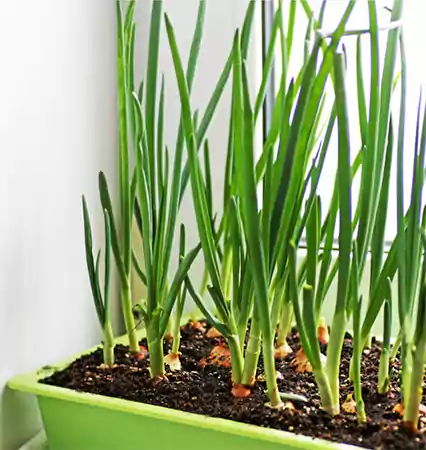
Green onions can be easily planted by placing root-end scraps, with 1–2 inches of white bulb attached, into a jar of water or directly into soil.
What are IKEA green plants?
IKEA green plants include a collection of affordable, real, as well as artificial plants, that come in different shapes, sizes, and varieties, enhancing the surrounding ambience.
Which plants are similar to green onions?
Chives, garlic chives, spring onions, leeks, and ramps are similar to green onions.
What is the process of growing green pepper plants?
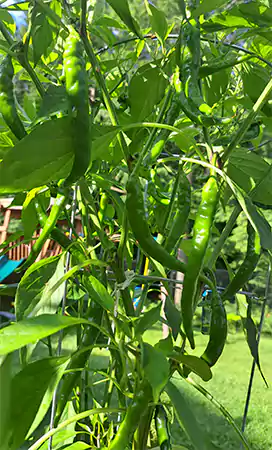
The process of growing green pepper plants comprises starting seeds indoors 8–10 weeks before the last frost, then providing them with high heat, i.e., 80-85°F, and then transplanting into full sun with well-drained, nutrient-rich soil once temperatures exceed 60°F. After that, wait for the seedlings to harden, water 1-2 inches on a weekly basis, fertilize them, and finally harvest them in 60-90 days.