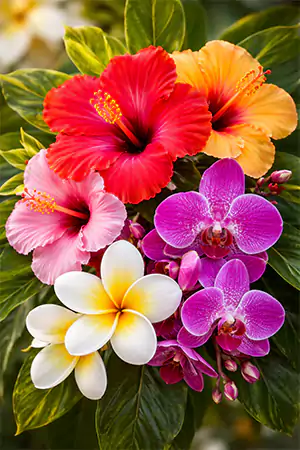
Hawaiian flowers are not just beautiful tropical blooms; they are also the carriers of culture, emotion, and tradition. They hold a special place in island culture, serving as symbols of love, affection, honor, and spiritual beliefs.
From lei to hula dance, native Hawaiian plants communicate different emotions without words. Furthermore, this article comprises 20 Hawaiian flowers with names and their significance. Explore the care guide of these botanical marvels and the importance of the Hawaiian state flower.
Top 10 Hawaiian Flowers That You Cannot Miss
Hawaiian flowers are typically known for their vibrant colors and the iconic cultural beliefs they carry with them. Here are the top 10 breathtaking and sweet-smelling Hawaiian blooms that you surely cannot miss exploring.
Plumeria
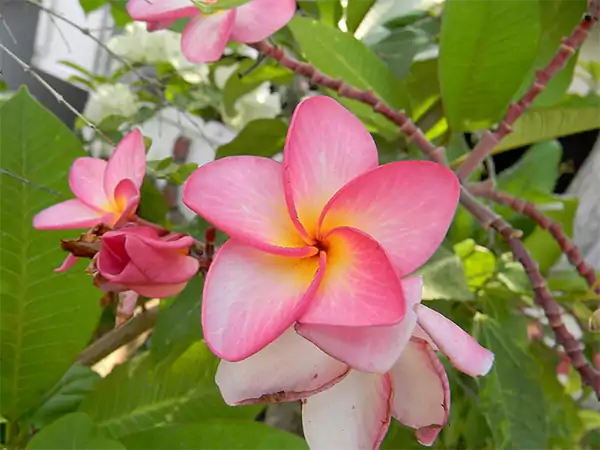
Plumeria, the Hawaiian flower, is loved for its wax-like, five-petaled blooms and tropical fragrance. It thrives in warm climates, blooms profusely in summer, and is available in white, yellow, pink, and red shades.
This pink flower is low-maintenance, drought-tolerant, and symbolizes love, positivity, and new beginnings.
| Key Facts | |
| Common Name | Plumeria, Frangipani |
| Botanical Name | Plumeria spp. |
| Hardiness Zone | 10-12 USDA |
| Native Place | Central America, Mexico, and the Caribbean |
| Plant Type | Deciduous tropical flowering shrub or small tree |
| Common Usage | Garlands, religious offerings, perfumes |
| Growth Requirements | Requires full sunlight, moderate watering, and a permeable soil type. |
Hibiscus
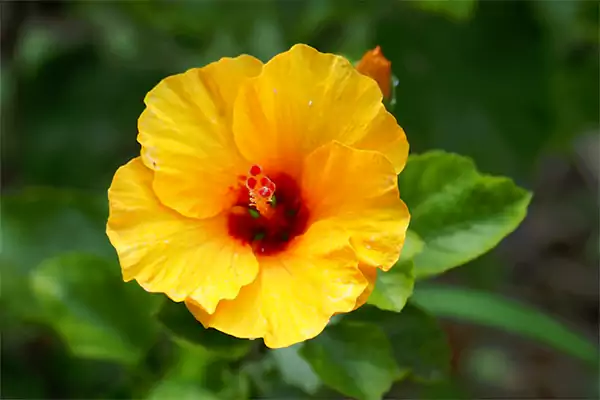
Hibiscus, also known as the Hawaiian state flower, holds a profound meaning and represents the rich history of its native land. Although the main bloom is mostly yellow, it grows in various colors.
Symbolizing love, friendship, and hospitality, the delicate petals of this tropical flower attract essential pollinators and enhance the aesthetic of any garden space.
| Key Facts | |
| Common Name | Chinese Hibiscus, Tropical Hibiscus, or China Rose |
| Botanical Name | Hibiscus × rosa-sinensis |
| Hardiness Zone | 9-11 USDA |
| Native Place | Depends on the species |
| Plant Type | Annual, perennial, woody shrub |
| Common Usage | Ornamental, dried petals are used to make herbal teas or add flavor to savory dishes. |
| Growth Requirements | Thrives in a sunny climate with regular watering. Grows best in fertile and moist soil, but not waterlogged. |
Pikake (Jasmine)
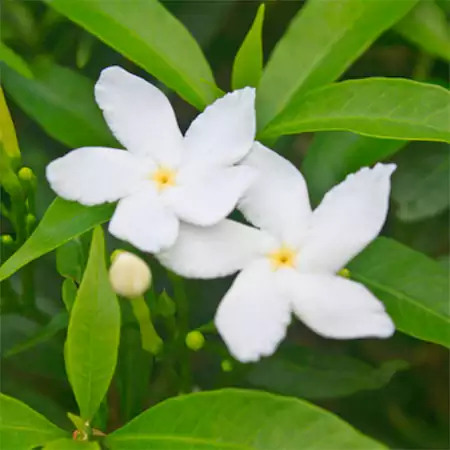
Pikake (Jasmine) is one of the most popular Hawaii flowers. Belonging to the olive family, there are many types of jasmine flowers, and these fragrant blooms are mainly used for ornamental purposes. The bushy structure of the genus adds a visual effect to any garden space.
Pikake flowers symbolize love and romance, often given on special occasions to express affection to a partner.
| Key Facts | |
| Common Name | Arabian Jasmine or Sambac Jasmine |
| Botanical Name | Jasminum sambac |
| Hardiness Zone | 9-11 USDA |
| Native Place | Tropical Asia |
| Plant Type | Evergreen woody shrub |
| Common Usage | Primarily used to make scents and essential oils, also planted in containers for decorative purposes. |
| Growth Requirements | Full and direct sun exposure is necessary for high yield, moderate watering, and fertile soil works best for the genus. |
Lokelani (Damask Rose)
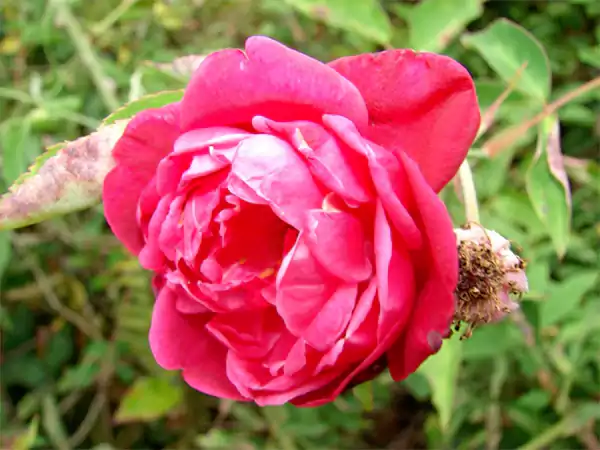
The Lokelani, or Pink Damask Rose, is one of the most elegant flowers of Hawaii. Known for its sweet fragrance and delicate pink blooms, the genus is associated with Queen Liliʻuokalani and is said to represent dignity and strength.
“Lokelani” actually means “heavenly rose” and is a key flower to create Hawaiian leis. Similar to the Rose of Sharon, the petals of the genus have anti-inflammatory properties and are often used to make calming skincare products.
| Key Facts | |
| Common Name | Damask Rose, Damascus Rose, Rose of Castile, Summer Damask |
| Botanical Name | Rosa × damascena |
| Hardiness Zone | 5-9 USDA |
| Native Place | Mostly grown in the Middle East |
| Plant Type | Deciduous shrub |
| Common Usage | Extensively used to produce rose water and rose oil for skincare. |
| Growth Requirements | At least 6 hours of direct sunlight with regular watering and fertile soil type. |
Anthurium
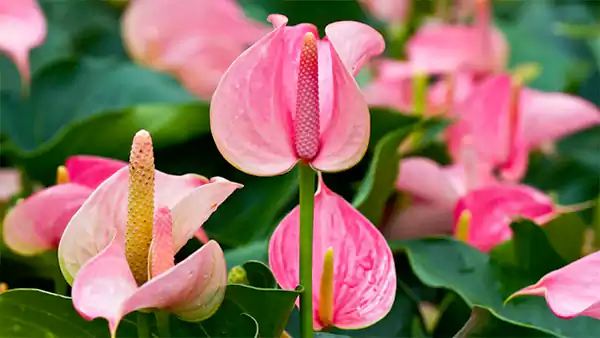
Anthurium, a stunning Hawaiian flower that starts with A, is valued for its heart-shaped blooms. The waxy and vibrant petals make the genus a popular low-light indoor plant, enhancing the aesthetic of any living space.
Found in astonishingly different colors, Anthurium signifies hospitality, love, and happiness. These are mainly used as housewarming gifts, as the species is said to bring abundance and prosperity.
| Key Facts | |
| Common Name | Flamingo flower, Tailflower, Laceleaf |
| Botanical Name | Anthurium andraeanum |
| Hardiness Zone | 10-12 USDA |
| Native Place | Tropical regions of Hawaii |
| Plant Type | Evergreen, epiphytic perennial |
| Common Usage | Used as a houseplant for decorative purposes |
| Growth Requirements | Bright, indirect sunlight works best for the plant with moderate watering. The soil should be fertile and well-draining. |
Bird of Paradise
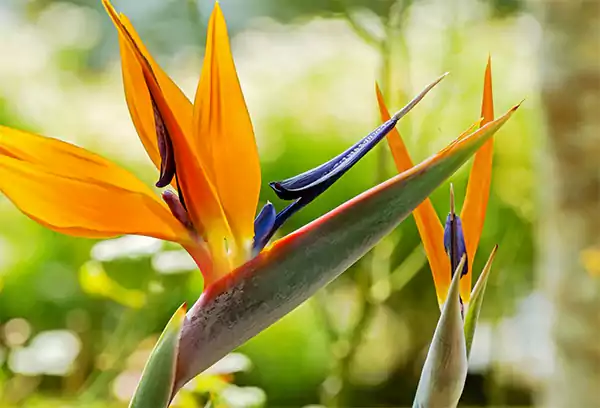
One of the most stunning Hawaiian flowers, the Bird of Paradise, is a breathtaking species that not only brings drama but also joy and serenity. The tropical plant is named for its unique blooms resembling a bird in flight.
With an exotic appearance, symbolic beauty, and rich cultural significance, the genus is widely grown as a houseplant.
| Key Facts | |
| Common Name | Crane Flower |
| Botanical Name | Strelitzia reginae |
| Hardiness Zone | 10-12 USDA |
| Native Place | South Africa |
| Plant Type | Evergreen perennial |
| Common Usage | Popular ornamental houseplant for a tropical look |
| Growth Requirements | Indirect sunlight is needed with moderate watering. The soil should be organically rich and well-draining. |
Ten Cent Flower
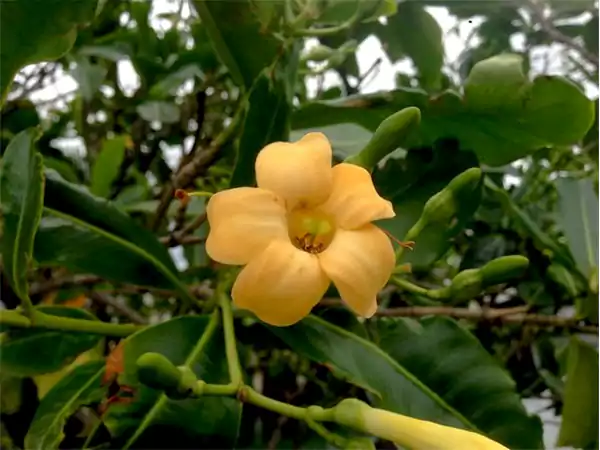
The Ten Cent Flower is a tropical ornamental bloom that is prized for its unique fragrance and color-changing blossoms. One of the most cherished plants in Hawaiian culture, the genus is mainly planted to add a pop of color to any garden or living space.
Used to make garlands or for other decorative purposes, this bellflower is exceptionally sweet and memorable.
| Key Facts | |
| Common Name | Pua Kenikeni, perfume flower tree |
| Botanical Name | Fagraea berteroana |
| Hardiness Zone | 10-12 USDA |
| Native Place | South Pacific Islands |
| Plant Type | Small evergreen shrub |
| Common Usage | The blooms are commonly used to make leis, perfumes, or scented oils. |
| Growth Requirements | Grows best in full sunlight or partial shade with moderate watering and fertile soil type. |
The Queen of the Night
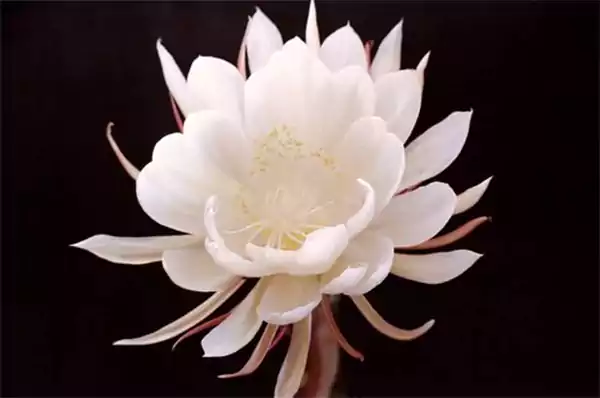
The Queen of the Night is one of the most exquisite Hawaiian blooms and can only be spotted under moonlight. This rare flower is a symbol of luck, prosperity, and abundance. Not only is it easy to grow, but the aromatic white flowers also attract essential pollinators.
Perfectly suited for the Hawaiian climate, when the flowers bloom at midnight, they create a mesmerizing view.
| Key Facts | |
| Common Name | Orchid Cactus, Night Blooming Cereus |
| Botanical Name | Epiphyllum oxypetalum |
| Hardiness Zone | 9-11 USDA |
| Native Place | Southern Mexico, Central and South America |
| Plant Type | Epiphytic Cactus |
| Common Usage | Mainly used as an ornamental houseplant in hanging baskets. |
| Growth Requirements | It thrives in partial shade; direct sun exposure can damage the leaves of the genus. Grows best in sandy, well-draining soil with average watering. |
Heliconia
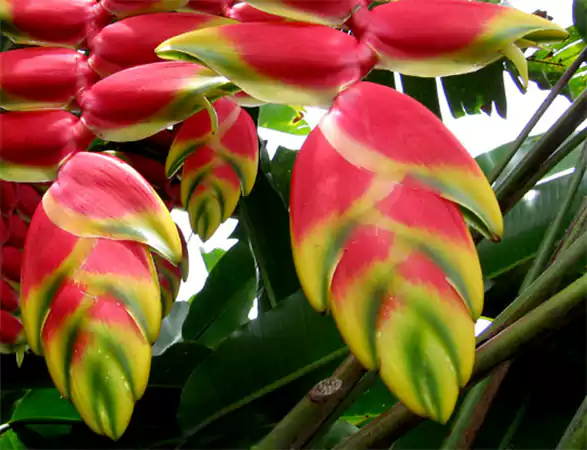
Heliconia, also known as Lobster Claws, is a Hawaiian beauty and an ornamental hanging plant that tends to transform dull walls into aesthetic corners. The vibrant red, waxy petals resemble a parrot’s beak, and the bright-green bracts create a stunning contrast in any garden space.
Due to its unique structure and leathery leaf texture, this bloom tends to attract many useful pollinators. Mostly grown as a container plant, Heliconia is also found in other bold colors like orange, yellow, pink, and green.
| Key Facts | |
| Common Name | Lobster Claw, Parrot’s Beak, False Bird of Paradise |
| Botanical Name | Heliconia spp. |
| Hardiness Zone | 8-11 USDA (depends on the species) |
| Native Place | Tropical America |
| Plant Type | Herbaceous Perennial |
| Common Usage | Landscape plant, container plant, and houseplant. |
| Growth Requirements | A minimum of six hours of direct sunlight is needed. Water the soil regularly to keep it consistently moist. Grows best in fertile and permeable soil type. |
Okika (Wild Orchid)
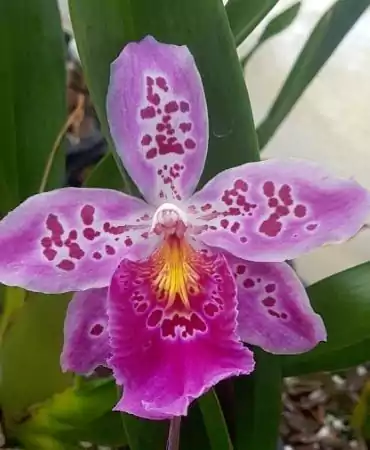
The term Okika typically refers to various hybrid orchids. These are mostly easy-to-grow and are widely appreciated for their unique-looking foliage. According to the BBC, Rhizanthella gardneri, also called the Western Underground Orchid, is the rarest Okika and truly a botanical marvel.
This beloved flower from Hawaii is mainly used for ornamental purposes, especially to make leis. Also gifted to represent love, affection, and elegance, Okika, specifically the blue orchids, adds a pleasing touch to any garden space.
| Key Facts | |
| Common Name | None |
| Botanical Name | Depends on the species, but belongs to the Orchidaceae family. |
| Hardiness Zone | 10-13 USDA |
| Native Place | Tropical areas of Hawaii |
| Plant Type | Tropical Perennial |
| Common Usage | Floral gifts, leis, landscaping |
| Growth Requirements | Grows best in bright, indirect sunlight with abundant watering. Be sure to use a well-draining soil type. |
Each plant has a unique appearance and a profound meaning. They all have different care guides, but what they share is how elegantly they embody the island’s culture.
Explore Some More Astonishing Hawaiian Plants
Given below is an extended list of some alluring Hawaiian plants that you surely cannot miss. Let’s explore some fascinating facts about each of them.
| Serial No | Flower Name | Description |
| 1 | Hawaiian Gardenia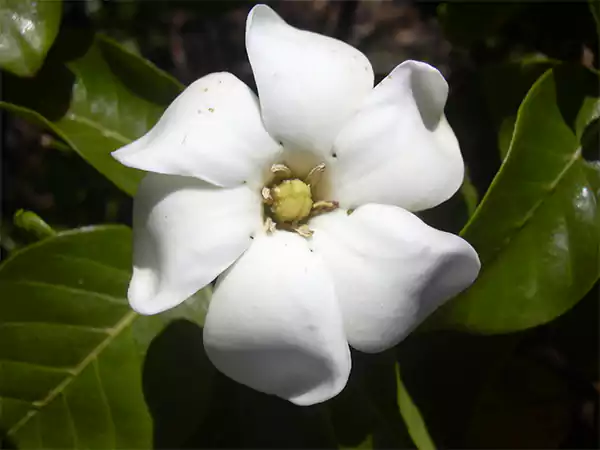 |
|
| 2 | Blue Ginger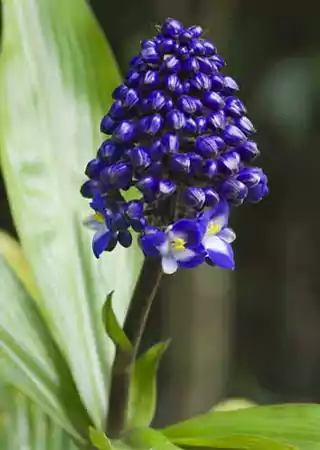 |
|
| 3 | Naupaka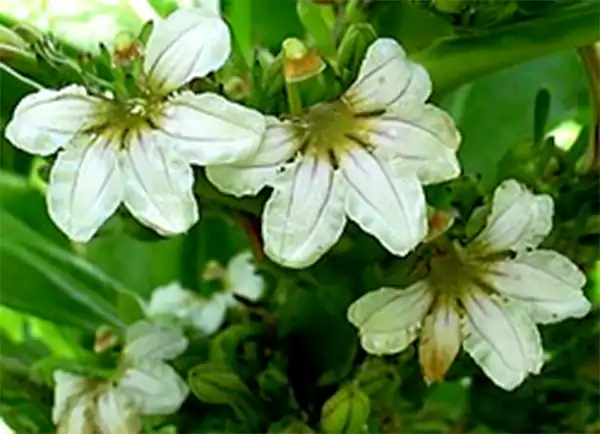 |
|
| 4 | Hawaiian Maple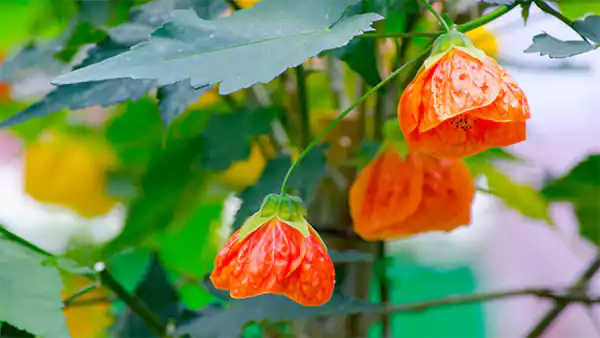 |
|
| 5 | Mamane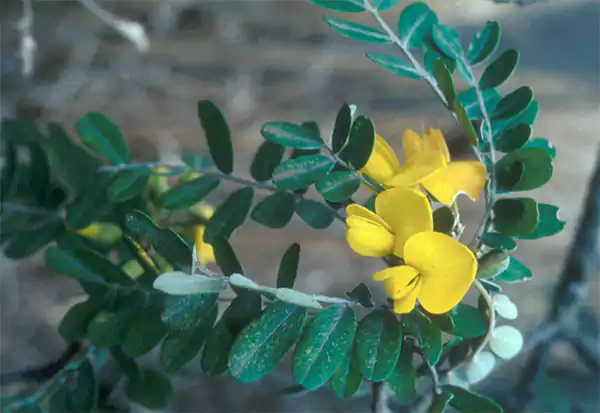 |
|
| 6 | Bougainvillea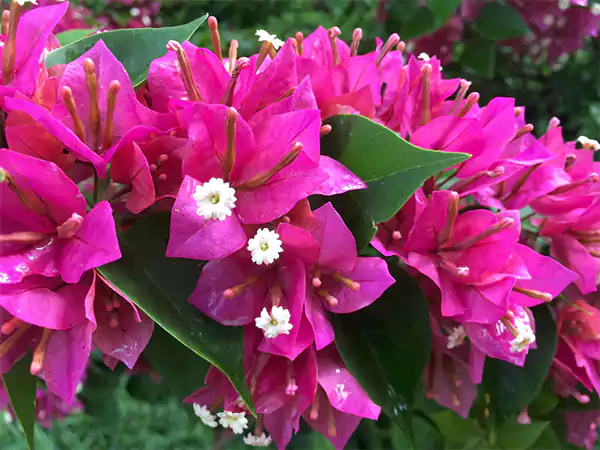 |
|
| 7 | Dwarf Poinciana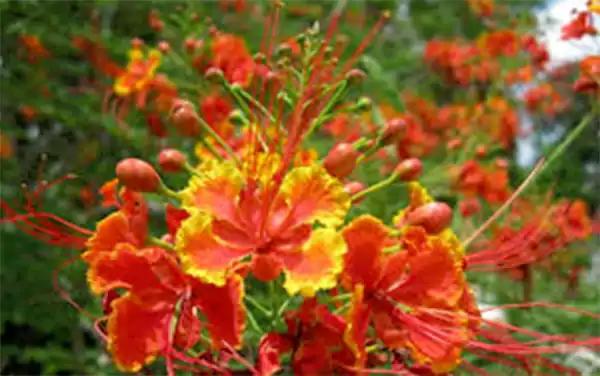 |
|
| 8 | Linden Leaf Rosemallow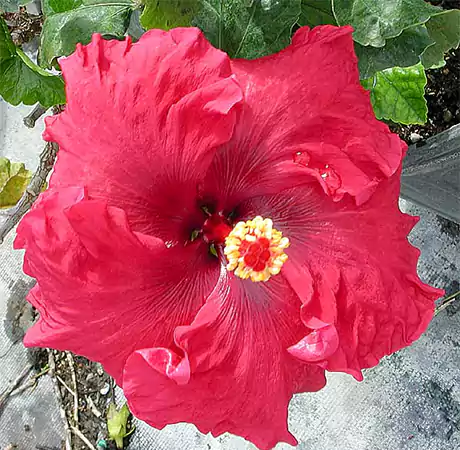 |
|
| 9 | Torch Ginger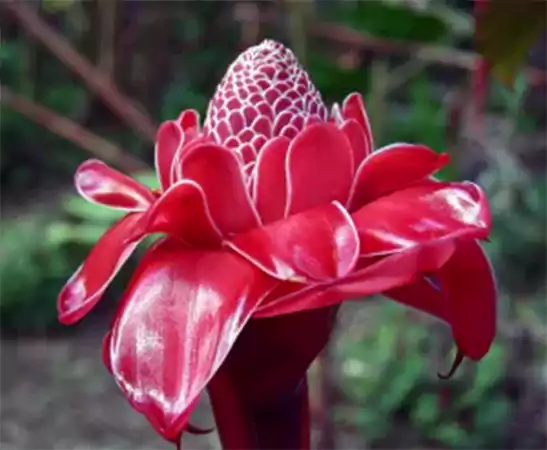 |
|
| 10 | Uki Uki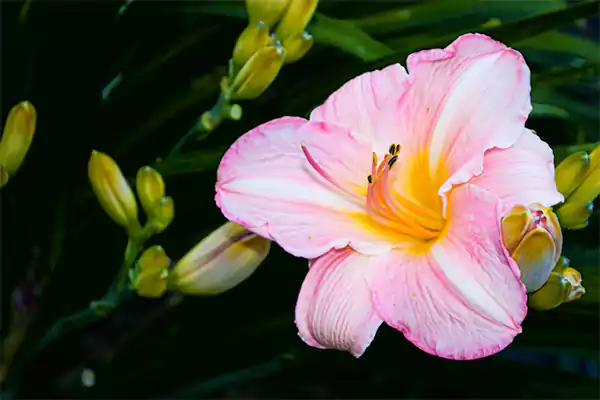 |
|
What is the State Flower of Hawaii?
The yellow hibiscus is the official state flower of Hawaii. Botanically called Hibiscus brackenridgei or Maʻo hau hele, the genus is said to be a symbol of the heritage and beauty of the island state.
- Moreover, the Hawaiian hibiscus flower is an endangered species, native to the islands, and grows naturally in dry forests and coastal areas.
- It is a tropical flowering plant appreciated for its large, delicate petals and bright yellow color with a deep red center.
- Speaking of the significance, the hibiscus holds deep cultural, emotional, and symbolic value in Hawaii. It represents beauty, strength, warmth, and the spirit of living.
- In Hawaiian culture specifically, the bloom is often worn behind the ear, on the left to show someone is taken, and on the right to show they are single.
In essence, the Hawaiian state flowers are more than just elegant blooms. They tell a story of simplicity and cultural respect, portraying the perfect reflection of Hawaii.
What is the True Meaning of Hawaiian Flowers?
If you have ever visited Hawaii, you may remember the warm sunshine on the beaches or the delicious food, but what’s completely unforgettable are the Hawaiian flowers.
With profound significance, these islands are known for their floral usage on different occasions. They are not just worn for beauty; each placement and usage communicates a message.
Below is a clear table explaining the true meaning of the bloom depending on its usage.
| Placement | Meaning |
Flower Behind Right Ear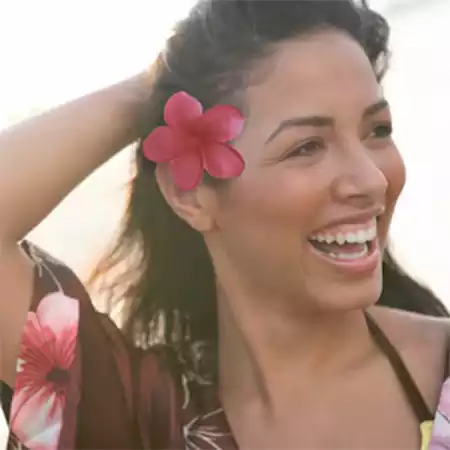 | Indicates the person is single and open to a relationship. |
Flower Behind Left Ear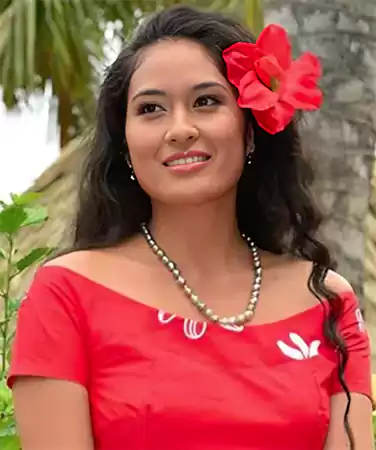 | Means the person is taken or married. |
Flower on Both Ears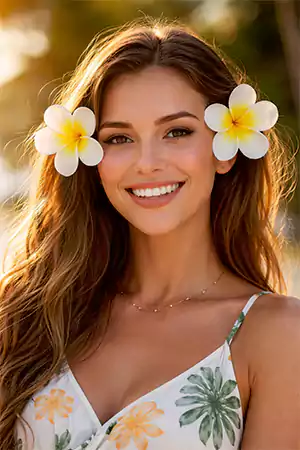 | Either signifies the person is widowed/separated or represents confidence and celebration. |
Leis (Garlands) | Often given to welcome guests, show affection, or honor someone. Typically used in major life events like graduation ceremonies or wedding functions. |
Worn on the Head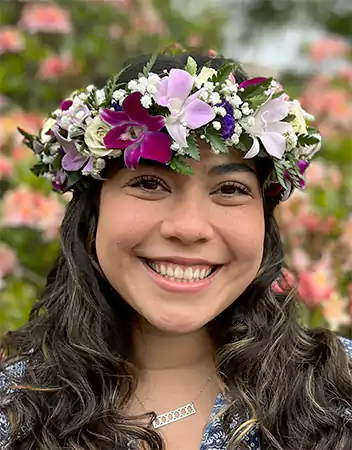 | Represents beauty, femininity, joy, and respect, often worn during celebration or hula dance. |
One can simply say that in Hawaii, the blooms are a language of emotions. Where, when, and how they are worn—all carry a unique meaning.
Conclusion
Hawaiian flowers beautifully represent the island life. They show how culture, traditions, emotions, and spiritual beliefs can co-exist, all represented by the same blooms.
From being used as an offering at sacred places to being grown for ornamental purposes, these botanical marvels are an interesting part of the Hawaiian culture. Whether it’s the delicate plumerias or the vibrant hibiscus, the essence of these blossoms is something you’ll cherish forever.
FAQs
What is the traditional flower of Hawaii?
The traditional and official state flower of Hawaii is the Yellow Hibiscus. Locally called Ma’o hau hele, the bloom represents unity, beauty, and peace.
What are some of the most famous flowers of Hawaii?
Some of the most famous Hawaiian flowers are Hibiscus, Plumeria, Bird of Paradise, and Gardenia.
How do you preserve Hawaiian leis?
For short-term preservation, you can gently mist the flowers, and for long-term preservation, either use silica gel or resin.
What is the flower rule in Hawaii?
The flower rule in Hawaii is to wear the bloom behind the ear to show the current relationship status. Wearing it behind the left ear means you are taken/married, and wearing it behind the right ear indicates you are single and open to a relationship.
What do you mean by the spirit of Aloha?
The spirit of Aloha is basically a Hawaiian philosophy of living life with respect, compassion, love, and calmness.