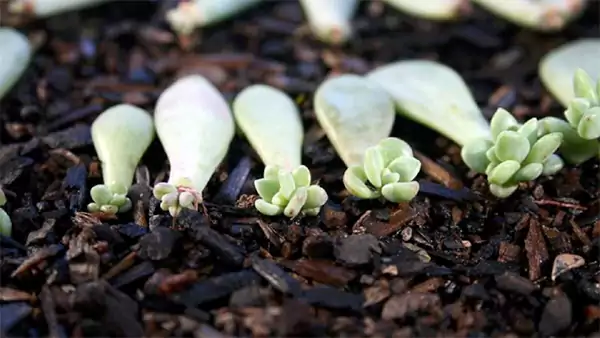
When I first learned how to propagate succulents, it felt like complete plant magic. How one small leaf turned into a whole new plant truly amazed me. I have always been a fan of terrarium plants, and now that I discovered that I can multiply any succulent with just a few easy steps, it has become my new hobby!
Furthermore, the process is also easy and calming for anyone who enjoys mindful gardening. Therefore, in this guide, I have shared a few simple, beginner-friendly ways to propagate succulents without stress or any fancy garden tools.
What is Plant or Succulent Propagation?
In simple language, succulent propagation is the process of creating new plants from the existing “mother plant”. While in general, plant propagation includes seeds (sexual reproduction), succulent propagation is uniquely famous due to the asexual process.
According to me, propagating succulents from leaves or stems is a simple and low-cost way to multiply these species while keeping the new plant genetically similar to the parent plant.
Fun Fact
Because propagation uses the parent’s tissue, the new sapling is not just a baby plant; in fact, it is an exact clone, which is identical to the mother plant.
The process of propagation works well because of the nature of succulents. They store water in their leaves and stems, helping them survive while the new roots develop.
Furthermore, I think that this method is popular among gardeners because it is beginner-friendly, rewarding, and ideal for expanding a succulent collection without much effort.
How to Propagate Succulents? What are the Different Methods?
If you are confused about how to propagate a succulent, then let me tell you that there is more than one method. All the various processes are rewarding ways to enhance your collection from an existing one.
I find these methods perfect for beginners, as most of the succulents are hardy and need very little care while developing roots and baby plants.
While on my quest to explore? Below are some of the most common and effective propagation methods explained in simple terms.
Leaf Propagation of Succulents
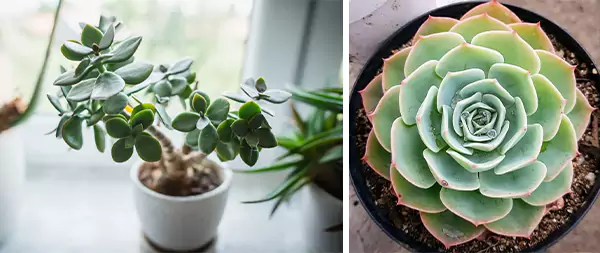
- I use this method for succulents with thick and fleshy leaves. Gently twist a healthy, mature leaf from the base of the stem to get an entire leaf.
- Allow the leaf to dry on a paper towel for 3-5 days until the ends of the bract form a scab or callus.
- Place the calloused leaf in a container filled with well-draining, fertile, and moist soil. I usually push the base of the leaf gently into the soil for fast root development.
- Mist the leaf lightly every few days, and soon you will notice new roots and a baby plant emerging from the base.
This procedure works best for Echeveria, Sedum, and Jade Plant. I was also advised to use a rooting hormone powder to encourage faster germination. Once I notice that the baby plant is well-established, I immediately transfer it to a larger pot.
Propagating Succulents via the Stem Cutting Method
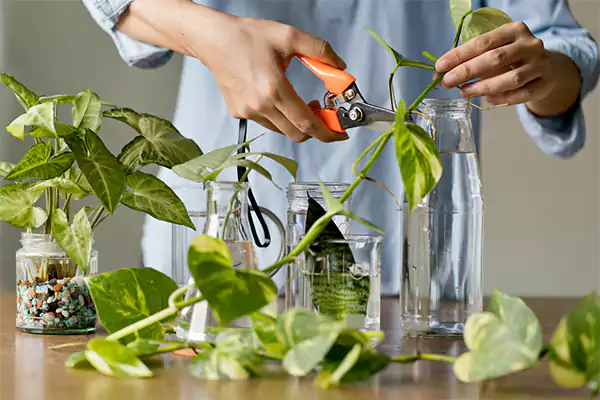
- I cut a healthy stem using a clean pruning scissor and allowed it to dry for 1-2 days. It is better to choose a non-flowering, pest-free stem.
- Once the cut end is hardened, plant the stem in a pot filled with permeable soil. Ensure that it is stable and upright.
- Wait for a few days and lightly water the cutting to promote new growth. I usually cover the container with a plastic sheet to create humid conditions.
- Once you see the roots form, water the plant lightly, and within a few weeks, you will see a baby plant growing right from the base.
The stem cutting method provides genetic consistency as it produces identical baby plants, keeping the unique traits like flower color and fruit quality intact.
Offset or Pup Propagation
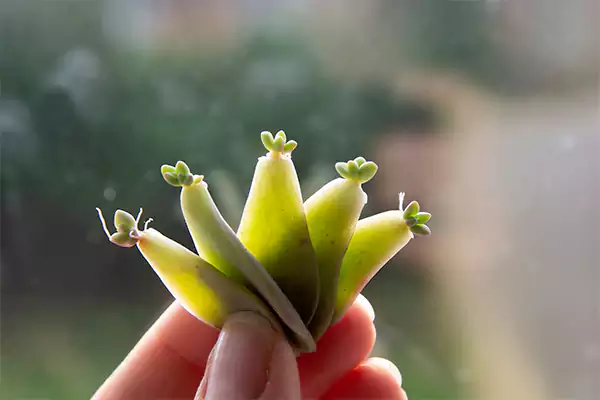
- Some succulents naturally grow small baby plants at the base, called offsets or pups. I gently separate them from their parent plant.
- Allow them to dry for a while, brush off any excess soil, and once they develop new roots, plant them individually in a separate container.
This method is said to have a high success rate. If you notice that the offset has no roots, allow the callus to emerge and then sow them into a permeable or moist soil.
Propagating Succulents in Water
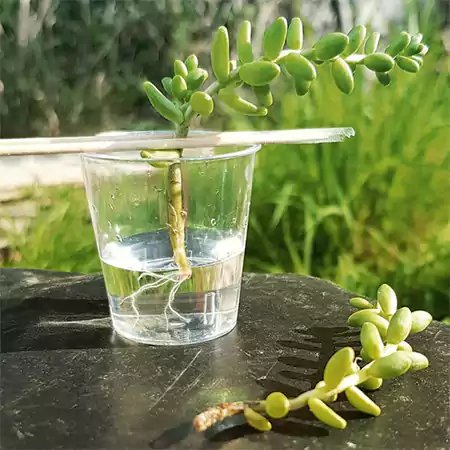
Propagating succulent leaves in water is a unique and effective method. For me, it is a rewarding experience watching root development up close. This method is a traditional one, and in some species, it has been proven to give faster results.
- Choose a plump, healthy leaf from a mature parent plant. Make sure to avoid the ones that are curled up or are likely to rot in the coming days.
- Keep the leaf in a dry, shaded area for 2-3 days until its end becomes hard and forms a callus. This method will save the bract from rotting when dipped in water.
- Fill a transparent container or a glass with water and cover its top with a plastic sheet or a mesh, and poke holes in it to insert the callus part of the leaf.
- Make sure that the leaf just rests above the surface and is not completely submerged in water.
- Position the container where it can receive bright, indirect sunlight. Ensure the container stays mildly warm; do not place it in direct sunlight, as this can harm the roots.
- Whenever I see the water getting cloudy, I change it to avoid any kind of bacterial infection.
- Once the roots are fully developed, transfer the baby plant to a container with well-draining soil, mildly mist it on the top, and place it in a warm spot.
This method works best for hanging plants and water plants like donkey tail plant, sedum, or Echeveria. If the callus is already soft, it is likely to die when submerged in water.
When is the Best Time to Propagate a Succulent?
The best time to propagate a succulent is during its active growing season, which is usually spring or early summer. Throughout this period, succulents grow faster, heal quickly, and develop roots more easily, making propagation successful.
- Spring is ideal because it is the prime time for any plant species to grow and flourish. The temperature in this season is mild, daylight is more and the plant naturally focuses on new growth.
- Early summer is also said to be an appropriate time, as the weather is still not extremely hot. Warm soil and mild sunlight can help the cuttings and leaves root faster.
In general, breeding new offshoots should be avoided during winter, as the plant is dormant during this period. As the days are shorter, natural light is also less for the plant, which eventually slows down the growth process.
Late summer and extreme heat can also stress young cuttings, causing dehydration before even the roots form.
What are the Essential Tools or Materials Required for Propagation?
To successfully propagate succulents, I keep the setup simple and minimal. Having the right gardening tools and materials helps prevent rot, disease, and poor root development while making the process smoother and more effective.
While the methods vary, the tools required are similar. Below are some essential materials needed for propagating a succulent.
- A healthy plant parent.
- Clean, sharp cutting tool.
- Well-draining soil mix.
- Small pots or propagation trays.
- Sterilization supplies (rubbing alcohol and bleach solution).
- Rooting Hormone Powder (optional).
- Mister/spray bottle.
- Hand gloves (optional)
In my experience, I have learned that succulent propagation does not require any fancy equipment – clean tools, the right soil, and patience are enough to grow healthy plants.
How to Care for the Newly Propagated Succulents?
To witness successful succulent propagation, it is mandatory to give the offspring the right care. I have given below some care tips for flowers and succulents that you can follow to ensure the overall development of the new baby plant.
- Watering: The water needs of the propagating succulent leaves are different at each stage. During the initial phase, light misting using a plant watering can is enough to moisten the soil.
Once the roots are visibly formed, water the soil thoroughly until it drains out from the bottom, and allow it to dry completely before the next watering session.
- Sunlight: New propagations are sensitive to extreme sunlight. Ensure to keep the trays or containers with succulents in a spot where they can get bright, indirect sunlight.
Monitor it, and if you notice large gaps between the leaves, shift the plant to a spot where it can get mild sunlight.
- Soil and Potting: It is always beneficial to propagate succulents in perlite. Be sure to place the offset in a specialized succulent potting mix or prepare one for yourself, the way I do, by mixing equal parts of perlite and coarse sand to avoid drainage.
Always use containers that have proper drainage holes to ensure any excess water can escape, preventing the plant from dying due to waterlogging or root rot.
While propagating succulents, the key aspect is patience. The process can take time ranging from a few weeks to nearly a month, depending on the plant you wish to multiply or the method you are using.
Common Issues Faced While Planting Propagated Succulents
Here are some common issues that I initially faced while propagating a few succulents.
- The most frequent cause of failure is overwatering. Watering too soon or not adjusting the frequency can result in mushy or discolored leaves and stems.
- Failure in developing the roots is another issue that I faced during my journey to propagate a succulent. I noticed that the cutting dried out entirely, shrivelled, and failed to produce roots, and this happens due to the improper soil type.
- The new growth is tall, pale, and weak. This happens due to a lack of sunlight during the rooting or growth phase. Direct sunlight can scorch the plant babies, but too little can make them weak.
In short, it is mandatory to use proper soil, not water the cutting during the initial days, avoid direct harsh sunlight, and be patient during the rooting process.
Conclusion
Now that I know how to propagate succulents, gardening feels more joyful and creative. Watching new roots and baby plants grow reminds me that good things take time. With a few simple steps and patience, anyone can grow a thriving succulent collection.
Each leaf or stem cutting carries the potential to turn into a whole new plant. With proper care, light, water, and soil type, propagation becomes an easy way to connect with nature.
FAQs
What is the easiest way to propagate succulents?
The easiest method to multiply a succulent is by leaf propagation. You simply need to look for a healthy base leaf, allow it to callous, and place it on a well-draining soil surface until the roots develop.
Is it better to propagate succulents in water or soil?
Both soil and water propagation are easy and calming, but soil propagation is said to be more effective in terms of a healthy baby plant.
How often should I water succulents when propagating?
During the initial phase, gently mist the offset and do not overwater. Once the roots are fully developed, you can increase the frequency of watering, but make sure that the soil is well-draining and the container has drainage holes.
Can I put succulent cuttings directly into the soil?
Though you can put succulent cuttings directly into the soil to propagate, it is highly recommended to allow them to dry for 2-3 days to callus and then begin the further procedure for a healthy baby plant.
- How to Propagate Succulents – IOWA State University Research Paper
- How to take cuttings from cactus and succulents– BBC Gardeners World