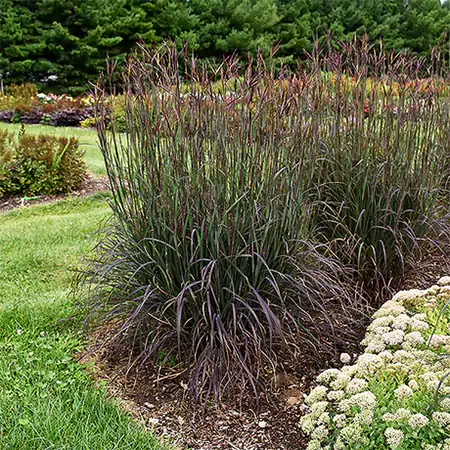
When I first started searching for ornamental grasses, I wanted something hardy, beautiful, and low-maintenance. The Little Bluestem, native to parts of North America, instantly stood out because of its eye-catching foliage.
As I spent more time learning about it, I discovered how easy it is to grow this botanical marvel and how much structure it adds to my garden space. Botanically known as Schizachyrium Scoparium, this grass is naturally elegant. If you have a dog that loves running into plants, the Blue Stem grass is a safe option.
Moving further, this article breaks down everything I learned about the Little Bluestem that makes it a reliable and rewarding choice for any landscape.
Little Bluestem – Features and Benefits of the Low-Maintenance Grass Shrub
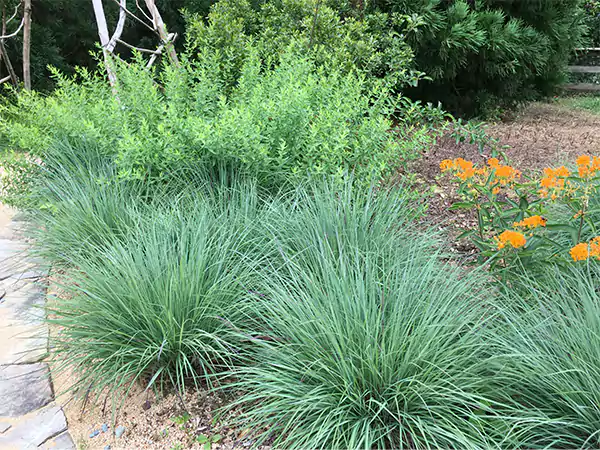
In this section, I have shared some astonishing features and benefits of Little Bluestem, as it is one of the grasses that add beauty, strength, and value to my garden space.
|
|
|
|
|
|
Little Bluestem not only offers beauty, but it is also widely appreciated for its toughness and long-term value. Its ecological benefits and low-maintenance nature amazed me the most.
How to Care for Little Bluestem Grass?
I am sharing this care guide based on my personal experience because I know how confusing these evergreen shrubs can be at first. This section covers an honest, simple, and reliable care guide that one must follow to witness lush green grass.
- Sunlight: I initially sowed the Little Bluestem seeds in an area where it could get filtered sunlight, thinking it would stay green throughout the season. But after 2–3 months, the genus started looking weak.
Once I shifted it to a spot where it could get direct sun exposure, it grew tall, and its clump also turned vibrant and glossy.
- Water: My biggest mistake was thinking this species resembled the Bamboo plant. I watered the grass shrub regularly, and eventually it turned mushy and started wilting. Remember that the Little Bluestem Schizachyrium Scoparium is a drought-tolerant species.
It only requires water when the top 2–3 inches of the soil feel dry. During the initial stages, young shrubs may need water to establish their roots.
- Soil: More nutrients do not necessarily mean faster growth when it comes to Little Bluestem. This grass plant grows well in permeable soil types having light moisture levels. A sandy, loamy, or clayey base is perfect for planting the seeds.
I initially planted this garden gem in heavy and nutrient-rich soil, which affected its overall health and turned it droopy.
- Fertiliser: If you think that, since the Schizachyrium grows in poor soil quality, it might need fertilisers for overall development, you are mistaken, just like me. The plant requires minimal chemical support.
Frequent fertilization can make the fronds of the plant weep. Start by spraying a water-soluble plant food once in two weeks and gradually adjust the frequency.
At first, I planted the Little Bluestem too close to each other so that my garden could have a fuller look, but they ended up crowding and leaning on one another. Space them properly and sow the seeds 18–24 inches apart from each other.
Caring for the Blues Little Bluestem became so much easier once I started understanding the real needs of the plant. I hope my trial-and-error method helps you avoid the same mistakes.
Explore the Popular Types of Little Blue Stem (Schizachyrium Scoparium)
While I was casually doomscrolling on Reddit, I came across many plant enthusiasts inquiring about the different varieties of Bluestem Grass.
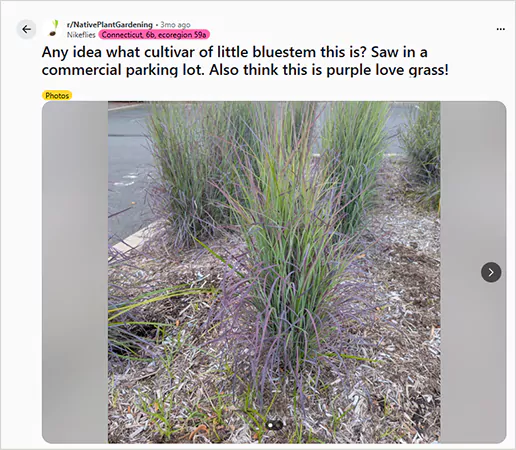
Almost all the varieties of this genus look quite similar. There are around 50+ cultivars of the Little Bluestem. I have mentioned some of the most popular ones here, depending on their ornamental traits.
Let us explore more about them so that you can make the right decision for your garden space.
| Cultivar Name | Image | Description |
| Blue Paradise (Prairie Winds) | 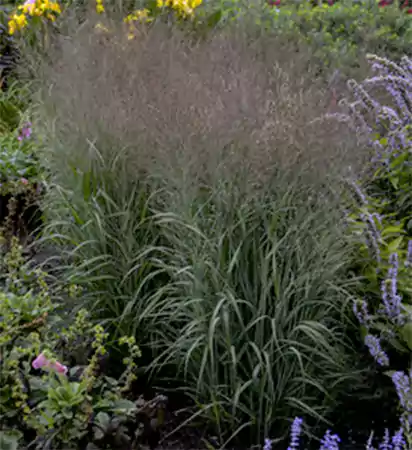 |
|
| Brush Strokes (Prairie Winds) | 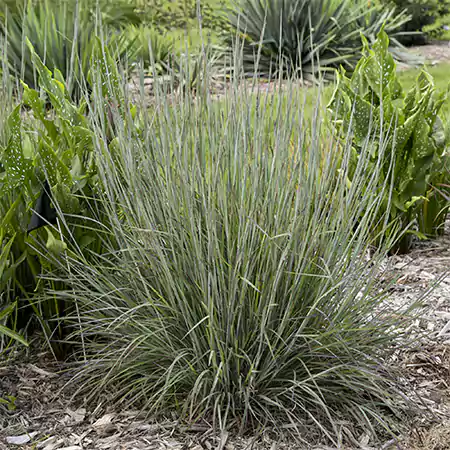 |
|
| Standing Ovation | 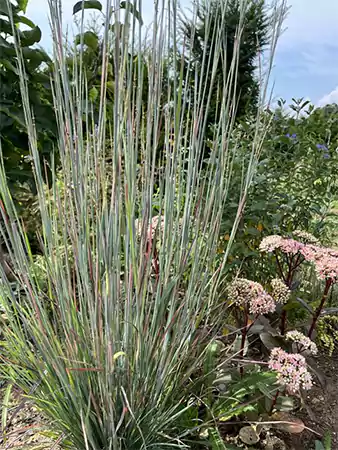 |
|
| The Blues | 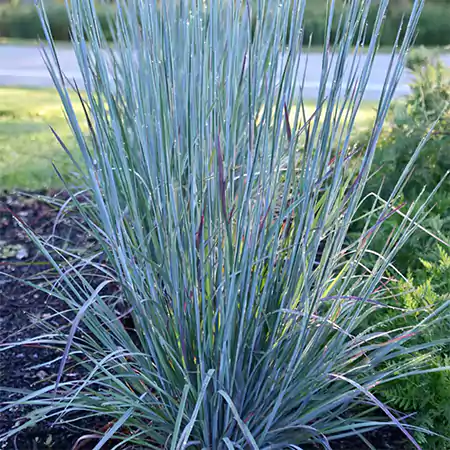 |
|
| ‘Blaze’ Little Bluestem | 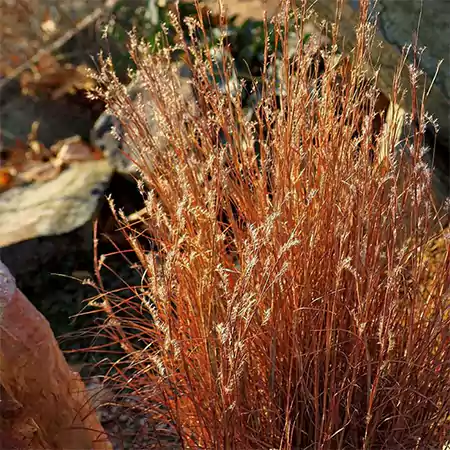 |
|
Though each cultivar has its own unique traits, they are all commonly grown for ornamental purposes. If you know how to plant a grass seed, you can easily turn your lawn into a lush green space.
Scientific Classification of the Little Blue Stem Grass
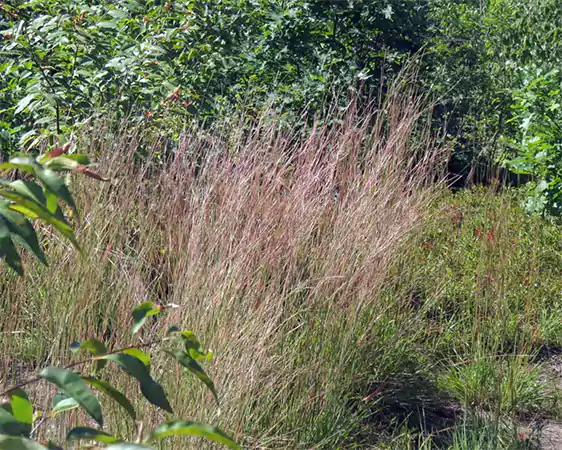
Before you add this alluring grassy shrub to your garden space, allow me to give you a brief about its plant family. Let us quickly explore its taxonomy and understand more about its botanical background.
| Scientific Classification of the Little Blue Stem Grass | |
| Kingdom | Plantae |
| Clade | Tracheophytes |
| Clade | Angiosperms |
| Clade | Monocots |
| Clade | Commelinids |
| Order | Poales |
| Family | Poaceae |
| Genus | Schizachyrium |
| Species/Binomial Name | Schizachyrium scoparium |
Some common names of this grass plant are Blue Stem, Broom Beard Grass, Broomgrass, and Bunchgrass. Exploring the taxonomy of the Little Bluestem helped me understand where this species fits in the plant world. It also gave me more insight into its care guide.
Pruning and Propagation Tips for Blue Stem Grass
When I first tried pruning and propagating the Schizachyrium Scoparium Little Bluestem grass, I wasn’t sure whether I was doing it right or not.
Over time, I made many mistakes, learnt the right method, and here I am sharing some helpful tips and tricks so that you can grow this perennial grass plant with full confidence.
Pruning Tips
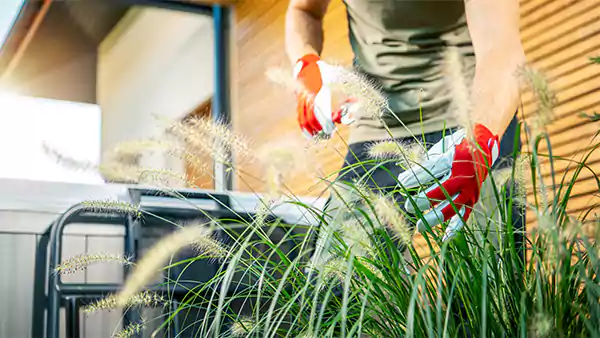
Avoid cutting too early, as it can stop the plant from showing its true winter colour. The ideal time to prune the Little Bluestem is in late winter or early spring. I personally trim the plant down to 4–6 inches because this encourages its fresh and strong growth for the new season.
Leave the dried stems throughout the winter. This will not only protect the crown but also add a striking beauty to any garden space. Pruning Schizachyrium grass is an easy task; just make sure that you do not prune it during its active growth period.
Propagation Tips
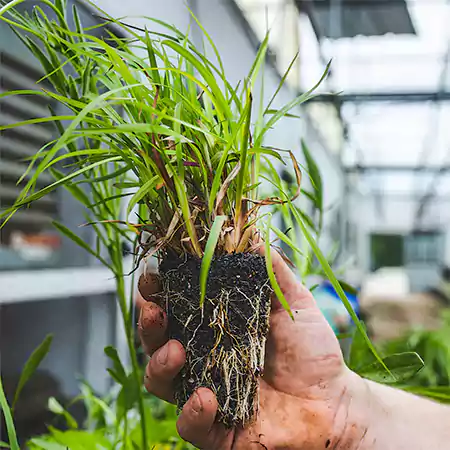
I won’t lie, I initially thought propagating this grass plant would be a tedious task, but once I got the hang of it, I realised it is much simpler the sowing the Little Bluestem seeds.
- You simply need to dig a medium-sized clump and divide it into small sections, each having a healthy root.
- Replant them at the same depth, water them lightly once a week, and allow them to grow at their own pace.
- I usually prefer propagating this botanical gem during early spring so that it can get plenty of time to establish its roots before winter.
I hope these practical tips help you prune and propagate your Bluestem grass effortlessly, just like they helped me have a fuller, lush green garden. While propagating, make sure you do not forget about the spacing between each sapling.
Key View from a Noted Horticulturist  |
How I Grew a Little Bluestem from Seed?
Just like me, if you are also planning to grow this botanical marvel from scratch, I have mentioned the steps in an elaborate manner. Growing a Little Blue Stem from seed is a straightforward process, as it does not require stratification or any kind of special treatment.
- Ensure that the planting area is free of weeds and any kind of pest infestation, as the initial growing years of the Little Bluestem are very crucial for a lush green growth.
- Level the ground and prepare the site. This method ensures that the roots of your plant establish properly under the soil, grow long and strong, and absorb all the right nutrients.
- Choose the best quality Little Bluestem seed and mix it with a powder agent to ensure even distribution. If you wish to have a lush garden, proper spacing is very important. If you are sowing the seeds manually, do it on a non-windy day or use a seed spreader.
- Rake lightly and water gently to smooth the loose soil. Be sure to make the soil moist and not soggy. During the initial growing years, the Bluestem species requires little water for optimal growth.
If you are planning to grow the grass plant indoors first, you can start by sowing the seeds in a container/grow bag filled with potting mix. Simply make sure that the soil is soggy, and the plant gets the right amount of sunlight.
What are the Common Problems Faced by the Schizachyrium Grass?
The Little Bluestem is highly adaptable and easy to care for. It resists many pests and diseases, but it comes with its own challenges. Moving further, let us quickly explore some of the common problems faced by Schizachyrium grass.
- Discoloured Foliage: Generally, the Bluestem grass plant features blue-green foliage or sometimes reddish-orange during fall. But, if you notice the clumps turning brown or golden yellow, this might be due to overwatering or nutrient deficiency.
Adjust the watering frequency and mix a nutrient-rich fertiliser in the soil to solve this issue.
- Stunted Growth: The Little Bluestem has a moderate to fast growth rate. It reaches up to 2–3 feet tall, and sometimes even 4–5 feet tall. If you notice them growing slower than expected, they might be having stunted growth, which was initially frustrating for a garden enthusiast like me.
After loads of research, I realised that my grass plant was not getting enough nutrients from the soil. I immediately used a balanced NPK fertiliser to revive the species.
- Wilting or Drooping: I spotted many grass plant lovers on different community forums asking about why their Bluestem looks lush green yet floppy.
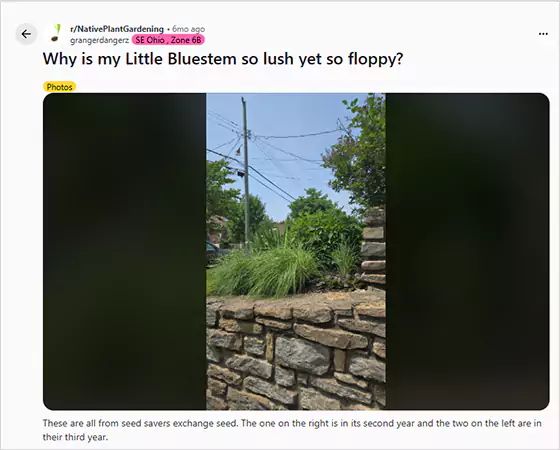
My personal growing experience says this might be because of insufficient watering. I initially found it ironic that the plant is called drought-resistant, yet its leaves begin wilting when it doesn’t receive enough water.
Later, I learnt that if you are planting this gem under scorching heat, it will need hydration to maintain its upright beauty.
The only solution to witness the lush growth of the Little Blue Stem is to keep a regular check on it. Improve the soil conditions so that it can get proper nutrition, adjust the frequency of watering depending upon the season and manage pest infestation with sustainable practices.
Myths and Facts Around Bluestem Grasses
As someone who now has a fair amount of experience in growing Bluestem, I can rightfully bust some common myths and misconceptions surrounding this grass plant.
| Myth | Fact |
|
|
|
|
|
|
Little Bluestem does not require much care, but it does need a regular check as the season changes. You simply need to provide the genus with ideal growing conditions, and the rest is the magic of nature.
Conclusion
For me personally, growing this colour-changing grass plant has been a rewarding experience. I initially added this to my collection because of its pet-friendly qualities, but eventually fell in love with it because of how easy it is to care for.
Just like me, if you are a flora lover and are looking to add something alluring to your front lawn, the Little Bluestem might just be an ideal option. It is not only a fantastic grass plant to grow, but it also offers ecological benefits.
So, what are you waiting for? Transform your boring entrance into a blue-green paradise with this gem and see your guests get impressed every time they visit you!
FAQs
Does Little Bluestem spread aggressively?
No, the non-native varieties of the Bluestem are said to spread aggressively. The Little Bluestem is a native species and can be easily managed.
How tall does Little Bluestem get?
The Little Bluestem grows up to 2–5 feet tall.
Where is the best place to plant Little Bluestem?
The best place to grow the Little Bluestem is in an area where the soil is well-drained, and the plant can receive an ample amount of sunlight.
Is Little Bluestem good for pollinators?
Yes, this grass plant is good for pollinators and other wildlife species, as it also provides food and shelter to them.
Is Little Bluestem toxic to dogs?
No, if you are a pet parent and planning to add this gem to your front lawn, you can be stress-free, as it is not toxic to dogs.
- Little Bluestem, Schizachyrium scoparium – University of Wisconsin Research Paper
- Schizachyrium scoparium – NC State Extension Research Paper
- Little Bluestem– Britannica