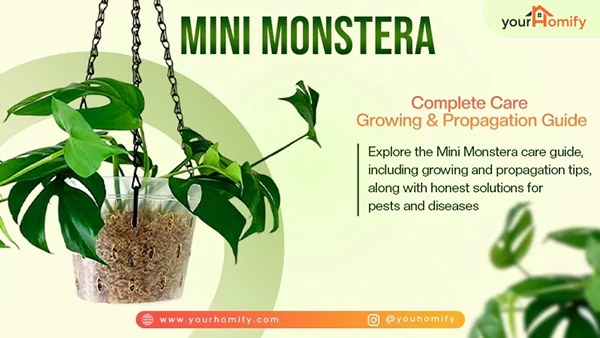
Mini Monstera has quickly become one of my favorite houseplants because of its unique split leaves and low-maintenance nature. Often confused with the Swiss Cheese Plant, the genus is native to the tropical forests of Central and South America.
If you are planning to add a tropical or coastal vibe to your indoor space, a variegated Mini Monstera might be a perfect option. Moving further, in this guide, I will walk you through everything that I have learned in my experience – from care basics to propagation guide – so you can also have a lush and vibrant bloom.
Mini Monstera Care – What are the Ideal Growing Conditions?
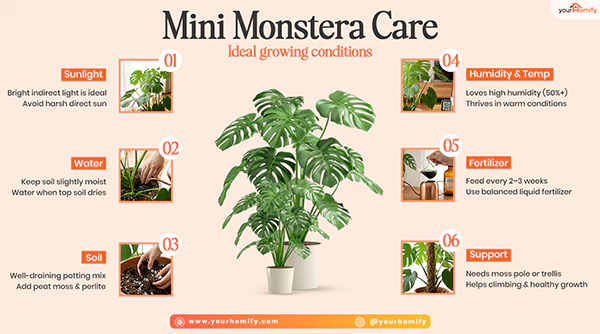
In a home environment, Mini Monstera is highly valued for its manageable size and minimal care needs. The plant is ideal for both garden beginners and seasoned enthusiasts. Let us quickly explore the ideal growing conditions needed for the genus to grow.
- Sunlight Exposure: Being a low-light indoor plant, the genus thrives in bright indirect sunlight. I have noticed that it is best to place the pot near an east or north-facing window. Protect it from the harsh afternoon sun, which can burn the leaves.
- Watering Needs: The plant needs continuous watering to keep the soil consistently moist, but make sure you do not overwater and make it soggy. Adjust the frequency if you notice waterlogging, and water only when the top 1-2 inches of soil feel dry.
- Soil Conditions: I first thought that a regular soil mix would be enough for a variegated mini monstera. The plant performs best in a well-draining potting mixture. Do not forget to add peat moss and perlite if you wish to witness optimal growth of the genus.
- Humidity and Temperature: Although the Rhaphidophora tetrasperma is an indoor plant, it thrives only within specific temperature ranges. Since this bloom is native to the rainforests of Southeast Asia, it thrives in high humidity levels, ideally above 50%. It grows best in warm temperatures, ideally above 72°F.
- Fertilizer: I personally prefer using a balanced liquid fertilizer for all my houseplants. During the growing season, use a slow-release organic mix every 2-3 weeks to encourage new growth. For a nutrient boost and foliage growth, consider using seaweed extract once a month.
- Climbing Support: Since all monstera varieties are Indoor vine plants, they require a moss pole, bamboo stake, or trellis for their aerial roots and to improve their nutrient uptake and stability.
Mini Monstera (Rhaphidophora tetrasperma) is honestly stunning and one of the best indoor plants. You simply need to keep a few things in mind, and you are good to go.
How to Propagate a Mini Monstera? Tips & Tricks That Worked For Me
If you have a Thai Constellation Monstera or a Mini Monstera, multiplying it is honestly one of the best things you can do to enhance the tropical vibe of your living space.
Curious about how to propagate mini monstera? It’s easier than you think! Let me share my simple steps for success that will have your plant thriving in no time.
Step 1: Find a healthy node, which is a point where the leaves are connected to the stems, and you can notice small white bumps on the junctions.
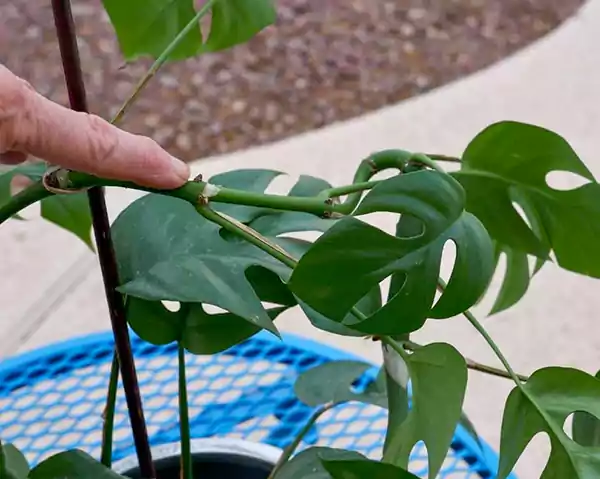
Step 2: Now, using a sterilized pair of scissors, make a clean cut roughly around 1-2 inches below the node. You simply need a 4-6 inch cutting with 2-3 leaves for ideal propagation.
If there are any leaves near the base of the cutting, carefully remove them to avoid them from rotting in water.
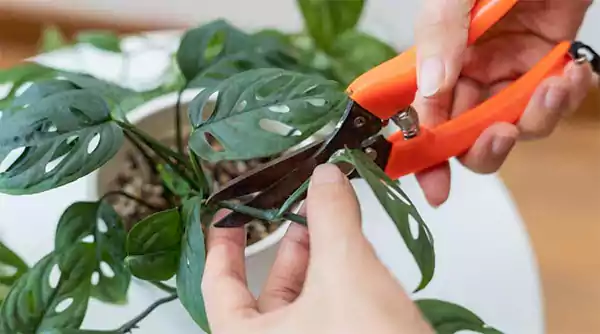
Step 3: I usually submerge the freshly cut nodes in a container of fresh water, as the base of the node contains essential cells that help form the root structure.
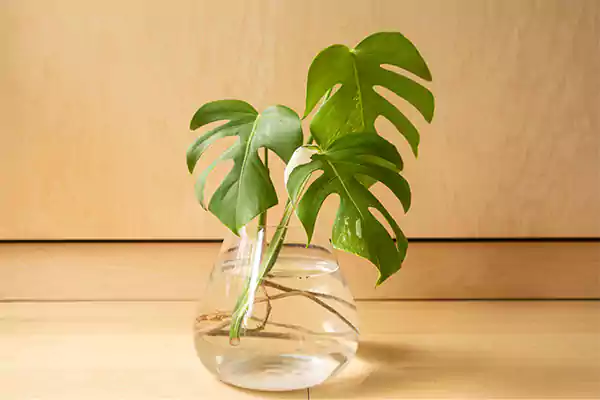
Step 4: Place the container in a spot where it can receive filtered light. Avoid direct sun exposure and change the water every 3-4 days to prevent fungal infections. Within a few weeks, you will notice small roots developing at the base of the node.
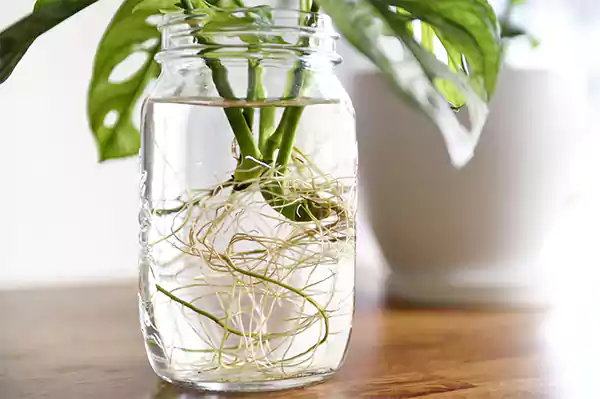
Step 5: When you see the roots, it’s time to plant the cutting in soil. Begin by preparing a well-draining potting mix that is rich in perlite. Plant the cutting directly into this mix, ensuring that the roots and the base of the node are fully covered with soil.
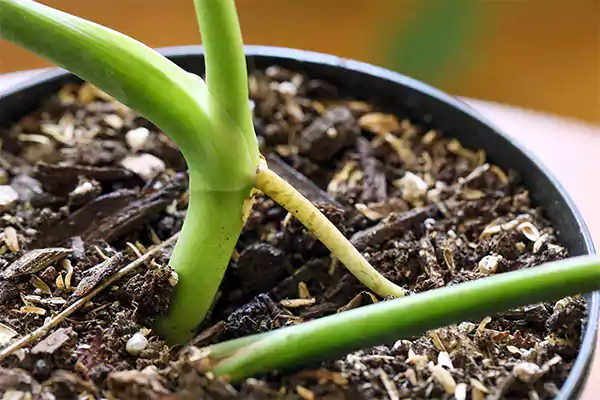
Propagation of Mini Monstera is simple if you just focus on the basics – choosing a healthy cutting, ensuring that it has a node, and providing the right environment for the roots to develop. By following the right tips and tricks, you can transform any new sapling into a thriving plant.
How to Prune a Mini Monstera Plant?
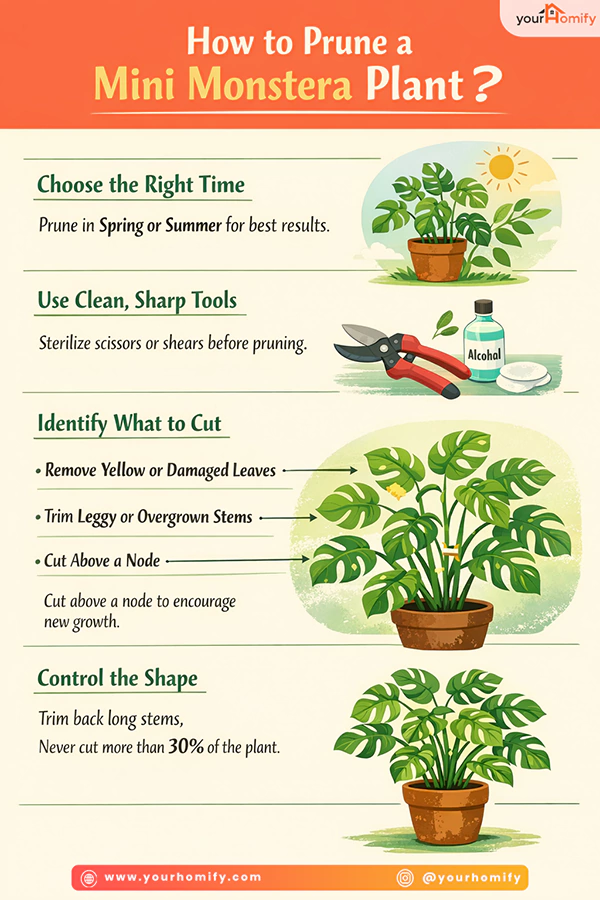
Pruning Mini Monstera simply does not mean cutting random leaves. You typically help the plant grow healthier, fuller, and more beautiful. Pruning is an essential part of plant care that encourages fresh growth.
- Choose the Right Time: I always prune during the growing season (spring or summer). This helps the plant recover quickly and produce new growth.
- Use Clean, Sharp Tools: Make sure you use sterilized scissors or pruning shears to avoid infection. A quick wipe with alcohol works perfectly for me.
- Identifying What to Cut: I look for yellow or damaged leaves, leggy or overgrown stems, and weak or unhealthy growth. Also, make sure to cut just above the node, as this encourages new shoots to grow from that point.
- Control the Shape, Do Not Overprune: If my plant is getting too big, I trim back long nodes to maintain a bushy look. Never remove more than 30% of the plant at once. Too much pruning can stress the plant.
Extra Tips That Work For Me:
- I prune lightly every few weeks instead of going for heavy cuts all at once.
- I make sure to rotate the plants every 2-3 days so that they can grow evenly and check for pests while pruning.
Pruning a mini monstera is easy once you know how to spot the right plant and where to make the cut. With regular and gentle trimming, you can help this variegated variety stay lush and vibrant.
Common Pests and Diseases That Can Affect Mini Monstera
While the mini monstera is a relatively resilient plant that is not easily affected by pests, certain factors can still trigger infestations.
Additionally, I realized that I wasn’t alone in facing plant problems – many novice plant lovers are also seeking treatment options on various community forums.
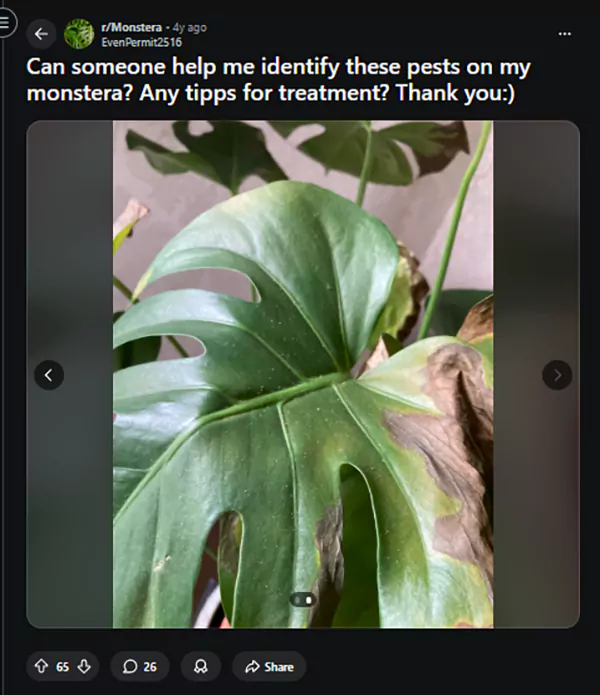
Mini Monstera is easygoing, but it is not entirely trouble-free. Understanding potential issues in the early stages can be helpful.
Spider Mites
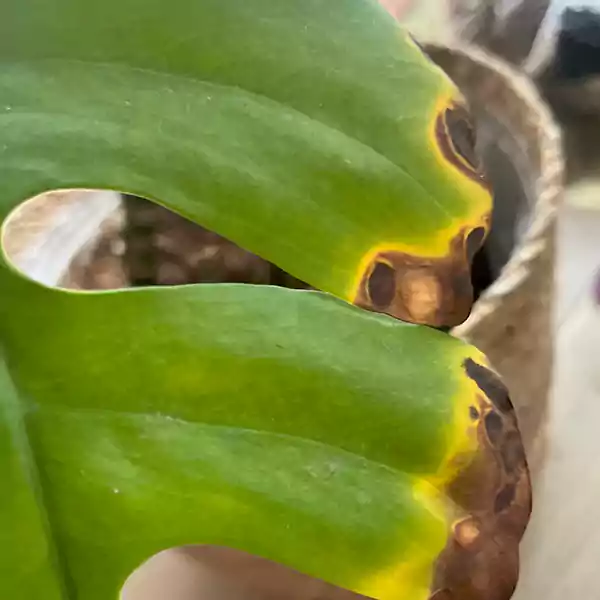
- Cause: Dry air and low humidity create a perfect environment for spider mites to thrive.
- Signs I Notice: Tiny webs, yellow speckled leaves, dry-looking foliage
- Treatment: I rinse the leaves with water, wipe them with neem oil or insecticidal soap, and increase humidity (use a mist or humidifier).
Mealy Bugs
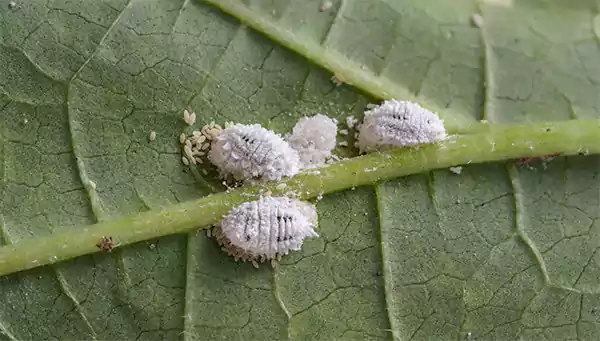
- Cause: Overwatering and poor air circulation often attract this pest.
- Signs I Notice: White cotton-like clusters on the stems and nodes, sticky residue on the leaves, and slow or stunted growth.
- Treatment: I remove them using a cotton swab dipped in alcohol. Apply neem or insecticidal soap on the leaves and isolate the plant to prevent it from spreading.
Root Rot
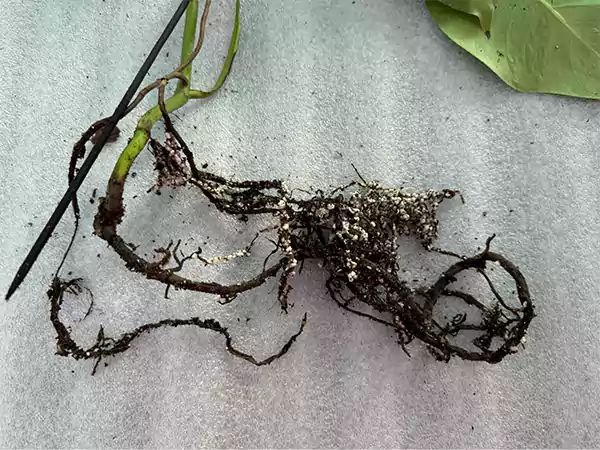
- Reasons: Poor drainage of the soil, excess water standing near the roots, and overwatering are the main reasons that cause root rot.
- Signs I Notice: Yellowing of the leaves, mushy and black roots, and a foul smell from the soil.
- Treatment: I remove the plant from the soil and cut off all the damaged roots, repot it in a fresh, well-draining mix, and water only when the top soil feels completely dry.
Fungus Gnats
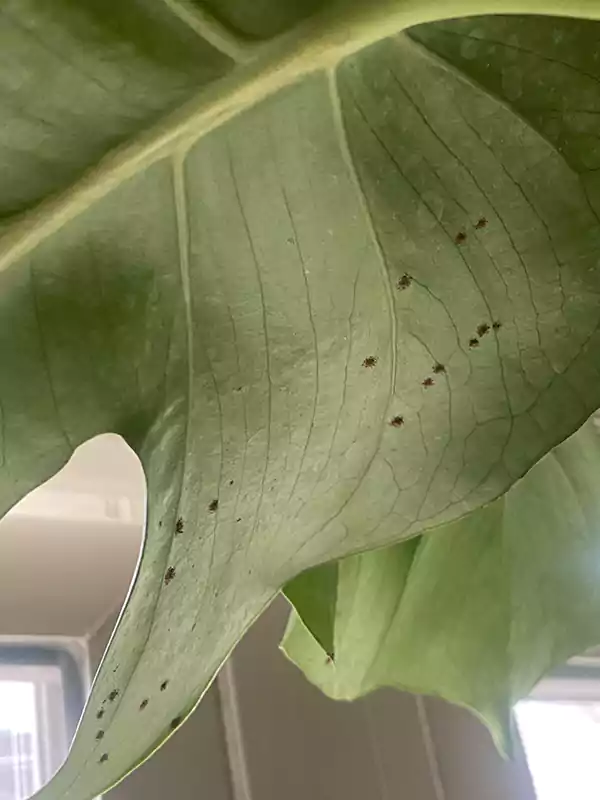
Reason: These are tiny, dark, buzzing flies that appear due to constantly moist soil and overwatering.
Signs I Notice: Tiny flies hovering around the plant, larvae in the soil, and a slow or stunted growth rate of the plant.
Treatment: I let the soil dry between watering sessions, use sticky traps to catch the adult flies, and add neem oil or hydrogen peroxide solution to the soil to kill the larvae.
Leaf Spot or Yellowing Leaves
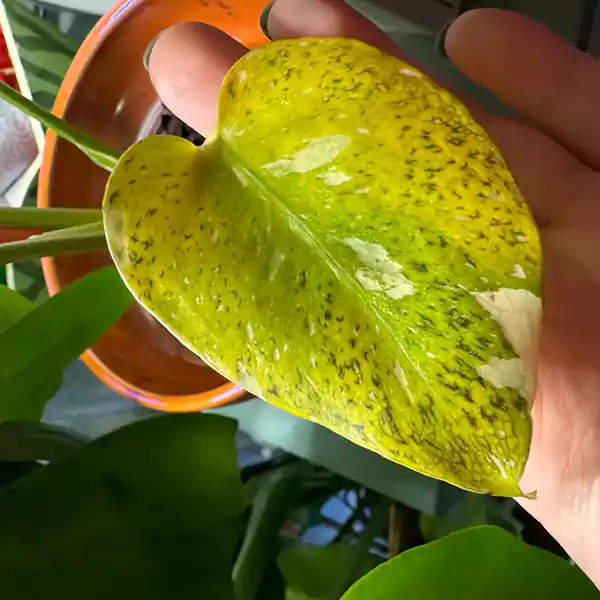
- Reason: Fungal or bacterial infection on the leaves due to excess moisture. Could also be due to overwatering, underwatering, or nutrient deficiency.
- Signs I Notice: Black or brown spots on the surface, leaves turning yellow and droopy, and a slowed growth rate.
- Treatment: I remove the affected leaves immediately, avoid overhead watering, use a mild fungicide if needed, and feed the plant with mild fertilizer.
From my personal experience, most variegated mini monstera problems come down to small care mistakes that build up over time. But the good news? – You simply need to spot them at the early stages, and with the right treatment, the plant bounces back quickly.
Conclusion
To sum up, I can say that the origin and the rich history of the plant have made it all the more interesting to me. Traditionally, the leaves of the genus were also used to treat ailments like skin infections or burn marks, making it a widely appreciated medicinal plant.
Over time, the unique beauty of mini monstera has caught the attention of many garden enthusiasts and botanists. This fast-growing plant can instantly enhance the vibe of any space with minimal care.
FAQs
Is Mini Monstera a real Monstera?
No, Rhaphidophora tetrasperma, better known as mini monstera, belongs to the Araceae family, and it is not technically a Monstera deliciosa or adansonii.
How often should I water a variegated mini monstera?
A mini monstera should not be overwatered, as it can lead to pest infestation or fungal infections. Water only when the top 1-2 inches of the soil feel dry.
Do these plants need a moss pole?
Yes, generally all monstera varieties are climbing vine plants and need a moss pole, trellis, or totem for support, as it encourages larger and more uniquely split leaves.
Is variegated Mini Monstera a toxic genus?
Although a monstera is said to be a popular houseplant, some parts of the plant might be toxic for humans or pets. If ingested, it may cause mild gestational issues.
How to prune and propagate a monstera plant?
Using a clean shear, cut a tiny node, submerge it in water for 3-4 days, and once you notice the roots, plant it in its permanent spot. For pruning, remove any damaged or yellow leaves you see.
Rhaphidophora tetrasperma – NC State Extension University Paper