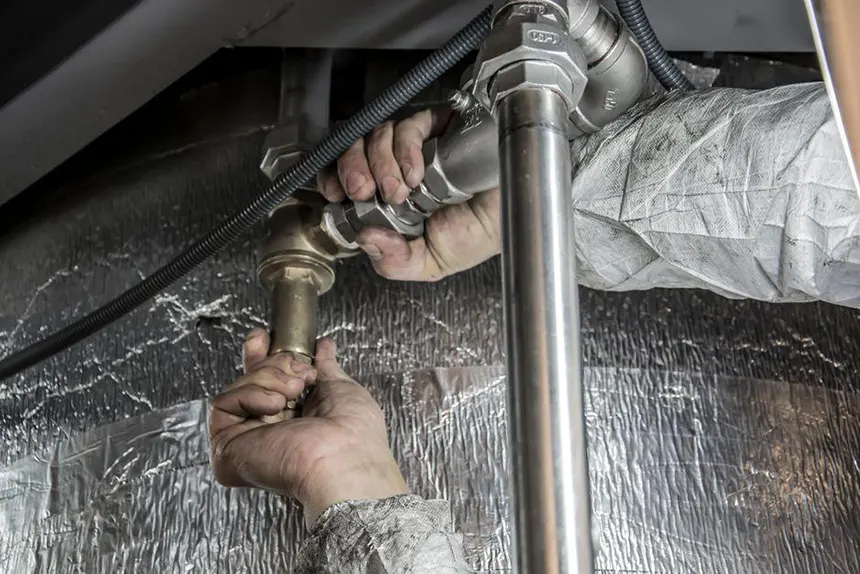
Installing a new drain system might sound like a small and simple plumbing task, but there is much more involved than simply joining two pipes. The system demands the right layout, slope, venting, materials, and access for future repairs.
Not just this, other factors such as soil, rainfall and existing plumbing can also create a huge difference in the work. Planning these details at the right time will help to avoid possible mistakes.
Keep reading this post to explore what you should know before installing a new drain system.
Drain Installation Is More Than Connecting Pipes
You might picture drain installation as a straight line from sink to sewer, but the layout is rarely that neat. Every drain needs the right slope, proper venting, and materials that match the building’s plumbing system. Miss one detail, and you can end up with slow drainage, strange gurgling, or the kind of smell that makes guests suddenly remember other plans.
A thorough installation also depends on the type of fixture required. Because the demand changes based on the area. Kitchen drains deal with grease and food waste, bathroom drains manage hair and soap remnants, while floor drains control heavy water loads. The action needs to be based on this.
That’s where professional drain installation services can make a real difference, especially when local conditions in Palm Harbor call for careful planning instead of guesswork and crossed fingers.
Signs Your Home May Need New Drain Lines
Full replacement is not always required. Most issues are managed through other practices. In case frequent clogs are observed in multiple fixtures, this suggests a system-wide problem instead of one bad pipe.
Watch for these warning signs:
– Water backing up in tubs or sinks
– Persistent sewer odors indoors or outside
– Gurgling noises after flushing or draining
– Wet spots in the yard with no clear cause
– Aging pipes made from outdated materials
– Renovation plans that change fixture locations
A remodel can change needs. When you switch one space with another, such as moving a laundry room, the demand changes, and the new layout may require a new drain setup.
Material Choices Affect Performance and Lifespan
The type of pipe used in your drain system plays a big role in how long it lasts and how well it performs. PVC is common in modern homes because it’s affordable, corrosion-resistant, and relatively easy to install. Cast iron still appears in some systems because it’s durable and good at reducing sound, though it’s heavier and more labor-intensive.
Choose materials based on the task. What fulfils underground needs might be ineffective for interior branch lines. Also, be aware of local building codes before execution.
If you’re comparing options, ask practical questions:
– How long will the material typically last?
– Is it prone to corrosion or cracking?
– How noisy is it during heavy use?
– Will repairs be simple later?
– Does it fit local code requirements?
It is better to choose the right material than choose a cheap one that does not satisfy the need and requires frequent repairs that eventually cost you more.
Why Layout, Slope, and Venting Matter So Much
A drain system works on gravity, but gravity needs help. If the slope is too steep, water can outrun solid waste and leave buildup behind. If the slope is too shallow, waste may sit in the pipe and create stubborn clogs. There’s a narrow sweet spot, and precision matters.
Without vent pipes, water feels like a hindrance to move, and varying pressure empties trap seals. This might lead to foul smells of sewage entering your home.
Good layout planning also reduces future maintenance headaches. Cleanout access, fixture placement, and pipe routing all affect how easy the system is to inspect and repair later. A tidy-looking installation isn’t enough if it turns routine maintenance into a scavenger hunt.
Local Conditions Can Change the Installation Strategy
Local conditions should be evaluated properly. The final decision should be made after checking soil type, tree roots, seasonal rain, and the age of nearby foundations. Communities like Palm Harbour in coastal Florida experience extra pressure due to heavy storms.
That means installers often need to think beyond the pipe itself. Drain placement, backflow prevention, and runoff management become part of the conversation. A system that looks fine on paper may struggle in the field if local site conditions weren’t considered.
Do not forget to consider inspections and permits. Not following municipal code might create issues while claiming insurance or selling your home. This way, smart plumbing will ensure water moves through a defined path for years.
How to Choose the Right Contractor for the Job
Don’t just chase the cheapest contractor. Find one who understands local practices, explains this clearly and works effectively. The right one will share all about materials, timelines, disruption, and potential complications.
Ask smart questions before you commit:
– Are they licensed and insured?
– Have they handled similar projects before?
– Will permits and inspections be included?
– What warranty comes with the work?
– How do they handle hidden damage or changes?
Clear communication is crucial to avoid confusion. As a result, a well-communicated and completed drain installation will boost your confidence rather than just increasing your expenses.
Conclusion
In the end, a reliable drain system is ensured by smart planning, not just good pipes. Making smart decisions such as choosing the right materials, and a suitable layout, and putting focus on local conditions can all ensure long-term performance with almost zero maintenance.
Apart from this, choosing reliable contractors who inspect well, follow regulations, and effectively tackle practical challenges is important. Following these steps before beginning the installation can save you from future issues.
FAQs
When should a home get new drain lines?
Recurring clogs, sewer odors, backups, damaged pipes, or major remodeling might signal a need for new lines.
What all should you check before choosing an installation contractor?
Ask about licensing, insurance, certifications, warranties, and how surprise problems will be managed.
Why does a drain system need venting?
Proper venting helps to maintain pressure and lower the risk of sewer gases entering the home.