


| Common Name | Arbequina Olive Tree | Maintenance | Low |
|---|---|---|---|
| Native Region | Catalonia, Spain | Average Height | 10-20 feet |
| Plant Type | Evergreen Fruit Tree | Average Width | 8-15 feet |
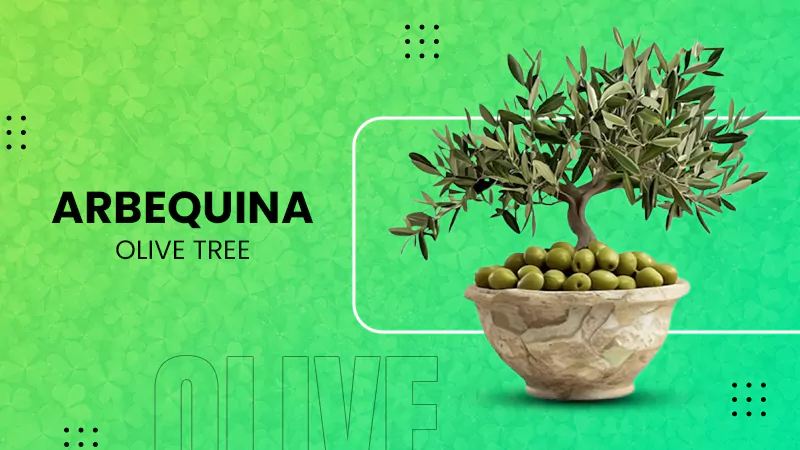
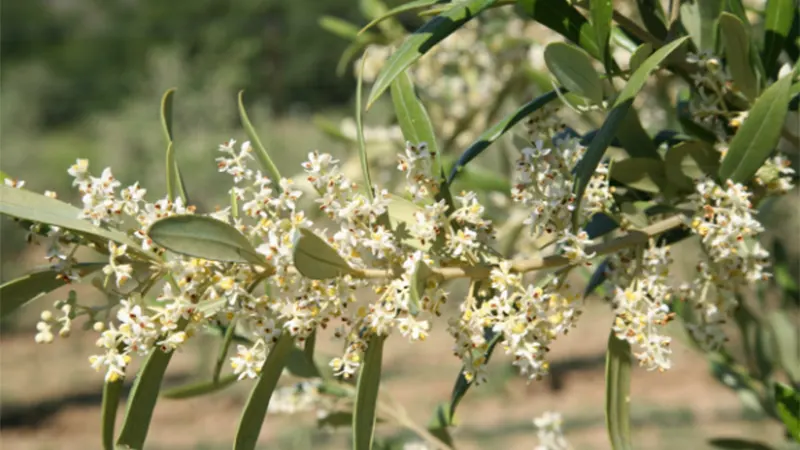
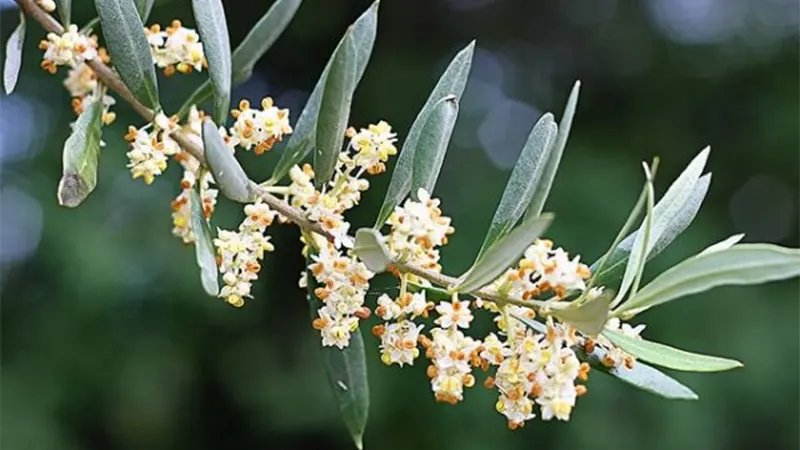
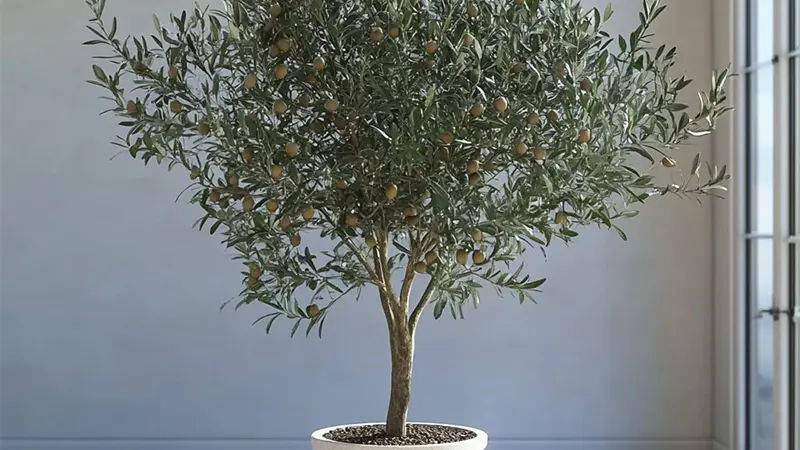
Arbequina Olive tree, botanically referred to as Olea europaea ‘Arbequina’, is a self-pollinating, compact tree that offers antioxidant-rich olives which are used to extract high-quality buttery oil. Apart from the culinary advantages, it works well as an ornamental plant with a display of attractive silver foliage.
Key Features and Benefits of the Arbequina Olive Tree
- Due to being self-fertile, Arbequina Olive trees produce fruit on their own without the need for another tree nearby, although pairing with another one can increase the yields.
- Being a weeping ornamental tree, it features silvery green leaves and forms a rounded and bushy crown.
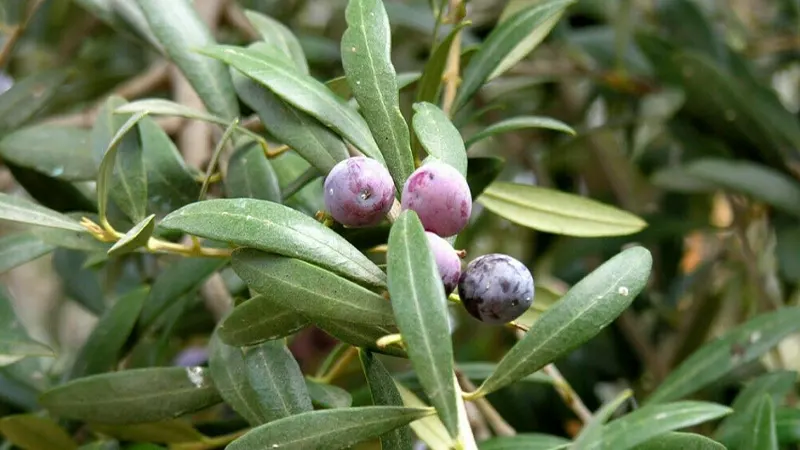
- Begins bearing dark brown or black olives within 2-4 years after being planted.
- The best time to apply a well-balanced fertilizer is in early spring and again in early summer. Fertilizing after late summer is not recommended, as it can lead to frost damage to new growth.
Care Guide of Arbequina Olive Tree
- Growing Zone: USDA zones 7-10
- Sunlight Exposure: Ideally needs 6-10 hours of daily sunlight.
- Water Needs: Regular watering is needed to establish roots. Once established, it is drought-tolerant.
- Soil Type: Highly adaptable to even poor, rocky, and sandy soils, only if they are well-drained and alkaline.
Advantages
- Produces faster yields of small, brown, and flavourful olives when compared to the other varieties.
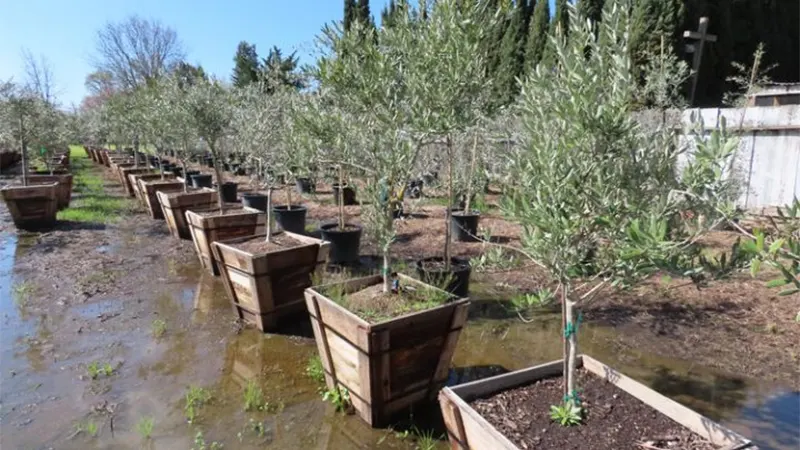
- The compact size makes it suitable for versatile landscaping options, such as growing it as a shrub or a small tree.
- Olives produce high-quality, fruity, mild virgin oil with a high oil content of typically 20-22%.
- The oil is used for culinary purposes, including drizzling on salads or roasting vegetables.
Disadvantages
- Does not perform well in humid climates, which can make it vulnerable to diseases.
- The oil features low oxidative stability that means it should not be kept for a long time and should be consumed quickly.
- Requires consistent pruning to maintain its form. Otherwise, it can grow very large.
- Susceptible to many issues like olive fruit fly, black scale, peacock spot, or olive knot.


Sophie Jones –
I ordered this versatile tree because of its beautiful silvery green foliage and, of course, the nutritious fruit and oil. Can’t wait to grow my very own olives!
Ava Long –
Since my childhood, I have loved the fruity buttery flavour of the brown purple olives. So I thought, why not grow them in the garden? The olives are great for pressing them into the highly beneficial virgin oil that can be a useful addition to a variety of dishes.
Hudson Wood –
With the silver foliage and architectural shape and eventual creamy harvest, the tree is perfect to add instant charm to the front lawn.
Wilder Harris –
With green fruits that ripen to brown purple olives, the low-maintenance tree is best for creating an edible landscape.
Andrew Lewis –
I ordered the Arbequina Olive Tree because I wanted to try growing an olive tree at home. It arrived healthy and in good condition, and I really like its silvery-green foliage. I’m excited to watch it grow and hopefully get olives in the future.
Bob Rogers –
The Arbequina Olive Tree arrived safely and looked great when I unpacked it. I’ve always liked the look of olive trees, and this one has already added a Mediterranean feel to my garden. Looking forward to seeing it mature.