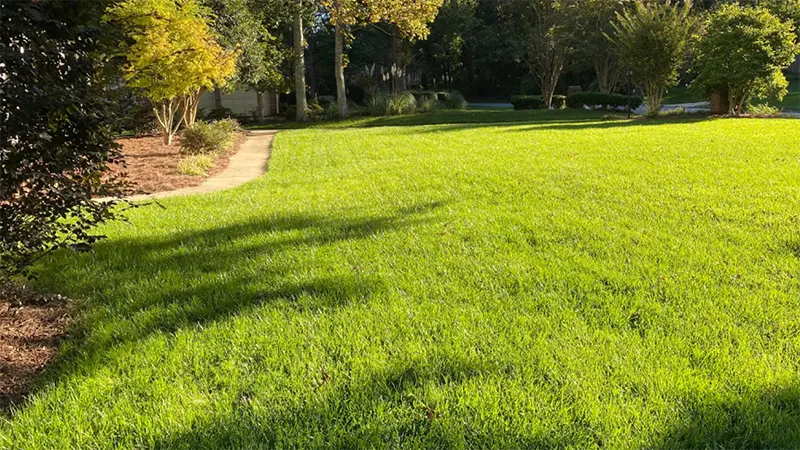
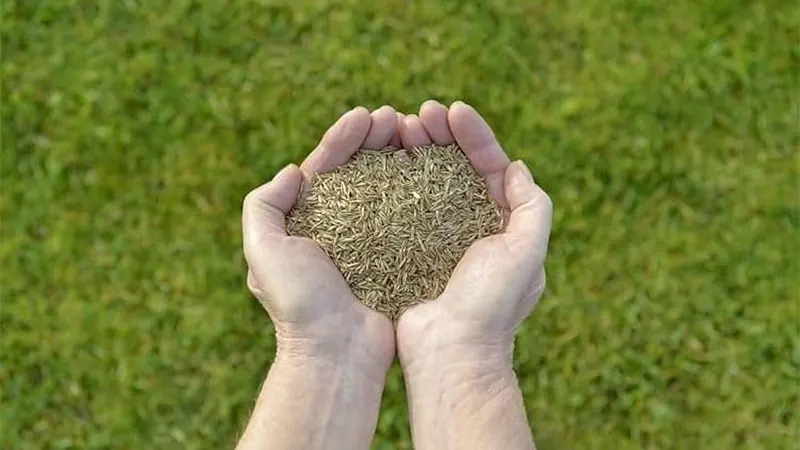
Bermuda grass seeds, scientifically called Cynodon dactylon (L.) Pers is a rapidly spreading perennial grass that grows in tropical and subtropical regions. Best planted in summer and spring, it needs high maintenance to flourish and elevate the beauty of spaces like golf courses, sports fields, parks, and lawns.
Key Features and Benefits of Bermuda Grass Seeds
Seeded Bermuda grass generally covers 500-1000 square feet per pound for the new lawns and up to 1000-2000 square feet per pound for overseeding.
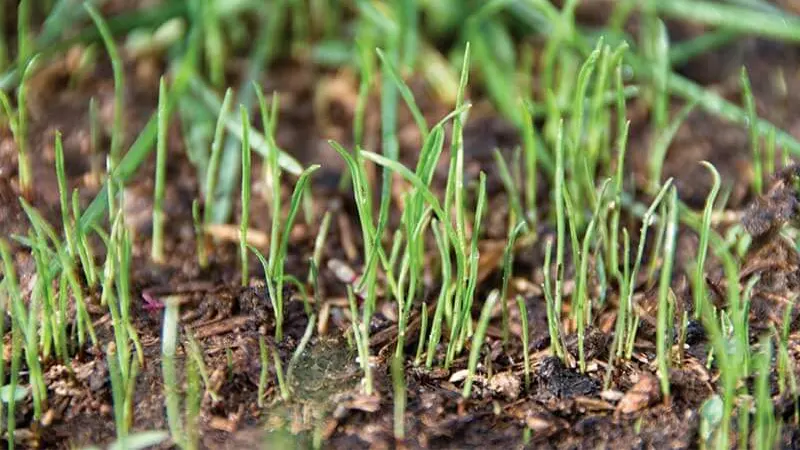
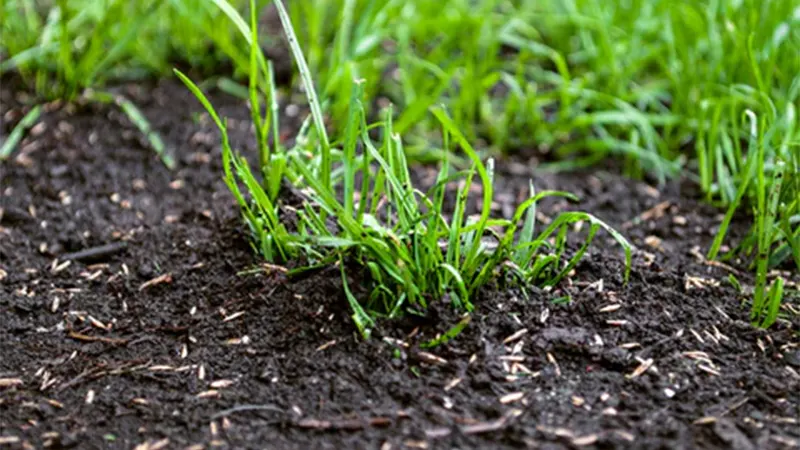
Thanks to its high germination rate, it starts sprouting in 7-14 days, and the full coverage often takes 4-6 weeks, filling the bare spots quickly.
The best Bermuda grass seed leads to the aggressive grass that spreads quickly through both above-ground stems (Stolons) and below-ground stems (Rhizomes).
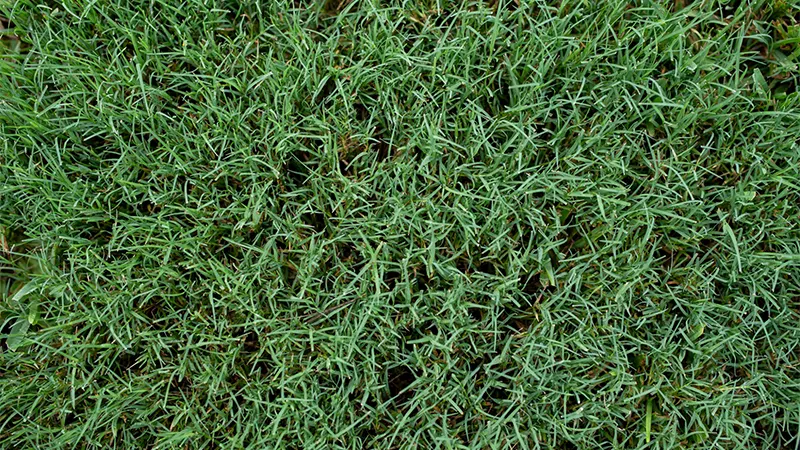
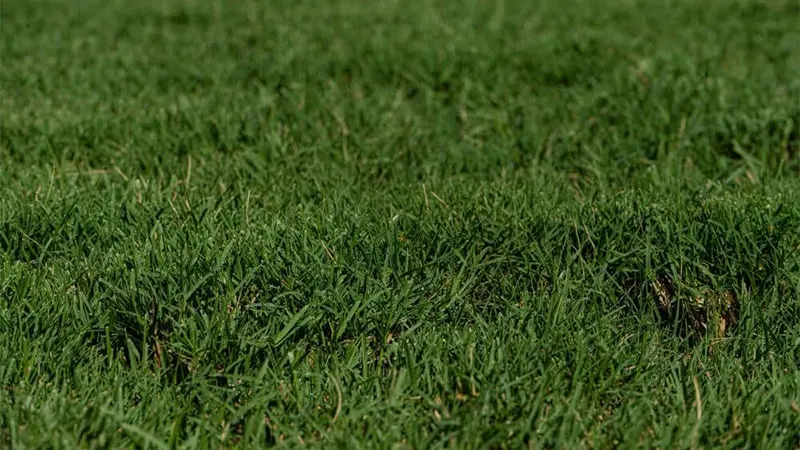
Bermuda grass seed for lawn gets you the warm-season turfgrass that is recognised by its fine texture and light to dark green blades, which are sharply pointed.
Care Guide, Advantages, and Disadvantages of Bermuda Grass Seeds
Growing Zone
USDA 7-13
Sunlight Exposure
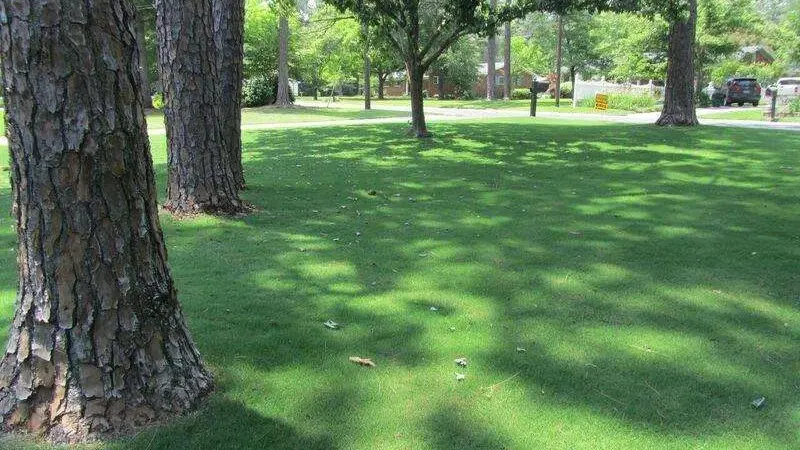
More than 8 hours of sunlight is required, as it has low shade tolerance.
Water Needs
Though it is very drought-tolerant once established, 1-1.5 inches of water is required per week to encourage the deep roots.
Soil Type
Prefers well-drained sandy loam soils, but the grass is highly adaptable to clay if it doesn’t stay waterlogged.
Temperature
Planted best in mid-summer, the soil temperature should be at least 65°F to 70°F, and the air temperature between 75°F and 90°F.
Advantages
Disadvantages
Due to its fast-repairing nature, it is best for high-traffic areas, especially for pets and children.
Features highly invasive growth, often covering flowerbeds, walkways, and gardens.
Available in versatile varieties, including common budget-friendly seeds and the improved hybrid Bermuda grass seed.
Performs poorly in cold climates as it goes brown in the fall and stays brown till the early spring, making it susceptible to winterkill.
The dense growth habit of this grass helps to crowd out weeds.
Due to its fast growth, it requires frequent mowing to keep it tidy.
Highly drought-tolerant and heat-resistant, requiring less water than other types.
Can be affected by pests and diseases like dollar spot, leaf spot, and rust.
Frequently Asked Questions
Does Yukon Bermuda grass seed work in shade?
No, the grass requires full sun, ideally more than 8 hours of sunlight every day; it becomes thin if planted in shade.
When to plant Bermuda grass seed?
The seeds are best planted in early spring or summer, once all danger of frost has passed.
How much water does Celebration Bermuda grass seed want?
Celebration Bermuda grass seed wants consistent daily watering, especially in the first few weeks, to get established. Once it is established, the deep watering of 1 inch is more than enough.
What is the germination time of Pennington Bermuda grass seed?
Under proper conditions, the seeds germinate in 10-14 days. However, the full germination can take more time, usually up to 3 weeks.
What are the fertilization needs of Bermuda grass seeds?
The grass typically requires high-nitrogen level fertilizers, splitting it into 3-4 applications from the spring to early fall to encourage dense growth.
Reviews
6 reviews for Bermuda Grass Seeds | Solution for a Dense, Healthy Growing Grass
Rated 5 out of 5
Emily Robertson –
The grass is there in my lawn. It is highly durable and handles heavy foot traffic quite well.
Rated 5 out of 5
Peter Wood –
I planted it some months back in the sports field. Surprisingly, it keeps on thriving in high temperatures and extended dry spells.
Rated 5 out of 5
Sarah Hall –
Due to the deep green colour and fine-textured grass, the lawn looks absolutely stunning. Additionally, the thick mat of grass feels very comfortable underfoot.
Rated 5 out of 5
Polly Anderson –
I saw the grass for the first time in a nearby park. Impressed by its rich colour and fast growth, I have ordered the seeds for my lawn. Can’t wait to see it transform into a lush mat.
Rated 4 out of 5
Andrew –
I bought the Bermuda Grass Seeds from YourHomify to improve a patchy area of my lawn. The seeds arrived well-packaged, and I’ve planted them as recommended. Now I’m looking forward to seeing the grass start filling in.
Rated 4 out of 5
Bob Rogers –
I decided to try Bermuda Grass Seeds for a bare section of my yard, and so far everything has gone smoothly. The package arrived in good condition, and I’m excited to see how the lawn develops over the coming weeks.







Emily Robertson –
The grass is there in my lawn. It is highly durable and handles heavy foot traffic quite well.
Peter Wood –
I planted it some months back in the sports field. Surprisingly, it keeps on thriving in high temperatures and extended dry spells.
Sarah Hall –
Due to the deep green colour and fine-textured grass, the lawn looks absolutely stunning. Additionally, the thick mat of grass feels very comfortable underfoot.
Polly Anderson –
I saw the grass for the first time in a nearby park. Impressed by its rich colour and fast growth, I have ordered the seeds for my lawn. Can’t wait to see it transform into a lush mat.
Andrew –
I bought the Bermuda Grass Seeds from YourHomify to improve a patchy area of my lawn. The seeds arrived well-packaged, and I’ve planted them as recommended. Now I’m looking forward to seeing the grass start filling in.
Bob Rogers –
I decided to try Bermuda Grass Seeds for a bare section of my yard, and so far everything has gone smoothly. The package arrived in good condition, and I’m excited to see how the lawn develops over the coming weeks.